Speech Clarity
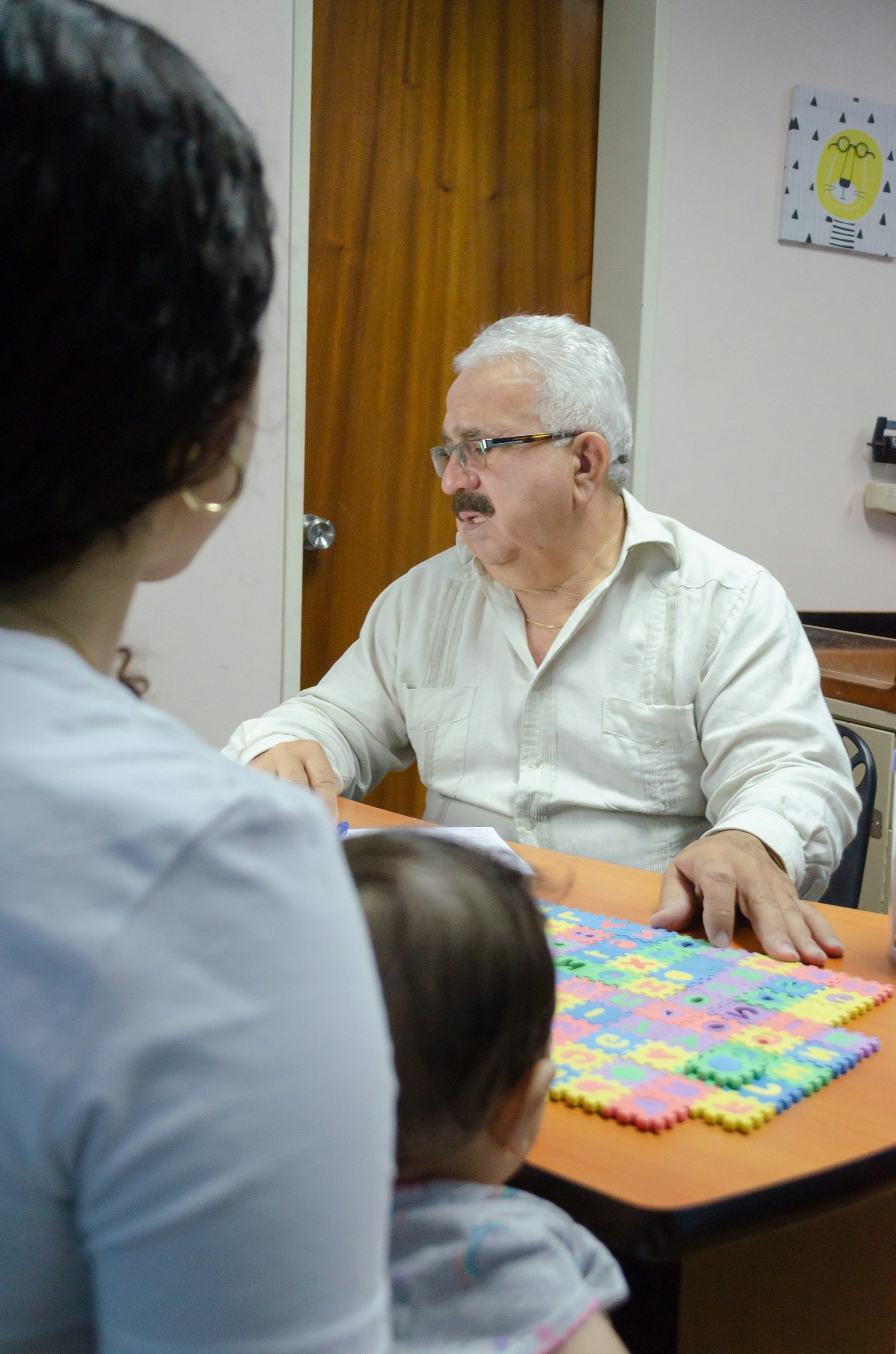
Low muscle tone and hearing changes can affect speech clarity. Down syndrome speech therapy works on speech sounds and intelligibility through play. The aim is speech that family, friends and teachers can understand more easily.
Paediatric Speech Pathology Across Australia
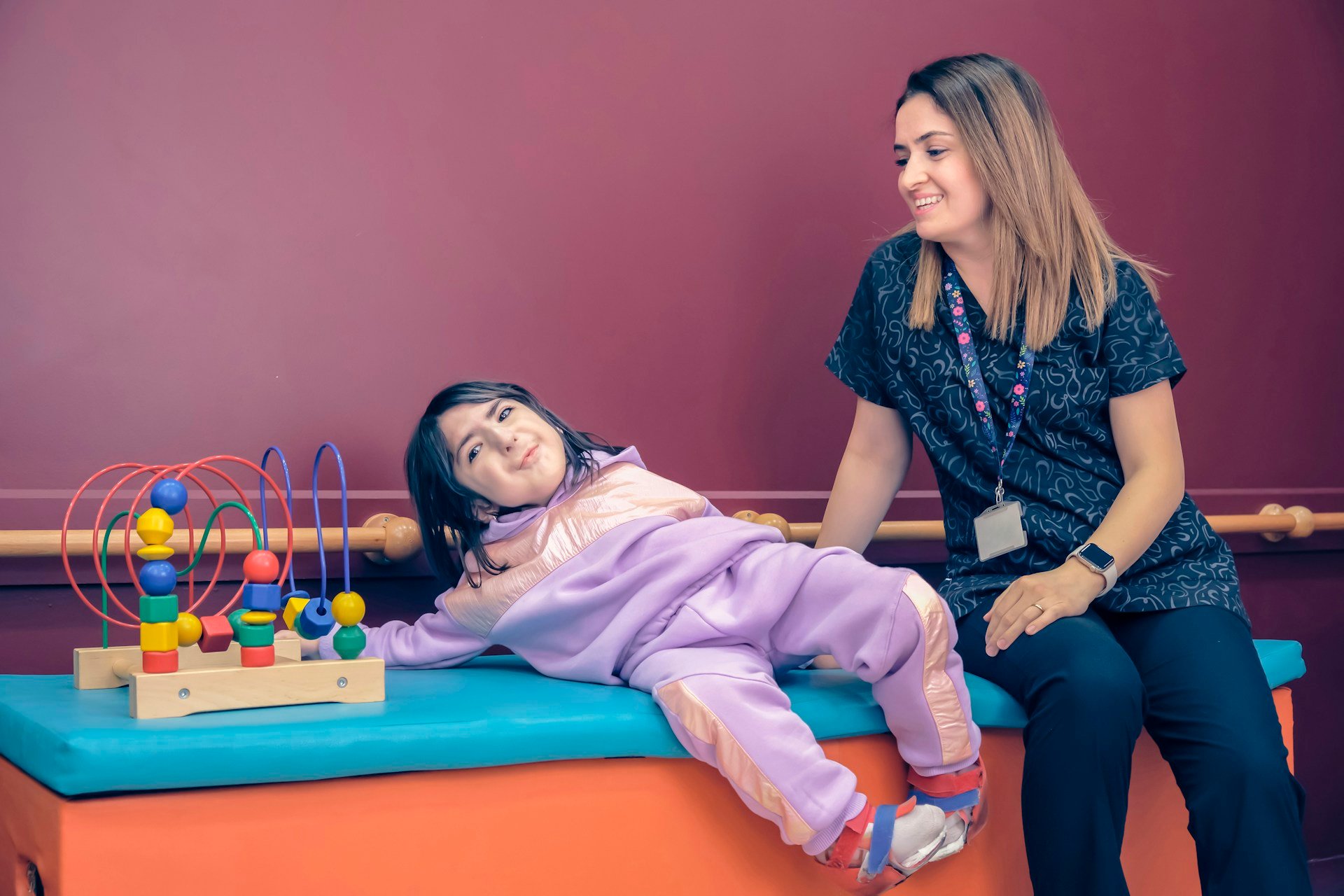
Down syndrome speech therapy helps children build communication, language and speech skills at their own pace. Our Speech Pathology Australia certified speech pathologists work with your child and your family. We support early language, speech clarity and AAC. Sessions can run in your home, school or community.
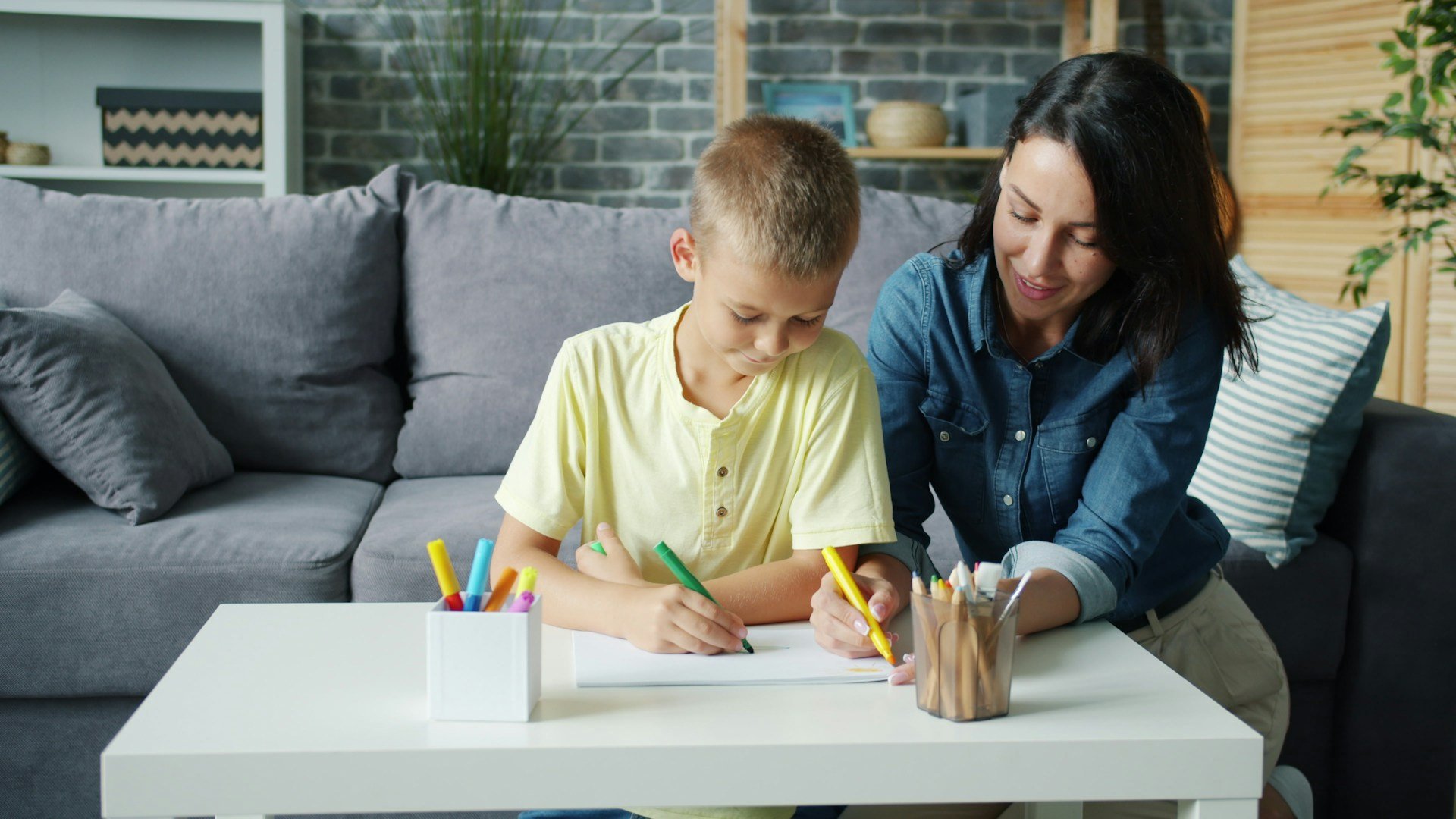
Family-centred care for children with Down syndrome
Children with Down syndrome often understand more than they can say. Speech therapy for Down syndrome supports both sides of communication. Our speech pathologists may work on early words, speech sound clarity, sentence building and AAC. We coach parents and liaise with schools. Astrad supports NDIS, aged care and private clients across Queensland, New South Wales, Victoria and Tasmania.
We keep down syndrome speech therapy simple and supportive for your family. Here is what to expect.
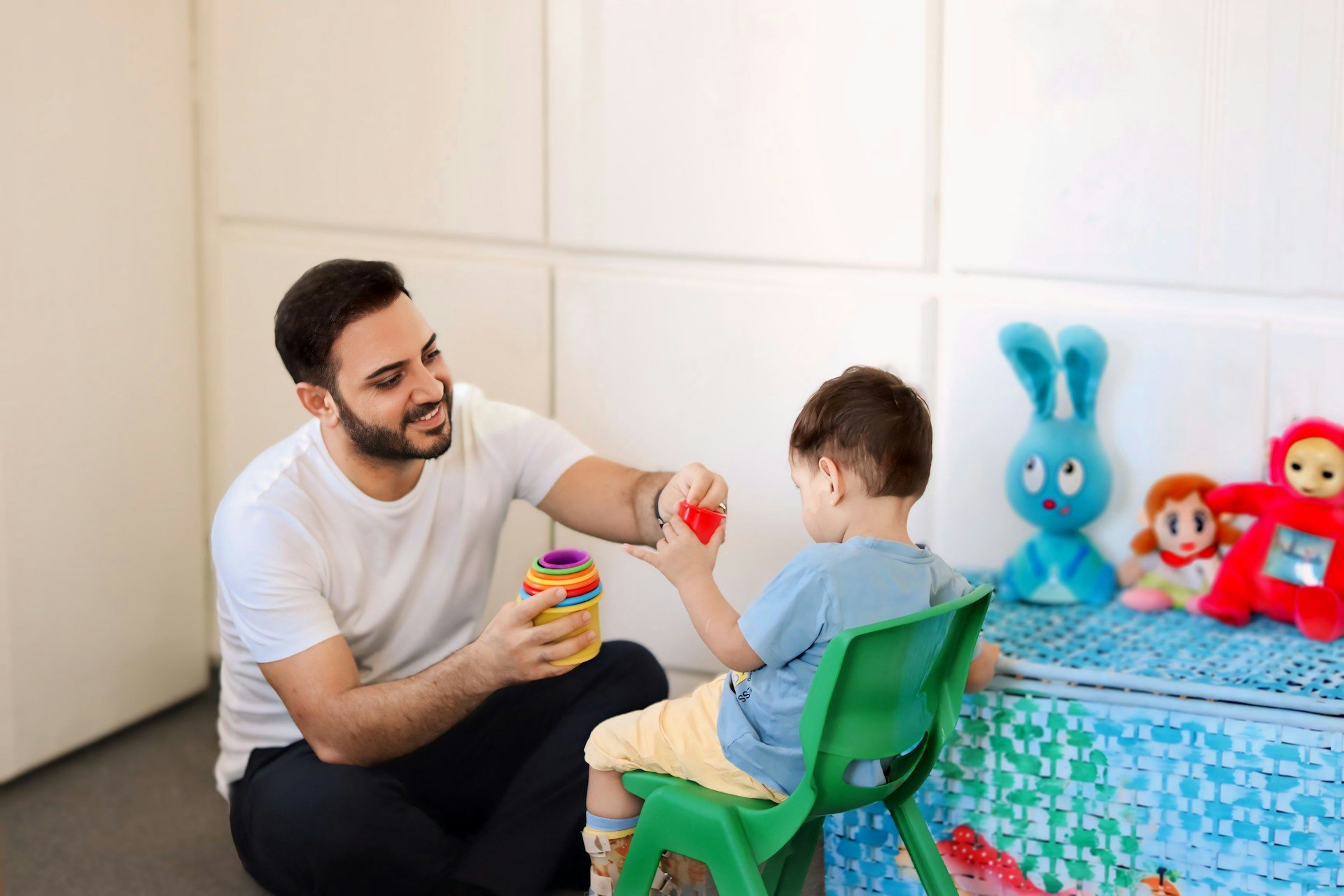
Down syndrome speech therapy starts by getting to know your child and how they communicate now. We look at receptive language, expressive language, speech sounds and play. We listen to your goals as a family.
We build a down syndrome speech therapy plan around your child's strengths and needs. This may include early language, AAC, speech clarity or feeding support. We set clear, realistic goals you can track.
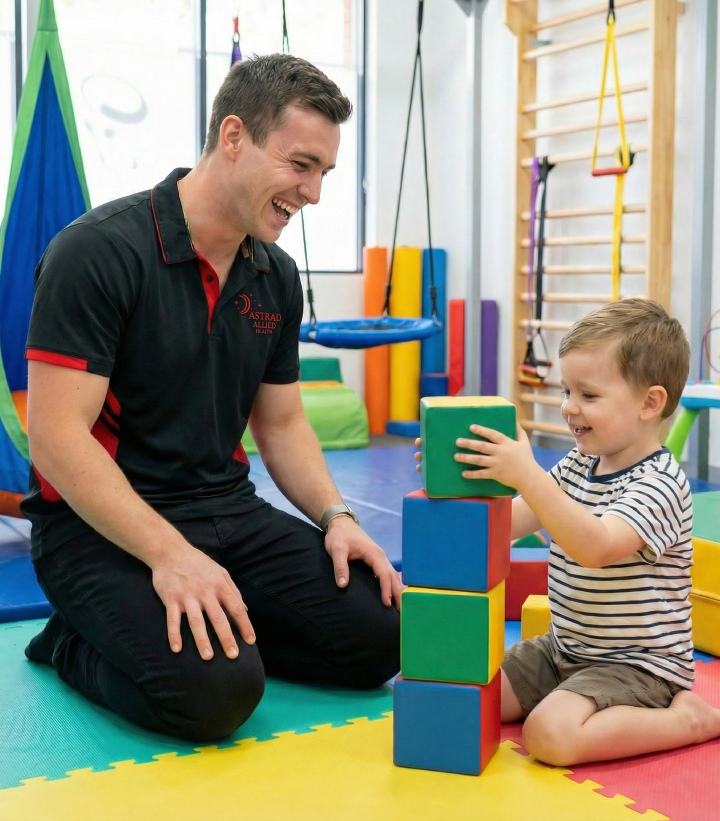
We run regular down syndrome speech therapy sessions through play and daily routines. We coach you to practise at home. We review progress often and adjust the plan as your child grows.
Communication support for every stage
Every child with Down syndrome communicates in their own way. Our speech pathologists tailor each down syndrome speech therapy plan to the child in front of them. Below are common areas we may support.
Low muscle tone and hearing changes can affect speech clarity. Down syndrome speech therapy works on speech sounds and intelligibility through play. The aim is speech that family, friends and teachers can understand more easily.
Many children with Down syndrome understand language well but find speech harder to produce. We support expressive and receptive language together. We may use signs, pictures and modelling to grow your child's vocabulary and sentences.
Some children need support with eating, drinking or chewing. Our speech pathologists can assess feeding where relevant. We also coach parents with simple strategies to use in everyday routines.
AAC for Down syndrome can support communication while speech develops. AAC is a common part of down syndrome speech therapy. This may include picture boards, key word sign or speech generating devices. AAC can lower frustration and may encourage more spoken words over time.
Down syndrome speech therapy supports children to communicate in the way that works best for them. Children with Down syndrome often understand far more than they can say out loud. Speech therapy helps close that gap. Our Speech Pathology Australia certified speech pathologists support early language, speech sound clarity, sentence building and AAC. We focus on everyday communication your child can use at home, at school and with friends.
Starting early can make a meaningful difference. Many families begin support in the early years. Therapy can continue through school age and beyond. Our team works through play and daily routines, so learning feels natural. We also coach parents, because you are your child’s most important communication partner. For children who also have motor planning challenges, our childhood apraxia of speech therapy may be relevant alongside Down syndrome support.
Every child is different, so we tailor each plan to your child’s strengths, interests and goals. Our speech pathologists start by getting to know how your child communicates now. We look at understanding, spoken words, signs, gestures and play. We then set clear goals with your family and check progress often. Sessions are friendly and practical. We keep you involved at every step.
Children with Down syndrome can find some parts of communication harder than others. A down syndrome speech therapy plan may focus on one area or several at once. Common areas include:
Every plan starts with a clear picture of how your child communicates now. Our AAC assessments help us match the right communication tools. Our literacy assessments support reading and writing as your child grows. We also work on speech sounds through articulation therapy where clarity is a goal.
Communication grows fastest when everyone uses the same tools. That is why we coach parents and can liaise with teachers, educators and other therapists. We share simple strategies you can use at the shops, in the car and at bedtime. When your child uses the same signs or pictures at home and at school, learning feels consistent and less stressful. Hearing can also change over time for children with Down syndrome, so we keep this in mind and may suggest a hearing check when it is helpful. There are helpful family resources on early communication for children with Down syndrome.
Astrad supports NDIS, aged care and private clients across Queensland, New South Wales, Victoria and Tasmania. We deliver mobile, in-home, school and community sessions, so therapy fits around your family. Our speech pathologists are certified by Speech Pathology Australia. If down syndrome speech therapy is part of your child’s plan, our guide to NDIS funding for speech pathology explains how it can work. To start, book an appointment or call our team on (07) 3477 9366.
Written for Astrad Allied Health and reviewed by our Speech Pathology Australia certified speech pathologists. Meet our team.
Individual results vary based on individual assessment. This page about down syndrome speech therapy is general information and is not a substitute for personalised clinical advice.
Last updated: June 2026.
Down syndrome speech therapy helps children build communication, language and speech skills. A speech pathologist works on understanding language, using words, speech sound clarity and AAC where helpful. Therapy is tailored to each child and often runs through play and daily routines. Our team also coaches parents, so you can support communication at home. Sessions can run in your home, at school or in the community.
Starting early may help build communication foundations. Many families begin support in the early years, sometimes from infancy. Early therapy gives skills time to grow. That said, therapy can help at any age, including school age and beyond. Our speech pathologists meet your child where they are now and set realistic goals. The best time to start is when you and your family feel ready to begin.
Children with Down syndrome often understand more than they can say. Speech therapy supports both understanding and expression. We may work on early words, sentences, speech sound clarity and social communication. We also use tools like signs, pictures and AAC where helpful. The goal is communication your child can use in daily life, with family, friends and teachers.
AAC stands for augmentative and alternative communication. It includes picture boards, key word sign and speech generating devices. AAC for Down syndrome can give your child a way to communicate while speech develops. It can lower frustration and may encourage more spoken words over time. Our speech pathologists can assess whether AAC suits your child and help your family use it day to day.
Several factors can affect speech in Down syndrome. Low muscle tone can make speech sounds harder to form. Hearing changes are common and can affect listening and speech. Many children understand language well but find it harder to produce. This is why expressive language may lag behind understanding. Speech therapy supports these areas together, at a pace that suits your child.
Yes. Astrad delivers mobile, in-home, school and community speech therapy across Queensland, New South Wales, Victoria and Tasmania. Seeing your child in everyday settings helps therapy feel natural and practical. We support NDIS, aged care and private clients. If speech therapy is part of your child’s NDIS plan, our team can explain how funding may apply. Call us on (07) 3477 9366 to talk through options for your family.
Our speech pathologists bring caring, practical down syndrome speech therapy to your home, school or community. Book a session and we will work with your family at every step.
Supporting Positive Change