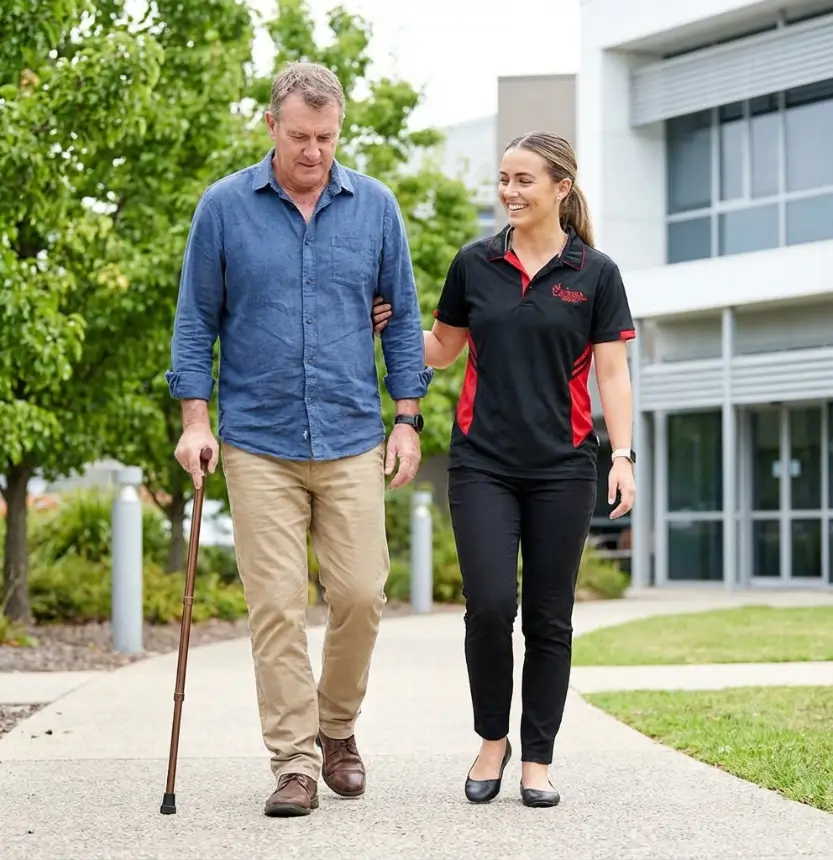
Your Changing Needs
Life changes between plans. Talk about any new needs, such as different equipment, more therapy, or extra daily support. Recent reports help you explain these needs clearly and back them with evidence.


NDIS Funding Guide for Participants and Families
An NDIS plan review is your chance to check that your funding still fits your life. This guide walks you through the NDIS plan review process in plain language. You will learn when a review happens, how to prepare, and what evidence to bring. We also explain how allied health reports can support your case.

Understanding Plan Reviews and Reassessments
An NDIS plan review, now often called a plan reassessment, is a check of your current funding before your plan ends. The NDIA looks at the supports you used, whether your goals have changed, and whether your funding still matches your needs. It is a friendly check, not a test. Your plan can stay the same, get adjusted, or change in bigger ways based on your situation.
A little preparation makes a big difference to your NDIS plan review. Follow these three steps to feel ready for your reassessment meeting:

Think about the goals in your current plan. Note what you achieved and what worked well. Write down any new goals or life changes, such as starting work, leaving school, or moving home. This helps the planner understand what you need next.
Gather assessments and progress reports from your therapists and support workers. These reports show how your supports are helping you. They can also recommend supports you may need in the future. An occupational therapy or speech pathology report adds strong, qualified evidence to your case.
Decide how you want to meet. You can meet face to face, over the phone, or by video call. Choose who you want with you, such as a family member, friend, or support coordinator. Have your notes and reports ready so you can speak with confidence.
Key Topics for Your Reassessment
Four topics come up in almost every NDIS plan review. Knowing them ahead of time helps you prepare clear answers and ask for the right supports.
Life changes between plans. Talk about any new needs, such as different equipment, more therapy, or extra daily support. Recent reports help you explain these needs clearly and back them with evidence.
At your NDIS plan review, the planner will ask how your current supports have gone. Share what helped you work towards your goals. Be honest about what did not work so your next plan can be a better fit.
You can ask for changes to your funding at the NDIS plan review. If your circumstances shift between plans, you can also request a reassessment at any time. If you disagree with a decision, you can ask for an internal review of that decision. There is a set timeframe to request one, so it helps to act promptly.
Your plan should reflect where you want to go. Describe your goals for the next year or two. These might cover independence, work, study, health, or community life. Clear goals guide the funding you receive at your NDIS plan review.
An NDIS plan review can feel stressful, but it does not have to be. With a little planning and the right evidence, you can walk into your reassessment meeting feeling calm and prepared. The goal is simple. You want your funding to match your real life and your goals for the future. This guide brings together the main steps so you know what to expect from the NDIS plan review process and how to get ready. For official information, you can also visit the National Disability Insurance Scheme.
It helps to start early. Your planner will usually contact you before your plan ends to arrange a check-in. It helps to begin preparing once you know your review is coming. Use that time to gather your notes, list any changes, and book the assessments you need. The more organised you are, the easier the meeting feels on the day.
Strong evidence is the part that worries most people. This is where qualified allied health reports help. A funding NDIS occupational therapy assessment can show how you manage daily tasks and what supports help you stay independent. A funding NDIS speech pathology report can document communication or swallowing needs. These reports give the planner clear, professional evidence to consider at your NDIS plan review.
The right report depends on your needs and your goals. Some people need a functional capacity picture of their daily living. Others moving home from a care setting may benefit from an hospital to home assessment. Older participants may need an aged care assessment to plan safe support. A current report carries more weight than an old one, so it is worth arranging your assessment in good time. Our clinicians explain which report suits your situation before any work begins.
If you disagree with a funding decision, you have the right to ask for a review. You can request an internal review through the NDIS within the set timeframe, so it helps to act promptly. A clear, current allied health report from your NDIS plan review can support your request with qualified evidence.
ASTRAD provides mobile, in-home allied health services across Queensland, New South Wales, Victoria and Tasmania. We work with NDIS participants (plan-managed and self-managed). Our occupational therapists are AHPRA-registered and our speech pathologists are certified by Speech Pathology Australia. We write clear, evidence-based reports that planners can read with confidence. You can meet our team to see the people behind your report. To book an assessment for your plan review, call (07) 3477 9366 today.
Written for Astrad Allied Health and reviewed by our AHPRA-registered occupational therapists and Speech Pathology Australia certified speech pathologists. Meet our team.
This guide is general information, not NDIS or financial advice. Eligibility and funding are decided by the NDIA.
Last updated: June 2026.
An NDIS plan review, now often called a plan reassessment, is a check of your funding before your current plan ends. The NDIA looks at the supports you used and whether your goals have changed. It then decides if your funding still suits your needs. Your plan may stay the same, get small adjustments, or change in larger ways. It is a supportive process, not a test of how you are doing.
Most plan reviews are scheduled before your plan ends. The NDIA usually contacts you for a check-in in the months before your plan end date. Plans can run for up to three years, so the timing depends on your plan length. You can also request a review at any time if your situation changes. Starting your preparation early gives you time to gather reports and notes.
Good preparation has three parts. First, reflect on your goals and note what worked and what changed. Second, collect reports and records from your therapists and support workers. Third, plan how you want to meet and who you want with you. Having clear notes and current evidence helps you explain your needs. It also helps you ask for the right supports with confidence.
Bring assessments and progress reports that show how your supports help you. Reports from an occupational therapist or speech pathologist add strong, qualified evidence. These can describe how you manage daily tasks, communication, or swallowing. They can also recommend supports you may need in future. Quotes for new equipment or services can help too. Current, clear evidence makes your case much easier to follow.
Yes. You can invite a family member, friend, or support coordinator to your meeting. A support person can help you feel calm and remember the points you want to raise. You can choose to meet face to face, over the phone, or by video call. Pick the option that feels most comfortable for you. Having support on the day often makes the meeting feel easier.
If you do not agree with a decision, you can ask the NDIA for an internal review. You generally need to request this within the timeframe set by the NDIA (check the current limit on the NDIS website at ndis.gov.au). It helps to include any extra evidence, such as a new therapy report, that supports your request. A clear explanation of your needs strengthens your case.

Our occupational therapists and speech pathologists can assess your needs and write a clear report for your reassessment. We come to you at home or in your community. Book an appointment today to give your plan review the evidence it needs.
Supporting Positive Change