


Occupational Therapy Sensory Assessment
Sensory Profile Assessment for Children
A sensory profile assessment helps you understand your child. It shows how they take in and respond to the world. Our AHPRA-registered occupational therapists use validated sensory questionnaires. They also watch your child play. This maps your child's sensory patterns. We then share useful tips for home, school and the local area. We offer this assessment in your home, your child's school or the community. We work across Queensland, New South Wales, Victoria and Tasmania.
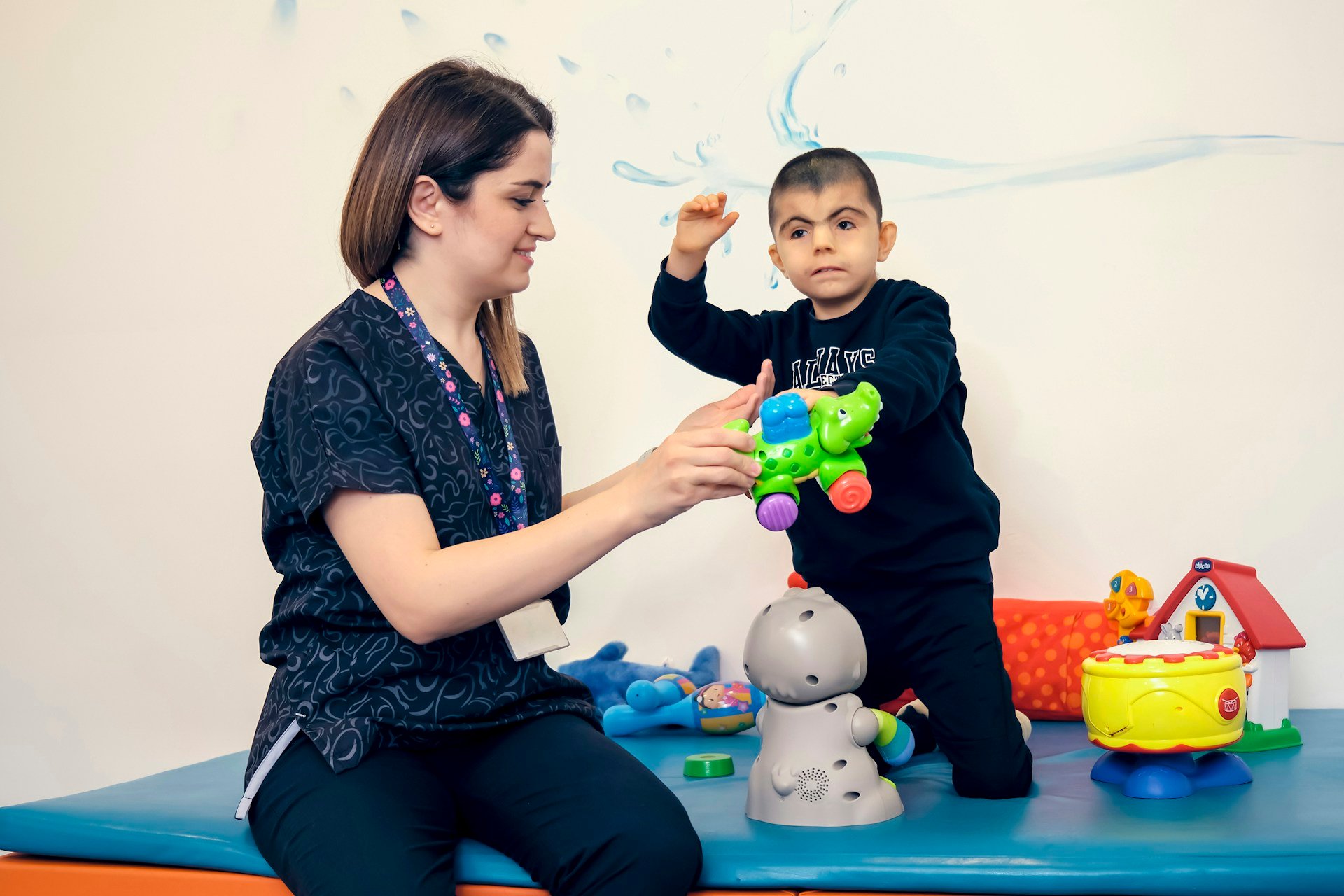
What a Sensory Profile Assessment Can Help With
Every child takes in sight, sound, touch, taste, smell and movement in their own way. A sensory profile assessment looks at how these differences affect daily routines. Our occupational therapists spot sensory seeking and sensory avoiding patterns. We then build a clear picture you can act on at home and school.

Standardised Sensory Questionnaires

Play-Based Observation

Home And School Strategies
Parent Coaching And Support

Occupational Therapy Led
About Our Sensory Profile Assessment
A sensory profile assessment sits within occupational therapy. Our AHPRA-registered occupational therapists run it. We gather details about how your child responds to things they sense each day. This starts with a clear history. Parents and teachers then complete validated sensory questionnaires. Our therapist also watches your child during familiar activities. The aim is to understand your child's needs, not to label them. We explain what the patterns mean in plain words. You get useful tips that may help your child join in more easily each day. The assessment can take place in your home, your child's school or the community. You choose what feels most natural for your child.
About UsOur Services
Astrad Allied Health offers a comprehensive range of services, including:
Mobile Occupational Therapy
Registered occupational therapists providing support for daily living skills, independence and participation in work, school and community activities.

Mobility Equipment Assessment
Assessment and recommendations for mobility equipment and assistive technology to support participation in daily activities across your environment.

Speech Pathology Services
Registered speech pathologists helping with communication, swallowing and language development across Queensland, NSW, Victoria and Tasmania.
Home Assessment & Modifications
Professional home evaluations identifying modifications and equipment recommendations to improve safety, accessibility and independence.

Assistive Technology Assessment
Recommendations for assistive technology solutions like communication devices, computer access & adaptive equipment to support daily participation.

Comprehensive Therapy
Complete allied health support including ongoing therapy sessions, rehabilitation programs and personalised interventions to address all your therapy needs.

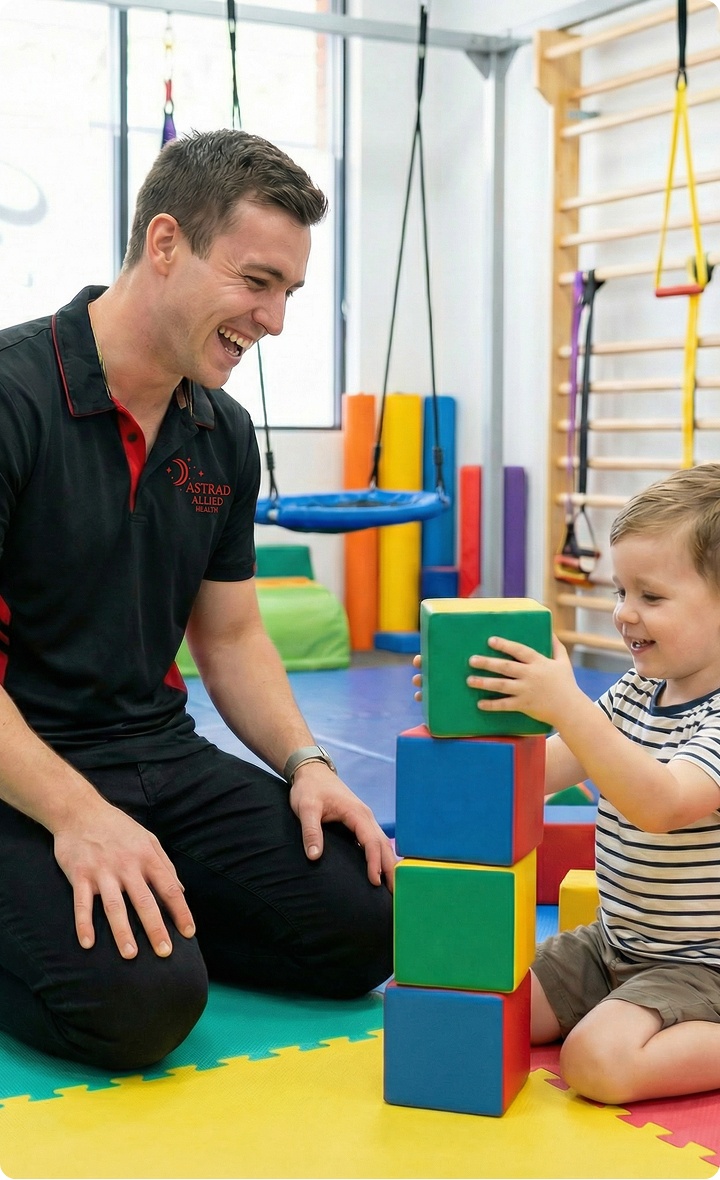
The Astrad Difference
Why Families Choose Astrad
Detailed Developmental History
We start by listening. Our occupational therapist asks about your child's development, daily routines and how they respond to sensory experiences like noise, textures and movement.
Standardised Sensory Profile Questionnaires
We use validated sensory profile questionnaires. Parents, carers and teachers complete them. These tools show how your child takes in sensory input. They cover home, school and the community.
Gentle Play-Based Observation
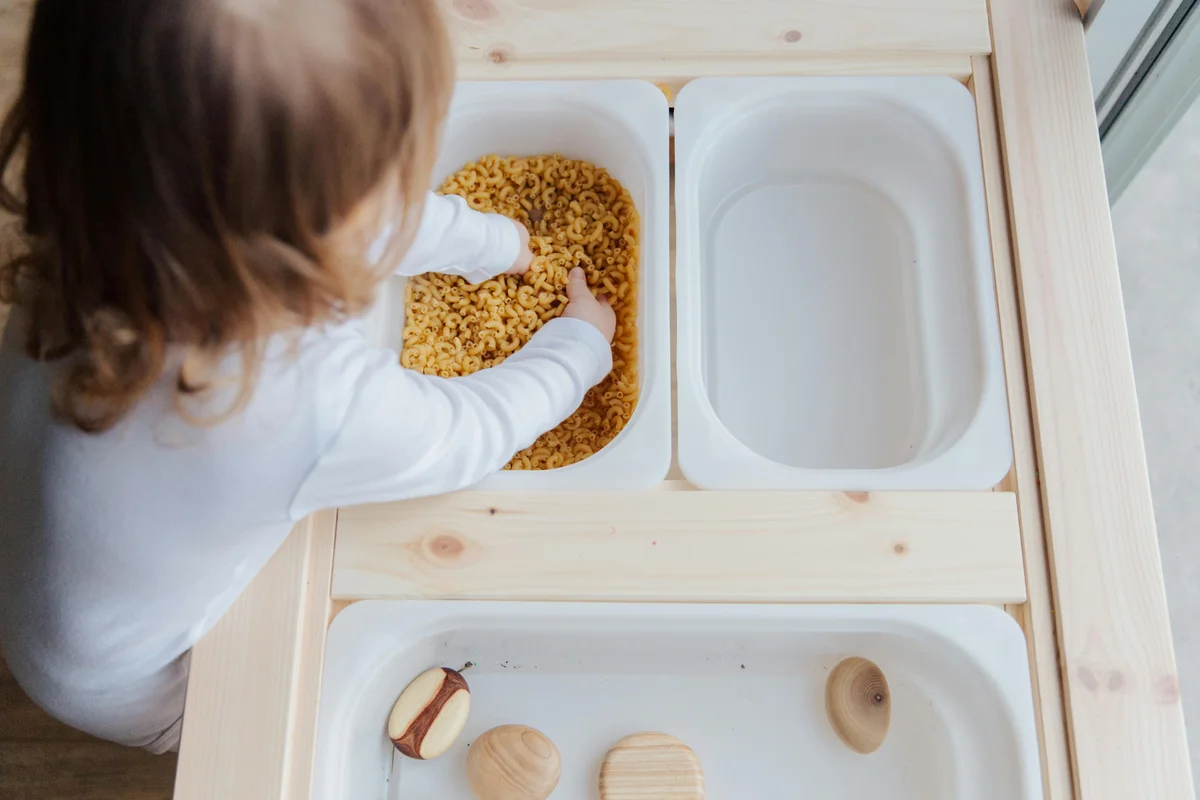
During the sensory profile assessment, our occupational therapist watches your child during familiar play. This part looks at movement. It also shows how your child reacts to what they sense.
NDIS, Aged Care And Private Clients
We support NDIS participants, aged care clients and private clients. Our team can help you make sense of funding. We can also show how a sensory profile assessment may fit your plan.
Clear, Practical Recommendations
Your sensory profile assessment ends with plain-language findings. You also get a set of sensory strategies for your child's needs. These may help with mealtimes, dressing, sleep, classroom focus and play.
Identifying Sensory Patterns
We spot sensory seeking and sensory avoiding patterns. We also note areas of sensitivity. This helps explain behaviours that can confuse families. Examples include covering ears or constant movement.
A sensory profile assessment is an occupational therapy assessment. It helps families understand how a child takes in sensory information. This includes touch, sound, movement, taste and smell. Some children seek out extra sensory input. Others find certain input overwhelming. A sensory profile assessment maps these patterns. It gives you a clear picture of your child’s sensory needs. It also shows how those needs shape daily life. You can read more about child health and development through Healthdirect. At Astrad, this assessment is delivered by AHPRA-registered occupational therapists. We work across Queensland, New South Wales, Victoria and Tasmania.
What Happens During a Sensory Profile Assessment
Your therapist starts with a detailed history. This covers how your child has grown. It also covers what their days look like. We then use validated sensory forms. Parents, carers and teachers fill these in. The forms show how your child responds at home, school and out and about. Next, our therapist watches your child during familiar play and daily tasks. This gentle approach means many children just enjoy the session. From there, we identify sensory seeking, sensory avoiding and sensitivity patterns. A full written report and tailored tips usually follow in a few weeks. A sensory profile assessment can inform support for children with sensory differences. It does not diagnose autism or any condition.
Signs Your Child May Benefit From a Sensory Profile Assessment
Many parents notice patterns before they have a name for them. Your child may cover their ears at everyday sounds. They may avoid certain textures, foods or clothing. Some children seem to crave movement, spinning or deep pressure. Others find busy places too much to cope with. These can all be signs of possible sensory processing difficulties. A sensory profile assessment can help you understand what is happening. It turns these patterns into a clear picture. It can also guide help with related areas. These include global developmental delay and motor challenges like dyspraxia.
Practical Support After Your Assessment
The true value of a sensory profile assessment is what comes next. Our occupational therapists turn the findings into simple, useful tips. These may help with mealtimes, dressing, sleep, play and classroom focus. We also coach parents. We can share tips with teachers and carers. Occupational therapy is a regulated profession with qualified, registered practitioners. Does your child have an NDIS plan? You can learn more about disability support through the NDIS. We work with NDIS participants and can help you see how this assessment may fit. Learn more about NDIS occupational therapy funding. You can also explore our AAC assessment if communication is a concern. Our team is ready to support your family at home, at school and in the community.
Written for Astrad Allied Health and reviewed by our AHPRA-registered occupational therapists. Meet our team.
A sensory profile assessment informs support strategies. It does not diagnose a condition, and individual needs vary. This page is general information and is not a substitute for personalised clinical advice.
Last updated: June 2026.
Speak With Our Team
Questions About A Sensory Profile Assessment? We Are Here To Help
Call (07) 3477 9366AHPRA-Registered Occupational Therapists
Qualified occupational therapists deliver your sensory profile assessment. They are registered with AHPRA. You can feel confident your child is in experienced hands.
Practical Strategies You Can Use
You leave with clear sensory strategies for everyday life. We focus on simple changes. These may help your child at home, at school and in the community.
Family-Centred And Respectful
We work alongside you. We listen to your knowledge of your child. Our occupational therapists use person-first, respectful language at every step.
Assessments Where Your Child Feels Comfortable
We come to your home, your child's school or the community. Familiar settings help your child relax. This gives a clearer picture of what they need.

Meet the People Behind Your Care
Our team is passionate about helping you achieve your goals through personalised, evidence-based care.
Meet Our TeamOur Team







Book An Appointment
Our response time is impressive

Book A Sensory Profile Assessment Today
Take the first step with a sensory profile assessment. Our occupational therapists bring it to your home, school or community setting.
Frequently Asked Questions
What is a sensory profile assessment?
A sensory profile assessment is an occupational therapy assessment. It looks at how your child takes in and responds to sensory information, such as sound, touch, movement, taste and smell. Our AHPRA-registered occupational therapists use standardised questionnaires and gentle observation to map your child’s sensory patterns. The aim is to understand your child’s sensory needs. You then receive practical strategies that may help with daily routines at home, at school and in the community.
Who delivers the sensory processing assessment?
Your sensory processing assessment is delivered by an occupational therapist registered with AHPRA. Sensory processing is part of occupational therapy scope of practice. Our occupational therapists are experienced in working with children who have sensory differences. They use a calm, play-based approach so your child feels comfortable. We also listen carefully to your knowledge of your child, because your insights help us build an accurate picture of their sensory needs.
How do I know if my child needs a sensory assessment?
Many parents notice patterns first. Your child may cover their ears at everyday sounds. They may avoid certain textures, foods or clothing. Some children crave movement, spinning or deep pressure. Others find busy places overwhelming. These can be signs of sensory processing differences. A sensory profile assessment can help you understand what is happening. It can also guide simple strategies to support your child in daily life.
What happens during the assessment?
We start with a detailed history of your child’s development and routines. We then use standardised sensory profile questionnaires, completed by parents, carers and teachers. Our occupational therapist also observes your child during familiar play and daily tasks. Many children simply enjoy the session. From there, we identify sensory seeking, avoiding and sensitivity patterns. A written report and tailored recommendations usually follow within a few weeks.
Where can the assessment take place?
We deliver assessments where your child feels most comfortable. This can be your home, your child’s school, or a community setting. Familiar surroundings help your child relax. A relaxed child gives a more accurate picture of their sensory needs. Our mobile occupational therapists work across Queensland, New South Wales, Victoria and Tasmania. Contact our team to arrange a time and place that suits your family.
Is a sensory profile assessment covered by the NDIS?
A sensory profile assessment may be funded through an NDIS plan. Funding depends on your plan goals and category. Our team can help you understand how this occupational therapy sensory assessment may fit your situation. We support NDIS participants, aged care clients and private clients. If you are unsure about funding, please contact our team. We are happy to talk through your options before you book.