

GDD Occupational Therapy Across Australia
Occupational Therapy for Global Developmental Delay
Supporting children with global developmental delay through evidence-based occupational therapy. Our registered OTs deliver mobile therapy to your home, school, or community across QLD, NSW, VIC, and TAS.
How GDD Occupational Therapy Supports Your Child
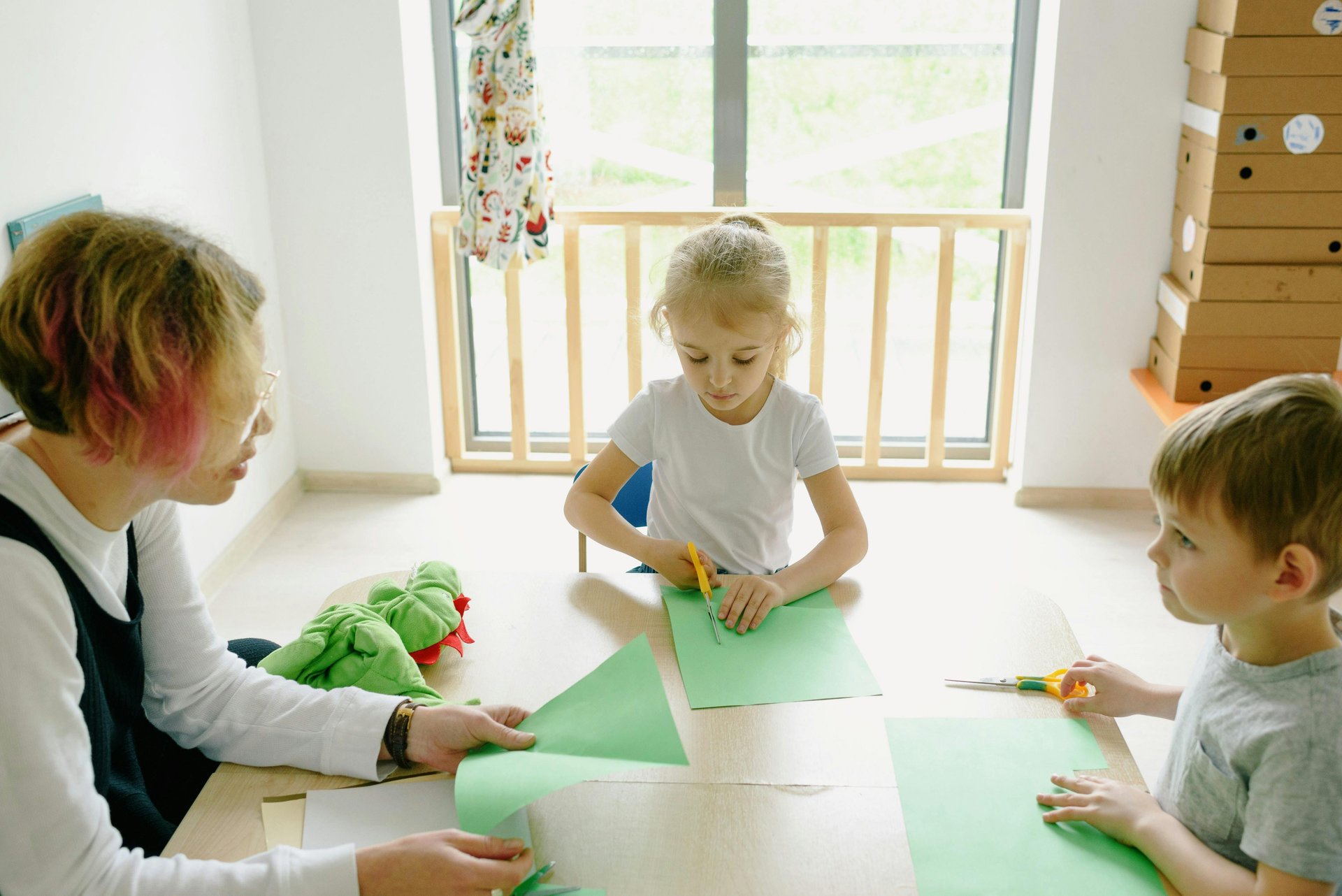
Global developmental delay (GDD) affects children under five who experience significant delays in two or more developmental domains. Our occupational therapists use play-based, sensory, and task-focused strategies to help your child build the skills they need for everyday life.
NDIS-Funded Support
Mobile Therapy Services
Family-Centred Approach
What We Focus On in GDD Occupational Therapy
Fine & Gross Motor Skills
We help children develop coordination, balance, hand strength, and movement patterns through structured play activities and therapeutic exercises tailored to their developmental level.
Sensory Processing
Many children with GDD experience sensory sensitivities or seek extra sensory input. Our OTs design sensory strategies that help your child regulate, focus, and engage with their environment.
Self-Care Independence
From dressing and feeding to toileting and hygiene, we break down daily living tasks into achievable steps, building your child's confidence and independence over time.
Play & Social Skills
Play is essential for learning. We use guided play to develop problem-solving, turn-taking, and social interaction skills that support your child's participation at home, childcare, and in the community.
Why Choose Astrad for GDD Occupational Therapy
The Astrad Difference
Every child with global developmental delay presents differently. Our OTs conduct thorough assessments to understand your child's strengths and challenges, then create a tailored therapy plan targeting their specific developmental goals.
We deliver GDD occupational therapy in the settings where your child lives, learns, and plays. Home-based and school-based therapy allows us to address challenges in context, leading to more meaningful and lasting progress.
Children with GDD often benefit from coordinated care across disciplines. Our team collaborates with speech pathologists, paediatricians, and educators to provide integrated support that addresses all areas of your child's development.
GDD occupational therapy is commonly funded through the NDIS. Our team helps you understand your plan, maximise your funding, and access the therapy hours your child needs to make progress.
We deliver evidence-based therapy that is grounded in current research and current clinical guidelines. Our approach is guided by your goals and reviewed regularly to ensure ongoing relevance and effectiveness.
Our occupational therapists are registered with experience supporting children with global developmental delay across a range of ages and presentations. You receive care from professionals committed to your child's progress.
How GDD Occupational Therapy Works
Our three-step process ensures your child receives the right support from the very first session:

- 1
Initial Assessment
We meet with you and your child to assess their developmental skills across motor, sensory, self-care, and play domains. We also discuss your priorities and goals as a family.
- 2
Tailored Therapy Program
Based on the assessment, we design a therapy program targeting your child's specific areas of delay. Sessions are delivered in your home, school, or community using play-based and functional strategies.
- 3
Progress Reviews & Goal Updates
We regularly review your child's progress, adjust therapy goals, and provide detailed reports for NDIS plan reviews, paediatricians, and other members of your child's care team.
GDD Therapy Areas
Developmental Domains We Address
GDD occupational therapy targets delays across multiple developmental areas, helping your child build skills for everyday participation.
Motor Development
We address delays in both fine motor skills (hand strength, pencil grip, cutting) and gross motor skills (balance, coordination, climbing) through structured, age-appropriate activities.
Cognitive & Adaptive Skills
Our OTs support your child's ability to follow instructions, solve problems, and complete multi-step tasks, building the adaptive skills needed for learning and daily routines.
Sensory & Self-Regulation
We help children who struggle with sensory overload, meltdowns, or difficulty focusing by developing personalised sensory diets and regulation strategies they can use at home and school.
Understanding Global Developmental Delay and Occupational Therapy
Global developmental delay (GDD) is diagnosed when a child under five shows significant delays in two or more areas of development, including motor skills, speech, cognition, social-emotional development, and daily living activities. GDD occupational therapy provides targeted, evidence-based support to help children build the foundational skills they need for everyday life.
At Astrad Allied Health, our registered occupational therapists work with children who have a GDD diagnosis. We deliver mobile therapy across Queensland, New South Wales, Victoria, and Tasmania, bringing professional support directly to your child’s home, school, or community setting.
What Is Global Developmental Delay?
GDD is diagnosed when a child demonstrates delays significantly below age expectations in at least two developmental domains. Unlike a specific developmental delay affecting one area, GDD impacts multiple areas simultaneously, making coordinated intervention essential.
The five key developmental domains affected by GDD include:
- Gross motor skills: sitting, crawling, walking, running, and balance
- Fine motor skills: grasping, hand strength, pencil grip, and manipulating small objects
- Speech and language: understanding words, forming sentences, and communicating needs
- Cognitive skills: problem-solving, memory, attention, and following instructions
- Social and adaptive skills: play, self-care tasks, and interacting with others
Early identification and intervention are critical for improving long-term outcomes for children with developmental concerns.
How GDD Occupational Therapy Helps Your Child
GDD occupational therapy focuses on building the functional skills your child needs to engage in daily activities, learning, and play. Our occupational therapists assess your child’s strengths and areas of delay, then design a personalised therapy programme targeting their specific needs.
Fine and Gross Motor Development
Our OTs use structured play, therapeutic exercises, and activity-based strategies to build coordination, balance, hand strength, and movement patterns. We tailor our approach to your child’s developmental stage, whether they need support with crawling, walking, or holding a pencil.
Sensory Processing and Regulation
Many children with GDD experience sensory processing difficulties. Our occupational therapists develop sensory strategies and sensory diets that help your child regulate their responses, stay calm, and focus during daily activities.
Self-Care and Daily Living Skills
We work with your child on dressing, feeding, toileting, and hygiene tasks, breaking them into manageable steps using visual supports and adaptive techniques to build confidence and competence.
Play Skills and Social Participation
Our therapists use guided play-based interventions to develop problem-solving, turn-taking, and social interaction skills that support participation at home, childcare, and in the community.
GDD Occupational Therapy and Related Conditions
Global developmental delay often co-occurs with other conditions. Our occupational therapists support children whose GDD is associated with:
- Autism spectrum disorder (ASD)
- Down syndrome
- Cerebral palsy
- Genetic conditions and chromosomal differences
- Prematurity and low birth weight
When GDD presents alongside these conditions, our therapists coordinate with your child’s broader care team to deliver integrated, holistic support.
Why Early GDD Occupational Therapy Matters
The early years are a critical window for brain development. Research consistently shows that early intervention leads to better outcomes in motor skills, communication, learning readiness, and social participation. Starting GDD occupational therapy as early as possible gives your child the opportunity to build foundational skills during this important developmental period.
Our mobile therapy model means we can begin working with your child quickly, without the added stress of clinic waiting rooms or travel. We come to the environment where your child is most comfortable.
NDIS Funding for GDD Occupational Therapy
GDD occupational therapy is commonly funded through the National Disability Insurance Scheme (NDIS), typically under the Capacity Building: Improved Daily Living category. Our team can help you understand your plan, use your funding effectively, and prepare documentation for plan reviews.
We also support families accessing services through private health insurance, Medicare (with a GP referral and chronic disease management plan), and self-funded arrangements. Contact us on (07) 3477 9366 to discuss your options.
Book a GDD Occupational Therapy Assessment
If your child has been diagnosed with global developmental delay, or if you have concerns about their development, our occupational therapists can help. We provide thorough assessments, personalised therapy programmes, and ongoing support for families across Queensland, New South Wales, Victoria, and Tasmania. Call (07) 3477 9366 or book online to get started.
Frequently Asked Questions
What is global developmental delay (GDD)?
Global developmental delay is a diagnosis given to children under five who show significant delays in two or more developmental domains, including motor skills, speech and language, cognitive abilities, social skills, and daily living activities. GDD is different from a specific developmental delay, which affects only one area of development.
How does occupational therapy help children with GDD?
GDD occupational therapy targets the functional skills your child needs for everyday life. Our OTs work on fine and gross motor development, sensory processing, self-care independence (dressing, feeding, toileting), play skills, and social participation. Therapy is tailored to your child’s specific areas of delay and delivered through play-based, evidence-based strategies.
Is GDD occupational therapy funded by the NDIS?
Yes. GDD occupational therapy is commonly funded through the NDIS under the Capacity Building: Improved Daily Living category. Our team can help you understand your NDIS plan, maximise your funding allocation, and prepare reports for plan reviews. We also support families accessing services through private health insurance and self-funded arrangements.
What age should my child start GDD occupational therapy?
Early intervention is most effective during the first five years of life when the brain is developing rapidly. If your child has received a GDD diagnosis, or if you have concerns about delays in multiple developmental areas, starting occupational therapy as early as possible gives them the best opportunity to build foundational skills.
Where does Astrad deliver GDD occupational therapy?
Our AHPRA-registered occupational therapists deliver mobile GDD therapy across Queensland, New South Wales, Victoria, and Tasmania. We come to your child’s home, school, childcare centre, or community setting, so therapy takes place in the environment where your child is most comfortable and where skills can be practised in context.
What is the difference between developmental delay and global developmental delay?
A developmental delay refers to a delay in one specific area of development, such as speech or motor skills. Global developmental delay means your child has significant delays in two or more developmental domains simultaneously. Because GDD affects multiple areas, a coordinated, multidisciplinary approach to therapy is often recommended.
Start Your Child's GDD Occupational Therapy
Our registered occupational therapists deliver mobile GDD therapy across QLD, NSW, VIC, and TAS. Contact us today to book an assessment and take the first step towards supporting your child’s development.
Our Services
Astrad Allied Health offers a comprehensive range of services, including:
Mobile Occupational Therapy
Registered occupational therapists providing support for daily living skills, independence and participation in work, school and community activities.
Mobility Equipment Assessment
Assessment and recommendations for mobility equipment and assistive technology to support participation in daily activities across your environment.
Speech Pathology Services
Registered speech pathologists helping with communication, swallowing and language development across Queensland, NSW, Victoria and Tasmania.
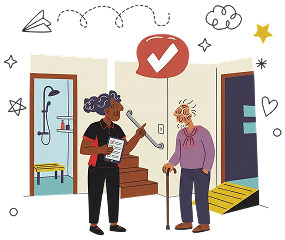
Home Assessment & Modifications
Professional home evaluations identifying modifications and equipment recommendations to improve safety, accessibility and independence.
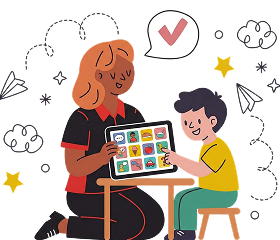
Assistive Technology Assessment
Recommendations for assistive technology solutions like communication devices, computer access & adaptive equipment to support daily participation.
Comprehensive Therapy
Complete allied health support including ongoing therapy sessions, rehabilitation programs and personalised interventions to address all your therapy needs.