
Mobile Speech Pathology for Adults
Speech Therapy for Adults
Our speech pathologists visit adults at home across Queensland, New South Wales, Victoria and Tasmania. They help when talking, voice or swallowing has changed. Maybe since a stroke, the word you want just won't come.

How Our Speech Pathologists Work With Adults
Our speech pathologists are certified with Speech Pathology Australia. They work with adults on talking, understanding, voice and swallowing, in the places where you use those skills every day.

SPA-Certified Team
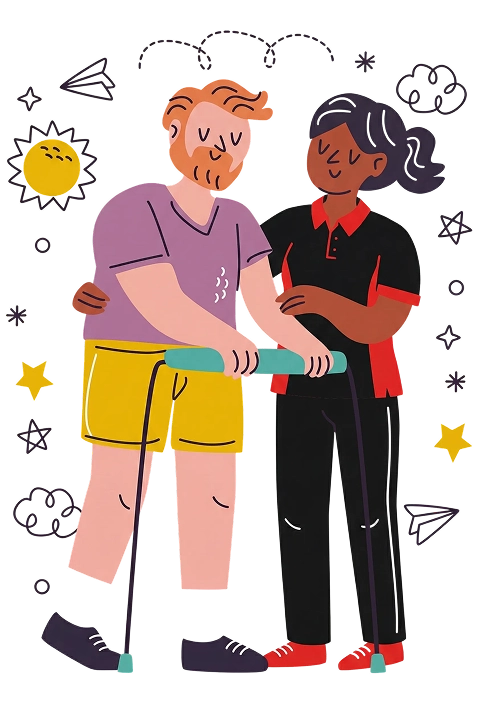
We Come to You
Family Can Join In
4 States Covered

Why Home Visits Help
Adult Speech Therapy Where You Live
Speech and swallowing can change for many reasons in adult life. A stroke, a brain injury, Parkinson's disease or dementia can all play a part. So can a stutter that has been there since childhood. Our speech pathologists travel to your home, workplace or a community setting, so therapy happens where you talk and eat each day. We see self-managed and plan-managed NDIS participants, older people with aged care support and private clients.
About UsOur Services
Astrad Allied Health offers a comprehensive range of services, including:
Mobile Occupational Therapy
Registered occupational therapists providing support for daily living skills, independence and participation in work, school and community activities.

Mobility Equipment Assessment
Assessment and recommendations for mobility equipment and assistive technology to support participation in daily activities across your environment.
Speech Pathology Services
Registered speech pathologists helping with communication, swallowing and language development across Queensland, NSW, Victoria and Tasmania.

Home Assessment & Modifications
Professional home evaluations identifying modifications and equipment recommendations to improve safety, accessibility and independence.
Assistive Technology Assessment
Recommendations for assistive technology solutions like communication devices, computer access & adaptive equipment to support daily participation.

Comprehensive Therapy
Complete allied health support including ongoing therapy sessions, rehabilitation programs and personalised interventions to address all your therapy needs.


Speech Therapy Close to Home
Mobile Speech Pathology
Stroke and Aphasia
After a stroke, words can go missing or come out wrong. We work on understanding, finding words, reading and writing, with strategies your family can use too.
Clearer Speech
When the muscles used for talking weaken, speech can sound slurred or quiet. Exercises for breath support and clear speech aim to help others understand you.
Swallowing Safety
We assess eating and drinking at home, with your usual food and cups. Then we suggest practical steps that aim to make meals safer and more comfortable.
Voice Changes
Voice disorders, including vocal nodules, can leave your voice hoarse, weak or tired. Therapy looks at voice care and healthier habits for work and daily talking.
Dementia Support
Memory and language change with dementia. We support everyday conversation, coach carers in helpful strategies and check swallowing, at home or in an aged care residence.
Stuttering
A stutter can make phone calls, meetings or ordering a coffee feel hard. Adults can work on smoother speech, managing stutters and feeling confident when it counts.
Reviewed by Team Astrad, October 2026.
At a glance:
- Our speech pathologists visit adults at home, at work or in an aged care residence.
- We cover Queensland, New South Wales, Victoria and Tasmania.
- Common areas include aphasia, dysarthria, swallowing, stuttering, voice and communication with dementia.
- Our speech pathologists are certified with Speech Pathology Australia.
- We support self-managed and plan-managed NDIS participants, plus aged care and private clients.
What Is Speech Therapy for Adults?
Speech therapy for adults looks at more than speech sounds. It covers how you understand what others say, how you find and use words, and how your voice sounds. It also covers swallowing, which speech pathologists assess and treat as part of their work.
Our speech pathologists often work with adults on:
- Aphasia, when words go missing or are hard to understand after a stroke or brain injury
- Dysarthria, when weak muscles make speech slurred or quiet
- Swallowing (dysphagia), when eating or drinking feels hard or unsafe
- Stuttering, including a stutter you’ve had since childhood
- Voice changes, such as a hoarse, weak or tired voice
- Communication with dementia, for you and the people around you
Some adults come to us after a sudden change, like a stroke or a brain injury. Others notice a slow change with Parkinson’s disease or dementia. Some have lived with a stutter or a tired voice for years and decide it’s time to work on it. Speech Pathology Australia points to ABS survey data from 2015. That survey found about 1.2 million Australians have some level of communication disability.
Speech Therapy After a Stroke
A stroke can change the way you talk overnight. Some people lose words they used every day. Others can think clearly but find it hard to move their lips and tongue to make the sounds. Some find it harder to follow what others say, or to read and write.
Our speech pathologists work on aphasia, dysarthria and the thinking skills behind conversation. They also coach family members, so practice can carry on between visits. You can read more about our speech therapy for stroke recovery, including the types of change a stroke can cause.
Swallowing and Mealtimes at Home
Swallowing problems can make meals tiring or unsafe. Coughing while eating, food that sticks or a wet-sounding voice after drinking can all be worth checking.
A home visit lets your speech pathologist watch a usual meal at your own table. They can see the cups, chairs and foods you use each day. Their suggestions can then fit your kitchen, rather than a clinic room.
Support for Progressive Conditions
Conditions such as Parkinson’s disease and dementia can change speech, language and swallowing over time. Speech therapy aims to keep conversation going for as long as possible, and to keep meals as safe as possible.
With dementia, a lot of the work is with the people around you. We show partners and carers simple ways to make talking easier, such as shorter questions and fewer distractions. We can visit you at home or in an aged care residence.
Where Our Speech Pathologists Visit
We offer adult speech therapy in QLD, NSW, VIC and TAS. We have no walk-in clinic, so in-person sessions happen somewhere you already spend time. That might be your lounge room, your office, or a hospital or rehabilitation setting.
If you live in or around Brisbane, read about our mobile speech therapy for adults in Brisbane. In other areas, contact us with your suburb and we’ll tell you how visits can work where you live.
How Long Does Adult Speech Therapy Take?
There’s no set length for adult speech therapy. It depends on your goals and the condition behind the change. A sudden change, such as a stroke, may need different support from a slow change, such as Parkinson’s disease. Practice between visits matters too. Your speech pathologist will talk this through after the first assessment.
Paying for Adult Speech Pathology
Many adults under 65 with a disability use NDIS funding for speech pathology. We support self-managed and plan-managed NDIS participants. The NDIA decides what your plan covers.
We also see older people who receive aged care support, and private clients who pay for their own sessions.
How Family and Carers Can Help
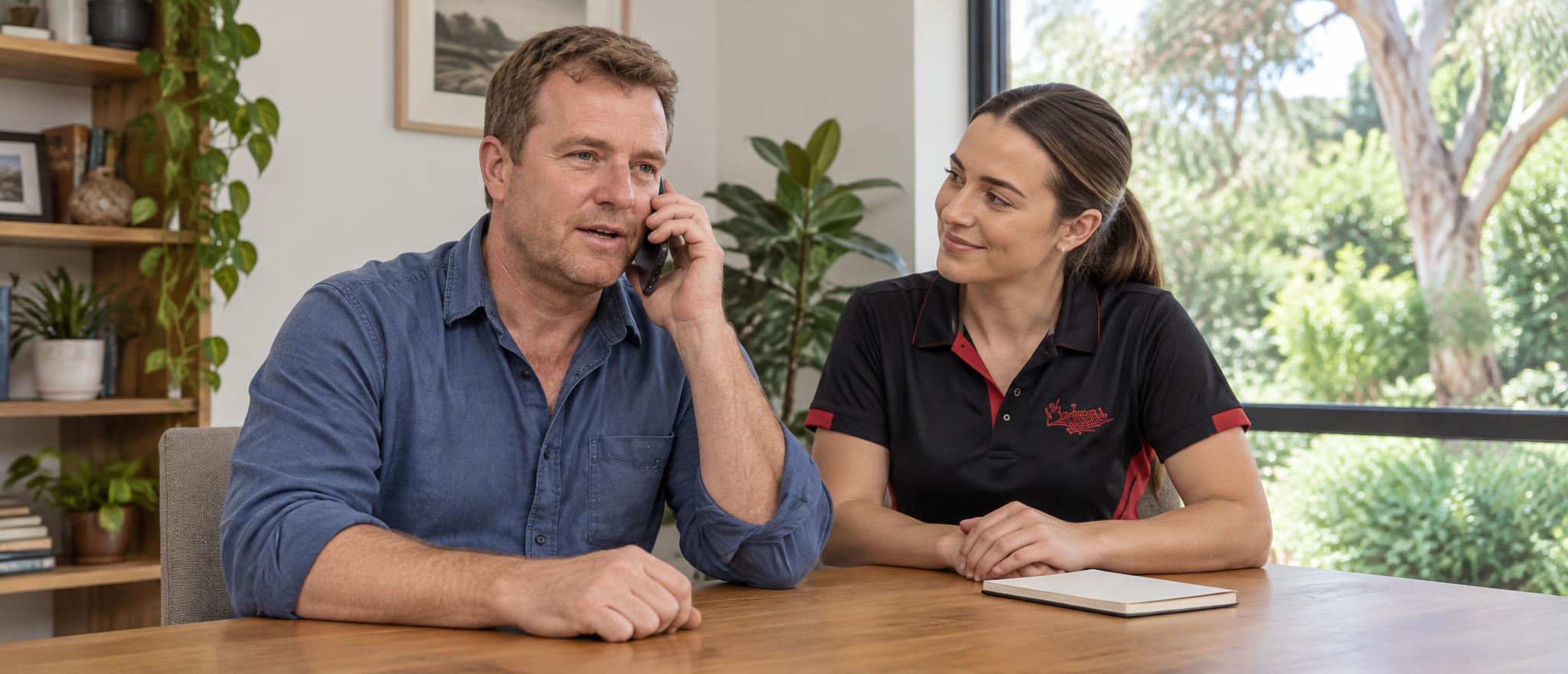
Family often notices the first signs, and family usually does most of the talking at home. That’s why we invite partners, adult children and carers to join sessions when you’re happy for them to.
They learn what helps and what gets in the way. Small changes, like giving more time to answer, can make a difference to everyday conversation. Progress looks different for each person, and individual results vary.
How It Works
Your First Steps With Adult Speech Therapy
Call (07) 3477 9366Tell Us What Changed
Call or message us about the changes you or your family have noticed. We'll ask where you live and who else should be part of the plan.
Assessment at Home
Your speech pathologist visits and assesses talking, understanding, voice or swallowing, depending on your needs. Family members are welcome to sit in.
Goals for Daily Life
Together you set goals that matter day to day, such as phone calls, dinner-table conversation or safer meals. Then you agree on a therapy plan.
Review and Adjust
Therapy can continue at home over time. Your speech pathologist reviews progress with you and changes the plan as your needs shift.

Meet the People Behind Your Care
Our team is passionate about helping you achieve your goals through personalised, evidence-based care.
Meet Our TeamOur Team





Book An Appointment
Our response time is impressive

Start Speech Therapy for Adults
Tell us what has changed and where you live. We’ll explain the next steps and book a first visit at a place that suits you.
Common Questions About Speech Therapy for Adults
What does speech therapy for adults help with?
Speech therapy for adults can help with talking, understanding, reading, writing, voice and swallowing. Our speech pathologists see adults after a stroke or brain injury, and people living with Parkinson’s disease or dementia. They also work with adults who stutter and people whose voice has become hoarse or tired. Each plan starts with an assessment and the goals that matter to you.
Is it too late to start speech therapy as an adult?
Many adults start speech therapy long after a stroke, or after years of living with a stutter. Your goals may look different at different stages. An assessment can show what might help now, whether that’s new strategies, practice at home or support for your family. Progress varies from person to person, so your speech pathologist will talk through what to expect.
Can family members take part in sessions?
Yes, when you’re happy for them to. Partners, adult children and carers are welcome to join home visits. They can learn ways to make conversation easier, such as giving more time to answer. For swallowing, they can learn what to watch for at meals. Having family involved often helps practice carry on between visits.
Do you visit adults in aged care homes?
Yes. Our speech pathologists can visit you at home, in an aged care residence or in a community setting. This often suits people living with dementia, or anyone whose swallowing has changed. We can also share communication and mealtime strategies with staff and family, so everyone uses the same approach day to day.
How is adult speech pathology funded?
Adults with an NDIS plan often use it for speech pathology. We support self-managed and plan-managed NDIS participants. The NDIA decides what your plan funds. We also see older people who receive aged care support, and private clients. This is general information only.
Can adult speech therapy happen by telehealth?
Yes, telehealth can work for some adult speech therapy. It can suit practice sessions, progress reviews and coaching for family members. It can also help if you live somewhere we visit less often. Swallowing assessments are usually better in person, because your speech pathologist needs to see you eat and drink. We can talk through the right mix for you.