Evidence-Based Stroke Speech Pathology Across Australia
Speech Therapy for Stroke Recovery
Stroke can change the way you communicate overnight. Our registered speech pathologists deliver evidence-based speech therapy after stroke in your home, hospital or rehabilitation facility. We support stroke survivors and their families with personalised communication recovery programs across QLD, NSW, VIC and TAS.
Begin Your Communication Recovery Journey
Our speech pathologists take time to understand your unique goals, challenges and daily communication needs. Your therapy plan reflects your priorities, whether rebuilding conversation skills, improving swallowing safety or regaining reading and writing.
Registered Professionals
Flexible Scheduling
NDIS and Private Options
Family-Focused Care
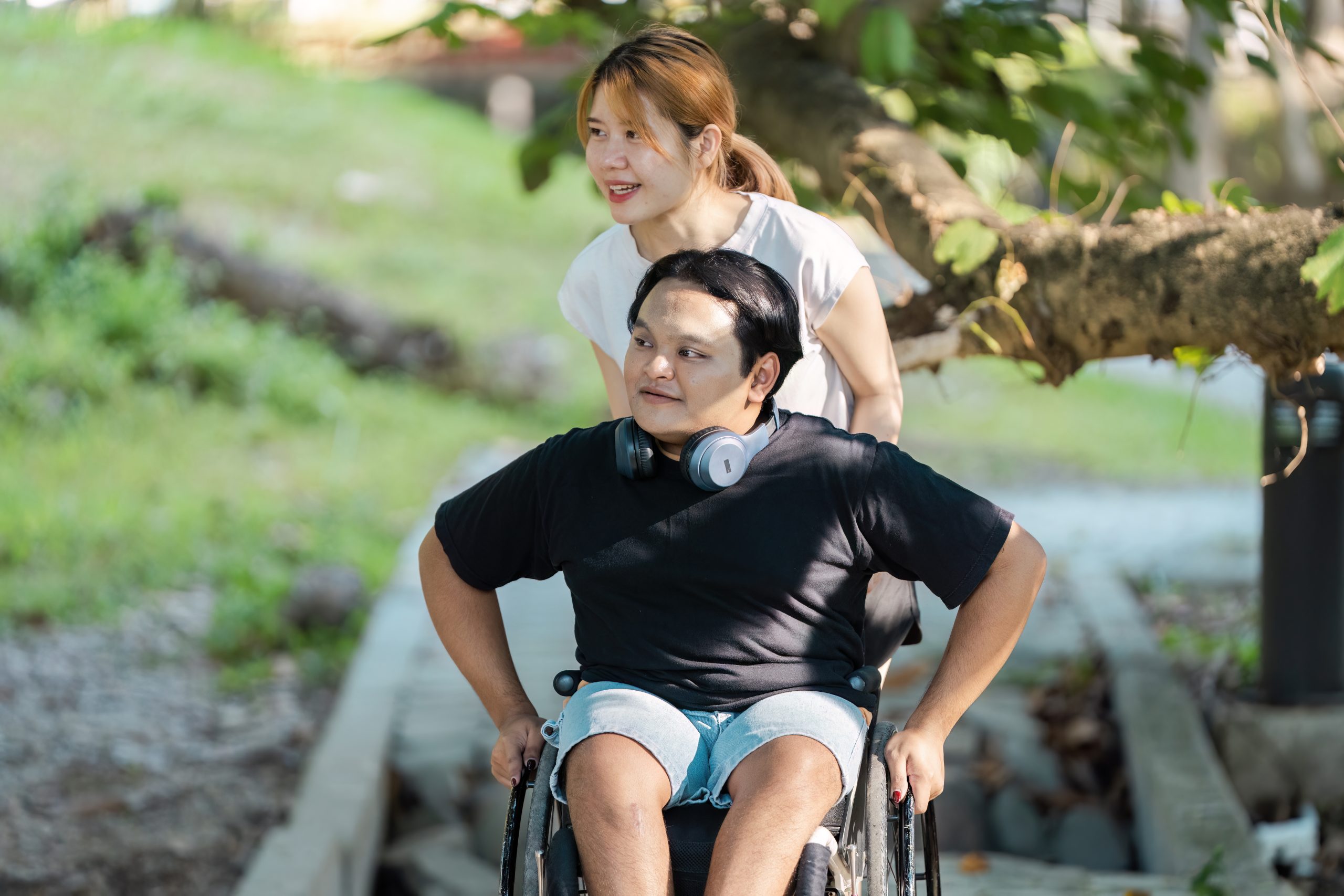
Our Approach to Speech Therapy for Stroke Recovery
Assessment
We begin with a comprehensive assessment of your communication, swallowing and cognitive-linguistic abilities. The results identify specific areas affected by stroke and guide every aspect of your therapy plan.
Collaboration
We work alongside your medical professionals, rehabilitation therapists and family members to provide consistent, coordinated care. This ensures communication strategies carry over across all environments and daily routines.
Intensity
Research indicates that intensive therapy during the early stages following stroke may support stronger recovery. We offer flexible scheduling to match your recovery stage, from intensive daily sessions to weekly maintenance.
Hope
The brain's capacity to form new neural connections means meaningful progress can occur over extended periods. Our speech pathologists provide ongoing encouragement and evidence-based interventions throughout your recovery.
Why Choose Astrad for Speech Therapy After Stroke?
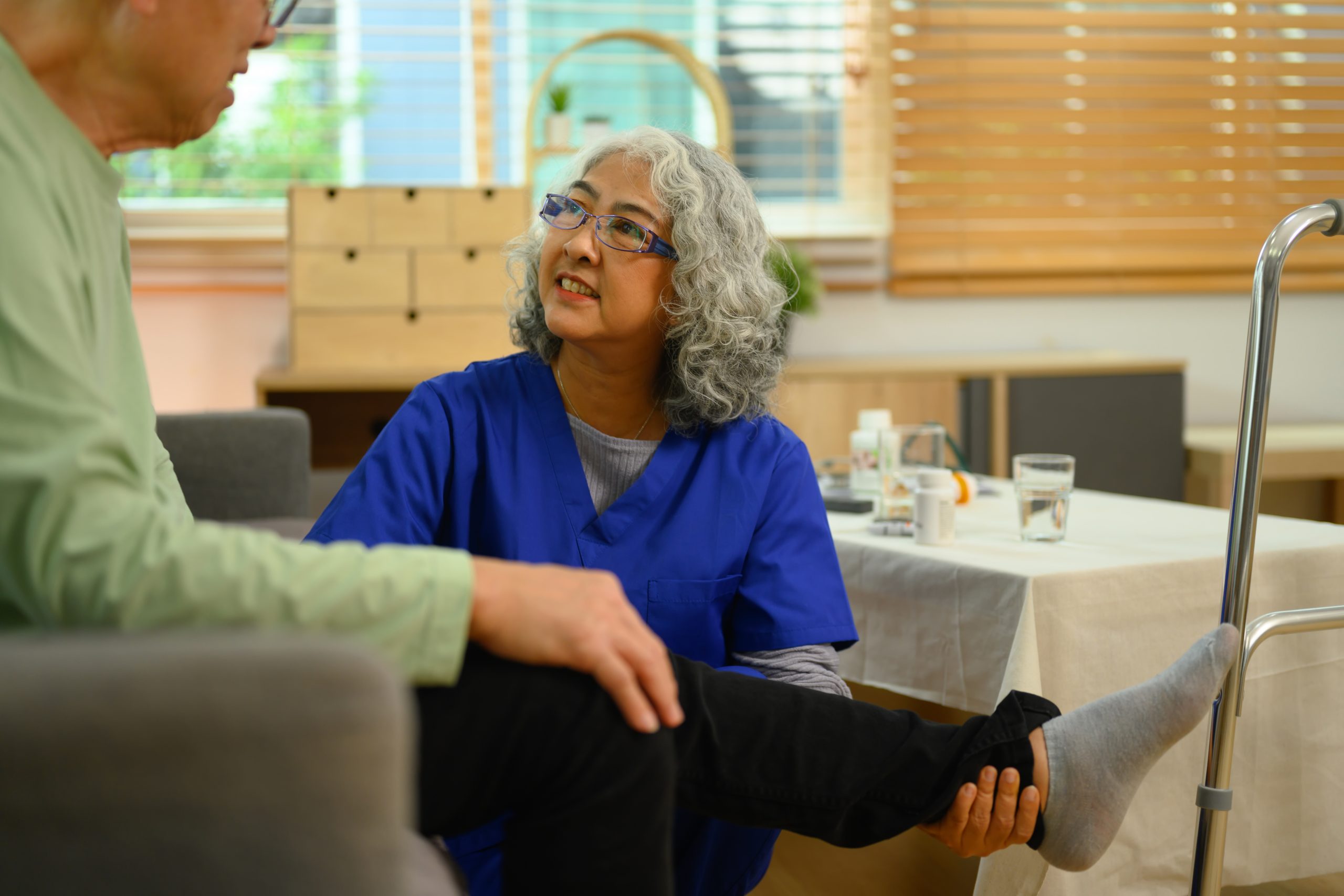
Mobile stroke speech therapy
Stroke-Focused Communication Therapy
Our speech pathologists have advanced training in neurological communication disorders and stroke rehabilitation. Every therapy session draws on current research and evidence-based protocols designed for stroke recovery.
Mobile Speech Therapy in Your Home or Hospital
We bring speech therapy directly to your home, hospital or rehabilitation facility. Practising communication skills in familiar, everyday environments may support better skill transfer and stronger motivation throughout recovery.
Evidence-Based Stroke Rehabilitation Approaches
Our methods include constraint-induced language therapy, semantic feature analysis, script training and intensive aphasia therapy protocols. Each approach is selected based on your communication profile and recovery goals.
NDIS Registered Provider and Private Options
Astrad Allied Health is an NDIS provider, helping you access funding for stroke speech pathology and rehabilitation supports. We also welcome private clients and can work with relevant insurers.
Family-Centred Communication Recovery
We work closely with family members and care partners, providing practical strategies and communication tools. This collaborative approach helps create a supportive environment that may encourage progress between sessions.
Certified Practising Speech Pathologists
All our speech pathologists are certified practising members of Speech Pathology Australia with experience in adult neurological rehabilitation. You receive care from qualified, registered professionals committed to ongoing development.
How Speech Pathology Can Support Stroke Recovery
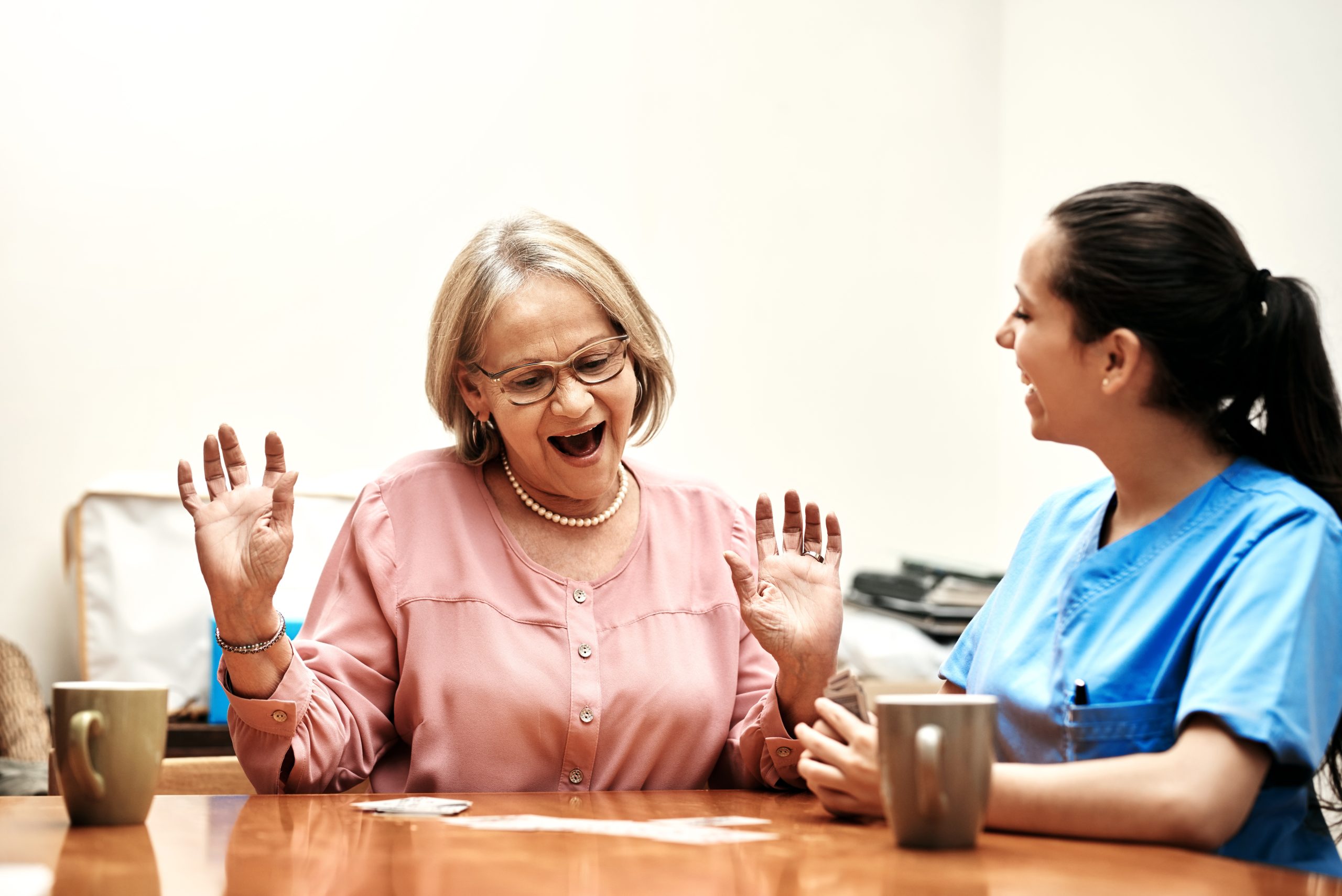
Speech therapy after stroke focuses on rebuilding communication skills affected by brain injury. Our stroke speech pathology services use evidence-based approaches, including constraint-induced language therapy, semantic feature analysis and intensive aphasia therapy protocols, all tailored to each individual's recovery needs and goals. We provide comprehensive support for aphasia, dysarthria and cognitive-communication challenges following stroke.
- 1
Comprehensive Post-Stroke Communication Assessment
We conduct thorough assessments of speech, language, swallowing and cognitive-communication skills following stroke. Each assessment identifies the specific areas where stroke has affected your communication, so we can build a targeted therapy plan designed to support meaningful recovery.
- 2
Personalised Stroke Recovery Plan
Based on detailed assessment findings, we develop individualised therapy goals targeting the communication skills most relevant to your daily life. Whether your focus is reconnecting with family, returning to work or participating in community activities, your recovery plan reflects what matters most to you.
- 3
Ongoing Therapy & Monitoring
Recovery after stroke takes time. We provide regular therapy sessions with structured progress monitoring and plan adjustments as your communication improves. We also coach family members and care partners with practical strategies to encourage communication practice at home between sessions.
Stroke Speech Pathology Services
Communication Areas We Address After Stroke
Our stroke speech pathologists can support recovery across multiple communication and swallowing areas. Each therapy program is tailored to your individual needs, rehabilitation goals and the specific communication challenges you face following stroke.
Aphasia Therapy
Aphasia affects your ability to use and understand language after stroke. Our aphasia therapy focuses on rebuilding language skills through targeted exercises and developing practical compensatory strategies for everyday communication.
Dysarthria Treatment
Dysarthria occurs when stroke weakens the muscles used for speaking, causing slurred, quiet or unclear speech. Our treatment includes exercises to strengthen speech muscles, improve breath support and enhance overall speech intelligibility.
Cognitive-Communication Therapy
Stroke can affect thinking skills that underpin communication, including attention, memory and problem-solving. We provide structured therapy to address difficulties with organising thoughts & managing communication.
What You Should Know About Speech Therapy After Stroke
Speech therapy after stroke is one of the most important steps in rebuilding communication following brain injury. When a stroke occurs, it can damage the areas of the brain responsible for language processing, speech production, swallowing function and cognitive-communication skills. The result may be aphasia, dysarthria, dysphagia or a combination of these challenges, each requiring a different therapeutic approach.
Each stroke affects the brain differently. Some people lose the ability to find words. Others can think clearly but struggle to make their mouth form sounds. Some face difficulty understanding what others say. The type and severity of communication challenges depends on where the stroke occurred and how much brain tissue was affected. A speech pathologist assesses exactly how the stroke has impacted your communication and builds a tailored therapy plan targeting the specific skills that matter most for your daily life.
At Astrad Allied Health, our mobile speech pathology services are delivered in your home, hospital or rehabilitation facility. Early intervention with speech therapy after stroke can make a significant difference in outcomes. The brain’s neuroplasticity, its ability to form new neural connections, is most active in the early weeks and months following stroke. This critical window represents the strongest opportunity for intensive therapy to support communication recovery. Our registered speech pathologists use evidence-based approaches tailored to each individual’s recovery needs and goals.
Types of Communication Challenges After Stroke
Aphasia is a language disorder caused by damage to the brain’s language centres. It affects your ability to speak, understand spoken language, read and write, but it does not affect intelligence. There are several types, including Broca’s aphasia (difficulty forming sentences), Wernicke’s aphasia (difficulty understanding language) and global aphasia (affecting both expression and comprehension). Our aphasia therapy programs focus on rebuilding these skills through targeted exercises, word-finding strategies, sentence building and compensatory communication strategies such as gestures and communication apps.
Dysarthria is a motor speech disorder that occurs when stroke weakens the muscles used for speaking. Unlike aphasia, the language centres may be unaffected, but the muscles of your lips, tongue, jaw and voice box may not respond properly. Symptoms include slurred speech, speaking too quietly and difficulty being understood. Our dysarthria treatment includes oral motor exercises, breathing exercises for voice projection, speech rate control and techniques to enhance speech intelligibility in daily conversations.
Stroke can also affect the cognitive-communication skills that underpin effective conversation, including attention, memory and problem-solving. Many stroke survivors experience difficulty organising thoughts, following group conversations and processing complex information. Our speech pathology team provides structured therapy addressing all three areas, often combining approaches to match each individual’s unique communication profile and recovery goals.
When to Start Speech Therapy After Stroke
The ideal time to begin speech therapy after stroke is as soon as medically appropriate. Research consistently shows that early intervention supports better communication recovery outcomes. The brain’s neuroplasticity is at its peak during the first three to six months following stroke, making this period a critical window for intensive therapy. We recommend beginning therapy while you are still in hospital whenever possible.
However, it is never too late to benefit from stroke speech pathology. Studies demonstrate that meaningful improvement can occur months and even years after stroke with the right therapeutic approach and consistent practice. The brain continues to adapt and form new connections well beyond the acute recovery phase. Our mobile speech pathology services eliminate the need for stressful travel during recovery, delivering therapy in the environment where you feel most comfortable.
Recovery timelines vary significantly from person to person. Some stroke survivors see noticeable improvement within weeks. Others require months of consistent therapy to reach their communication goals. Several factors influence the timeline, including the severity of the stroke, the type of communication difficulty and how consistently strategies are practised between sessions. Our team creates realistic, evidence-based timelines based on your individual assessment results and adjusts your treatment plan as communication improves. We support you throughout your entire recovery journey, whether that takes weeks, months or years.
What to Expect During Stroke Speech Therapy
Your first session begins with a comprehensive assessment of your speech, language, swallowing and cognitive-communication abilities. We evaluate your strengths and the specific areas where stroke has created challenges. We also discuss your personal goals, daily communication needs and what recovery means to you and your family. Following the assessment, we develop a personalised treatment plan outlining specific therapy goals, recommended session frequency and the therapeutic approaches we will use.
Regular therapy sessions follow, with each session building on the last. Your plan may include aphasia therapy exercises, dysarthria treatment techniques, cognitive-communication activities or a combination based on your needs. We provide home practice activities and encourage family involvement, because consistent practice between sessions significantly improves outcomes. Our mobile services mean therapy happens in your home, hospital or preferred location, supporting learning in familiar environments where skills transfer more naturally to daily life.
Many people benefit from two to three sessions per week, particularly in the early months following stroke when the brain is most responsive. Some individuals may benefit from more intensive daily sessions, while others do well with weekly sessions and structured home practice. Our occupational therapy and mobility equipment services can also complement your speech therapy, providing a holistic approach to stroke recovery. Your stroke speech pathology team recommends the right frequency and adjusts as your recovery progresses.
NDIS Funding for Speech Therapy After Stroke
If you are eligible for NDIS support, speech therapy after stroke may be funded through your plan. The NDIS covers a range of allied health services, including stroke speech pathology, occupational therapy and mobility equipment assessments. Astrad Allied Health is a NDIS provider, and we can help you navigate the funding process from initial plan review through to service delivery.
To access NDIS funding for speech therapy after stroke, your plan should include capacity building supports under the “Improved Daily Living” category. This covers services such as aphasia therapy, dysarthria treatment, cognitive-communication therapy and swallowing management. If speech therapy is not currently in your plan, your NDIS planner or support coordinator can assist with requesting a plan review to include these supports.
We work with you and your support network to make the process straightforward. Our team understands NDIS funding pathways, service agreements and reporting requirements. We provide the clinical documentation needed for plan reviews and can liaise with your support coordinator to ensure your therapy supports are in place without unnecessary delays. We also welcome private clients and can work with relevant insurers to help you receive the therapy frequency your recovery may benefit from.
Speech therapy after stroke may help with swallowing problems too!
Speech pathology after stroke includes assessment and management of dysphagia (swallowing difficulties). Stroke can weaken the muscles used for swallowing or affect the coordination needed for safe eating and drinking, increasing aspiration risk. Our speech pathologists conduct clinical swallowing assessments and work on strengthening exercises, safe swallowing strategies and texture modification recommendations when needed.
Difference between Aphasia therapy and speech therapy after stroke
Aphasia therapy targets language processing difficulties caused by stroke, including word-finding, sentence formation and understanding spoken or written language. Dysarthria therapy addresses speech muscle weakness causing slurred or unclear speech. Many stroke survivors experience both aphasia and dysarthria, requiring combined therapy approaches tailored to their specific communication profile.
Recovery depends on stroke severity, location of brain damage and therapy intensity. Some individuals achieve near-complete recovery, while others experience persistent communication challenges. The brain’s neuroplasticity allows meaningful improvement months or years post-stroke with consistent evidence-based therapy. Our focus is maximising functional communication for daily life using speech, language and compensatory strategies.
Ready for therapy?
Astrad provides mobile stroke speech pathology across Queensland, New South Wales, Victoria and Tasmania. Our AHPRA-registered speech pathologists travel to your home, hospital or rehabilitation facility. We also offer telehealth for stroke communication therapy when in-person visits are not practical. Contact us to confirm service availability in your location.
Common Questions About Speech Therapy After Stroke
How can speech therapy help after a stroke?
Speech therapy supports recovery of communication and swallowing skills affected by stroke. A speech pathologist assesses areas such as speech clarity, language comprehension, word finding, reading, writing and swallowing safety. Therapy may include targeted exercises, compensatory strategies and practical communication training to improve independence and participation in daily life.
What communication problems are common after a stroke?
Many people experience aphasia (difficulty understanding or expressing language), dysarthria (slurred or unclear speech), apraxia of speech (difficulty planning speech movements) or cognitive-communication changes affecting memory and attention. A speech pathologist identifies the specific difficulties present and tailors therapy accordingly.
When should speech therapy begin after a stroke?
Speech therapy often begins in hospital soon after a stroke, once the person is medically stable. Early intervention can support recovery and reduce complications, particularly with swallowing. If therapy did not begin in hospital, it can still be highly beneficial months or even years later.
Ready to Start Speech Therapy After Stroke?
Contact us to discuss how our stroke speech pathology services may support communication recovery. We offer mobile speech therapy after stroke across QLD, NSW, VIC and TAS. Whether you are in hospital, at home or in a rehabilitation facility, we can come to you.
Book a ConsultationOur Allied Health Services
Astrad Allied Health offers a comprehensive range of mobile services to support your health, independence and recovery:
Mobile Occupational Therapy
Registered occupational therapists providing support for daily living skills, independence and participation in work, school and community activities across Australia.
Mobility Equipment Assessment
Assessment and recommendations for mobility equipment and assistive technology to support safe, independent participation in daily activities across your environment.
Speech Pathology Services
Registered speech pathologists helping with communication, swallowing and language support across Queensland, NSW, Victoria and Tasmania.
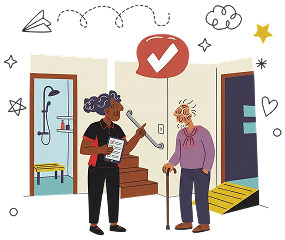
Home Assessment and Modifications
Professional home evaluations identifying modifications and equipment recommendations to improve safety, accessibility and independence at home.
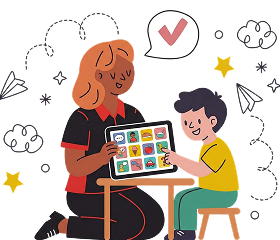
Assistive Technology Assessment
Recommendations for assistive technology solutions including communication devices, computer access and adaptive equipment to support daily participation and independence.
Comprehensive Therapy
Complete allied health support including ongoing therapy sessions, rehabilitation programs and personalised interventions tailored to your specific recovery and therapy needs.