
Speech Pathology for People Living With Dementia
Dementia Speech Therapy at Home
Memory and language change with dementia. Dementia speech therapy can support communication. It can also support safe swallowing. Astrad Allied Health brings speech pathology dementia care to you. We visit your home, aged care residence or community. We cover Queensland, New South Wales, Victoria and Tasmania. Our speech pathologists work with NDIS, aged care and private clients. We focus on simple, practical strategies. These help you stay connected to the people and activities you love.
How Dementia Speech Therapy Can Help You
Our speech pathologists provide communication support for dementia. We also help manage swallowing changes. Dementia speech therapy can ease daily conversation. It can make meals safer too. We deliver care in your own home. It is grounded in current speech pathology practice. New strategies are easiest to practise and remember there.
Communication Support
Swallowing And Mealtime Safety
NDIS, Aged Care & Private Clients
Carer And Family Education

Trusted Speech Pathology Dementia Care
Speech Pathology Dementia Support, Delivered To You
Astrad Allied Health provides mobile speech pathology for people living with dementia. We come to your home, aged care home or community setting. So therapy fits your routine. It also takes away the stress of travel. Our speech pathologists are certified with Speech Pathology Australia. They take time to learn your history. They learn your goals. They also learn the way you like to communicate. Dementia changes the brain in different ways for each person. Some people notice word-finding trouble. Others see changes in conversation. Some find eating and drinking harder over time. We assess each area. Then we build a plan that suits where you are now. As your needs change, we adjust the plan with you and your family.
About UsOur Services
Astrad Allied Health offers a comprehensive range of services, including:
Mobile Occupational Therapy
Registered occupational therapists providing support for daily living skills, independence and participation in work, school and community activities.
Mobility Equipment Assessment
Assessment and recommendations for mobility equipment and assistive technology to support participation in daily activities across your environment.
Speech Pathology Services
Registered speech pathologists helping with communication, swallowing and language development across Queensland, NSW, Victoria and Tasmania.
Home Assessment & Modifications
Professional home evaluations identifying modifications and equipment recommendations to improve safety, accessibility and independence.
Assistive Technology Assessment
Recommendations for assistive technology solutions like communication devices, computer access & adaptive equipment to support daily participation.

Comprehensive Therapy
Complete allied health support including ongoing therapy sessions, rehabilitation programs and personalised interventions to address all your therapy needs.
The Astrad Difference
Why Choose Astrad For Dementia Speech Therapy
Cognitive Communication Dementia Support
Dementia can affect attention, memory and word retrieval. We use cognitive communication dementia strategies to support clear conversation. This may include simple prompts and slower talking. We also practise familiar words and topics with you.
Communication Aids And Tools
Memory books and picture cards can make conversation easier. Personalised communication aids help too. Dementia speech therapy often uses these tools. We help create aids that reflect your life and your routines. They also reflect the people who matter most to you.
Dementia Swallowing Difficulties
Dementia swallowing difficulties can make meals harder and less safe over time. Our speech pathologists assess how you eat and drink. Then we suggest safer techniques. We also give clear mealtime guidance for you and your carers.
NDIS, Aged Care And Private Funding
We support NDIS participants, aged care clients and private clients. Our team helps you understand your funding options. We also help you access the speech pathology dementia support you need.
In-Home And Community Delivery
We deliver dementia speech therapy in the home, aged care residence or community. Practising new strategies in real settings makes them easier to remember. This helps you use them every day.
Dysphagia Dementia Management
Dysphagia dementia care may include posture changes. It may include smaller mouthfuls. It can also include slower eating. Diet texture guidance can help too. We work with you, your family and your care team. This helps lower the risk of choking and chest infection.
What Dementia Speech Therapy Involves
Dementia speech therapy keeps communication and eating as safe and comfortable as possible. A speech pathologist looks at how dementia affects your language, memory and swallowing. The aim is to support the skills you have now. It also makes daily life easier for you and your family. Dementia speech therapy will not reverse dementia. Even so, the right strategies can support communication and quality of life. You can learn more about the condition through Healthdirect. Our speech pathologists are certified with Speech Pathology Australia. We deliver care in your home, aged care residence or community. Some people also need help with daily tasks and the home setting. For them, our occupational therapy for dementia team can work alongside us.
Communication Support For Dementia
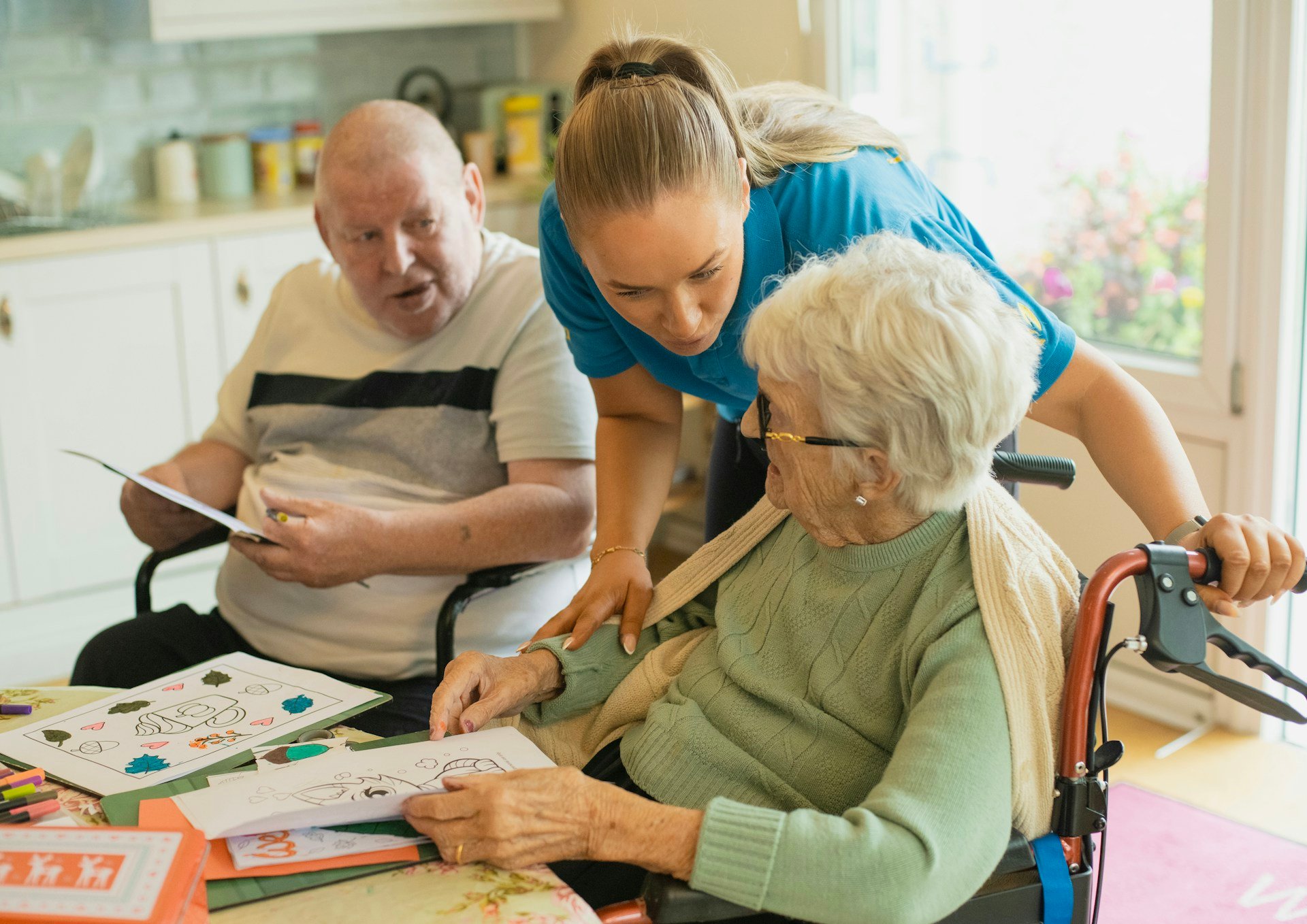
Many people living with dementia notice changes in conversation. Words can be harder to find. Following a long talk can feel tiring. Cognitive communication dementia strategies can help. We use simple prompts, short sentences and familiar topics. These support clear conversation. Dementia speech therapy may include a memory book or picture cards. These reflect your life and your routines. We also coach family and carers. So everyone shares the same calm and patient approach. These tools can support confidence. They help people living with dementia stay connected to others.
Managing Dementia Swallowing Difficulties
Dementia swallowing difficulties are common as dementia progresses. Coughing at meals can be an early sign. So can a wet voice after drinking or slow eating. Our speech pathologists assess how you eat and drink. Then we suggest safer techniques. These include smaller mouthfuls, slower eating and an upright posture. We may also suggest changes to food texture or drink thickness. This lowers the risk of choking and chest infection. Our approach to swallowing and dysphagia support includes clear mealtime guidance for carers. Where a detailed review is needed, we can complete a full swallowing assessment. We then share the results with your care team.
Funding And Getting Started
We support NDIS participants, aged care clients and private clients. We work across Queensland, New South Wales, Victoria and Tasmania. Our team can help you understand your options. This includes NDIS speech pathology funding. Our speech pathologists are certified with Speech Pathology Australia. To begin dementia speech therapy, call our team on (07) 3477 9366. You can also book an appointment online. We will arrange a time to visit. We will complete an assessment. Then we build a dementia speech therapy plan that suits you and your family.
Written for Astrad Allied Health and reviewed by our Speech Pathology Australia certified speech pathologists. Meet our team.
Individual results vary based on individual assessment. This dementia speech therapy page is general information and is not a substitute for personalised clinical advice.
Last updated: June 2026.
Speak With Our Team
Ask Us About Speech Pathology Dementia Support
Call (07) 3477 9366Personalised Assessment
We assess communication and swallowing in detail. Your dementia speech therapy plan reflects your goals and history. It also reflects the way dementia is affecting you right now.
Care That Adapts
Dementia changes over time. We review your plan regularly and adjust our support as your communication and swallowing needs change.
Family And Carer Support
We coach family members and carers in communication support for dementia. Confident carers help people living with dementia stay connected for longer.
Practical Strategies
We share clear, simple strategies you and your carers can use at home. Small changes can make daily conversation and meals easier and safer.

Meet the People Behind Your Care
Our team is passionate about helping you achieve your goals through personalised, evidence-based care.
Meet Our TeamOur Team







Book An Appointment
Our response time is impressive
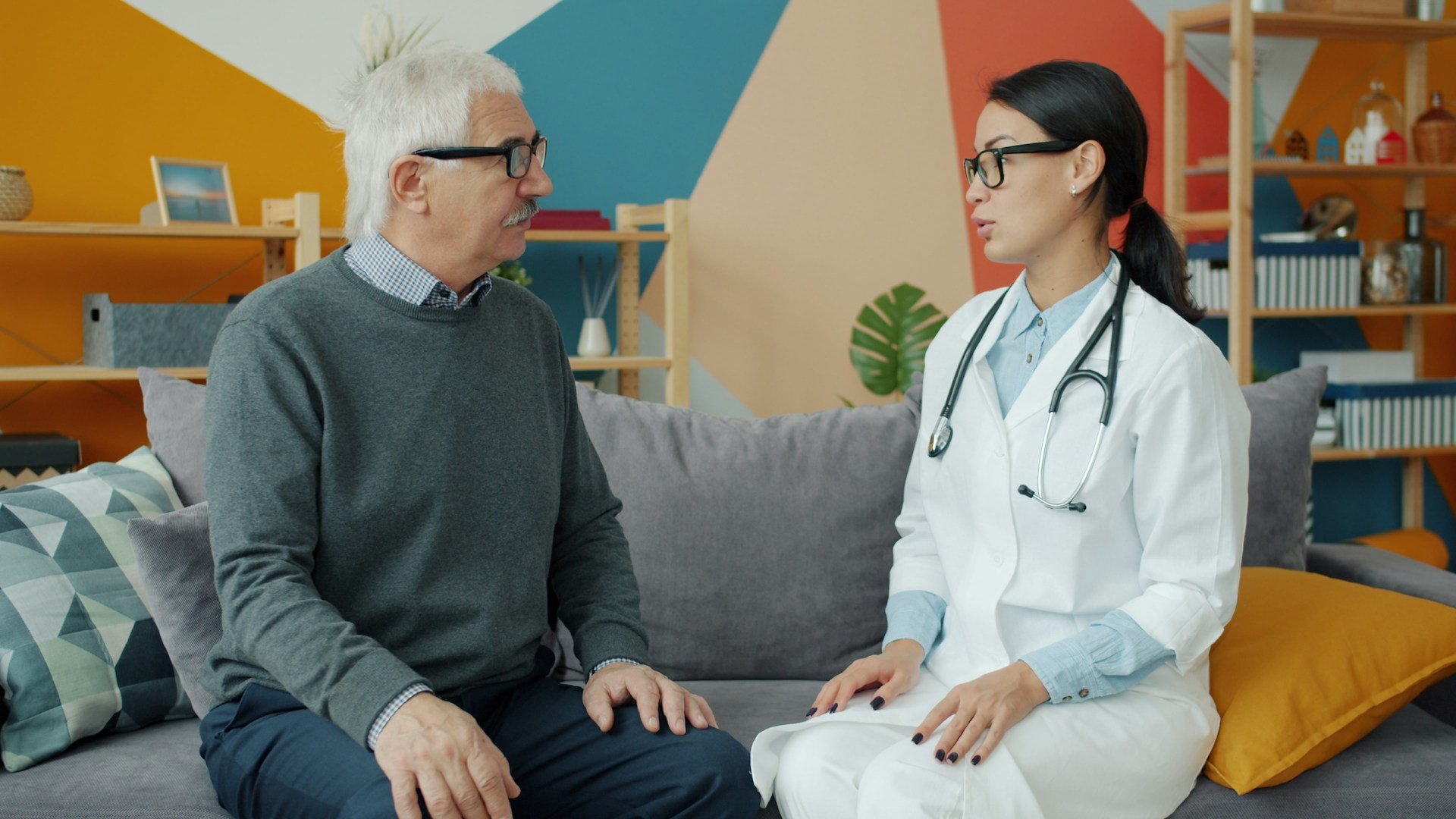
Start Dementia Speech Therapy In Your Own Home
You do not have to manage communication or swallowing changes alone. Our speech pathologists bring dementia speech therapy to you. We use a calm and respectful approach for the whole family.
Dementia Speech Therapy: Frequently Asked Questions
Can dementia speech therapy help with communication?
Yes. Dementia speech therapy can support communication as memory and language change. A speech pathologist may use simple prompts, paced talking and familiar topics to make conversation easier. We can also create memory books or picture cards that reflect your life. These tools may help you stay connected to family and friends. Therapy will not reverse dementia, yet the right strategies can support clear conversation for longer.
How does speech pathology dementia care support swallowing?
Swallowing can change as dementia progresses. Our speech pathologists assess how you eat and drink, then suggest safer techniques. This may include smaller mouthfuls, paced eating and upright posture. We may also recommend changes to food texture or drink thickness. The aim is to lower the risk of choking and chest infection. We give clear mealtime guidance to you and your carers so meals feel calmer and safer.
When should someone with dementia start speech therapy?
It is never too early or too late to seek advice. Early support can help you learn strategies while communication and swallowing are still strong. Support later on can still ease daily life and improve mealtime safety. If you notice word-finding trouble, changes in conversation or coughing at meals, it may be time to book an assessment. Our speech pathologists will meet you where you are and build a plan to suit your needs.
Do you provide speech therapy for dementia patients at home?
Yes. We deliver speech therapy for dementia patients in the home, aged care residence or community across Queensland, New South Wales, Victoria and Tasmania. Practising new strategies in your own environment makes them easier to remember and use. Home visits also remove the stress of travel. Your speech pathologist will visit, complete an assessment and work with you and your family on a plan that fits your routine.
How can families support communication for a person with dementia?
Families play a big part in communication support for dementia. We coach carers in simple, practical strategies. These may include speaking slowly, using short sentences and giving extra time to respond. We also help families use memory books and picture aids. A calm and patient approach can lower frustration for everyone. When carers feel confident, people living with dementia often stay connected to others for longer.
Is dementia speech therapy covered by NDIS or aged care funding?
We support NDIS participants, aged care clients and private clients. Many people access dementia speech therapy through NDIS or aged care funding, depending on their situation. Our team can help you understand your options and the steps involved. If you are unsure what you are eligible for, contact us and we will talk it through. Call (07) 3477 9366 to ask about funding and book an appointment.