
Home Safety Assessment
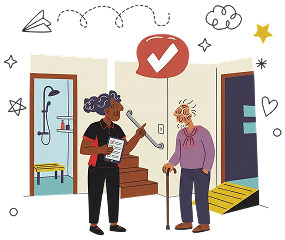
We identify falls risks, kitchen hazards, wandering risks, and medication access issues, recommending practical modifications and equipment to create a safer home environment.
Dementia changes daily life in ways that are hard to predict. Our AHPRA-registered occupational therapists provide dementia occupational therapy in your home, offering practical support for people living with dementia and their families.
We come to you across QLD, NSW, VIC, and TAS - delivering compassionate, person-centred care in the environment that matters most.

Areas We Support
Dementia occupational therapy addresses the full range of challenges dementia can present, both for the person living with the condition and for those who care for them.
We identify falls risks, kitchen hazards, wandering risks, and medication access issues, recommending practical modifications and equipment to create a safer home environment.
We identify approaches that preserve dignity and promote independence for daily tasks, working with carers on safe and comfortable assistance techniques.
We assess memory, orientation, attention, and decision-making, then develop practical compensatory strategies - visual cues, routine structures, and environmental prompts - to support daily function.
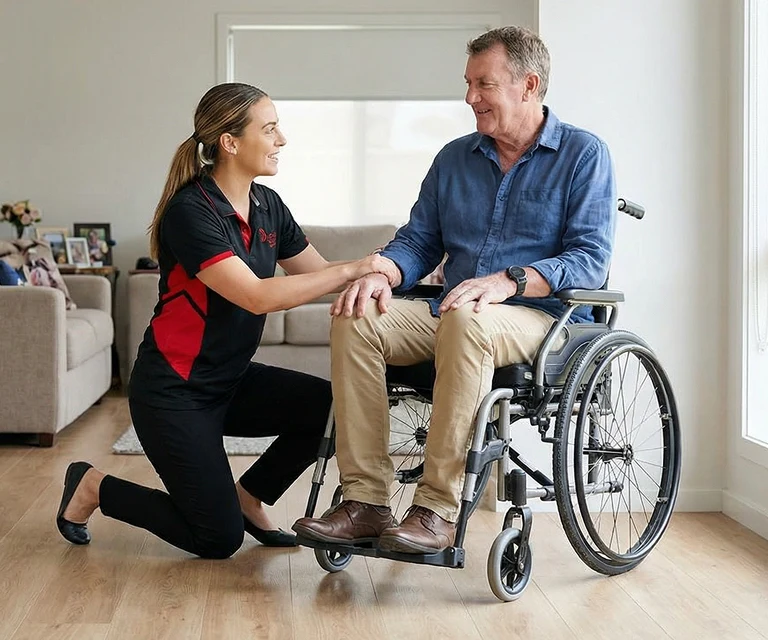
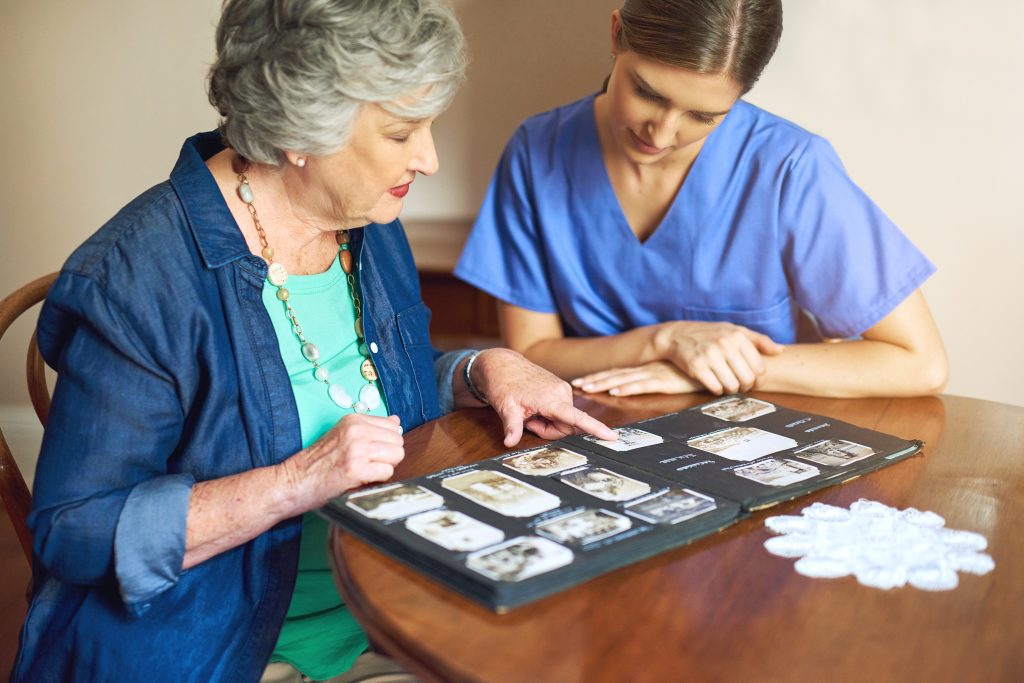
Astrad Allied Health is an NDIS provider delivering mobile occupational therapy and speech pathology across QLD, NSW, VIC, and TAS. Our experienced therapists bring 10+ years of combined clinical experience to every home visit.
We understand the emotional weight dementia places on families, and we approach every assessment with sensitivity, patience, and genuine care.
Who Can Benefit
Dementia occupational therapy can support a wide range of people affected by dementia, at different stages of the condition.
We support people at every stage of dementia, focusing on what they can still do. Our goal is to maintain quality of life, dignity, and meaningful engagement for as long as possible.
For conditions that change over time, including dementia, our therapists provide ongoing reviews and adjust support strategies as needs evolve. We work proactively to plan ahead and maintain quality of life at every stage.
For Australians over 65, we work within Home Care Package and CHSP frameworks to provide funded dementia OT services, meeting aged care documentation and reporting requirements.
Younger-onset dementia affects employment, parenting, and finances. As an NDIS provider, Astrad may support people under 65 with dementia through their NDIS plan, depending on eligibility.
We provide practical education and strategies to help carers assist more safely and with less strain. We can also recommend carer support services and relevant funding options.
Dementia OT can help delay premature residential care entry by improving home safety, building carer capacity, and establishing daily living supports that maintain independence for longer.
Our dementia occupational therapy process is compassionate, collaborative, and tailored to the individual. We work at the person's pace, involving family and carers at every stage.
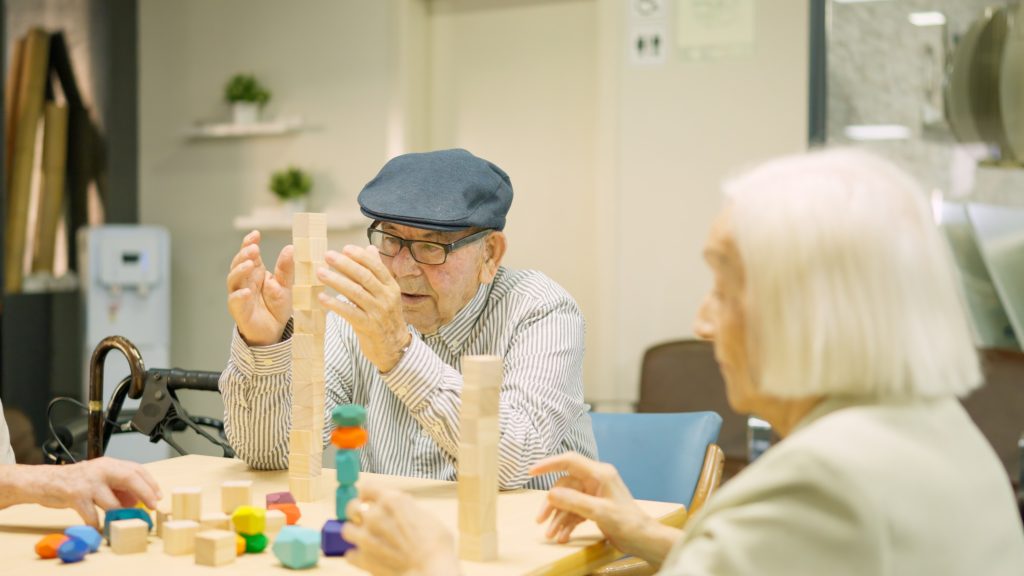
We assess how dementia is affecting daily function - memory, orientation, communication, and everyday tasks - listening carefully to both the person and their family or carers.
We develop a personalised support plan including environmental modifications, assistive technology, carer education, and meaningful activity programmes - designed around what matters most to the individual.
We schedule regular reviews to adjust strategies as needs change, ensuring the support plan stays relevant and effective as dementia progresses.
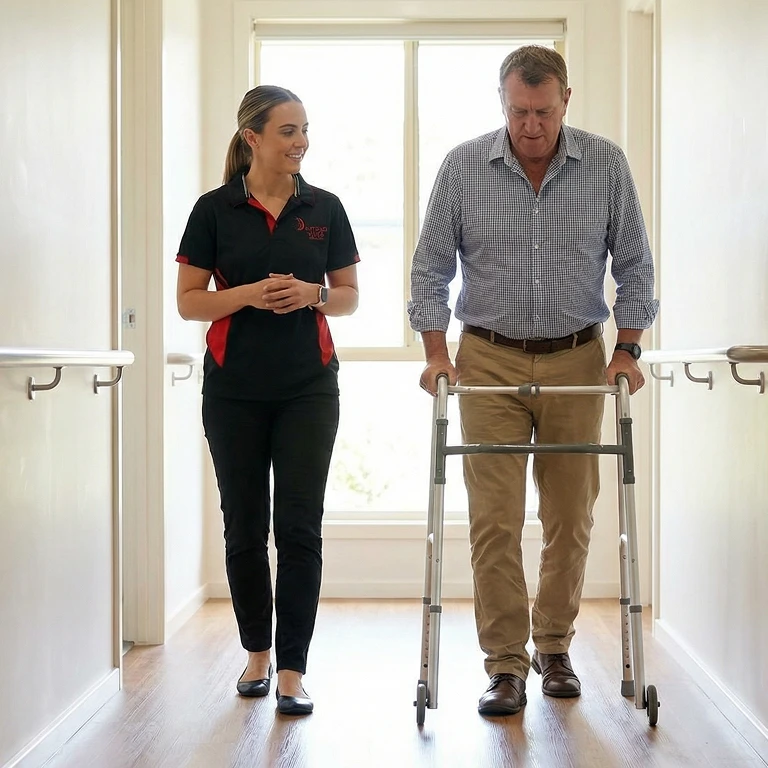
Independence first, then safety and carer support.
Many challenging behaviours in dementia are triggered by the environment. We identify triggers, modify the home to reduce agitation and confusion, and develop structured routines that create a calmer daily setting.
Night-time wandering and disorientation carry serious risks. We assess sleeping environments, recommend safety modifications, and advise on monitoring options to protect the person at home after dark.
Dementia can affect the ability to self-feed and manage utensils safely. OT addresses mealtime challenges through adaptive equipment, environmental setup, and positioning support.
Staying engaged in familiar activities supports cognitive function and emotional wellbeing. OT identifies activities the person with dementia can still enjoy and adapts them to their current abilities.
Every Astrad assessment includes a written clinical report suitable for Home Care Package, NDIS, ACAT, and residential care planning decisions.
Our OTs liaise with your GP, geriatrician, aged care provider, and other allied health professionals to ensure therapy goals align with your broader dementia care plan.
Dementia occupational therapy addresses the practical impact of dementia on daily living. An OT assesses how memory loss, cognitive changes, and physical decline are affecting the person’s ability to manage personal care, navigate their home, and participate in meaningful activities. The aim is to identify what is still possible and put supports in place to keep it that way for as long as possible.
Interventions span a wide range. Your OT may recommend environmental modifications to reduce confusion and fall risks, introduce memory aids and visual cues, develop structured routines that support cognitive function, or assess and fund assistive technology. Carer education is built into the process, equipping families with strategies that carry over between sessions and reduce the daily burden of care.
Because dementia OT happens in the home, your therapist sees the real environment where challenges occur. This leads to sharper assessments, more relevant recommendations, and therapy that directly addresses what is happening in your loved one’s day, not a simulated version in a clinical setting.
Your OT visits the home to observe how the person manages daily tasks, navigates their environment, and interacts with family. They assess cognitive function, home safety, and daily routines before providing written recommendations and a therapy plan.
Yes. Agitation, repetitive behaviours, and resistance to care can often be reduced through environmental modifications and structured routines. OT identifies triggers and develops practical strategies to minimise distress.
OT gives carers practical techniques for daily tasks, safe handling, and managing difficult moments. We also identify when additional support or equipment is needed, reducing the physical and emotional demands of caregiving.
No. OT supports people at every stage. In later stages, the focus shifts to maintaining comfort, dignity, and safety at home, and supporting carers to provide appropriate daily care.
If someone you care about is living with dementia, our team is here to help. We offer compassionate, experienced dementia occupational therapy delivered in the home across Queensland, New South Wales, Victoria, and Tasmania. Contact us today to discuss your situation and find out how we can support you.
Book an AssessmentAstrad Allied Health provides a range of occupational therapy and speech pathology services across Australia:
Assistive devices and equipment assessed and prescribed to support independence at home and in the community.

Home safety assessments and modification recommendations to reduce falls and support daily living.

Detailed assessments for NDIS, insurance, legal, and workplace purposes.

AHPRA-registered OTs visiting your home across QLD, NSW, VIC and TAS.
Speech pathologists delivering communication, voice, and swallowing therapy in your home.

Coordinated OT and speech pathology addressing your full range of daily living goals.