
NDIS Funding Guide for Home and Living
NDIS Housing Options: A Simple Guide
This guide explains the main NDIS housing options in plain language. You will learn how SDA, SIL and ILO work, and how an occupational therapy assessment can support your housing application. Astrad is an allied health provider, so we help with the assessment, not the housing itself.
Understanding the NDIS Housing Options
There are several NDIS housing options. Each one suits a different level of support and living situation. Knowing the difference between them helps you ask for the right funding. When you compare the NDIS housing options, an occupational therapy assessment can provide the evidence the NDIS needs.
SIL Funds the Support
ILO Builds a Flexible Plan
Home Modifications
The Main NDIS Housing Options
Specialist Disability Accommodation (SDA)
SDA funds the physical home itself. It is for people with very high or complex physical support needs. These homes are built or changed to be safe and accessible. SDA is funded for a smaller group of participants with very high or complex needs. Strong allied health evidence is needed to apply.
Supported Independent Living (SIL)
SIL funds the daily support you receive at home. This can include help with personal care, cooking, cleaning and building skills. SIL does not pay for the house. Many people use SIL alongside other funding to live more independently.
Individualised Living Options (ILO)
ILO is a flexible way to design your support at home. It can mix formal help with support from family, friends or a housemate. ILO suits people with low to medium support needs who want more choice. The plan is built around your goals and lifestyle.
NDIS Home Modifications
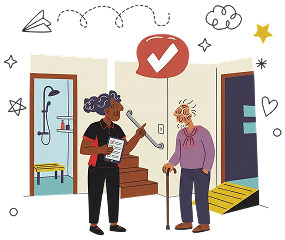
Home modifications change your current home to make it safer and easier to use. This may include ramps, rails, wider doorways or bathroom changes. An occupational therapist assesses your home and recommends the right changes. These changes can support daily independence.
How Astrad Can Help
How an OT Assessment Supports Your Housing Application
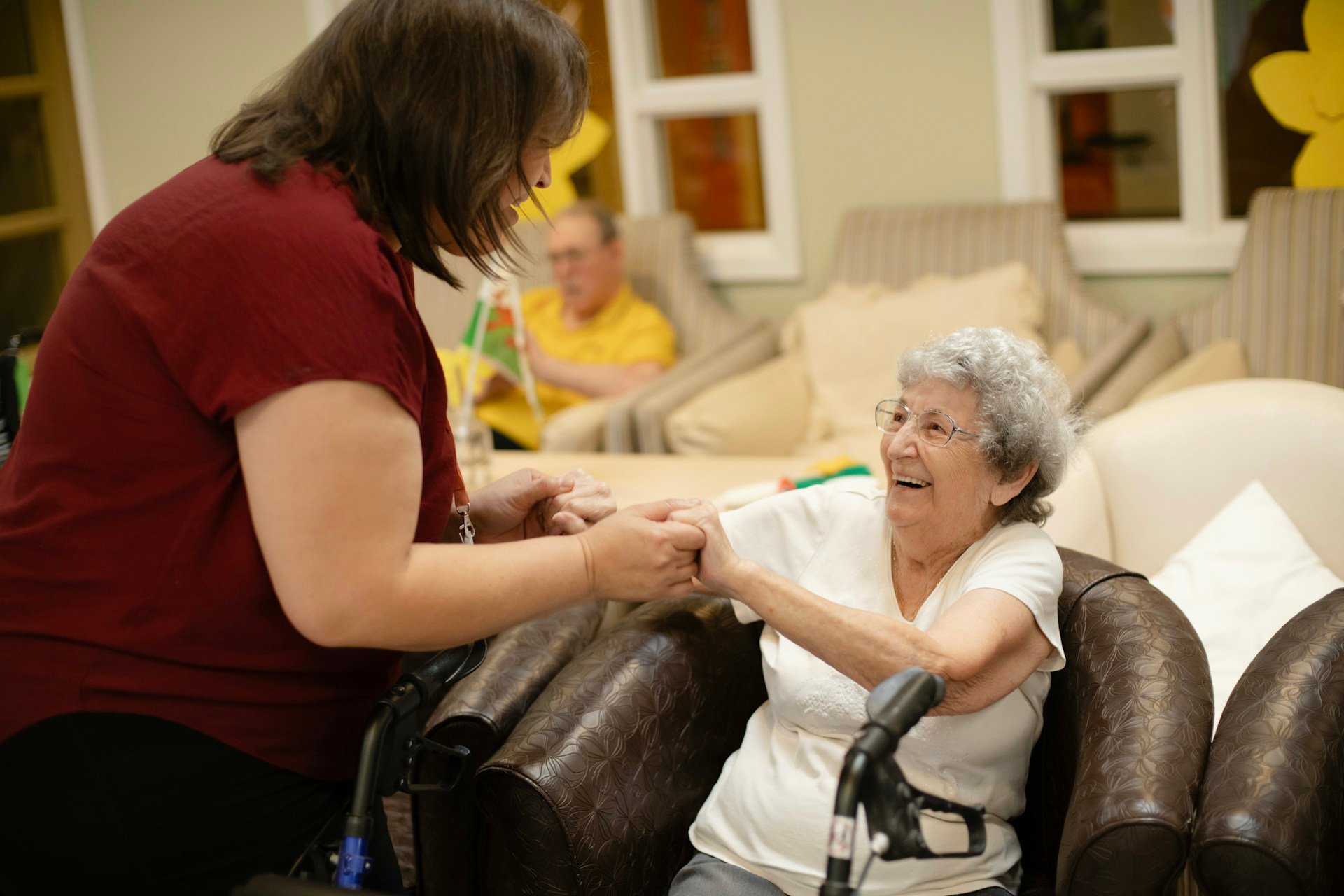
An occupational therapist looks at how you manage daily tasks. The assessment shows what you can do on your own and where you need support. This evidence helps the NDIS understand your housing needs. It is a key part of many housing applications.
Our occupational therapists can review your current home. They look at access, safety and how the space fits your needs. The report describes any barriers you face each day. This helps show why a different home or changes may be needed.
We write clear reports that explain your needs in detail. The NDIS relies on this kind of allied health evidence. A strong report can support an SDA, SIL or home modification request. We focus on facts about your function and daily life.
Our occupational therapists come to you. We assess you in your own home, school or community. This gives a real picture of how you manage day to day. We work with NDIS participants, aged care clients and private clients.
We work alongside your support coordinator, family and other providers. Good housing decisions need a team approach. We share our findings clearly so everyone understands your needs. This helps your application move forward.
Our occupational therapists are registered with AHPRA. You receive an assessment from a qualified and experienced professional. We follow professional practice standards. Our reports aim to meet the standard the NDIS expects.
How to Book Your OT Housing Assessment
Booking an occupational therapy assessment is simple. An assessment supports your application for any of the NDIS housing options. Here is what the process usually looks like with our team.
- 1
Book Your Assessment
Contact us to book an occupational therapy assessment. We discuss your goals, your current home and your support needs. We then arrange a visit at a time that suits you.
- 2
In-Home Assessment
An occupational therapist visits you at home. We look at how you manage daily tasks and how your home meets your needs. We listen to what matters most to you.
- 3
Report and Recommendations
We write a detailed report with clear recommendations. You can share this report with the NDIS to support your housing application. We explain the next steps along the way.
Common Questions
Choosing the Right NDIS Housing Option
The right choice among the NDIS housing options depends on your support needs and your goals. Here is a quick way to think about the three main NDIS housing options.
Need an Accessible Home
If standard housing cannot safely meet your physical needs, SDA may be worth exploring. SDA funds a purpose-built or modified home. Strong occupational therapy evidence supports this request.
Need Daily Support
If you need regular help with daily tasks, SIL may suit you. SIL funds the support, not the home. Many people pair it with other housing funding.
Want Flexible Support
If you want more choice in how you live, ILO may be a good fit. It blends formal and informal support. ILO suits lower to medium support needs.
Finding the right place to live is a big decision. The NDIS funds several housing options, and each one works in a different way. The main NDIS housing options are SDA, SIL and ILO. This guide explains the main NDIS housing options in plain language. It also shows how an occupational therapy assessment can support your application. Astrad is an allied health provider. We do not build, arrange or provide housing. We provide the assessments that help evidence your housing needs.
SDA, SIL and ILO: What Is the Difference?
It helps to know what each option pays for. Specialist Disability Accommodation (SDA) funds the physical home. It is for people with very high or complex physical support needs. Supported Independent Living (SIL) funds the daily support you receive, not the house. Individualised Living Options (ILO) is a flexible model that blends formal and informal support around your goals. These options sit under the NDIS Home and Living supports. When you compare the NDIS housing options, many people use more than one type of funding together. For example, someone may have an SDA home with SIL support inside it.
Among the NDIS housing options, eligibility for SDA is strict, and SDA is funded for a smaller group of participants with very high or complex needs. The NDIS looks for clear evidence of need. This is where allied health input matters. An NDIS occupational therapy assessment describes how you manage daily tasks and what barriers you face at home. We support people with a wide range of needs, including those living with a spinal cord injury or an intellectual disability.
How an OT Assessment Evidences Your Housing Need
The NDIS relies on professional evidence when it reviews housing requests. An occupational therapist assesses your function, your home and your daily routine. The report explains your needs in clear, factual terms. Across the NDIS housing options, this can support an SDA, SIL, ILO or home modification request. Our therapists also complete hospital to home assessments when you are returning home after a hospital stay. To learn more about our team and how we work, visit our team page or contact us on (07) 3477 9366. An occupational therapy assessment may help give your application the evidence it needs.
Written for Astrad Allied Health and reviewed by our AHPRA-registered occupational therapists. Meet our team.
This guide is general information, not NDIS or financial advice. Eligibility and funding are decided by the NDIA.
Last updated: June 2026.
Frequently Asked Questions
What are the main NDIS housing options?
The main NDIS housing options are SDA, SIL and ILO. SDA, or Specialist Disability Accommodation, funds the physical home for people with very high physical support needs. SIL, or Supported Independent Living, funds the daily support you receive at home. ILO, or Individualised Living Options, is a flexible model that blends formal and informal support. Many people use more than one option together to suit their needs and goals.
What is the difference between SDA and SIL?
SDA and SIL fund different things. SDA funds the home itself. It pays for housing that is built or changed to be safe and accessible. SIL funds the support you receive inside the home. This can include help with personal care, cooking and daily tasks. Many people have both. For example, someone may live in an SDA home and receive SIL support inside it. An OT assessment can help evidence the need for either.
Who is eligible for Specialist Disability Accommodation?
Eligibility for SDA depends on your individual needs and is assessed by the NDIS. It is generally aimed at people whose support needs cannot be met safely by standard housing. The NDIS makes the decision based on your situation, so it helps to seek up to date guidance from the NDIS or your support coordinator. Strong allied health evidence can support your application. An occupational therapy assessment describes your function and the barriers you face, which helps the NDIS understand your housing needs.
How does an OT assessment support my NDIS housing application?
An occupational therapy assessment looks at how you manage daily tasks and how your home meets your needs. The therapist writes a clear report that describes your function, your barriers and your goals. The NDIS relies on this kind of evidence when reviewing housing requests. A strong report can support an SDA, SIL, ILO or home modification request. Astrad provides the assessment, not the housing itself.
Does the NDIS fund home modifications?
The NDIS may fund home modifications for eligible participants. What your plan covers depends on your situation and is decided by the NDIS. Modifications may include ramps, grab rails, wider doorways or bathroom changes. An occupational therapist assesses your home and recommends suitable changes. The report explains why each change is needed, which can support your request. It helps to confirm your plan details with the NDIS or your support coordinator.
Does Astrad provide NDIS housing or accommodation?
No. Astrad is an allied health provider, not a housing provider. We do not build, arrange or supply housing. Our role is to provide occupational therapy assessments that help evidence your housing needs. Our AHPRA-registered occupational therapists assess your function and home, then write a clear report. You can share this report with the NDIS to support your housing application. Call us on (07) 3477 9366 to learn more.

Start With an OT Assessment for Your Housing Application
An occupational therapy assessment can give strong evidence for your application for any of the NDIS housing options. Whichever option you are considering, our mobile team comes to your home across Queensland, New South Wales, Victoria and Tasmania. Book an appointment to discuss how we may be able to help.
Our Services
Astrad Allied Health offers a comprehensive range of services, including:
Mobile Occupational Therapy
Registered occupational therapists providing support for daily living skills, independence and participation in work, school and community activities.

Mobility Equipment Assessment
Assessment and recommendations for mobility equipment and assistive technology to support participation in daily activities across your environment.

Speech Pathology Services
Registered speech pathologists helping with communication, swallowing and language development across Queensland, NSW, Victoria and Tasmania.

Home Assessment & Modifications
Professional home evaluations identifying modifications and equipment recommendations to improve safety, accessibility and independence.
Assistive Technology Assessment
Recommendations for assistive technology solutions like communication devices, computer access & adaptive equipment to support daily participation.

Comprehensive Therapy
Complete allied health support including ongoing therapy sessions, rehabilitation programs and personalised interventions to address all your therapy needs.