Mobile adult OT across QLD, NSW, VIC and TAS
Adult Occupational Therapy at Home and Work
Adult occupational therapy helps working-age adults with daily tasks after an injury or illness. It covers self-care, home tasks, work, study and getting out in the community. Our registered OTs come to your home, and to your workplace when that helps.
Occupational Therapy for Working-Age Adults
Adult OT looks at the tasks in your week, from showering to a work shift. Your OT finds what gets in the way, then works with you on practical changes.
Home and Workplace
NDIS and Insurance
Your Goals First
What We Work On
Work and Study
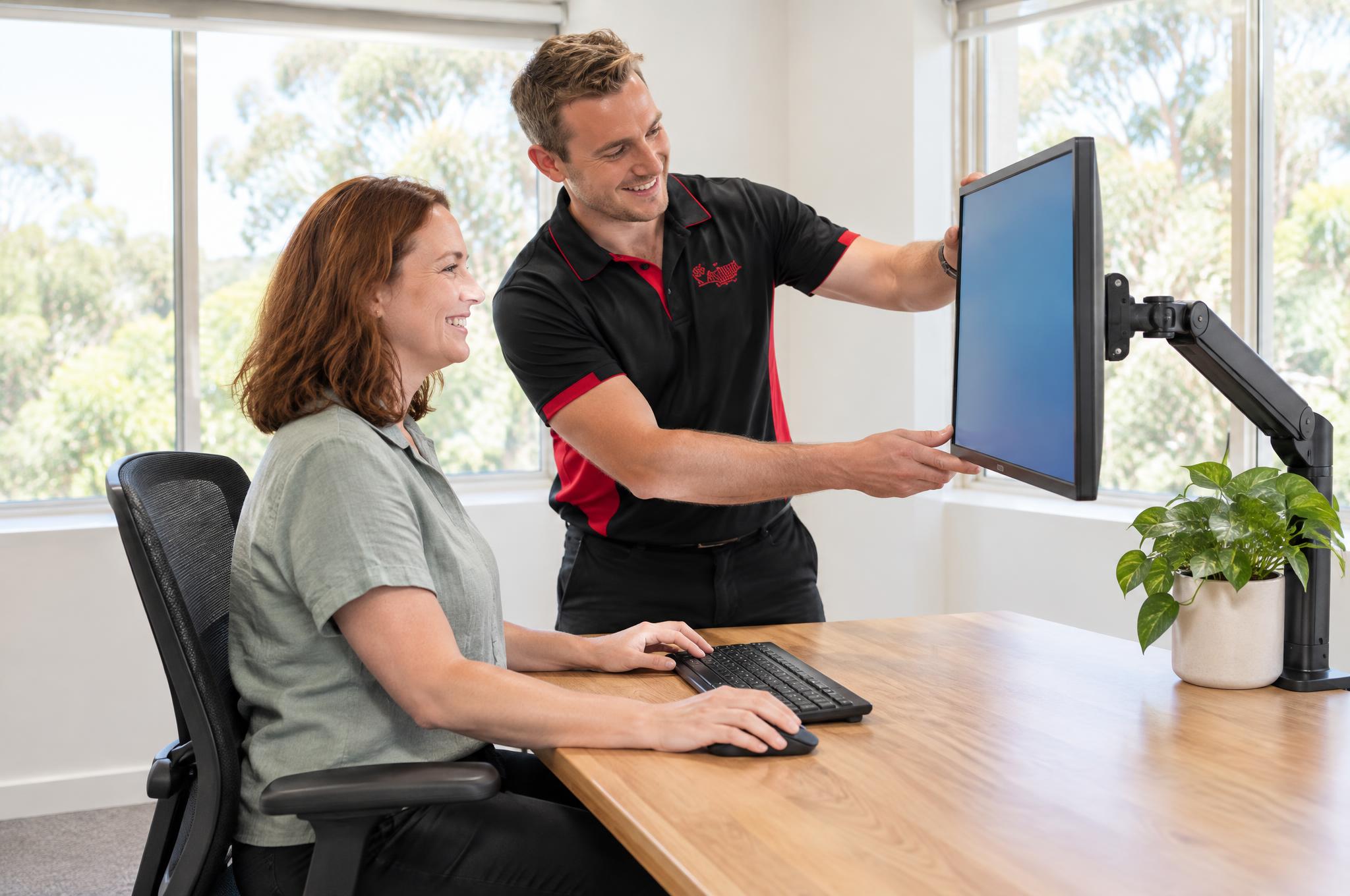
We look at what your job or course asks of you. Then we suggest changes, equipment or a graded plan to help you return when you're ready.
Daily Routines
Showering, dressing, cooking and cleaning can take more effort after an injury or illness. We find simpler ways to do each task, so your energy goes further.
Home and Equipment
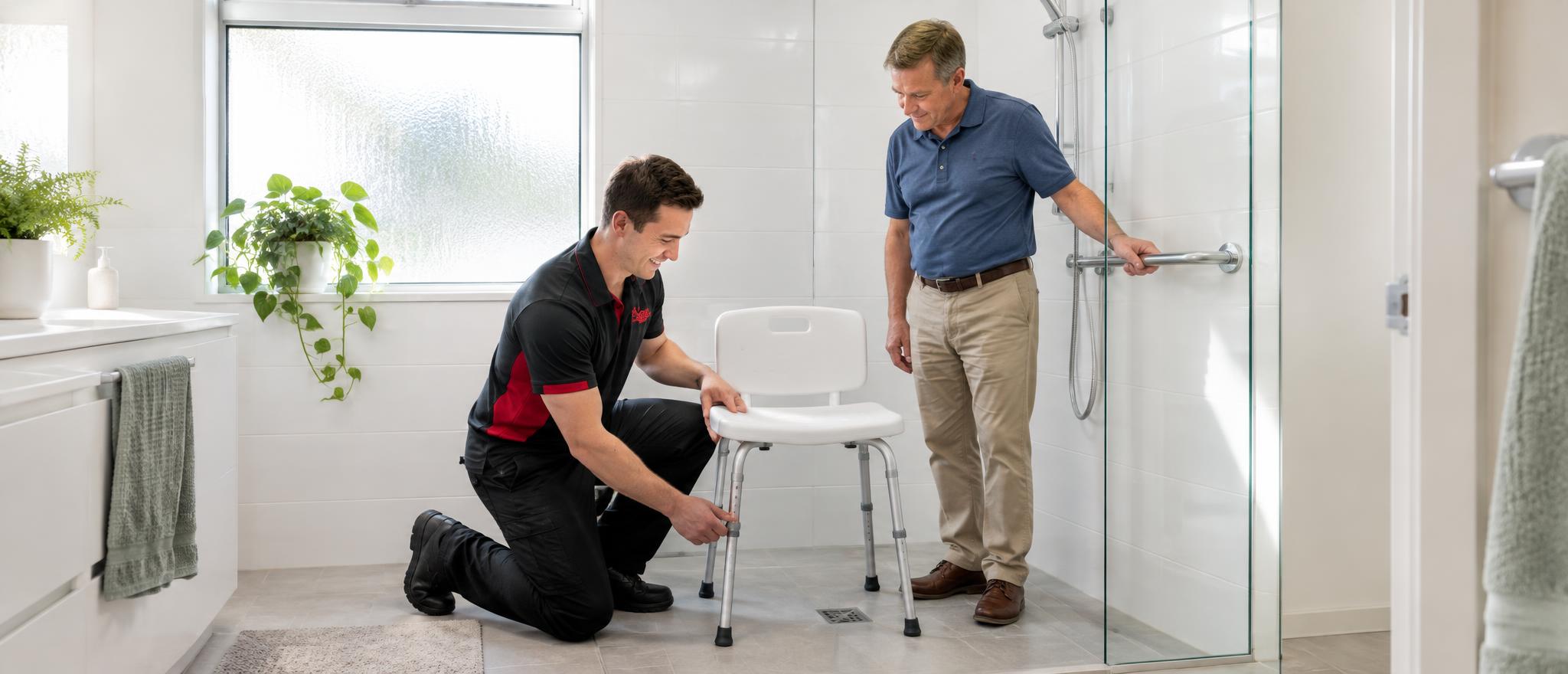
We check how your home works for you now. We may recommend grab rails, a shower chair, a wheelchair or other aids that suit your body and space.
Fatigue and Focus
Fatigue, memory and concentration changes are common after brain injury, stroke and MS. We help you plan your day, pace tasks and set up simple reminders.
Conditions we support
Adult Conditions We Often See
After an acquired brain injury, we work on daily living, thinking skills and return to work or study. We can also liaise with employers and rehabilitation coordinators.
Stroke can make familiar tasks like dressing or reaching for a glass hard. We practise those tasks at home and suggest equipment that may make them easier.
MS symptoms can change from day to day. We help with fatigue management, mobility and daily tasks, and we can see you at home or at work.
We help you adapt daily tasks, modify your home and find suitable assistive technology. We also look at workplace access if returning to work is your goal.
Mental health conditions can disrupt routines, work and relationships. We help you rebuild daily structure and return to activities you value, alongside your psychologist or psychiatrist.
Sore joints make gripping, lifting and carrying harder. We teach joint protection and pacing, and suggest aids like built-up handles that can ease daily tasks.
How Adult OT Works
Most people follow these 3 steps with us.

- 1
First Conversation
We talk about your health, your goals and what you want to get back to. We also ask how your therapy will be funded.
- 2
Assessment at Home
Your occupational therapist visits you at home, or at work if that's where the trouble is. They watch familiar tasks and note what helps.
- 3
Therapy and Review
Together you set goals and try practical strategies. Your therapist reviews progress with you and adjusts the plan as things change.
Funding
Ways to Pay for Adult OT
Most adults we see use one of these 3 pathways.
NDIS Plans
We support self-managed and plan-managed NDIS participants. Your plan sets which supports can be funded.
Insurance Claims
After a car accident or workplace injury, CTP or workers compensation may cover OT. Your insurer decides what is approved.
Private Clients
You can also pay privately, with no plan or claim needed.
Reviewed by Team Astrad, October 2026.
Who Is Adult Occupational Therapy For?
This page is for adults of working age. Most people we see here are somewhere between leaving school and retiring. They might be recovering from an injury, adjusting to a new diagnosis, or living with a condition that has changed over time. If you are older and mainly want to stay safe at home, our aged care occupational therapy service is likely a better fit.
Occupational therapy for adults tends to focus on roles. You might be a worker, a student, a parent or a partner, as well as someone looking after yourself. Your therapist asks what those roles look like now, and which ones you want back first.
How Does an OT Help You Return to Work?
Returning to work is often the goal that matters most in adult occupational therapy, and it’s rarely a single step. Your occupational therapist may:
- look at the physical and thinking demands of your job
- visit your workplace
- suggest equipment or changes to how the work is done
- help draw up a graded return-to-work plan
After a brain injury, this can mean working with your employer and your rehabilitation coordinator. Our page on brain injury occupational therapy explains how that support works.
Mental health matters here too. Anxiety or low mood can make the commute, the inbox or the team meeting feel out of reach. Occupational therapy for mental health works on routines, energy and confidence, alongside the rest of your treatment.
Other Conditions We Support
Our occupational therapy for adults also covers Parkinson’s disease. As symptoms change, we look at dressing, cooking and moving around the home, and suggest strategies that fit how you live.
Falls aren’t only a worry for older people. We check the home for hazards such as loose rugs, poor lighting and steps, then suggest changes and equipment that may lower the risk.
Funding and What to Expect
The NDIS Act 2013 says funded supports must be reasonable and necessary. The NDIA decides what your plan covers.
We usually suggest starting with a short call. Let us know which part of life you most want back. We’ll tell you plainly whether adult occupational therapy is the right place to start, or whether another service might suit you better.
Common Questions About Adult OT
What is adult occupational therapy?
Adult occupational therapy helps people aged roughly 18 to 65 manage daily tasks after an injury, illness or change in health. It covers self-care, home tasks, work, study and getting out in the community.
What does an occupational therapist do for adults?
Your OT watches how you manage familiar tasks, such as showering, cooking or a work shift. They note what helps and what gets in the way. Then you set goals together and try practical strategies, equipment or changes at home or work. Your OT reviews progress with you and adjusts the plan as things change.
How is it different from aged care occupational therapy?
Aged care OT focuses on older people staying safe and independent at home. Adult OT usually centres on working-age goals, such as returning to work or study, and on NDIS, insurance and private funding.
Will my OT talk to my employer?
Often, yes. Your OT can look at the demands of your job, visit your workplace and suggest changes or equipment. They can also help plan a graded return with your employer.
Do I need a referral?
You can contact us directly. Some funding pathways, such as an insurance claim, may need approval or a referral first. We can help you check what applies before your first visit.
Is adult OT covered by the NDIS?
It can be. We support self-managed and plan-managed NDIS participants. Your plan sets which supports can be funded, and the NDIA makes those decisions. Your plan manager or support coordinator can help you check.
Where do sessions happen?
Astrad has no clinic. Our occupational therapists visit you at home, at work or in the community across Queensland, New South Wales, Victoria and Tasmania.
Start With a Phone Call
Tell us what you want to get back to, whether that’s work, study or running your own home. We’ll explain how adult occupational therapy could help and what happens next.
Our Services
Astrad Allied Health offers a comprehensive range of services, including:
Mobile Occupational Therapy
Registered occupational therapists providing support for daily living skills, independence and participation in work, school and community activities.

Mobility Equipment Assessment
Assessment and recommendations for mobility equipment and assistive technology to support participation in daily activities across your environment.
Speech Pathology Services
Registered speech pathologists helping with communication, swallowing and language development across Queensland, NSW, Victoria and Tasmania.

Home Assessment & Modifications
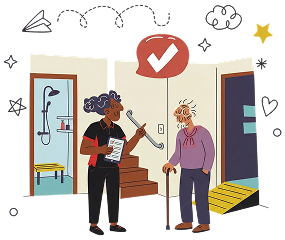
Professional home evaluations identifying modifications and equipment recommendations to improve safety, accessibility and independence.
Assistive Technology Assessment
Recommendations for assistive technology solutions like communication devices, computer access & adaptive equipment to support daily participation.

Comprehensive Therapy
Complete allied health support including ongoing therapy sessions, rehabilitation programs and personalised interventions to address all your therapy needs.