


Aged Care Funding Guide
Aged Care Funding Explained for Older Australians
This guide explains how aged care funding works in Australia and where mobile occupational therapy fits in. Astrad Allied Health delivers occupational therapy and speech pathology in your own home across Queensland, New South Wales, Victoria and Tasmania. Below we cover the main government aged care funding pathways, how an aged care assessment opens access, and how occupational therapy can help you stay safe and independent at home.

Understanding Your Aged Care Funding Options
Aged care funding in Australia comes through a few main pathways. The right one depends on your needs and an aged care assessment. Here are the options at a glance.
My Aged Care Assessment
Commonwealth Home Support Programme
Support at Home Program
Private Funding

How Aged Care Funding Works
Aged Care Funding in Australia
Government aged care funding helps older Australians get support at home or in residential care. Most people start with an aged care assessment. This decides what help you qualify for. Funding can cover everyday support, clinical care and allied health such as occupational therapy. Astrad Allied Health is a mobile provider, so our AHPRA-registered occupational therapists come to your home. This guide is general information only. It is not financial advice. It also does not cover the NDIS, which is a separate scheme.
Contact Our TeamOur Services
Astrad Allied Health offers a comprehensive range of services, including:
Mobile Occupational Therapy
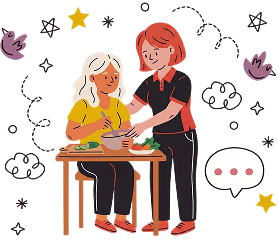
Registered occupational therapists providing support for daily living skills, independence and participation in work, school and community activities.
Mobility Equipment Assessment
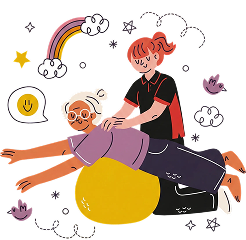
Assessment and recommendations for mobility equipment and assistive technology to support participation in daily activities across your environment.
Speech Pathology Services
Registered speech pathologists helping with communication, swallowing and language development across Queensland, NSW, Victoria and Tasmania.

Home Assessment & Modifications
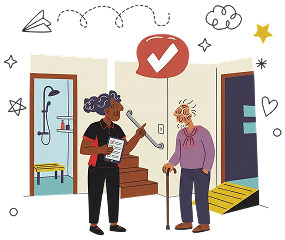
Professional home evaluations identifying modifications and equipment recommendations to improve safety, accessibility and independence.
Assistive Technology Assessment
Recommendations for assistive technology solutions like communication devices, computer access & adaptive equipment to support daily participation.

Comprehensive Therapy
Complete allied health support including ongoing therapy sessions, rehabilitation programs and personalised interventions to address all your therapy needs.
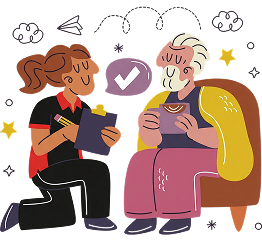

Mobile Occupational Therapy That Comes to You
Why Families Choose Astrad
Aged Care Assessment
Access to government aged care funding starts with an aged care assessment. You apply through My Aged Care, online or by phone. An assessment organisation then contacts you and reviews your health, safety and daily needs. The outcome sets which services you can access.
What Happened to Home Care Packages
Home Care Packages ended on 1 November 2025. Support at Home replaced them, along with Short-Term Restorative Care. People who had a Home Care Package moved across to Support at Home automatically.
Commonwealth Home Support Programme
The Commonwealth Home Support Programme (CHSP) offers entry-level support. It can help with tasks like cleaning, meals, minor home changes and some allied health. CHSP continues for now. It is due to move into Support at Home no earlier than 1 July 2027.
Private Pay Options
You do not have to wait for government funding. Many people choose private pay to start occupational therapy sooner. Private clients can book an assessment or therapy at a time that suits them.
Occupational Therapy in Aged Care
Occupational therapy helps older adults keep doing the things that matter. An OT can assess falls risk, recommend home modifications, prescribe equipment and support people living with dementia. This is the allied health aged care support Astrad provides.
Support at Home Program
Support at Home replaced Home Care Packages and Short-Term Restorative Care on 1 November 2025. It funds care based on your assessed needs. Clinical supports such as occupational therapy are part of this program. You do not pay a contribution for clinical supports.
How aged care funding works in Australia
Aged care funding helps older Australians get the support they need to live well. Most of this funding comes from the government. It can pay for help at home, allied health and residential care. This guide explains the main aged care funding pathways in plain language. It also shows where mobile occupational therapy fits in. Astrad Allied Health brings occupational therapy to your home across Queensland, New South Wales, Victoria and Tasmania.
Government aged care funding in Australia is separate from the NDIS. The NDIS supports people with disability. Aged care support funding is for older people, usually aged 65 and over. If you are younger or have a disability, the NDIS may be the right scheme for you instead. This page focuses on aged care funding only.
Start with an aged care assessment
Most aged care funding starts with an aged care assessment. You apply through My Aged Care, online or by phone. An assessment organisation then contacts you to arrange it. An assessor reviews your health, safety and daily needs. The assessment decides which services you can access.
The main aged care funding pathways
There are a few main pathways for government aged care funding. The right one depends on how much help you need at home.
Commonwealth Home Support Programme (CHSP)
The Commonwealth Home Support Programme is entry-level support. It suits people who need a little help to stay independent. CHSP can fund services like cleaning, meals, transport, minor home modifications and some allied health. Occupational therapy can be part of this support. CHSP continues for now. It is due to move into Support at Home no earlier than 1 July 2027.
What happened to Home Care Packages
Home Care Packages ended on 1 November 2025. Support at Home replaced them, along with Short-Term Restorative Care. People who had a Home Care Package moved across to Support at Home automatically.
Support at Home
Support at Home is the government program for older people who need help to live at home. It started on 1 November 2025. It funds care based on your assessed needs. Services are grouped into clear categories, including clinical supports. Occupational therapy is a clinical support. You do not pay a contribution for clinical supports under Support at Home.
Private pay
You do not have to wait for government funding to begin. Private pay lets you book occupational therapy at a time that suits you. Many people use private pay while they wait for an assessment or for funded services to start.
How occupational therapy supports older adults at home
Occupational therapy helps older people keep doing daily tasks safely. An occupational therapist looks at your home, your body and your goals. They then suggest practical ways to make everyday life easier. This is a common form of allied health aged care support, and it is often included in aged care funding.
- Falls prevention: checking your home and daily habits to lower your risk of a fall.
- Home modifications: grab rails, ramps and bathroom changes to improve safety. A home assessment guides this work.
- Equipment: recommending mobility aids and daily living aids that fit your needs.
- Dementia support: helping people living with dementia stay engaged and safe at home.
Funding for occupational therapy aged care can come through Support at Home or CHSP. It can also be private pay. Your aged care assessment helps decide which option is right for you.
How Astrad Allied Health can help
Astrad Allied Health is a mobile provider. Our AHPRA-registered occupational therapists come to you. We work with older adults, families and carers to support safety and independence at home. We can explain how occupational therapy fits with your aged care funding. When you are ready, contact our team to talk through your options and book a home visit.
Reviewed by the Astrad Allied Health clinical team. Meet our team.
This page is general information only. It is not financial or NDIS advice. Aged care funding is separate from the NDIS. Your aged care assessment and the government decide what funding you receive. Individual results vary. Please check current program details and eligibility before you make decisions.
Mobile Allied Health
Occupational therapy in your own home across QLD, NSW, VIC and TAS
Call (07) 3477 9366Start With an Assessment
An aged care assessment sets which funding you can access. It reviews your health, safety and daily needs at home.
We Can Guide You
Not sure where to begin. Our clinical team can walk you through your options and next steps.
Occupational Therapy Support
Falls prevention, home modifications, equipment and dementia support, all delivered in your own home.
Choose Your Pathway
Support at Home, CHSP or private pay. The right pathway depends on your needs.

Meet the People Behind Your Care
Our team is passionate about helping you achieve your goals through personalised, evidence-based care.
Meet Our TeamOur Team







Book An Appointment
Our response time is impressive


Get Help Understanding Aged Care Funding
Aged care funding can feel confusing. Our team can explain how occupational therapy fits with your funding and book a home visit that suits you.
Frequently Asked Questions
How does aged care funding work in Australia?
Aged care funding in Australia is mostly provided by the government. It helps older people get support at home or in residential care. Most funding starts with an aged care assessment through My Aged Care. This reviews your health, safety and daily needs. Based on the outcome, you may access Support at Home or the Commonwealth Home Support Programme. Private pay is also an option if you prefer to start sooner.
Does aged care funding cover occupational therapy?
Yes, occupational therapy is a form of allied health that aged care funding can cover. It may be funded through Support at Home or the Commonwealth Home Support Programme. Under Support at Home, occupational therapy is a clinical support, and you do not pay a contribution for clinical supports. Occupational therapy can help with falls prevention, home modifications, equipment and dementia support. Your aged care assessment helps decide what support you can access. You can also pay privately for occupational therapy.
What is an aged care assessment?
An aged care assessment is the first step to most government aged care funding. You apply through My Aged Care, online or by phone. An assessment organisation then contacts you to arrange it. An assessor reviews your health, safety and daily needs. The assessment decides which services you can access.
What is the Support at Home program?
Support at Home is the government program for older people who need help to live at home. It replaced Home Care Packages and Short-Term Restorative Care on 1 November 2025. People with a Home Care Package moved across automatically. It funds care based on your assessed needs. Services are grouped into clear categories, including clinical supports such as occupational therapy. You do not pay a contribution for clinical supports. The Commonwealth Home Support Programme continues for now. It is due to move into Support at Home no earlier than 1 July 2027.
Is aged care funding the same as the NDIS?
No, aged care funding and the NDIS are separate. Aged care funding supports older Australians, usually aged 65 and over. The NDIS supports people with disability, often younger than 65. Astrad Allied Health is not a registered NDIS provider, and this guide covers aged care only. If you are unsure which scheme fits your situation, speak with your GP or an aged care assessor. They can point you to the right pathway.
Can I get occupational therapy at home while I wait for aged care funding?
Yes. You do not have to wait for government aged care funding to begin occupational therapy. Many people choose private pay so they can start sooner. Astrad Allied Health is a mobile provider, so our AHPRA-registered occupational therapists come to your home. We work across Queensland, New South Wales, Victoria and Tasmania. Private therapy can help with safety, equipment and daily living while your assessment or funded services are arranged.