

NDIS Assistive Technology Funding Guide
NDIS Assistive Technology Funding Explained
NDIS assistive technology funding can feel confusing. This guide explains how it works. It covers the different cost levels. It also shows when you need an occupational therapy assessment. Our AHPRA-registered occupational therapists can assess your needs. We then prepare the report that supports your funding request.
How NDIS Assistive Technology Funding Works
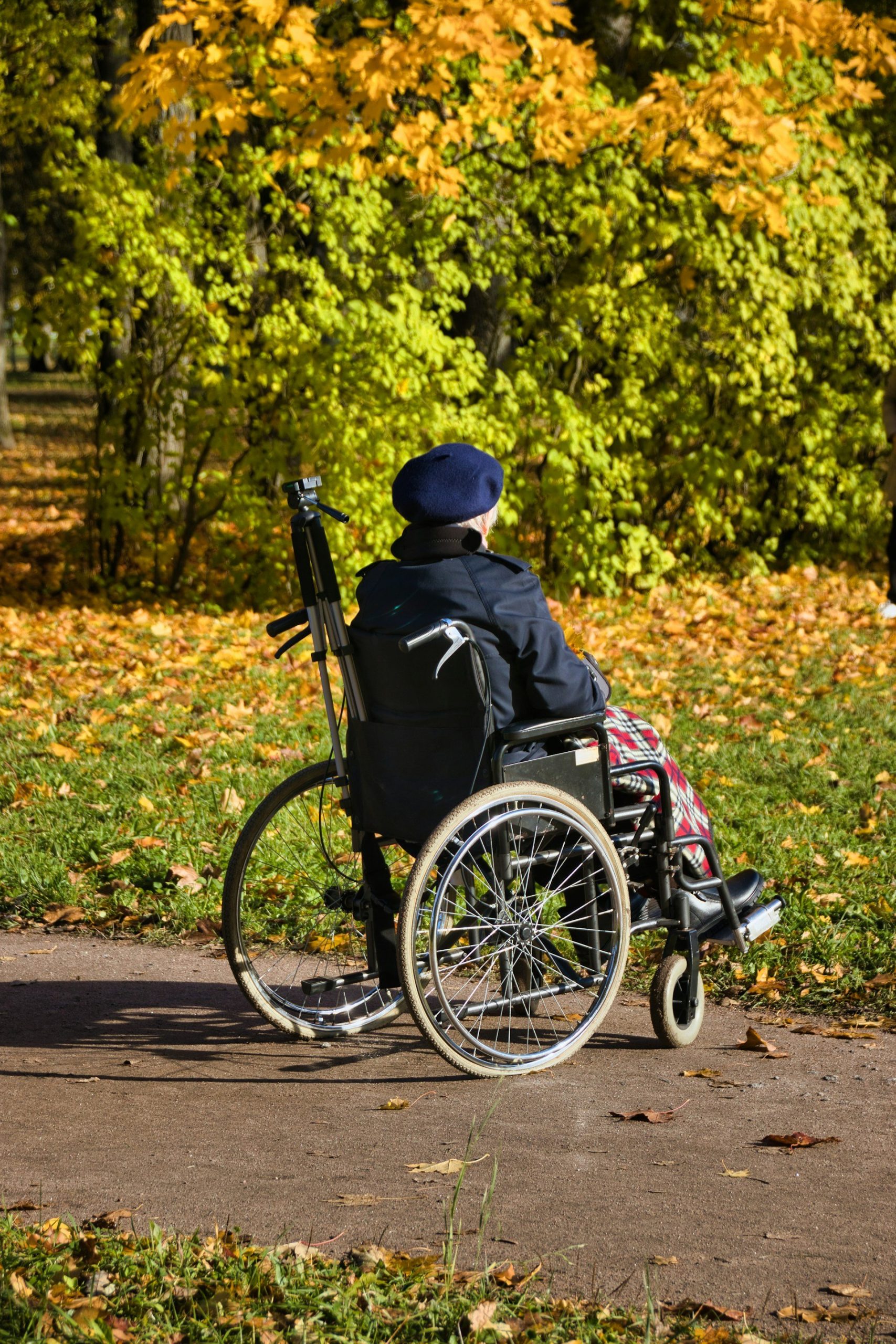
NDIS assistive technology funding has three cost levels. Assistive technology means equipment that helps you do something safely or more easily. The cost level shapes the evidence you need. Here is a simple overview to help you get started.
Three AT Cost Levels
OT Assessment Support
Mobile, In-Home Service
NDIS, Aged Care & Private

How We Can Help
How an OT Assessment Supports Your AT Funding Request
NDIS assistive technology funding often needs written evidence from a qualified professional. An occupational therapy assessment looks at your goals. It also looks at your daily tasks and your home setup. Your occupational therapist then prepares an AT assessment report. The report explains why the equipment is reasonable and necessary. It also shows how the equipment links to your plan goals. This evidence supports your NDIS assistive technology funding request. We do assessments in your home. That way your therapist can see how you live day to day. Our occupational therapists are AHPRA-registered. We support NDIS, aged care, and private clients.
About UsOur Services
Astrad Allied Health offers a comprehensive range of services, including:
Mobile Occupational Therapy
Registered occupational therapists providing support for daily living skills, independence and participation in work, school and community activities.

Mobility Equipment Assessment
Assessment and recommendations for mobility equipment and assistive technology to support participation in daily activities across your environment.

Speech Pathology Services
Registered speech pathologists helping with communication, swallowing and language development across Queensland, NSW, Victoria and Tasmania.

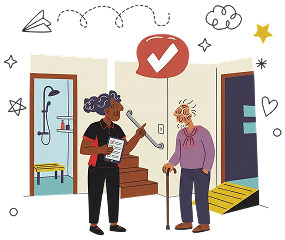
Home Assessment & Modifications
Professional home evaluations identifying modifications and equipment recommendations to improve safety, accessibility and independence.
Assistive Technology Assessment
Recommendations for assistive technology solutions like communication devices, computer access & adaptive equipment to support daily participation.

Comprehensive Therapy
Complete allied health support including ongoing therapy sessions, rehabilitation programs and personalised interventions to address all your therapy needs.


How We Support Your AT Funding
Why Choose Astrad Allied Health
Low-Cost Assistive Technology
Lower-cost assistive technology covers simple, lower-risk aids. Think dressing aids, shower stools, or kitchen aids. You can often buy these without a quote. Advice from an occupational therapist can still help you pick the right item.
Mid-Cost Assistive Technology
Mid-cost assistive technology covers items with a mid cost and risk. Examples include manual wheelchairs and mattresses. They also include communication devices. The NDIS usually asks for written evidence first. This is often an AT assessment report from your occupational therapist.
High-Cost Assistive Technology
Higher-cost assistive technology covers the most complex, higher-risk items. This includes complex wheelchairs, ceiling track hoists, and complex seating. These items need an assessment. You also need quotes and approval before you buy. Higher-cost items usually need an assessment. They also need a report from an occupational therapist. Your therapist guides you through each step of your NDIS assistive technology funding request.
Examples of Assistive Technology
Assistive technology covers a wide range of items. It includes mobility aids like wheelchairs and walkers. It covers daily living aids for dressing, bathing, and eating. It also covers communication devices. It covers home equipment too. The right items depend on your goals and your needs.
The AT Funding Request Process
The NDIS assistive technology funding process has clear steps. First, your occupational therapist assesses your needs and goals. Next, you may trial suitable equipment. Then your therapist prepares the report. They also help you gather quotes. This evidence supports your funding request. Your therapist can review the equipment later. That check makes sure it still works for you.
What the AT Assessment Report Covers
Your AT assessment report sets out your goals and daily challenges. It explains why the item is reasonable and necessary. It shows how the item helps your daily tasks. It also confirms the item suits your needs. The report is key proof for your NDIS assistive technology funding request.
Understanding NDIS Assistive Technology Funding
NDIS assistive technology funding helps you buy equipment that supports daily life. Assistive technology means any device that helps you do something. It helps you do tasks you cannot do, or cannot do safely, due to your disability. It can be a simple shower stool. It can also be a complex powered wheelchair. The NDIS checks each request against its reasonable and necessary rules. The proof you give plays a big part in that check. Good evidence makes your NDIS assistive technology funding request stronger.
The NDIS groups assistive technology into three cost levels. These are lower-cost, mid-cost, and higher-cost. Each level has its own approval steps. Lower-cost, low-risk items often need little paperwork. Higher-cost items need stronger proof. This usually means an AT assessment report from an occupational therapist. That is how funding is approved for bigger items. An experienced occupational therapy team can assess your needs. We then prepare the report that supports your request.
When You Need an OT Assessment for AT Funding
For mid-cost and higher-cost assistive technology, the NDIS usually asks for written evidence from a qualified professional. An assistive technology assessment looks at your goals. It also looks at your daily tasks and your home setup. Your occupational therapist then writes a report. The report explains why the equipment is reasonable and necessary. This is the same careful, person-centred approach we bring to our NDIS occupational therapy funding support. Some people live with complex needs. Examples include multiple sclerosis or a spinal cord injury. For them, the right equipment can make a big difference to safety and independence.
Our occupational therapists come to your home across Queensland, New South Wales, Victoria, and Tasmania. Seeing how you live day to day helps us. We can then suggest equipment that truly fits your needs. Want to talk through your AT funding request or book an assessment? Call our team on (07) 3477 9366.
Written for Astrad Allied Health and reviewed by our AHPRA-registered occupational therapists. Meet our team.
This NDIS assistive technology funding guide is general information, not NDIS advice. Funding decisions are made by the NDIA.
Last updated: June 2026.
Speak With Our Team
Have a question about your AT funding request? Call us today
Call (07) 3477 9366Goal-Focused Assessments
We start with your goals. Your assessment looks at the daily activities that matter most to you. That way the equipment we recommend fits your day to day life.
Experienced OT Team
Our occupational therapists are AHPRA-registered. We support NDIS, aged care, and private clients. Our care is practical and person-centred.
Mobile and In-Home
We come to your home across Queensland, New South Wales, Victoria, and Tasmania. Seeing your space helps us. We can then recommend equipment that works where you live.
Clear AT Reports
We prepare clear AT assessment reports backed by evidence. Each report explains why the equipment is reasonable and necessary for your funding request.

Meet the People Behind Your Care
Our team is passionate about helping you achieve your goals through personalised, evidence-based care.
Meet Our TeamOur Team






Book An Appointment
Our response time is impressive

Ready to Start Your AT Assessment?
Start your NDIS assistive technology funding request with a mobile occupational therapy assessment. We come to you. We assess your needs. We then prepare the report that supports your NDIS assistive technology funding request.
NDIS Assistive Technology Funding FAQs
What is NDIS assistive technology funding?
NDIS assistive technology funding helps participants pay for equipment that supports daily life. Assistive technology means a device that helps you do something you cannot do, or cannot do safely, because of your disability. This can include mobility aids, daily living aids, and communication devices. The NDIS reviews each request against its reasonable and necessary criteria. The evidence you provide, such as an occupational therapy report, supports your request.
What are the NDIS AT funding levels?
The NDIS groups assistive technology into lower-cost, mid-cost and higher-cost levels. Each level has different evidence requirements. Always check current NDIS guidance for your situation.
When do I need an OT assessment for AT funding?
You usually need an assistive technology assessment for mid-cost and high-cost items. The NDIS asks for written evidence from a qualified professional, such as an occupational therapist. Your therapist assesses your goals, your daily activities, and your home setup. They then prepare a report that explains why the equipment is reasonable and necessary. Low-cost, lower-risk items often do not need a formal report.
What does an AT assessment report include?
An AT assessment report sets out your goals and daily challenges. It explains why the recommended equipment is reasonable and necessary. It shows how the item supports your daily activities and links to your plan goals. The report also confirms the equipment suits your needs and your environment. This evidence helps the NDIS review your assistive technology funding request.
How does the NDIS assistive technology funding process work?
First, your occupational therapist assesses your needs and goals. You may then trial suitable equipment to check it works for you. Next, your therapist prepares the assessment report and helps gather quotes. This evidence supports your funding request to the NDIS. Once funding is in place, you can buy the equipment. Your therapist can review the item later to check it still meets your needs.
What are some examples of assistive technology?
Assistive technology covers a wide range of items. Mobility aids include wheelchairs, walkers, and scooters. Daily living aids help with dressing, bathing, and eating. Communication devices support people who find speech difficult. Home equipment can include hospital beds and hoists. The right items depend on your goals and your needs. An occupational therapist can help you choose equipment that fits your daily life.