

AHPRA-Registered Occupational Therapists Across Australia
Occupational Therapy for Multiple Sclerosis
Living with multiple sclerosis brings daily challenges that shift over time. Our registered occupational therapists work alongside you in your home to build practical strategies for fatigue management, mobility, and daily living, so you can maintain independence and quality of life.
Supporting Independence with Occupational Therapy for MS
Living with multiple sclerosis presents unique challenges, but the right support can make a meaningful difference. Our mobile MS occupational therapy focuses on practical strategies that help you maintain independence, manage fatigue, and participate in the activities that matter most to you. From adapting daily tasks to recommending assistive equipment, we work with you to find solutions that fit your life.
Evidence-Based Practice

Flexible Scheduling
Family Involvement
Collaborative Care

Our Approach to Occupational Therapy for Multiple Sclerosis
Understanding
We recognise that MS affects everyone differently, with symptoms that can fluctuate from day to day. We listen to your experience, understand your unique challenges, and tailor our approach to your current needs and long-term goals.
Collaboration
We work closely with you, your family, neurologists, and other health professionals to ensure consistent, coordinated care. This team approach helps us deliver occupational therapy that aligns with your broader MS management plan.
Accessibility
We believe effective MS support should be accessible to everyone. That is why we bring occupational therapy directly to your home, eliminating the challenges of travelling to a clinic when fatigue or mobility limitations make that difficult.
Excellence
We stay current with the latest MS research and occupational therapy interventions, continuously improving our practice to deliver the best possible outcomes for our clients living with multiple sclerosis.
Why Choose Astrad for MS Occupational Therapy
Experienced MS Support from Registered Occupational Therapists
MS-Informed Approach
Our occupational therapists understand the unique and variable nature of multiple sclerosis. We use evidence-based strategies that account for fatigue patterns, relapse cycles, and progressive changes, helping you maintain function at every stage.
Therapy in Your Home Environment
MS occupational therapy is most effective when delivered where you live and function daily. We provide mobile sessions in your home, workplace, or community setting across Queensland, New South Wales, Victoria, and Tasmania.
Whole-Person Support
MS affects physical, cognitive, and emotional wellbeing. Our occupational therapy addresses fatigue management, mobility, fine motor skills, cognitive strategies, and emotional resilience, treating the whole person rather than individual symptoms.
NDIS and Private Options
We support NDIS participants with MS-related functional capacity building. We also work with private clients, those with GP referrals, and individuals accessing other funding pathways to ensure you receive the support you need.
Practical, Measurable Progress
We focus on functional outcomes that matter to you. Whether that means managing morning routines independently, reducing fatigue throughout the day, or safely navigating your home, we track progress against meaningful goals.
AHPRA-Registered Therapists
All Astrad occupational therapists are registered with AHPRA and committed to evidence-based practice. We stay current with the latest MS research and intervention approaches to provide you with the highest standard of care.
Our Process
We follow a structured, client-centred approach to MS occupational therapy, helping you develop practical strategies for managing daily life with confidence.
- 1
Comprehensive MS Assessment
We begin with a thorough assessment of how MS affects your daily routines, energy levels, mobility, and cognitive function. This helps us understand your current abilities and identify where targeted support can make the greatest difference.
- 2
Personalised Strategy Development
Based on your assessment, we create a tailored therapy plan addressing fatigue management, adaptive techniques for daily tasks, and equipment recommendations. Every strategy is designed to fit your lifestyle and goals.
- 3
Ongoing Therapy and Support
MS is a progressive condition, and your needs may change over time. We provide ongoing therapy sessions to adjust strategies, introduce new approaches, and support you through each stage of your journey.
How MS Occupational Therapy Can Help
Fatigue Management
Fatigue is one of the most common and debilitating symptoms of MS. Our occupational therapists teach energy conservation techniques, activity pacing strategies, and environmental modifications that may help you manage your energy levels throughout the day.
Daily Living Skills
MS can affect your ability to perform everyday tasks such as dressing, cooking, and personal care. We assess these challenges and introduce adaptive techniques, modified approaches, and assistive equipment to help you maintain independence in your daily routine.
Mobility and Home Safety
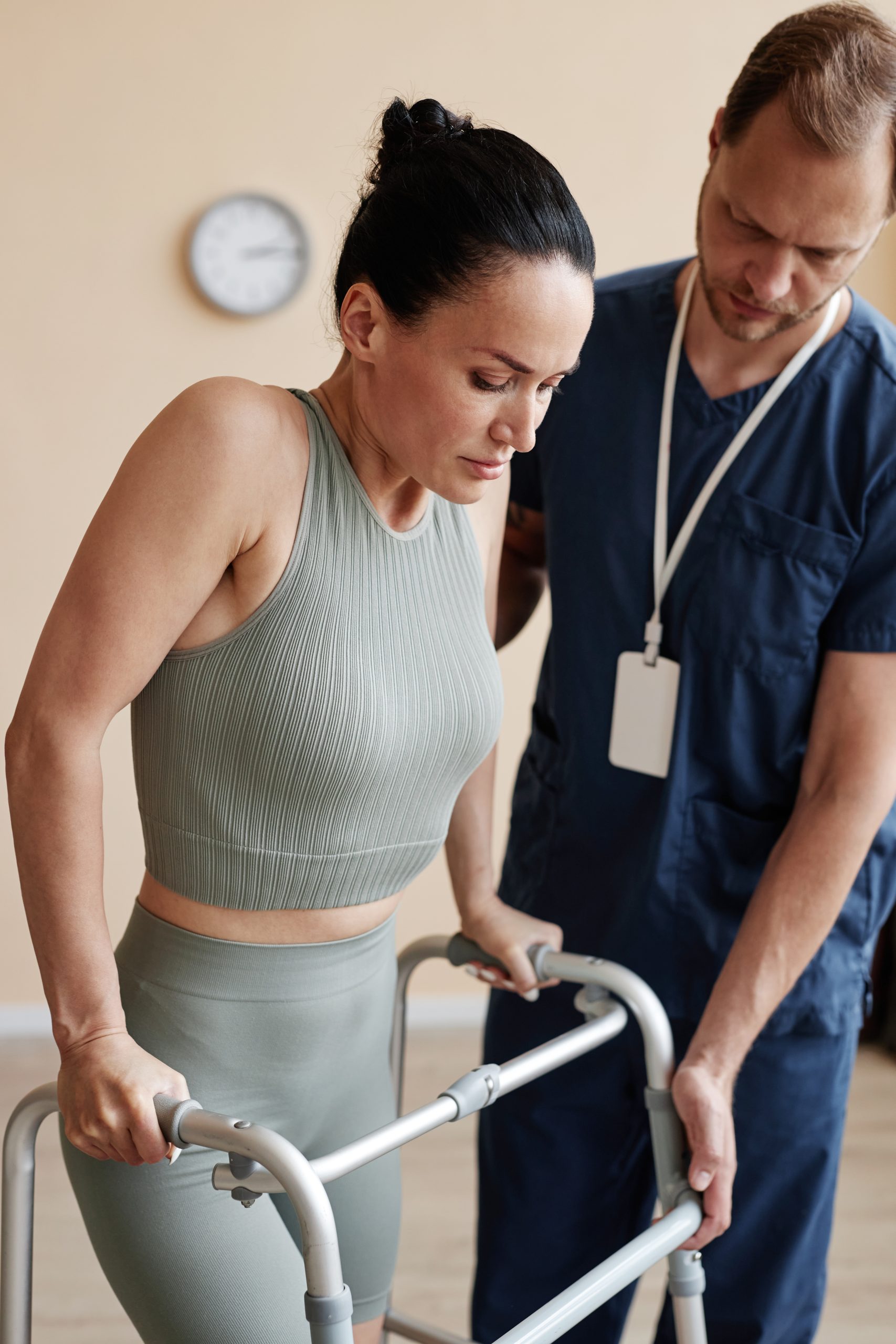
Changes in balance, coordination, and strength can affect how safely you move through your home. We conduct home assessments, recommend modifications such as grab rails and non-slip surfaces, and advise on mobility equipment to reduce fall risk and improve accessibility.
Cognitive Strategies
MS-related cognitive changes can affect memory, concentration, and problem-solving. We develop practical strategies including memory aids, structured routines, and environmental cues that support cognitive function in daily life.
Understanding Multiple Sclerosis and Occupational Therapy
Multiple sclerosis is a chronic neurological condition that affects the central nervous system, disrupting communication between the brain and body. In Australia, over 33,000 people live with MS, making it one of the most common neurological conditions affecting young adults. Symptoms vary widely and may include fatigue, muscle weakness, balance difficulties, vision changes, and cognitive challenges.
Occupational therapy plays a valuable role in MS management by focusing on maintaining independence and quality of life. Rather than treating the disease itself, occupational therapists work with you to adapt daily activities, manage symptoms, and modify your environment so you can continue participating in the things that matter most.
At Astrad, our registered occupational therapists deliver mobile MS support across Queensland, New South Wales, Victoria, and Tasmania. We bring therapy to your home, where we can assess your real-world challenges and develop strategies that work in your actual living environment. This approach is particularly beneficial for people with MS, as fatigue and mobility limitations can make travelling to a clinic difficult.
Whether you are newly diagnosed, managing a relapse, or adjusting to progressive changes, our occupational therapists can help you build practical skills and strategies for each stage of your MS journey.
Ready to Explore Occupational Therapy for MS?
Take the first step towards building practical strategies for living well with multiple sclerosis. Our mobile MS occupational therapy team delivers personalised support directly to your home across Queensland, New South Wales, Victoria, and Tasmania.
Book an MS AssessmentFrequently Asked Questions
What is occupational therapy for multiple sclerosis?
Occupational therapy for multiple sclerosis is a specialised health service that helps people living with MS maintain independence and manage the daily impacts of their condition. A registered occupational therapist works with you to identify challenges in everyday activities such as self-care, household tasks, work, and community participation. Therapy focuses on developing practical strategies, recommending assistive equipment, and adapting your environment to support your goals and quality of life as your needs change over time.
How can occupational therapy help manage MS fatigue?
Fatigue is one of the most common and disabling symptoms of multiple sclerosis, and occupational therapy plays a key role in managing it. Your occupational therapist can teach you energy conservation techniques, help you restructure daily routines to balance activity and rest, and recommend adaptive equipment that reduces physical effort during tasks. Strategies may include activity pacing, task simplification, and environmental modifications that make your home and workspace more efficient. The goal is to help you stay active and engaged while managing your energy levels effectively.
Does NDIS funding cover occupational therapy for multiple sclerosis?
Yes, occupational therapy for multiple sclerosis is commonly funded through NDIS plans under the Capacity Building Supports category, specifically Improved Daily Living. Funding can cover assessments, therapy sessions, assistive technology recommendations, home modification reports, and equipment trials. The amount of funding available depends on your individual plan goals and support needs. Our team can help you understand how your NDIS funding applies to OT services and ensure we work within your plan budget.
What does a typical OT session look like for someone with MS?
Sessions are practical and tailored to your specific goals. Your occupational therapist will begin by understanding your current challenges, strengths, and priorities. From there, sessions may involve practising strategies for daily tasks, trialling assistive equipment, assessing your home for modifications, working on hand and upper limb exercises, or developing fatigue management plans. Because Astrad provides mobile occupational therapy, sessions are delivered in your home or community setting where you actually carry out daily activities, making the support directly relevant to your life.
Can occupational therapy help with MS-related hand and upper limb difficulties?
Yes, hand and upper limb function is a common focus of occupational therapy for people with multiple sclerosis. Your occupational therapist can provide exercises and activities to maintain or improve grip strength, fine motor coordination, and dexterity. They may also recommend adaptive equipment such as modified utensils, jar openers, or button hooks to support independence with tasks like cooking, dressing, and writing. If your hand function changes over time, your therapist can adjust strategies and equipment recommendations to match your current abilities.
How does mobile occupational therapy work for people with MS?
Mobile occupational therapy means our registered occupational therapists come to you rather than you travelling to a clinic. This is particularly beneficial for people with MS who may experience fatigue, mobility limitations, or heat sensitivity that makes travelling to appointments difficult. Sessions are delivered in your home, workplace, or community setting, allowing your therapist to observe and address real challenges in the environments where you live and carry out daily activities. Astrad provides mobile occupational therapy across Queensland, New South Wales, Victoria, and Tasmania.
How do I get started with occupational therapy for MS through Astrad?
Getting started is straightforward. You can book an initial assessment directly through our website or by calling our team. No GP referral is required, though we accept referrals from GPs, neurologists, support coordinators, and other health professionals. At the initial assessment, your occupational therapist will discuss your goals, assess your current abilities and home environment, and develop a tailored therapy plan. We work with NDIS participants, as well as people accessing private funding, to ensure support is available for everyone who needs it.
Our Allied Health Services
Astrad Allied Health provides a range of occupational therapy and speech pathology services:
Mobile Occupational Therapy
Registered occupational therapists providing support for daily living skills, independence and participation in work, school and community activities.

Mobility Equipment Assessment
Assessment and recommendations for mobility equipment and assistive technology to support participation in daily activities across your environment.

Speech Pathology Services
Registered speech pathologists helping with communication, swallowing and language development across Queensland, NSW, Victoria and Tasmania.

Home Assessment & Modifications
Professional home evaluations identifying modifications and equipment recommendations to improve safety, accessibility and independence.

Assistive Technology Assessment
Recommendations for assistive technology solutions like communication devices, computer access & adaptive equipment to support daily participation.

Comprehensive Therapy
Complete allied health support including ongoing therapy sessions, rehabilitation programs and personalised interventions to address all your therapy needs.