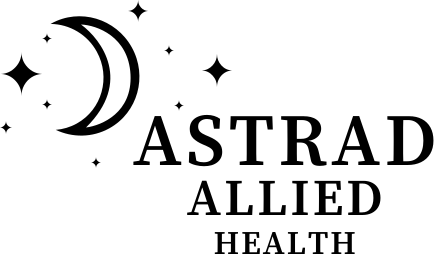
Fully Accessible
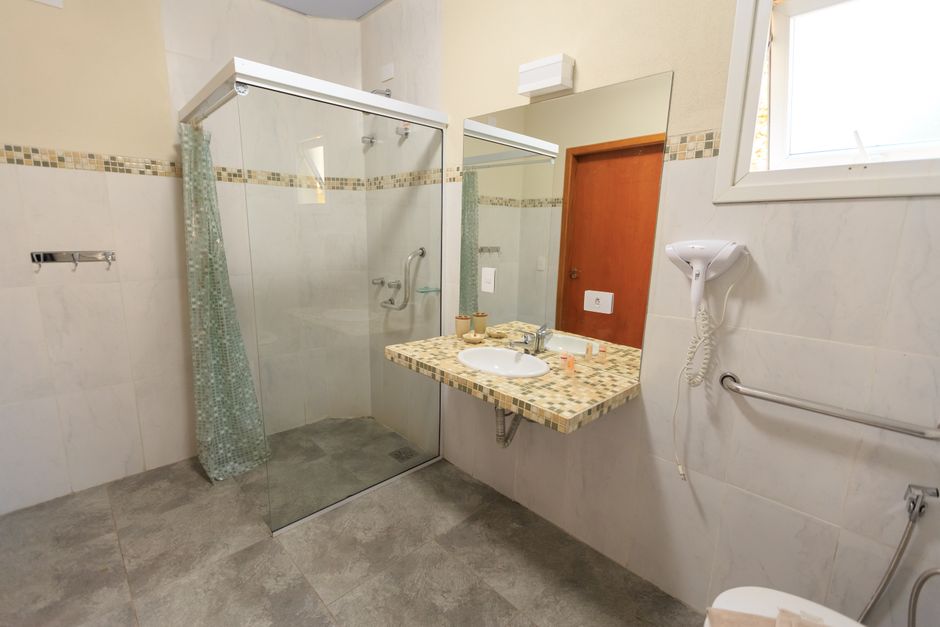
Housing designed for people with significant physical impairment. It includes step-free access, wide doorways, plenty of turning space and accessible bathrooms and kitchens.

NDIS Specialist Disability Accommodation Explained
SDA housing, short for Specialist Disability Accommodation, is purpose-built or modified housing funded through the National Disability Insurance Scheme (NDIS). It is for participants with extreme functional impairment or very high support needs. This guide explains who is eligible, the four design categories and how to apply.
Housing Funded Through the NDIS
SDA housing is built or modified to suit people with very high support needs. Features can include ceiling hoists, reinforced walls, wider doorways and level access throughout. The funding pays for the dwelling itself. It does not pay for the support workers who assist you day to day. Astrad Allied Health does not build, own, let or manage SDA housing. Our occupational therapists are registered with the Australian Health Practitioner Regulation Agency (AHPRA). They assess your functional needs and write the report that supports your funding request.
Applying for SDA housing takes preparation. There are three main stages.
Tell your planner or support coordinator that your housing needs have changed. Ask for housing to be included as a goal in your plan. This opens the door to funding for the assessments you will need.
An occupational therapist assesses how you manage daily tasks at home. The resulting report describes your functional needs. It also explains why standard housing does not work for you. Reports from your treating team can be included as well.
Your evidence goes to the National Disability Insurance Agency (NDIA) with a home and living request. The agency reviews it and decides whether to fund SDA housing. Timeframes vary, so ask your support coordinator what to expect.
Design Categories
Each category matches a different level of need. Your assessment identifies which one fits your situation. An older category called Basic still applies to some existing homes, though new SDA housing is no longer built to it.
Housing designed for people with significant physical impairment. It includes step-free access, wide doorways, plenty of turning space and accessible bathrooms and kitchens.
Housing with better physical access, plus features that help people with sensory, intellectual or cognitive impairment. Think good lighting, clear lines of sight and easy wayfinding.
Housing for people who need the highest level of physical assistance. It can include ceiling hoists, backup power, structural provision for hoisting and room for a support worker to assist safely.
Housing built with strong, durable materials. It suits people who need a resilient home that reduces the risk of injury and limits damage and disturbance to neighbours.
This is the point people get stuck on. SDA housing funds the building. Supported Independent Living, or SIL, funds the people who help you inside it.
Think of it as bricks and mortar versus hands on deck. SDA housing pays a provider for a home that has been designed or modified for very high support needs. SIL pays for support workers who assist with cooking, showering, medication and getting out into the community.
You can receive one without the other. Some people live in SDA housing and use drop-in support instead of SIL. Others receive SIL in an ordinary rental. To compare the options side by side, read our NDIS housing options guide, or learn how Supported Independent Living works. A third option, Individualised Living Options, funds a tailored living arrangement rather than a building.
SDA housing is for a small share of participants. It is funded for people whose disability creates housing needs that ordinary homes cannot meet, even after reasonable modifications.
Eligibility is judged in two parts. The needs test asks whether your disability means you require specialist housing. You will usually meet it if you have extreme functional impairment in mobility, self-care or self-management, or if you have very high support needs.
The appropriateness test asks whether SDA housing is the right answer for you. It looks at your goals, the supports you already have and whether another option would work just as well. Both parts need to be satisfied.
Meeting the criteria does not guarantee funding. The NDIA makes that decision after reviewing your evidence.
SDA payments go to the housing provider, not to you. They cover the cost of building and maintaining the dwelling.
You still pay a reasonable rent contribution, much as you would in any home. This is generally worked out from your income, including the Disability Support Pension. You also pay your own everyday costs such as electricity, food and internet.
Every situation differs. Speak to your plan manager, support coordinator or the NDIS about your own numbers.
Astrad Allied Health is an allied health provider. We do not build, own or let SDA housing, and we do not place anyone into a property. What we do is write the clinical evidence.
An AHPRA-registered occupational therapist visits you at home. They look at how you move, transfer, shower, dress and manage daily tasks. They note where your current home gets in the way. That becomes an SDA assessment report you can submit with your request.
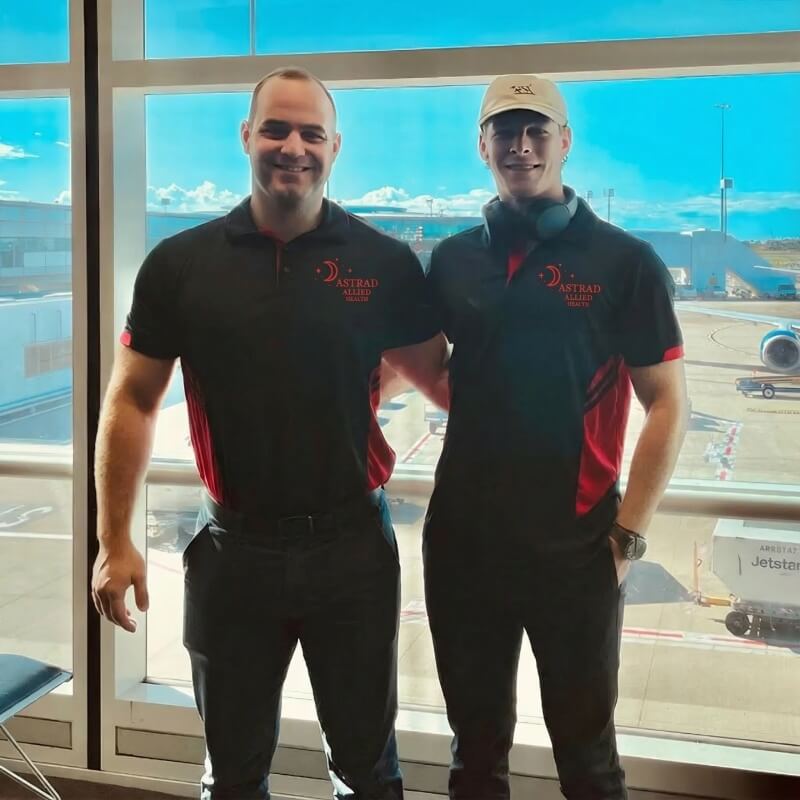
We are a mobile service, so the assessment comes to you. Our therapists work across Tasmania, Victoria, New South Wales and Queensland. Flying in is an option where distance makes that necessary. There is no clinic to attend.
Related assessments often strengthen a housing request. A functional capacity assessment documents what you can and cannot do day to day. A home assessment records the barriers in your current place.
SDA housing is rarely added to a plan by accident. You need to ask for it and back the request with evidence. Our NDIS plan review guide explains how to prepare.
If you are unsure whether SDA housing suits you, start with a conversation. Contact our team and we will explain what an assessment involves.
SDA housing, or Specialist Disability Accommodation, is housing funded by the NDIS for people with extreme functional impairment or very high support needs. The homes are built or modified with features such as ceiling hoists, reinforced walls, level access and extra circulation space. The funding pays for the dwelling itself. It does not pay for the support workers who assist you. Only a small share of participants receive it.
SDA housing pays for the building. Supported Independent Living, or SIL, pays for the people who help you inside it. SDA funding goes to the housing provider for a home designed or modified for high support needs. SIL funding pays support workers who assist with cooking, showering, medication and community access. The two are separate. You can receive one without the other, and many people receive both.
Eligibility is assessed in two parts. The needs test looks at whether your disability creates housing requirements that an ordinary home cannot meet, even with modifications. You will usually meet it with extreme functional impairment in mobility, self-care or self-management, or with very high support needs. The appropriateness test asks whether specialist housing is the right answer for your goals and circumstances. The National Disability Insurance Agency makes the final decision.
There is no single answer. Timeframes depend on how complete your evidence is, when your plan review falls and how quickly the agency works through your request. Gathering assessment reports takes time as well. The best way to avoid delays is to prepare early and submit a thorough evidence package. Your support coordinator or planner can give you a clearer idea for your own situation.
There are four design categories. Improved Liveability suits people with sensory, intellectual or cognitive impairment and adds better access, lighting and wayfinding. Fully Accessible suits people with significant physical impairment and includes step-free access and wide doorways. Robust uses strong, durable materials to reduce injury and damage. High Physical Support adds features such as ceiling hoists and backup power. An older Basic category still covers some existing homes.
Yes. SDA payments go to the housing provider and cover the dwelling. You pay a reasonable rent contribution on top, much as you would in any home. This is generally worked out from your income, including the Disability Support Pension. You also cover everyday living costs such as electricity, food and internet. Amounts vary, so check your own situation with your plan manager or support coordinator.
An Astrad occupational therapist can travel to you to complete your assessment. We work across Queensland, New South Wales, Victoria and Tasmania, and our therapists can fly in when that is what it takes. Call (07) 3477 9366 or send us a message.
Supporting Positive Change