Every parent watches with quiet wonder as their child takes those first wobbly steps, picks up a crayon for the first time, or figures out how to climb the backyard play equipment. These moments are more than milestones worth celebrating – they are visible signs of a remarkable developmental process unfolding beneath the surface. Supporting motor skill development in young children is one of the most meaningful things families, carers, and allied health professionals can do to shape a child’s future wellbeing.
Yet for some families, those milestones don’t unfold as expected. Movement may be delayed. Coordination may be challenging. Tasks that seem straightforward for other children may require significant effort. Understanding what motor skill development looks like – and when to seek professional support – can make a genuine difference in a child’s life.
What Are Motor Skills and Why Are They So Important in Early Childhood?
Motor skills refer to the ability to move and control the body with precision and purpose. They are typically divided into two categories: gross motor skills, which involve large muscle groups and movements such as running, jumping, and climbing, and fine motor skills, which involve smaller, more precise movements such as grasping, drawing, cutting, and managing buttons and zippers.
The importance of supporting motor skill development in young children extends far beyond physical movement. Research highlights that all behaviour is, at its core, motor behaviour. Motor skills lay the foundation for learning in perception, cognition, language, communication, emotional expression, and social interaction. Children with greater fine and gross motor development have been shown to demonstrate higher outcomes in emergent numeracy, emergent literacy, emotion identification, and mental flexibility by age five.
Early childhood – particularly the ages of two to six years – is identified as a critical sensitive period for motor development. The gains made during this window have lasting implications, influencing physical activity habits, academic performance, social confidence, and long-term health outcomes well into adolescence and adulthood. Fine motor development, in particular, shows a stronger relationship with these learning outcomes than gross motor development alone.
What Are the Key Motor Skill Milestones for Children Aged 0–5 Years?
Understanding typical developmental milestones helps families and carers recognise when a child’s motor development is progressing as expected – and when it may benefit from additional support. The following table provides a general overview of gross and fine motor milestones across the first five years of life.
| Age Range | Gross Motor Milestones | Fine Motor Milestones |
|---|---|---|
| 0–3 months | Lifts head and chest during tummy time; generalised reflex movements | Hands gradually open; bats at dangling objects |
| 3–6 months | Rolls tummy to back; sits with support; bears some weight on legs | Reaches and grasps objects deliberately; transfers objects hand to hand |
| 6–12 months | Sits without support; crawls; pulls to stand; first independent steps | Pincer grasp develops; points with index finger; assisted cup drinking |
| 12–24 months | Walks and runs; kicks and throws ball; walks up and down stairs with support | Self-feeds with spoon; stacks blocks; scribbles; turns book pages |
| 2–3 years | Balances on one foot briefly; avoids obstacles; climbs without railing | Copies lines and circles; builds towers; turns doorknobs; brushes teeth with help |
| 3–5 years | Hops; skips; climbs confidently on play equipment; improved agility | Holds pencil with tripod grasp; cuts with scissors; dresses independently; writes letters and numbers |
These milestones serve as general guides. All children develop at their own pace, and individual variation is entirely normal.
Research indicates that approximately 4.4% of children aged 3–6 years have decreased developmental scores, with a further 8.8% considered at risk of delay. Awareness of typical milestones helps families identify concerns early and seek appropriate support.
What Risk Factors Can Affect Motor Skill Development in Young Children?
A range of biological, environmental, and socioeconomic factors may influence how a child’s motor skills develop. Understanding these risk factors supports early identification and timely intervention.
Biological and Birth-Related Factors
Premature birth, low birth weight, and certain birth complications may be associated with lower motor development scores. Genetic conditions such as Down syndrome or cerebral palsy, as well as factors including low muscle tone (hypotonia) or retained primitive reflexes, can also affect motor development trajectories. Research also identifies being male as a factor associated with a higher likelihood of gross motor delay.
Environmental and Socioeconomic Factors
Children in low-stimulation environments, or those who spend extended periods in restrictive devices such as car seats or reclining chairs, may have fewer opportunities to build motor skills. Adequate nutrition is also important, as deficiencies in key vitamins and minerals can affect physical development. Parental unemployment and lower family income are also identified in research as risk factors for gross motor developmental delay.
Protective Factors
Importantly, research also identifies protective factors that support healthy motor skill development in young children. These include:
- High-quality, stimulating environments that encourage exploration and movement
- Strong parental and caregiver involvement in play and daily activity
- Regular opportunities for physical play, both indoors and outdoors
- Breastfeeding during infancy
- Access to early intervention services when concerns are identified
Recognising both risk and protective factors empowers families to make informed decisions about their child’s environment and development.
How Does play-based learning Support Motor Skill Development in Young Children?
Play is not simply how children pass time – it is how they learn. Research consistently demonstrates that play-based learning is highly effective for developing both gross and fine motor skills in young children. Programmes that integrate movement within enjoyable, play-oriented activities show greater effectiveness than traditional direct instruction methods alone.
Gross Motor Skills Through Play
Activities such as running, jumping, climbing, dancing, and navigating obstacle courses strengthen large muscle groups and improve coordination, balance, and agility. Even unstructured free play – particularly active outdoor play – supports locomotor skill development. Traditional games and active play are associated with improved balance, manual dexterity, and overall motor competence, especially for children with lower initial motor skills.
Fine Motor Skills Through Play
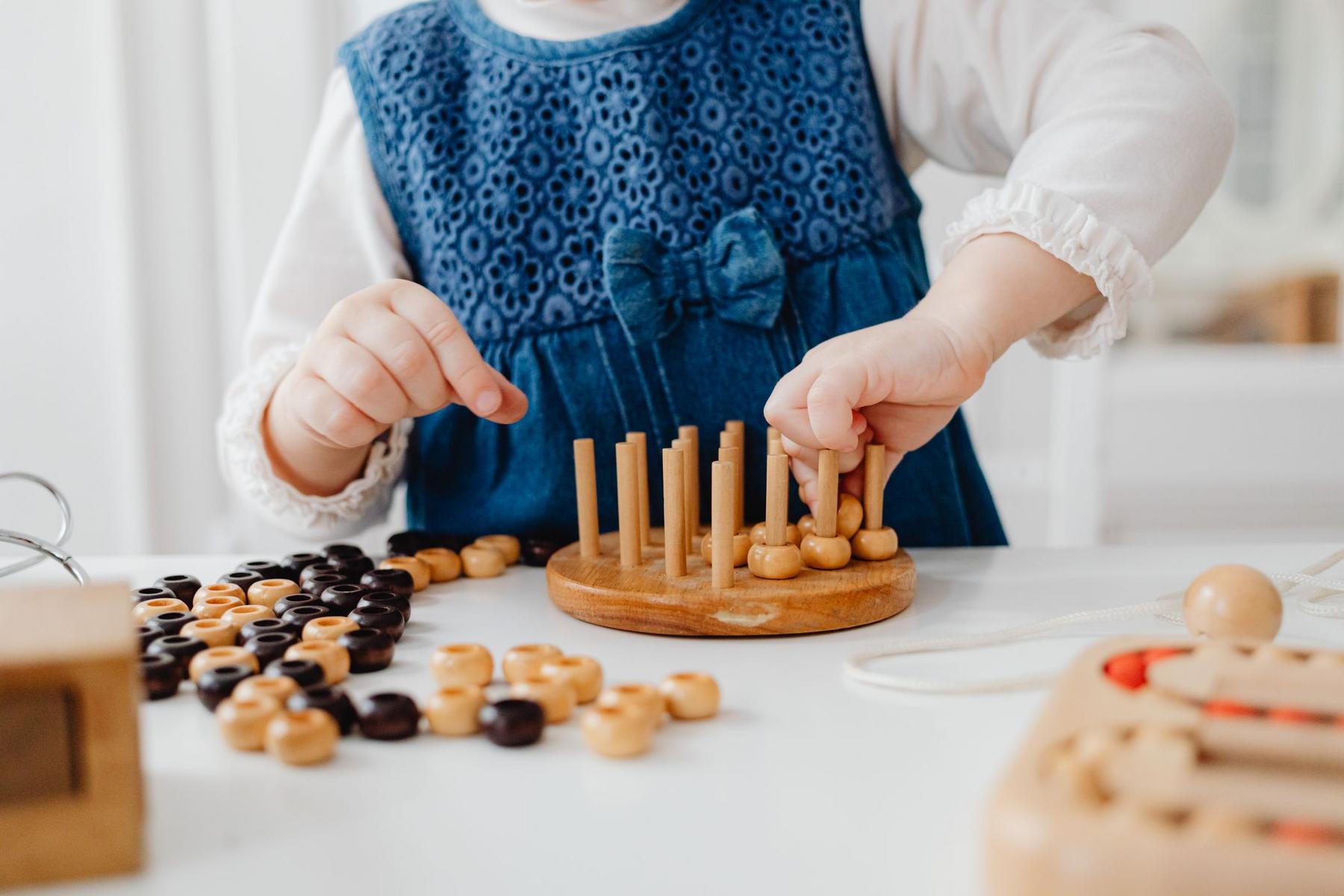
Manipulating small objects, playing with playdough, threading activities, block building, drawing, and using child-safe scissors all strengthen hand and finger control. Bath-time play – squeezing sponges, filling and pouring cups, reaching for floating toys – offers rich, everyday opportunities for fine motor development that families can easily integrate into daily routines.
The Cognitive and Social Benefits
Research suggests a link between movement and brain development. Children whose motor skills improve demonstrate corresponding gains in executive function and numeracy skills. Motor play involves the integration of perception, intention, and planning, all of which organise early brain development. Play also builds social skills, emotional regulation, and language development – reinforcing that supporting motor skill development in young children is a whole-child investment, not simply a physical one.
How Can Parents and Carers Support Motor Skill Development at Home?
Families play an essential role in a child’s motor development, particularly in the first years of life. The home environment offers countless natural opportunities to practise and reinforce motor skills as part of everyday routines.
Supporting Gross Motor Skills at Home
- Encourage tummy time from early infancy to strengthen head, neck, and upper body muscles
- Create simple indoor obstacle courses using cushions, tunnels, or low furniture
- Engage in active outdoor play – ball games, chalk hopscotch, bike riding, and climbing
- Dance to music, encouraging whole-body movement and coordination
- Practise walking up and down stairs, jumping over objects, and balancing on a chalk line
Supporting Fine Motor Skills at Home
- Offer age-appropriate puzzles, stacking toys, and construction materials
- Involve children in cooking activities such as measuring, pouring, and stirring
- Encourage self-care tasks like dressing, doing up buttons, and using a toothbrush
- Provide drawing, colouring, and collage materials regularly
- Engage in tactile play with playdough, slime, sand, or water play
Research shows that structured parent-led play programmes involving age-appropriate activities can meaningfully enhance both gross and fine motor skills in preschool-aged children. Caregiver modelling is equally important – children whose parents and carers participate actively in movement and physical activity are more likely to develop positive, lifelong movement habits.
Goal-focused home programmes designed in collaboration with a professional can also support developmental progress between therapy sessions, allowing skills to be practised and reinforced in the environments where children feel most comfortable.
When Should You Seek Professional Support for Your Child’s Motor Skill Development?
Knowing when to reach out for professional guidance is an important aspect of supporting a child’s development. If a child appears to be significantly behind typical developmental milestones, or if parents or carers notice persistent difficulties with movement, coordination, self-care, or play, it may be beneficial to consult an allied health professional.
Studies suggest that children who experience motor skill difficulties may not simply “grow out of” the problem without appropriate support. Early identification and intervention can minimise the long-term impact of developmental delays and help children access their full potential.
Occupational therapy (OT) has a strong evidence base for supporting motor skill development in young children. Occupational therapists work with children and their families to assess both gross and fine motor skills, identify areas of concern, and provide targeted, play-based intervention. Comprehensive OT intervention has been shown to result in significant gains in motor and functional skills, with child-centred, playful approaches demonstrating positive outcomes across both individual and group settings.
In Australia, children with developmental delays may be eligible for support through the National Disability Insurance Scheme (NDIS). Under the NDIS Early Childhood Approach, children under six years of age can access funded supports for developmental delay without requiring a formal diagnosis. Children aged six to nine years with a disability or developmental concern may also be eligible. Families are encouraged to contact the NDIS or an allied health provider for guidance specific to their individual circumstances.
Why Early Action on Motor Development Makes a Lifelong Difference
Supporting motor skill development in young children is not a luxury – it is a fundamental investment in their lifelong health, learning, and quality of life. Research suggests that motor skills form an important foundation for cognitive growth, academic readiness, social connection, and physical wellbeing. When children receive timely, appropriate, and engaging support – whether through enriched home environments, play-based learning, or professional allied health services – studies suggest they may be better positioned to thrive across all areas of life.
For families who have questions or concerns about their child’s motor development, reaching out early is always the right step. No concern is too small, and the earlier support is put in place, the more meaningful the outcomes can be.