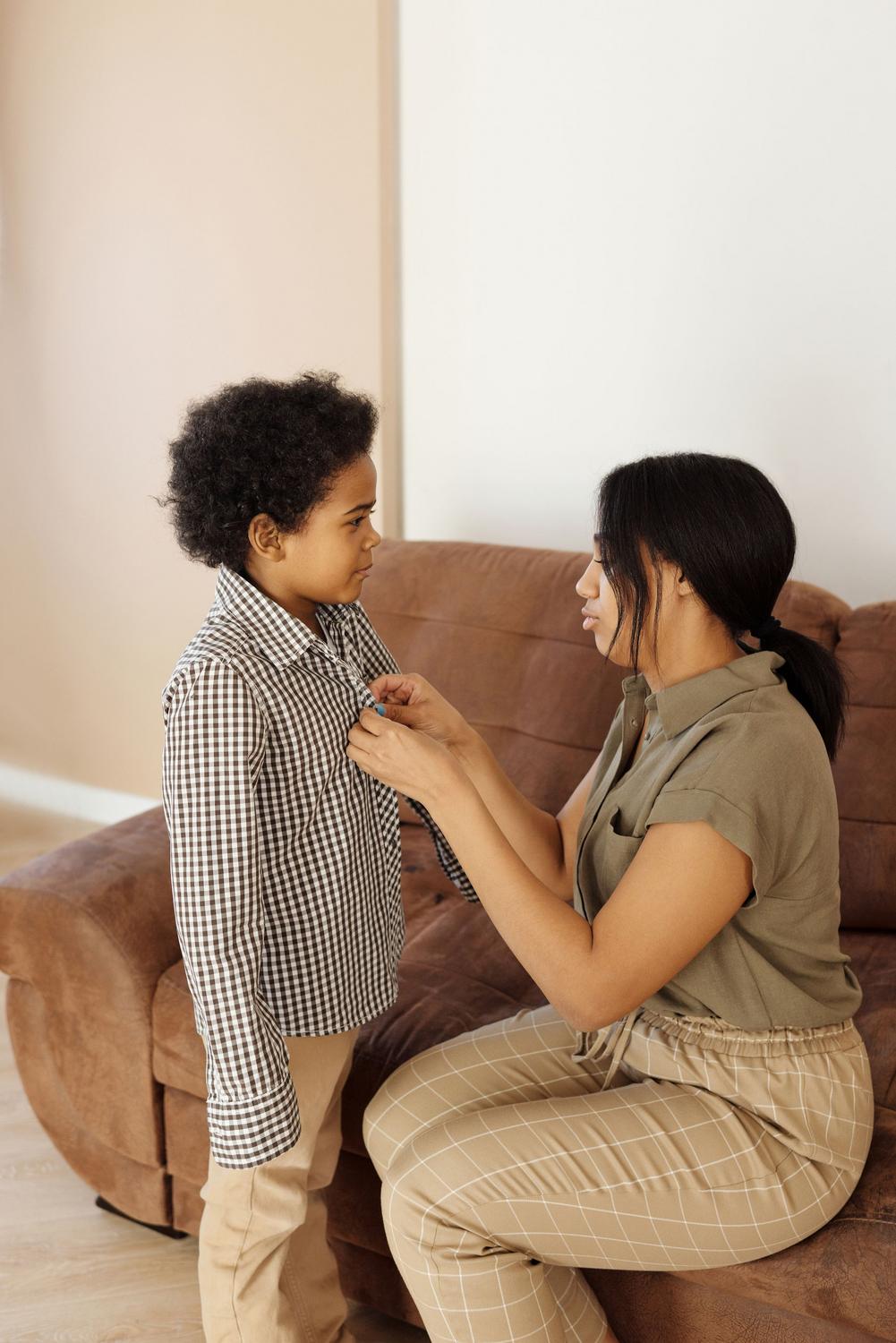
Getting a preschooler dressed in the morning can feel like a full-time job. Between the wriggling, the refusals, and the socks that “feel wrong,” it is easy to simply step in and do it yourself – especially when time is short. But those small, sometimes frustrating moments of letting your child struggle with a button or wrestle a shoe onto the correct foot are, in fact, some of the most powerful learning opportunities available to them.
Building independence in dressing skills for preschoolers is not just about convenience. It is a foundational part of child development that draws on a remarkably complex set of physical, cognitive, and sensory abilities. Understanding how these skills develop – and how you can gently support them – can make an enormous difference to your child’s confidence, school readiness, and overall independence.
What Are the Typical Dressing Milestones for Preschoolers?
Dressing independence does not happen overnight. It unfolds gradually across the early childhood years, and understanding the general progression can help families set realistic expectations and celebrate meaningful progress.
| Age | Typical Dressing Skills |
|---|---|
| 1–2 years | Cooperates with dressing; removes socks, hats, and loose items; pushes arms through sleeves |
| 2–2.5 years | Removes shoes; helps push down pants; finds armholes; unbuttons large buttons |
| 3 years | Puts on t-shirt with minimal help; pulls down elastic-waist pants; zips with assistance; identifies front of clothing most of the time |
| 3.5 years | Buttons 3–4 buttons; unbuckles shoes; undoes poppers and snaps |
| 4 years | Independently zips jacket; puts on socks correctly; consistently identifies front and back of clothing |
| 5 years | Dresses independently with little supervision; ties and unties knots |
| 6 years | Ties bows; closes back zippers; manages back buttons and snaps |
Note: Developmental milestones are general guides. Children develop at individual rates, and variation within a typical range is expected.
One of the most important things to remember is that undressing comes before dressing. Pulling clothing off requires less precision than putting it on, so most children can remove shoes, socks, and hats before they can successfully put them on. Starting with undressing – such as removing shoes before bath time or pulling off a jumper after coming inside – provides natural, low-pressure practice opportunities.
Why Is Dressing Independence Important for School Readiness?
Dressing skills are widely recognised as a key component of school readiness. Before starting kindergarten, children are generally expected to manage most dressing tasks independently – including taking shoes on and off, managing clothing for toileting, and putting on jumpers or jackets during outdoor play.
When children can manage their own clothing, they are better positioned to focus on learning rather than relying on teachers for basic care needs. This also means educators can direct their attention to instruction and to children who may need additional support.
Beyond school, the ability to dress oneself contributes meaningfully to a child’s sense of competence and self-worth. When a preschooler pulls up their own pants or threads their arm through a sleeve without help, they are not just getting dressed – they are building a belief in their own capability. This kind of everyday independence lays the groundwork for resilience and confidence across all areas of life.
What Skills Do Preschoolers Need to Dress Independently?
Dressing is a surprisingly complex task. Far from being a simple routine, it requires the integration of multiple developing abilities working together simultaneously.
Gross and Fine Motor Skills
Children need adequate gross motor skills – including balance, core strength, postural control, and flexibility – to hold a stable position while dressing. Fine motor skills such as pincer grasp, hand strength, and controlled release are essential for managing fasteners, pulling on socks, and threading arms through sleeves.
Bilateral Coordination and Body Awareness
Dressing also requires bilateral coordination – the ability to use both hands together in a coordinated way – alongside body awareness, or what occupational therapists refer to as body schema. This is the child’s internal sense of where their body parts are in space, which is essential when, for example, finding an armhole with a shirt over their head.
sensory processing
Tactile sensation plays a crucial role. Children need to process and respond appropriately to the feel of different fabrics, seams, and textures. For children with sensory sensitivities, clothing can feel genuinely uncomfortable or overwhelming, which may contribute to resistance or distress during dressing.
Cognitive and Sequencing Skills
Motor planning – the ability to organise and sequence a series of steps – underpins the entire dressing process. Children must understand directional concepts (up, down, in, out, front, back) and follow a predictable sequence of steps consistently.
Understanding these underlying skills helps explain why some children find dressing more challenging than others, and why targeted, play-based support can be so effective.
How Can backward chaining Build Dressing Independence in Preschoolers?
One of the most well-supported strategies used in occupational therapy to develop dressing independence is backward chaining. The principle is straightforward: break a dressing task into small, sequential steps, then teach the last step first.
Because the child always completes the final step, they experience immediate success at the end of every attempt. This sense of achievement builds motivation, reduces frustration, and gradually extends the child’s involvement from the end of the task backwards to the beginning.
How Backward Chaining Works in Practice: Putting on Pants
Step 1
Pick up pants by the waistband.
Step 2
Lower pants towards legs.
Step 3
Lift one leg into the pant hole.
Step 4
Lift the other leg into the pant hole.
Step 5
Pull pants up to the knees.
Step 6
Stand and pull pants to the waist.
Initially, a caregiver completes steps 1 through 5, and the child completes step 6. Once the child is confident with that step, they take on steps 5 and 6, then 4 through 6, continuing until they manage the full sequence independently.
Backward chaining works because it removes the fear of failure. Every session ends on a positive note, with the child completing the task – and that feeling of success is what keeps them engaged and willing to try again.
What Practical Strategies Help Preschoolers Learn to Dress Themselves?
Alongside formal techniques like backward chaining, a range of practical, everyday strategies can support dressing skill development at home.
Choose the Right Clothing
Start with clothing that is easy to manage. Elastic waistband pants, loose-fitting tops, slip-on or Velcro shoes, and garments with large buttons all reduce frustration and allow children to experience success earlier. As skills develop, gradually introduce more complex fastenings.
For children with sensory sensitivities, consider removing clothing labels, choosing seamless socks, washing clothes in unscented products, and allowing the child to have input into what they wear.
Use Visual Supports
Laying clothing out in the order it will be put on, using picture schedules showing each dressing step, and placing stickers on shoe insoles to indicate left and right are all simple but effective tools. Visual supports reduce reliance on verbal instruction and help children develop an internalised sense of routine.
Build Fine Motor Skills Through Play
The hand and finger strength required for dressing can be developed through everyday play activities, including:
- Threading and beading
- Playdough manipulation
- Peg play
- Button boards
- Sticker peeling
- Opening and closing containers
- Drawing and colouring activities
Dress-up play is particularly valuable, as it allows children to practise putting clothing on and off in a relaxed, playful context – without the time pressure of a morning routine.
Create Consistent Routines
Practise dressing at the same time and in the same location each day. A consistent routine reduces cognitive load, allowing the child to focus their energy on the physical task rather than anticipating what comes next. Wherever possible, practise during calm, unhurried periods – weekends and school holidays can offer more relaxed opportunities than busy weekday mornings.
Promote Body Awareness
Songs like Head, Shoulders, Knees and Toes, games like Simon Says, and movement activities such as obstacle courses all build the body awareness that underpins dressing. Naming body parts during dressing (“Now let’s put your foot through the leg hole”) reinforces this learning naturally.
When Should You Consider Seeking Occupational Therapy Support for Dressing Skills?
While variation in development is entirely normal, there are times when additional support can be genuinely helpful. If a child is consistently struggling with dressing skills that would be expected at their age, showing significant distress around clothing or dressing routines, or if dressing difficulties are affecting their participation in school or daily life, an occupational therapy assessment may provide useful insights and practical strategies.
Occupational therapists take a holistic approach – looking at the full picture of a child’s motor skills, sensory processing, body awareness, and daily routines – to identify what may be contributing to difficulty and how to support progress. Sessions can be delivered in the home or community, making it easier to put strategies into practice in real-life settings.
In Australia, families may be able to access occupational therapy support through the NDIS Early Childhood Approach. Children under the age of six with developmental concerns do not require a formal diagnosis to access early intervention support. For enquiries, families can contact the NDIS National Call Centre on 1800 800 110, or speak with their GP or paediatrician about a referral.
Supporting Your Preschooler’s Journey Towards Dressing Independence
Building independence in dressing skills for preschoolers is a gradual process – one that unfolds across years, not weeks. It requires patience, consistency, and a willingness to step back and allow children to struggle productively with tasks that are just within their reach.
The most meaningful progress happens not in grand leaps, but in small, daily moments: the morning a child pulls their shirt over their head without asking for help, or the afternoon they line up their shoes on the correct feet. These moments matter – and the strategies, routines, and support structures families put in place during the preschool years lay the groundwork for lasting independence.
Consistency across home, preschool, and any therapy settings is particularly important. When caregivers, educators, and therapists use the same language, sequences, and techniques, children can practise and consolidate skills across all the environments they spend time in.
At what age should a preschooler be able to dress themselves independently?
Most children are expected to dress themselves with little to no supervision by around five years of age. By four years, many children can manage tasks such as putting on socks, zipping a jacket, and identifying the front and back of clothing. However, development varies between children, and milestones are general guides rather than strict benchmarks.
What is backward chaining and how does it help with dressing skills for preschoolers?
Backward chaining is an evidence-based strategy where a dressing task is broken into small steps and the child is taught to complete the last step first. The caregiver assists with all earlier steps, and the child’s involvement is progressively extended backwards until they manage the full sequence independently. This approach builds confidence by ensuring the child always completes the task successfully.
How can I help my preschooler build independence in dressing without making it a battle?
Choosing appropriate clothing, allowing extra time, practising during calm periods rather than rushed mornings, and using visual supports such as picture schedules can all reduce frustration. Praising effort rather than just results, and incorporating dressing practice into play (like dress-up games), helps keep the experience positive and motivating.
Are dressing difficulties in preschoolers a sign of a developmental problem?
Not necessarily. Many children take longer to develop certain dressing skills, and this can reflect a wide range of individual factors. However, if dressing difficulties are persistent, cause significant distress, or impact daily life and school participation, it may be worth discussing concerns with a GP, paediatrician, or occupational therapist.
Can occupational therapy support dressing independence in preschoolers through the NDIS?
Yes. Occupational therapy aimed at building self-care skills, including dressing independence, may be funded through the NDIS. Children under six with developmental concerns can access the NDIS Early Childhood Approach without a formal diagnosis. Families can contact the NDIS National Call Centre on 1800 800 110 or consult with a health professional to explore available support options.