

AHPRA-Registered Paediatric Occupational Therapists Delivering Mobile Services Across Australia
Occupational Therapy for Developmental Delay
Is your child working toward key milestones? Developmental delay can affect fine motor skills, self-care, communication, and daily participation. Without timely support, these gaps may widen. Our AHPRA-registered occupational therapists deliver evidence-based, mobile therapy in your child's home, childcare, or school, helping build the functional skills they need to thrive.
Supporting Your Child's Development Through Occupational Therapy
Developmental delay occupational therapy provides individualised, evidence-based interventions across motor, cognitive, social, and self-care domains. Our mobile services bring support directly to your child's natural learning environments during critical developmental periods.

Evidence-Based Interventions

Flexible Service Delivery

Collaborative Family Approach

Multidisciplinary Coordination
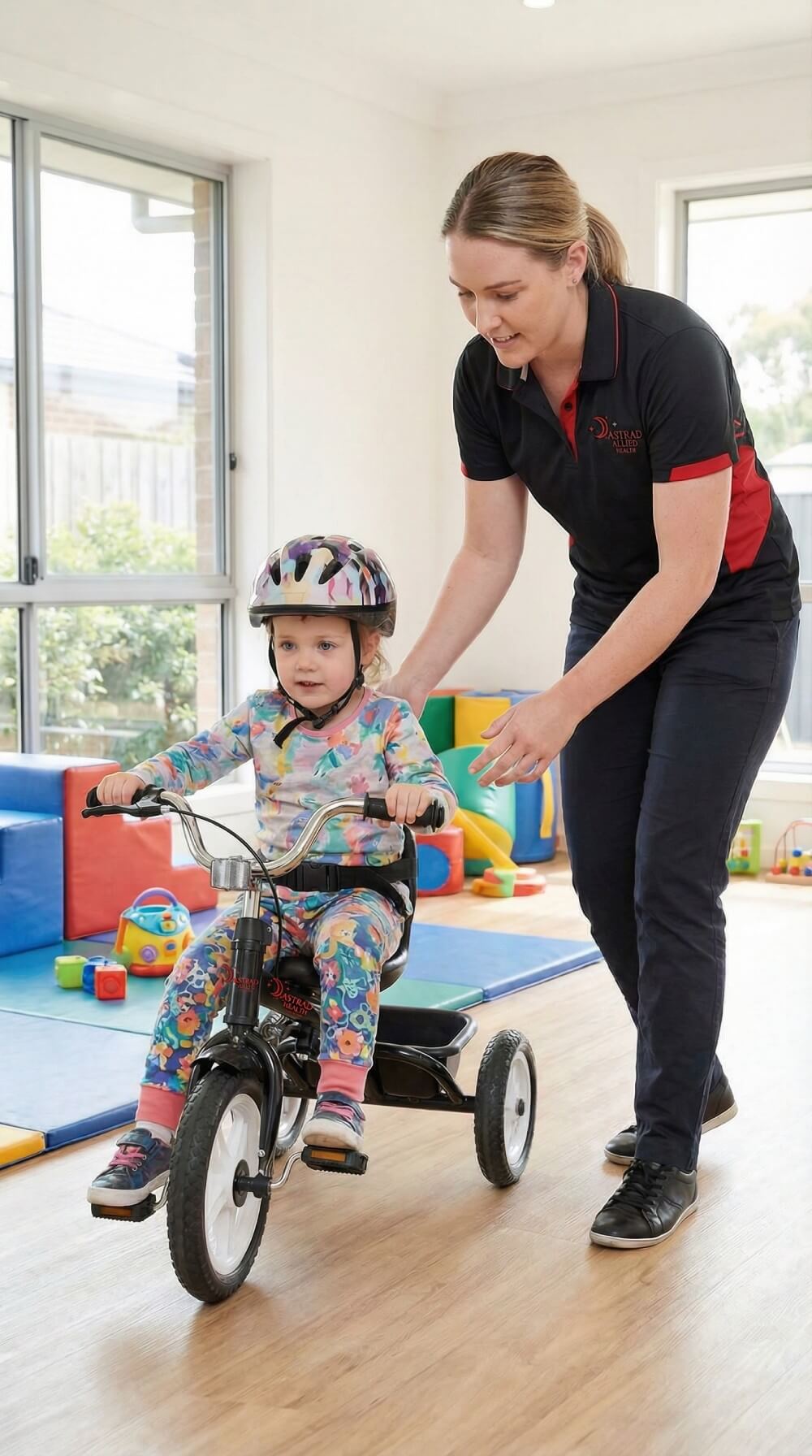
Our Approach to Developmental Delay Occupational Therapy
Child-Centred
Our developmental delay occupational therapy approach respects individual differences and builds on what your child can already do. Play-based therapy keeps children engaged and motivated while targeting functional goals.
Collaborative
We work closely with families, early childhood educators, teachers, and allied health professionals to ensure consistent strategies across all environments. Collaborative goal-setting keeps all support aligned with your child's priorities.
Accessible
Our mobile service model brings AHPRA-registered occupational therapists to your location across Australia, eliminating travel barriers. Telehealth options complement in-person sessions where appropriate.
Evidence-Informed
Every intervention is grounded in current research and clinical evidence. We apply evidence-based practice principles by integrating research with clinical reasoning and family preferences.
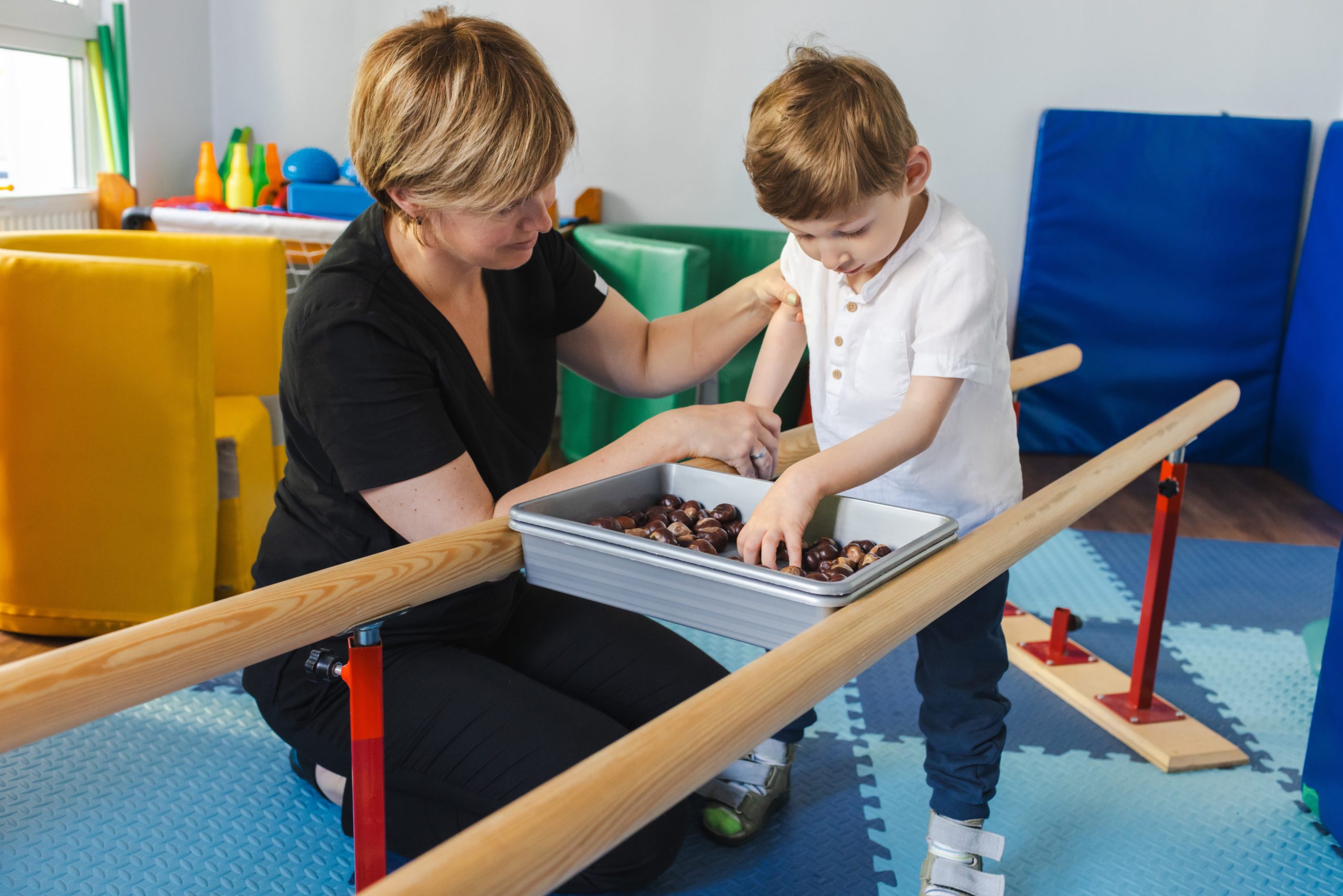
Why Families Choose Astrad for Developmental Delay Occupational Therapy
Mobile developmental delay therapy
Experienced Paediatric Occupational Therapists
Our occupational therapists bring extensive experience supporting children with developmental delay across motor, self-care, and participation domains. We use validated assessment tools designed for identifying developmental differences and stay current with evidence-based interventions.
Mobile Therapy Delivered in Your Child's Environment
We deliver developmental delay occupational therapy in your home, childcare centre, kindergarten, or school. This mobile approach removes clinic travel stress and allows therapy in real-world contexts where your child learns and plays.
Family-Centred Therapy Practice
Our occupational therapy approach positions parents, carers, and educators as active partners in therapy. Practical strategies embedded in everyday routines support consistent developmental gains throughout the week.
NDIS and Private Funding Options
We support NDIS participants with capacity building and therapeutic supports. Families can also access therapy through private health insurance or private payment arrangements.
Functional, Measurable Therapy Outcomes
We target functional abilities with clear, measurable goals. Progress tracking uses standardised assessment tools at regular intervals, giving families objective data on developmental gains and real-world impact.
AHPRA-Registered Occupational Therapists
All Astrad occupational therapists hold current AHPRA registration, confirming verified qualifications, ongoing professional development, and adherence to national practice standards set by the Occupational Therapy Board of Australia.
How Our Developmental Delay Therapy Process Works
We follow a structured, family-centred approach to developmental delay occupational therapy. Every step prioritises functional outcomes your child needs for daily life. We set goals collaboratively with families and deliver evidence-based interventions in the environments where your child learns and plays.

- 1
Comprehensive Developmental Assessment
Our occupational therapists conduct thorough assessments across motor skills, self-care, play, and daily participation. Using standardised tools designed for developmental differences, we identify your child's strengths and pinpoint areas where targeted therapy may support progress towards key milestones.
- 2
Individualised Intervention Planning
Every child's developmental profile is unique. Based on assessment findings, we create individualised therapy plans targeting specific functional goals. Our evidence-based approach focuses on practical skills that support participation in home, education, and community settings.
- 3
Ongoing Therapy and Family Coaching
We deliver regular therapy sessions in your child's natural environments and coach families in practical strategies. Our therapists monitor progress, adjust interventions based on outcomes, and collaborate with educators and other professionals to support consistent developmental gains.
How Developmental Delay Occupational Therapy Can Support Your Child
Fine Motor Skills Development
Difficulties with pencil grasp, hand strength, and bilateral coordination can affect classroom participation and daily tasks. Our therapists use play-based activities and functional tasks to build the hand skills needed for drawing, cutting, and early writing.
Self-Care Skills and Daily Independence
When children struggle with dressing, feeding, toileting, or grooming beyond the typical age, it affects confidence and family routines. Our therapists teach skills through task breakdown, visual supports, and adaptive strategies for daily independence.
Gross Motor Coordination Support
Challenges with balance, motor planning, and body awareness can limit playground participation and physical play. Our occupational therapists address gross motor development through play-based activities that build confident physical participation.
Sensory Processing Support
Sensory processing differences can lead to avoidance behaviours or distress in busy environments. Our therapists assess sensory needs and develop individualised strategies including environmental modifications and activity adaptations.
Understanding Developmental Delay and Occupational Therapy
Developmental delay describes when children have not reached expected milestones for their age across one or more areas including motor skills, cognitive abilities, communication, emotional development, or daily living skills. Unlike typical variations in development, developmental delay indicates significant gaps that may affect a child’s ability to participate in everyday activities peers manage independently.
Simple tasks like holding a pencil, getting dressed, or playing on the playground may present persistent challenges. Without appropriate support from an AHPRA-registered occupational therapist, the gap between a child’s current abilities and age-appropriate expectations can continue to widen over time.
Early identification and timely intervention are critical. Research consistently supports that children who receive targeted occupational therapy during early developmental windows may experience better functional outcomes. Developmental delay occupational therapy focuses on building the practical skills children need for independence, participation, and confidence. Understanding the difference between developmental delay and developmental disability is also important, as delay suggests a child may catch up with the right support. Our occupational therapy team assesses each child individually to determine the most appropriate intervention pathway.
Recognising Signs Your Child May Need Occupational Therapy
Parents and carers are often the first to notice developmental differences. You may observe your child consistently missing milestones that peers have reached, or struggling with tasks that seem natural for other children their age. Common signs include difficulties with fine motor skills like grasping objects, using utensils, holding crayons, or manipulating small toys during play.
Self-care challenges are another common indicator. If your child struggles with dressing, feeding, toileting, or grooming beyond the typical age range, occupational therapy assessment may provide valuable insights. Motor coordination difficulties may also affect playground participation, ball games, climbing, and physical play. Some children experience sensory processing differences, reacting strongly to touch, movement, sounds, or visual input.
If you notice persistent difficulties across multiple developmental areas, consulting an occupational therapist experienced in developmental delay is a practical next step. A comprehensive occupational therapy assessment can identify specific needs and guide evidence-based planning tailored to your child’s unique profile.
How Occupational Therapists Assess Developmental Delay
Developmental delay occupational therapy assessment involves thorough evaluation across multiple functional areas. Our therapists use standardised assessment tools measuring motor skills, visual-motor abilities, self-care independence, and functional performance. These assessments compare a child’s current abilities to expected developmental milestones, providing objective data to guide intervention planning.
Beyond formal testing, our occupational therapists observe children in natural environments where they play, learn, and interact with others. We gather information from parents, educators, and other professionals to build a complete picture. Assessment findings inform individualised intervention planning targeting specific areas needing support, creating a therapy roadmap aligned with family priorities.
The assessment process also identifies whether referral to other professionals may benefit your child. Our therapists coordinate with paediatricians, speech pathologists, and other allied health professionals to ensure comprehensive developmental support when multiple areas need attention.
Developmental Delay Occupational Therapy Interventions
Developmental delay occupational therapy interventions are tailored to each child’s unique profile and functional goals. Fine motor skill development forms a core component, with therapists using play-based activities that strengthen hand muscles, improve coordination, and develop the precision needed for drawing, cutting, and manipulating small objects. These foundational skills support handwriting readiness and classroom participation.
Gross motor interventions address balance, coordination, motor planning, and body awareness through purposeful movement activities. Self-care skill development represents another critical area, where occupational therapists teach children age-appropriate independence in dressing, feeding, grooming, and hygiene through task breakdown and adaptive strategies. Our therapists often collaborate with allied health professionals when multiple developmental areas need coordinated support.
For children experiencing sensory processing difficulties, therapy may include sensory-based approaches aimed at supporting sensory regulation, reducing distress in challenging environments, and promoting engagement in daily activities. Strategies are individualised to each child’s sensory profile and integrated into natural routines.
The Role of Play in Developmental Delay Therapy
Play forms the foundation of effective developmental delay occupational therapy for children. Through play, children naturally practise emerging skills, explore their environment, and develop cognitive, motor, social, and emotional abilities. Our occupational therapists design play-based sessions that engage children while targeting specific developmental goals.
Therapeutic play activities are carefully graded to challenge children just beyond their current skill level, promoting progress without overwhelming frustration. A child working on fine motor skills might engage in play dough manipulation, bead threading, or construction activities that strengthen hands and develop coordination. Gross motor play involves crawling, climbing, balancing, and throwing and catching activities.
Play-based therapy helps children associate skill-building with positive experiences rather than clinical exercises. This intrinsic motivation supports better participation during sessions and encourages children to practise emerging skills independently during free play at home and school.
Supporting Children with Global Developmental Delay
Global developmental delay describes significant delays across two or more developmental areas. Children with global developmental delay often require comprehensive occupational therapy support addressing motor skills, self-care, cognitive development, and participation across home, education, and community settings.
Developmental delay occupational therapy for global delays takes a holistic approach, prioritising functional skills that support participation and quality of life. Our therapists work closely with families to identify meaningful goals. Collaboration with other professionals proves particularly important, and our team coordinates with paediatricians, speech pathologists, and psychologists to provide comprehensive, coordinated care.
NDIS plans for children with global developmental delay may include funding for capacity building supports targeting multiple functional domains. Our team assists families with NDIS documentation, progress reporting, and plan review preparation to ensure continued access to the developmental support their child needs.
Family-Centred Practice in Developmental Delay Therapy
Effective developmental delay occupational therapy involves families as active partners in every stage. Parents and carers possess invaluable knowledge about their child’s strengths, challenges, preferences, and routines. Our therapists respect this family expertise and incorporate priorities into collaborative goal-setting and intervention planning.
We provide families with practical strategies for daily routines, extending therapeutic learning beyond formal sessions. Bath time, mealtimes, dressing, and play become opportunities for skill development when families have the right guidance. Research suggests interventions embedded in daily routines may enhance skill acquisition and generalisation.
Our mobile service model supports family-centred practice by delivering therapy in home and community environments. This allows therapists to observe routines firsthand and provide contextually relevant strategies that fit naturally within family life. Family wellbeing is also part of our focus, with clear information and supportive guidance helping families feel confident and equipped in supporting their child’s development.
Occupational Therapy in Childcare, Kindergarten, and School Settings
Children with developmental delay often need occupational therapy support within educational environments. Our therapists work in childcare centres, kindergartens, and schools to address participation challenges affecting learning and social engagement. We collaborate with educators to modify activities, adapt environments, and implement strategies supporting inclusion.
Educational occupational therapy may target handwriting readiness, scissor skills, attention during learning activities, social participation during play, or self-care independence in school routines. Consultation with educators forms an important component, providing teachers with practical strategies, environmental modifications, and activity adaptations that support participation throughout the school day.
Our mobile model makes school-based developmental delay occupational therapy accessible without disrupting family schedules. Therapists travel to your child’s educational setting, minimising missed learning time and allowing observation of real classroom challenges as they occur.
Evidence-Based Practice in Developmental Delay Occupational Therapy
All developmental delay occupational therapy interventions at Astrad are grounded in current research and clinical evidence. Our therapists apply evidence-based practice principles, integrating the best available research with clinical reasoning and family preferences to guide every therapy decision.
Research into early intervention effectiveness suggests timely, targeted support during early childhood may positively influence developmental trajectories. Task-oriented approaches focusing on functional skill practice in meaningful contexts show effectiveness for motor skill development. Coaching models that build parent and carer capacity show promise for embedding therapeutic strategies within daily routines.
Our therapists stay current with emerging research through ongoing professional development and engagement with occupational therapy literature. This commitment to evidence-informed practice means families can trust that therapy recommendations are supported by research, not based on outdated methods or unsupported claims.
Measuring Progress in Developmental Delay Therapy
Monitoring progress involves regular assessment of functional outcomes aligned with individualised goals. Our therapists use standardised assessment tools at defined intervals to measure skill acquisition and developmental progress. These objective measures provide clear data on whether interventions are supporting the intended outcomes.
Beyond formal assessment, we track progress through observation of functional performance in natural environments. Can your child now dress independently? Have fine motor skills improved enough to support classroom participation? These functional outcomes provide meaningful, real-world indicators of therapeutic effectiveness. When progress differs from expectations, we investigate barriers and adjust our approach.
Progress reports are prepared for NDIS plan reviews and school transition meetings. Families receive clear, jargon-free summaries of their child’s developmental gains and recommendations for ongoing support priorities.
When to Consider Occupational Therapy for Developmental Delay
Consider developmental delay occupational therapy assessment when developmental concerns persist or significantly impact daily participation. If your child consistently struggles with skills that peers have mastered, experiences frustration during self-care tasks, avoids activities due to motor or sensory challenges, or receives feedback from educators about developmental differences, assessment may provide valuable insights.
Early intervention research supports the value of timely support during critical developmental periods. While all children develop at individual paces, significant or persistent delays warrant professional assessment. Accessing developmental delay occupational therapy does not require a medical diagnosis. Parents can contact our occupational therapy services directly for assessment.
Common referral triggers include concerns raised at maternal and child health checks, observations from childcare educators or teachers, difficulty keeping up with peers in physical or fine motor activities, and challenges with self-care independence appropriate to the child’s age. Paediatrician referral may also help explore funding options through NDIS.
Funding Options for Developmental Delay Occupational Therapy
Several funding pathways support access to developmental delay occupational therapy in Australia. The National Disability Insurance Scheme (NDIS) provides funding for eligible children with developmental disabilities. NDIS plans may include capacity building supports for assessment, intervention, assistive technology, and functional skill development goals.
Private health insurance policies with allied health extras may provide rebates depending on individual policy terms. Private payment arrangements are also available, with transparent fee information provided upfront.
Not sure which funding pathway suits your family? Contact our team for obligation-free guidance. We help families navigate the options and connect with developmental delay occupational therapy support regardless of funding source. Our team assists with all documentation and reporting requirements across NDIS and private health insurance claims.
Get Started with Developmental Delay Occupational Therapy
If your child experiences developmental delay affecting daily participation, occupational therapy may provide valuable support for skill development and functional independence. Our AHPRA-registered occupational therapists deliver mobile services across Australia, bringing comprehensive assessment and evidence-based interventions to your home, childcare, or school environment.
Taking the first step involves contacting our team to discuss your child’s needs. We provide obligation-free consultations explaining our approach, answering questions about funding and logistics, and determining whether developmental delay occupational therapy aligns with your family’s priorities. Our assessment process begins with thorough evaluation followed by collaborative goal-setting and individualised planning.
Explore our full range of allied health services including speech pathology and assistive technology assessment for comprehensive developmental support.
Our Allied Health Services
Astrad Allied Health provides comprehensive occupational therapy and speech pathology services across Australia:
Mobile Occupational Therapy
Registered occupational therapists providing support for daily living skills, independence, and participation across home, education, and community settings for people of all ages.

Mobility Equipment Assessment
Professional assessment and evidence-based recommendations for mobility equipment and assistive technology to support safe, independent mobility and participation.

Speech Pathology Services
Registered speech pathologists supporting communication, swallowing, language development, and social communication across the lifespan through mobile service delivery.

Home Assessment and Modifications
Comprehensive home evaluations identifying environmental barriers and recommending modifications and equipment to improve safety, accessibility, and independent living.

Assistive Technology Assessment
Specialist assessment and recommendations for assistive technology solutions including communication devices, computer access equipment, and adaptive technology for daily living.

Comprehensive Therapy Programs
Ongoing occupational therapy and speech pathology sessions, rehabilitation programs, and personalised intervention plans delivered through flexible mobile service arrangements.