Understanding Speech and Language Assessment
A speech and language assessment is a structured clinical evaluation conducted by a qualified speech pathologist. Its purpose is to identify communication strengths and areas of difficulty across multiple domains, including speech sound production, language comprehension, expressive language, voice quality, fluency and pragmatic skills. For many families, this assessment is the first step toward understanding why communication challenges exist and what can be done to address them.
Results from a speech assessment inform clinical diagnosis and treatment planning. The evaluation provides a clear, evidence-based picture of current abilities and identifies specific areas where targeted support may help. This approach ensures that recommended therapy addresses the right goals from the outset, rather than relying on guesswork.
At Astrad Allied Health, our speech pathologists use standardised assessment tools validated for Australian populations. We combine formal testing with natural observation and language sampling to build a thorough understanding of communication abilities across different contexts. This multi-method approach captures how communication functions in real-world settings, not just in a clinical environment.
Whether you are seeking assessment for a child with developmental concerns or an adult managing acquired communication changes, our evaluations are tailored to individual needs. Each assessment considers age, cultural background, communication goals and the environments where communication matters most. Learn more about our full range of speech pathology services.
When to Consider a Speech and Language Assessment
Recognising when to seek a speech assessment can be difficult. Many parents wonder whether their child’s communication is developing at an expected rate, while adults may dismiss changes as minor inconveniences. Early identification of communication difficulties typically leads to better outcomes. The longer challenges go unaddressed, the more they can affect confidence, learning, relationships and daily participation.
For children, signs that may indicate the need for assessment include delayed speech development, limited vocabulary for their age, difficulty following instructions, trouble expressing ideas clearly or frustration when trying to communicate. A paediatric speech assessment can identify specific language difficulties and support timely intervention during critical periods of language development. Explore our dedicated speech therapy for language delay services for more information.
Adults may benefit from assessment following stroke, traumatic brain injury, progressive neurological conditions such as Parkinson’s disease or motor neurone disease, or voice disorders affecting work or social communication. A speech and language assessment identifies the functional impact of these changes and helps establish clear rehabilitation goals. Understanding the specific nature of communication difficulties allows intervention to be targeted and effective.
School-aged children struggling with reading, spelling, classroom comprehension, social communication or persistent speech sound errors may also benefit from assessment. These academic and social challenges often have underlying language or literacy components that, once identified, can be addressed through tailored speech pathology intervention. Our team also supports children with autism spectrum disorder who may need assessment of social communication and pragmatic language skills.
What Happens During a Speech Assessment
Your assessment begins with a detailed case history discussion. We ask about communication concerns, developmental milestones, medical background, family history and current functional impacts on daily life. This conversation provides essential context for selecting appropriate assessment tools and interpreting results accurately. We also discuss your goals so the assessment focuses on what matters most to you and your family.
The evaluation itself includes standardised testing appropriate for age and presenting concerns. We may assess receptive vocabulary, expressive language, phonological processing, articulation accuracy, narrative skills and pragmatic language abilities. Testing duration varies but typically takes one to two hours depending on age, complexity and the assessment scope required. Our speech pathologists work at each individual’s pace, allowing breaks as needed.
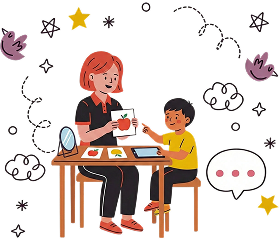
For children, we structure assessment activities to feel like play. Engaging tasks and age-appropriate materials keep children comfortable and allow us to observe authentic communication. For adults, we explain each assessment component and ensure full understanding throughout the process. Comfort and rapport are essential for accurate results, and our clinicians create a supportive assessment environment for every individual.
Beyond formal testing, we observe natural communication in real interactions. How does the individual communicate in conversation? What strategies do they use? What barriers exist? This functional observation provides crucial clinical information that standardised tests alone cannot capture. It helps us understand how communication works in everyday situations, not just under test conditions. Our mobile assessment service means we can observe communication in natural environments where challenges are most evident.
Speech Assessment Areas and Domains
Speech sound production assessment examines how clearly an individual produces sounds in words and conversation. We evaluate articulation accuracy, phonological patterns, speech intelligibility and oral motor function. This assessment identifies whether speech sound difficulties are present, what type they are and what intervention approach may be most effective. For children, we also assess stimulability, which helps predict how quickly certain sounds may develop with therapy support.
Receptive language assessment evaluates understanding of spoken language. Can the individual follow instructions of increasing complexity? Do they understand vocabulary appropriate for their age? Can they comprehend abstract concepts? Receptive language forms the foundation for all communication. Difficulties in this area can affect learning, social interaction and daily functioning in ways that are not always immediately obvious.
Expressive language assessment examines how an individual communicates ideas, needs and thoughts. We assess vocabulary use, sentence structure, grammar, word-finding abilities and narrative skills. Strong expressive language is essential for effective communication across all contexts, from classroom learning to workplace interactions. Difficulties can range from limited vocabulary to challenges organising thoughts into coherent sentences.
Pragmatic language assessment examines social communication skills. Does the individual take turns in conversation? Can they interpret non-verbal cues such as facial expressions and body language? Do they adjust communication based on context and audience? Pragmatic skills are essential for successful social interaction, friendship development and professional communication. Our assessments in this area are particularly relevant for individuals with autism spectrum disorder.
Understanding Your Speech Assessment Report
Following assessment, you receive a comprehensive written report typically within 10 to 14 business days. The report includes detailed results from all assessment components, clinical interpretation of findings, functional impact analysis and evidence-based recommendations. We write reports in clear, accessible language so that families, educators and other health professionals can all understand the findings and act on them.
Results are presented using standard scores and percentile ranks, showing how performance compares to age-matched peers. We explain what these scores mean in practical terms for daily communication, learning and participation. Our reports translate clinical data into meaningful information about how communication difficulties affect real-world functioning, not just numbers on a page.
The report identifies specific strengths alongside areas of difficulty. Understanding both is essential for effective intervention. We build on existing strengths while addressing challenges, providing a clear picture of how communication difficulties may impact daily functioning, social participation and quality of life across different environments.
Most importantly, the report includes clear, actionable recommendations. What type of therapy may help? How often should sessions occur? What strategies can family members use at home? What accommodations might support success at school or work? These recommendations provide a roadmap for next steps and can be shared with educators, employers and other treating professionals. Visit our comprehensive therapy page to learn about ongoing intervention options.
Speech Assessment for NDIS Participants
NDIS participants requiring speech pathology supports need detailed assessments that clearly document communication goals, functional impacts and therapy recommendations. Our reports are written to meet NDIS requirements for capacity building and improved daily living funding categories. We understand the level of detail that plan managers and the NDIA require to approve speech pathology funding in participant plans.
Our assessments clearly demonstrate how communication difficulties affect participation, independence and community access. We provide specific therapy goals aligned with NDIS frameworks, estimated duration and frequency of recommended supports, and expected outcomes. This level of detail supports strong funding submissions and helps ensure participants receive the speech pathology supports they need for meaningful progress.
The assessment report supports your NDIS plan review by providing current, evidence-based information about communication needs and recommended interventions. We include costings where required and link recommendations directly to NDIS goals and individual support needs. Our team has extensive experience working within the NDIS framework and can guide participants and families through the funding and assessment process.
As an NDIS provider, Astrad Allied Health delivers assessments that satisfy NDIA reporting requirements while remaining person-centred and focused on individual priorities. We support both plan-managed and self-managed participants across Australia. Our clinicians also conduct SIL assessments, SDA assessments and ILO assessments for participants requiring housing and daily living support documentation.
Speech Assessment for Children With Autism
Children with autism spectrum disorder often present with unique communication profiles that require tailored assessment approaches. Standard speech assessments may not fully capture the social communication, pragmatic language, non-verbal communication and alternative communication needs that are characteristic of autism. Our speech pathologists use assessment tools and methods suited to this population.
We consider sensory sensitivities, individual interests and communication preferences throughout the assessment process. Evaluations may occur over multiple sessions if needed, allowing adequate time for rapport building and authentic communication observation. Taking adequate time for assessment helps ensure results accurately reflect true abilities rather than responses affected by unfamiliar environments or anxiety.
Our assessments examine functional communication across contexts. How does your child communicate needs at home, at school and in the community? What supports help communication? What barriers exist? This functional focus ensures assessment results translate directly into meaningful, practical communication intervention planning. Explore our dedicated speech therapy for autism spectrum disorder page for more details on our approach.
We also assess whether augmentative and alternative communication (AAC) may support your child’s communication. This might include communication apps, picture exchange systems or speech-generating devices. Our assistive technology assessment service identifies appropriate AAC solutions based on individual abilities, communication goals and the environments where your child communicates most frequently.
School-Based Communication Assessment
For school-aged children, communication difficulties can significantly affect academic achievement, social relationships and classroom participation. A child who struggles to understand instructions, express ideas or interact with peers faces challenges that extend well beyond the speech pathology clinic. Our school-based assessments identify whether communication challenges underlie learning difficulties, behaviour concerns or social struggles.
We assess the language skills required for classroom success. Can your child follow multi-step instructions? Do they understand curriculum vocabulary? Can they express ideas coherently in writing and discussion? Narrative skills, inferencing abilities and comprehension strategies all impact academic learning. Identifying specific areas of difficulty allows targeted support that can make a measurable difference to school performance.
Our mobile assessment service means we can conduct evaluations at your child’s school, observing communication in the classroom environment where challenges are most evident. This provides valuable clinical information that clinic-based assessment alone may not capture. We work collaboratively with teachers and learning support teams to ensure assessment findings translate into practical classroom strategies.
Assessment reports for school-aged children include educational recommendations that teachers and support staff can implement immediately. We also provide guidance on whether additional support services may be beneficial, such as occupational therapy for fine motor or sensory processing concerns that may co-occur with communication difficulties. Our speech therapy for stuttering services also support school-aged children experiencing fluency challenges in the classroom.