Over 65 - Aged Care Pathways
For Australians over 65 who have had a stroke, OT can be accessed through Home Care Packages (Level 1-4) or the Commonwealth Home Support Programme. Contact My Aged Care on 1800 200 422 to discuss eligibility.
Stroke changes everything. Getting dressed, cooking a meal, or reaching for a glass, tasks that once felt automatic can become real challenges. Stroke occupational therapy helps people rebuild those skills and regain independence at home.
Astrad Allied Health's AHPRA-registered occupational therapists deliver mobile stroke OT services to your door across QLD, NSW, VIC, and TAS. We come to you. You focus on recovery.
Evidence and Research
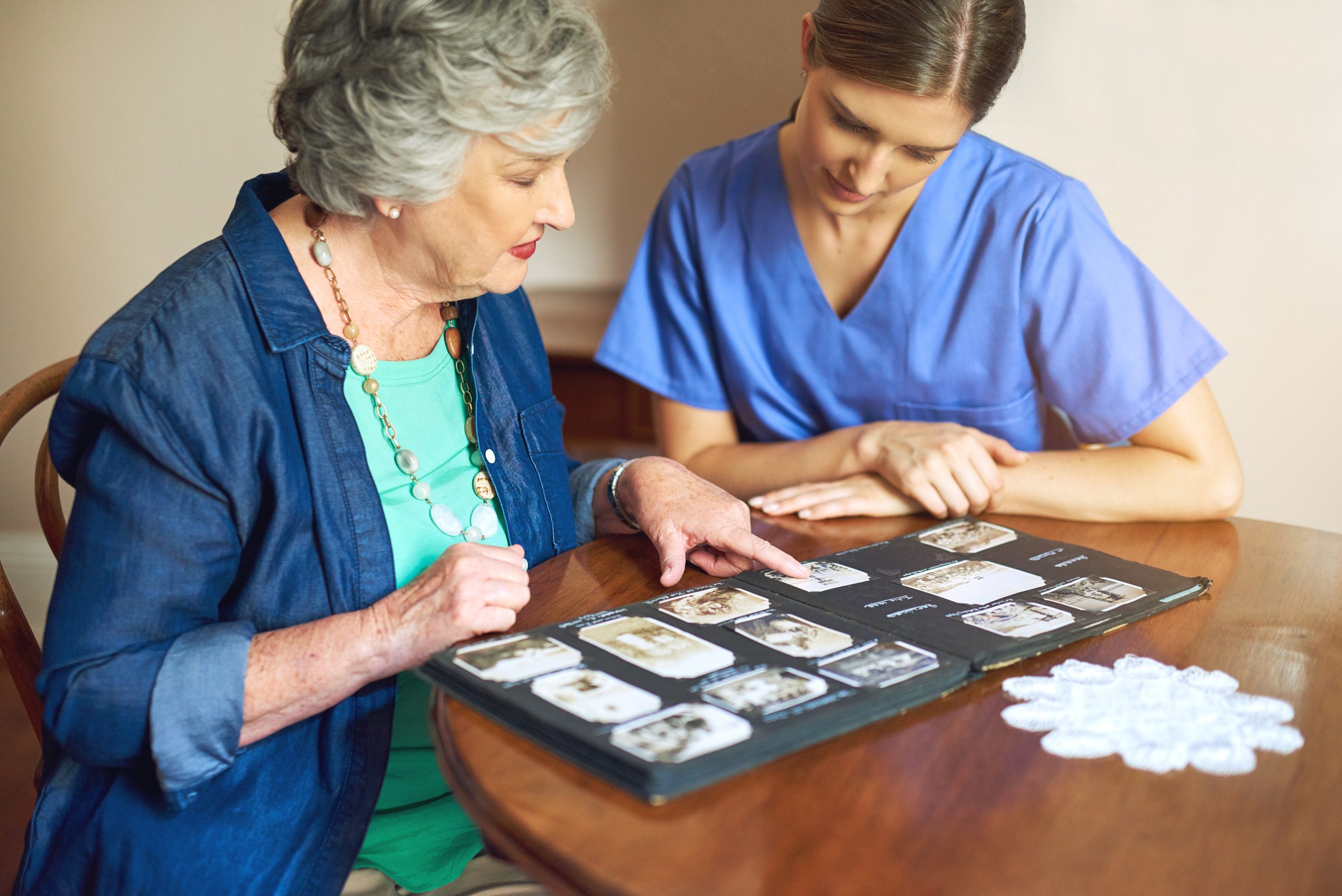
OT after stroke is recommended by the Stroke Foundation's Clinical Guidelines for Stroke Management. Research supports task-specific training as one of the most effective ways to improve daily function after stroke. Early intervention matters, and home-based OT produces relevant, transferable results by addressing real-world challenges in your own environment.
For Australians over 65 who have had a stroke, OT can be accessed through Home Care Packages (Level 1-4) or the Commonwealth Home Support Programme. Contact My Aged Care on 1800 200 422 to discuss eligibility.
To access stroke OT through NDIS, you need an approved plan with relevant support categories. Astrad is an NDIS provider and works with plan managers and support coordinators to streamline access.
Stroke survivors under 65 may be eligible for NDIS funding for stroke OT under Capacity Building - Daily Activities. Assistive technology and home modifications may draw on separate NDIS support categories.
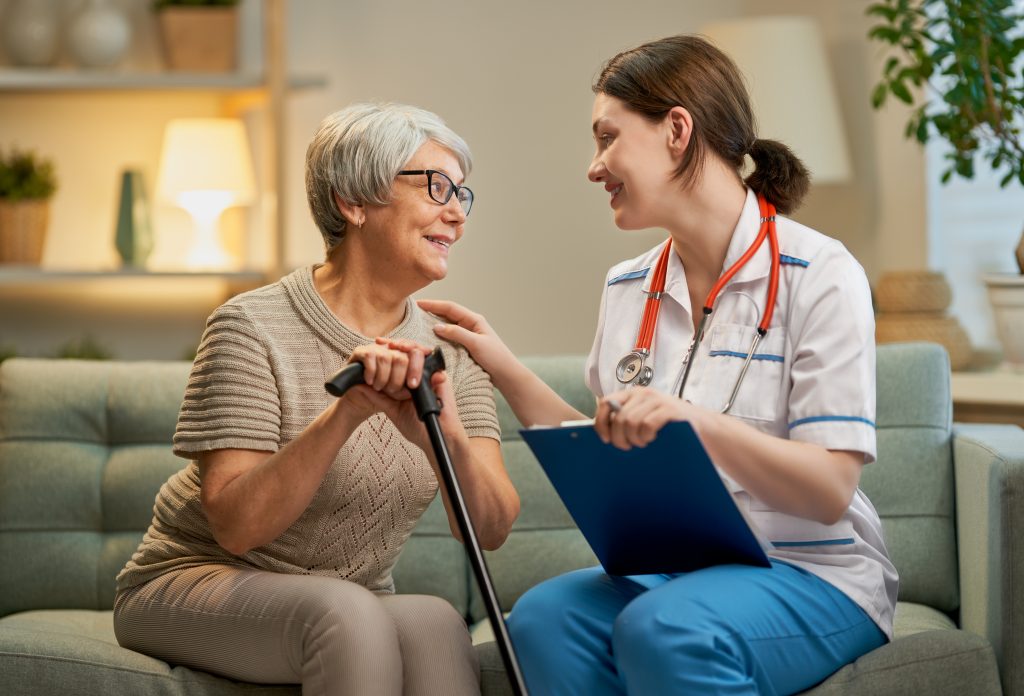
Astrad Allied Health is an NDIS provider delivering mobile stroke occupational therapy and speech pathology services across QLD, NSW, VIC, and TAS.
With 10+ years of combined clinical experience, our team supports adults and older Australians navigating stroke recovery, acquired brain injury, and neurological conditions. We believe stroke OT works best in real environments: your home, your community, your life.
Your Stroke OT Journey
Stroke OT often begins in hospital during acute care. After discharge, continuing community-based OT promptly maintains momentum. Neuroplasticity is strongest in the early months after stroke, and starting sooner produces better outcomes.
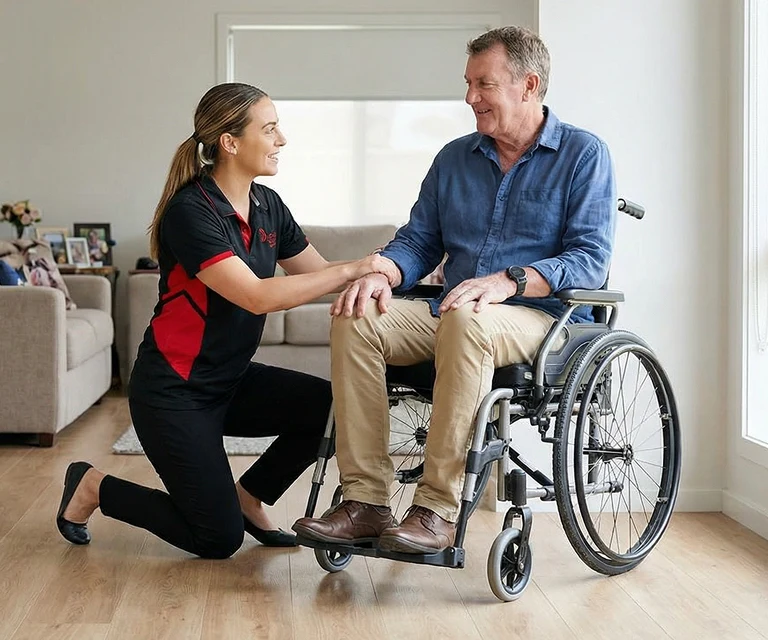
Home-based OT removes transport barriers, reduces travel fatigue, and lets your therapist assess and work in your actual environment. Research supports home-based therapy as practical and effective for community-dwelling stroke survivors.
Your first session is a comprehensive functional assessment covering your medical history, stroke effects, home environment, and goals. From there, we build a personalised plan. Sessions run 45-60 minutes at home, usually weekly or fortnightly. Your therapist tracks progress and adjusts the plan as you develop.
Session numbers vary based on stroke severity, personal goals, and current function. Your OT recommends a frequency at your initial assessment and reviews the plan regularly as your abilities develop.
Stroke survivors under 65 with an approved NDIS plan may use funding for OT under Capacity Building - Daily Activities. Astrad is an NDIS provider and can assist with referrals and plan coordination.
Astrad delivers mobile stroke OT to your home or community setting across QLD, NSW, VIC, and TAS. Contact our team to confirm availability in your specific area.
For Australians over 65, Home Care Packages and the Commonwealth Home Support Programme both fund OT after stroke. Call My Aged Care on 1800 200 422 or speak with your GP to explore options.
Getting started with stroke occupational therapy at Astrad is simple. We manage the process from first contact to ongoing therapy, so you can focus on recovery.
Call, email, or submit an enquiry online. We respond within 1-2 business days to discuss your situation and arrange your initial stroke OT assessment.
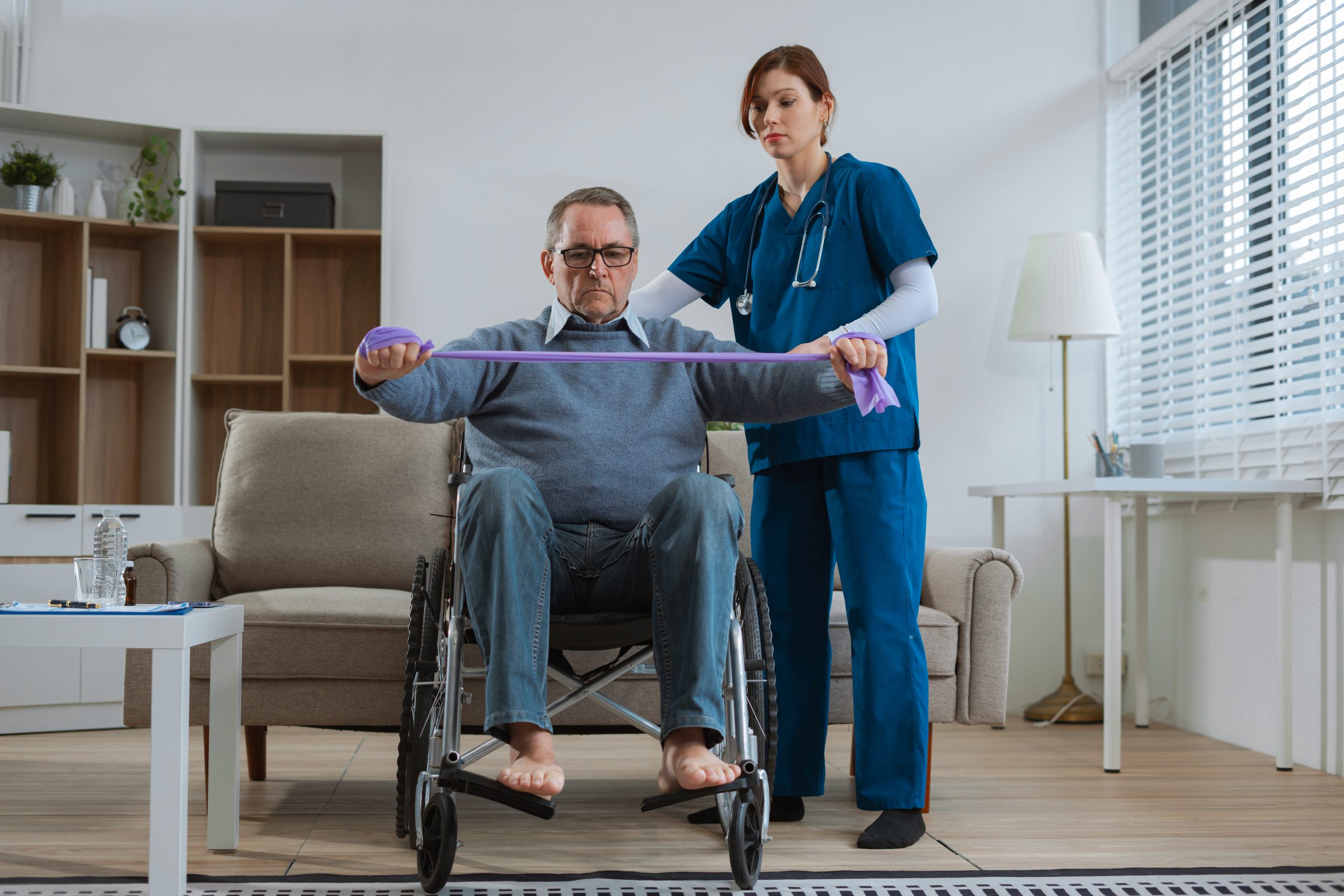
Your AHPRA-registered OT visits your home to assess how the stroke has affected daily function, your environment, and your goals. This forms the foundation of your therapy plan.
We develop your personalised stroke OT plan and begin regular home sessions. Your therapist tracks progress and adjusts the plan as your abilities and goals develop.
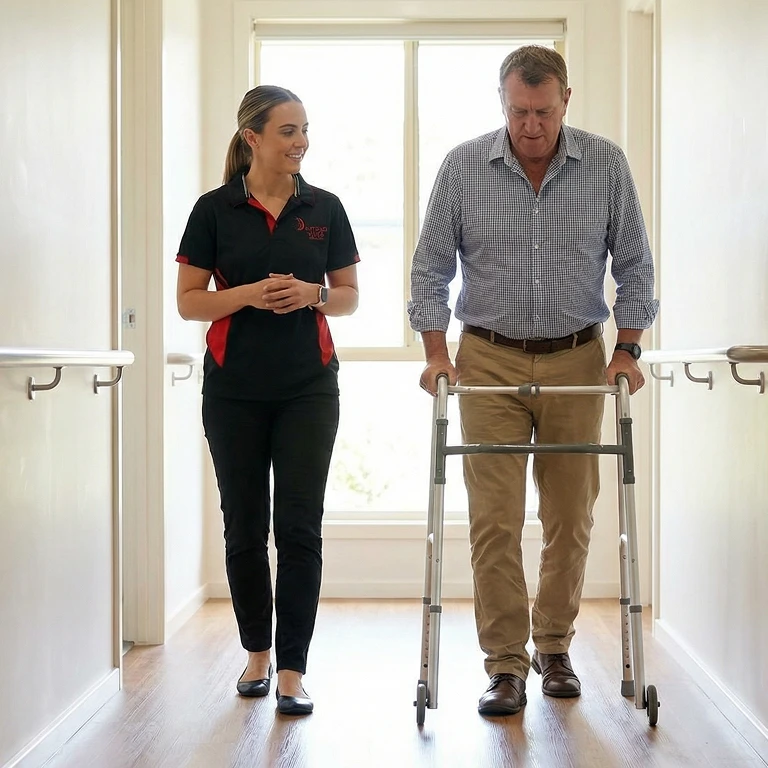
Early OT produces the best recovery outcomes.
The brain can adapt after stroke through neuroplasticity. Task-specific OT practice, repeating real daily activities, supports the formation of new neural pathways and restores function more effectively.
Stroke changes identity as much as function. OT addresses the psychological adjustment to stroke by setting meaningful goals, restoring valued activities, and rebuilding confidence in daily life.
Returning to work or assessing driving safety after stroke requires specialist evaluation. OT can support work reintegration planning and refer to driver-trained OTs for formal driving assessment.
Family members and carers are included in stroke OT sessions. We explain strategies, demonstrate techniques, and ensure therapy carries over between visits through consistent daily support.
Stroke commonly affects communication and swallowing alongside daily function. Astrad provides both occupational therapy and speech pathology, so you can access both under one registered provider.
Every assessment includes a detailed written report supporting NDIS applications, Home Care Package requests, and home modification approvals with clinical evidence.
Occupational therapy for stroke helps people return to the daily activities they need, want, and are expected to do. Stroke can affect movement, sensation, cognition, communication, and fatigue. OT assesses how these changes impact your daily function and builds a structured program to restore independence.
The process begins with an assessment in your home. Your OT looks at how you manage personal care, meal preparation, movement, and any other activities that matter to you. They identify barriers, introduce adaptive techniques and equipment, and work on the skills needed to regain function.
Astrad Allied Health’s mobile OTs deliver stroke occupational therapy across QLD, NSW, VIC, and TAS. Every program is tailored to the individual: your goals, your home, your stage of recovery.
Your OT visits your home to assess how the stroke has affected daily function, including upper limb ability, cognitive processing, home safety, and your capacity to manage personal care, meals, and daily tasks. They also discuss your goals and what returning to independence looks like for you.
Yes. While early intervention produces the best outcomes, OT can still support people who are months or years post-stroke. Later-stage OT may focus on refining strategies, introducing new equipment, managing fatigue, or supporting community reintegration.
Physiotherapy focuses on physical movement, strength, and balance. Occupational therapy focuses on how stroke affects your ability to perform daily activities, including dressing, cooking, personal care, and returning to work or leisure. Both are important parts of stroke recovery.
No referral is required to contact Astrad directly. If accessing OT through NDIS or a Home Care Package, a service agreement will be needed. Your GP, hospital discharge team, or neurologist can also provide a referral.
Stroke recovery takes time and the right support. Our registered OTs work with stroke survivors and families across QLD, NSW, VIC, and TAS, visiting your home and working toward your goals at every stage. Call (07) 3477 9366 or email [email protected] to book an assessment.
Book an AssessmentAstrad Allied Health offers a comprehensive range of mobile services across QLD, NSW, VIC and TAS to support your health, independence, and quality of life.
Assistive devices and equipment assessed and prescribed to support independence at home and in the community.
Home safety assessments and modification recommendations to reduce falls and support daily living.
Detailed assessments for NDIS, insurance, legal, and workplace purposes.
AHPRA-registered OTs visiting your home across QLD, NSW, VIC and TAS.
Speech pathologists delivering communication, voice, and swallowing therapy in your home.
Coordinated OT and speech pathology addressing your full range of daily living goals.