

AHPRA-Registered Occupational Therapists Across Australia
Occupational Therapy for Mental Health
Mental health challenges can affect every part of daily life, from morning routines to work and relationships. Our registered occupational therapists deliver mobile mental health occupational therapy in your home across QLD, NSW, VIC, and TAS, helping you rebuild structure, confidence, and meaningful participation in everyday activities.
Supporting Recovery with Mental Health Occupational Therapy
Living with mental health challenges can make everyday activities feel overwhelming. Our mobile mental health occupational therapy focuses on practical, achievable steps that help you rebuild daily structure, re-engage with meaningful activities, and develop coping strategies that work in your real life.
Evidence-Based Practice

Flexible Scheduling
Family Involvement
Collaborative Care

Our Approach to Mental Health Occupational Therapy
Understanding
We recognise that mental health challenges affect everyone differently, and recovery looks different for each person. We listen without judgement, understand your unique situation, and build a therapy plan around the goals and activities that matter most to you.
Collaboration
We work closely with you, your family, psychiatrists, psychologists, and other health professionals to ensure coordinated care. This team approach helps us deliver occupational therapy that complements your broader mental health treatment.
Accessibility
We believe mental health support should be accessible. That is why we bring occupational therapy directly to your home, removing barriers such as travel anxiety, low motivation, or physical fatigue that can make attending a clinic difficult.
Excellence
We stay current with the latest mental health research and occupational therapy interventions, continuously improving our practice to support meaningful recovery for every client.
Why Choose Astrad for Mental Health Occupational Therapy
Recovery-Focused Support from Registered Occupational Therapists
Recovery-Oriented Approach
Our occupational therapists understand that mental health recovery is about more than managing symptoms. We focus on helping you re-engage with the activities, roles, and routines that give your life meaning and purpose.
Therapy in Your Home Environment
Mental health occupational therapy is most effective in the environment where daily challenges occur. We deliver mobile sessions in your home, helping you build routines, tackle avoidance, and practise skills in the spaces where they matter most.
Whole-Person Support
Mental health affects physical wellbeing, social connections, work capacity, and self-care. Our occupational therapy addresses all these areas, supporting you to rebuild a balanced, fulfilling daily life rather than focusing on a single symptom.
NDIS and Private Options
We support NDIS participants with psychosocial disability through capacity-building funding. We also work with private clients and individuals accessing other pathways to ensure you can access the support you need.
Practical, Measurable Progress
We focus on functional outcomes that matter to you. Whether that means maintaining a morning routine, returning to work, reconnecting with friends, or managing household tasks, we track progress against meaningful, everyday goals.
AHPRA-Registered Therapists
All Astrad occupational therapists are registered with AHPRA and trained in mental health recovery approaches. We bring clinical knowledge, empathy, and genuine care to every session.
Our Process
We follow a structured, recovery-focused approach to mental health occupational therapy, helping you rebuild daily routines and meaningful participation at your own pace.

- 1
Functional Assessment
We begin with a thorough assessment of how mental health challenges affect your daily routines, self-care, productivity, and social participation. This helps us understand your current situation and identify where occupational therapy can support your recovery.
- 2
Personalised Recovery Plan
Based on your assessment, we create a tailored therapy plan targeting daily structure, routine building, self-care habits, and meaningful activities. Every strategy is designed around your goals, interests, and the pace that works for you.
- 3
Ongoing Therapy and Support
Mental health recovery is not linear, and we are here for each step. We provide regular sessions to build skills, adjust strategies when challenges arise, and celebrate progress as you regain confidence in daily life.
How Mental Health Occupational Therapy Can Help
Daily Routine and Structure
Mental health conditions can disrupt sleep patterns, self-care, and daily structure. Our occupational therapists help you establish sustainable routines that provide stability, purpose, and a sense of accomplishment, building gradually from where you are right now.
Meaningful Activity and Participation
Withdrawal from activities is common during mental health challenges. We work with you to identify activities that bring meaning and enjoyment, then develop realistic plans for re-engaging with hobbies, social connections, volunteer work, or employment.
Self-Care and Wellbeing
When mental health is affected, basic self-care tasks can feel overwhelming. We break these down into manageable steps and develop strategies for maintaining personal hygiene, nutrition, sleep, and physical activity as part of your recovery.
Coping Strategies and Stress Management
We teach practical coping strategies for managing anxiety, low mood, and stress in everyday situations. Techniques may include grounding exercises, activity scheduling, energy management, and environmental modifications that support emotional regulation.
Understanding Mental Health and Occupational Therapy
Mental health conditions, including depression, anxiety, bipolar disorder, schizophrenia, and post-traumatic stress, affect approximately one in five Australians in any given year. These conditions can significantly impact a person’s ability to manage daily activities, maintain relationships, and participate in work or community life.
Occupational therapy takes a unique approach to mental health by focusing on function rather than diagnosis. While psychologists and psychiatrists address thoughts, emotions, and medication, occupational therapists help you rebuild the practical daily skills and routines that mental health challenges may have disrupted.
At Astrad, our registered occupational therapists deliver mobile mental health support across Queensland, New South Wales, Victoria, and Tasmania. We bring therapy to your home, which is particularly valuable for people experiencing anxiety about leaving the house, low motivation, or fatigue that makes travelling to appointments difficult.
Whether you are managing a new diagnosis, recovering from a mental health crisis, or living with a long-term psychosocial disability, our occupational therapists can help you build the daily structure, coping skills, and meaningful routines that support lasting recovery.
Frequently Asked Questions
What is occupational therapy for mental health?
Occupational therapy for mental health focuses on the practical, everyday impacts of mental health conditions. A registered occupational therapist works with you to identify how your condition affects daily activities like self-care, cooking, cleaning, managing finances, social participation, and work or study. Rather than talk-based therapy, OT builds functional skills, establishes sustainable routines, and adapts your environment so you can participate in the activities that give your life meaning and structure.
Which mental health conditions can occupational therapy support?
Occupational therapy supports people living with a wide range of mental health conditions, including depression, anxiety disorders, bipolar disorder, schizophrenia, schizoaffective disorder, post-traumatic stress disorder, borderline personality disorder, eating disorders, and psychosocial disability associated with other diagnoses. The focus is not on treating the condition itself, but on addressing how it affects your ability to manage daily life. If your mental health is making it harder to complete everyday tasks, maintain routines, or participate in your community, OT can help.
How is mental health OT different from seeing a psychologist?
Psychology and occupational therapy take different but complementary approaches. A psychologist works on the psychological aspects of your condition through talk-based therapies such as CBT or DBT. An occupational therapist focuses on functional outcomes, helping you build the practical skills and routines needed to manage daily life. This might include re-establishing a morning routine, developing strategies for grocery shopping, building confidence to use public transport, or working towards employment goals. Many people benefit from both services running alongside each other as part of a broader support plan.
Does NDIS fund occupational therapy for mental health?
Yes, occupational therapy for psychosocial disability is commonly funded through NDIS plans under Capacity Building Supports, specifically Improved Daily Living. Funding can cover functional capacity assessments, ongoing therapy sessions, skill-building programs, and reports for plan reviews. Your funding amount depends on your individual plan goals and the level of support you need. Our team helps you understand how your NDIS plan applies to mental health OT and ensures services are delivered within your allocation. We also accept private and other funding pathways.
What happens in a mental health OT session?
Sessions are practical, supportive, and built around your personal goals. Depending on where you are in your recovery, a session might involve creating a weekly routine structure, practising meal preparation or household tasks, working through strategies for managing sensory overload in public spaces, building social participation skills, or planning steps towards returning to work or study. Your therapist works at your pace and adjusts the plan as your confidence and capacity grow. Because Astrad delivers mobile OT, sessions take place in your home or community where you actually carry out these activities.
Can OT help with motivation and daily routines for mental health?
Yes, rebuilding routine and motivation is one of the most common goals in mental health OT. Your occupational therapist uses evidence-based approaches to help you gradually re-engage with daily activities, starting with small, achievable steps and building from there. This might include structured morning routines, planned activity scheduling, graded exposure to tasks you have been avoiding, and strategies for managing low-energy days. The focus is always on activities that are meaningful to you, because engagement in purposeful activity is one of the strongest supports for mental health recovery.
How do I start mental health OT with Astrad?
You can book an initial assessment through our website or by calling our team directly. No GP referral is required, though we accept referrals from GPs, psychiatrists, mental health nurses, support coordinators, and community mental health teams. At your first session, your occupational therapist takes time to understand your goals, daily challenges, and what is most important to you before developing a tailored therapy plan. Astrad provides mobile OT across Queensland, New South Wales, Victoria, and Tasmania, so sessions are delivered in your home or community setting.
Ready to Explore Mental Health Occupational Therapy?
Take the first step towards rebuilding daily structure and meaningful participation. Our mobile mental health occupational therapy team delivers personalised support directly to your home across Queensland, New South Wales, Victoria, and Tasmania.
Book a Mental Health AssessmentOur Allied Health Services
Astrad Allied Health provides a range of occupational therapy and speech pathology services:
Mobile Occupational Therapy
Registered occupational therapists providing support for daily living skills, independence and participation in work, school and community activities.
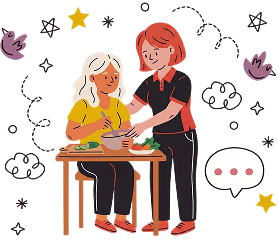
Mobility Equipment Assessment
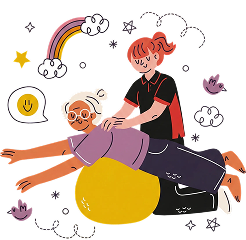
Assessment and recommendations for mobility equipment and assistive technology to support participation in daily activities across your environment.
Speech Pathology Services
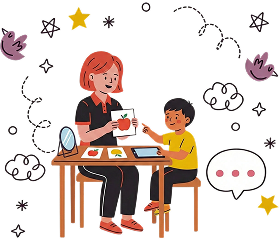
Registered speech pathologists helping with communication, swallowing and language development across Queensland, NSW, Victoria and Tasmania.
Home Assessment & Modifications
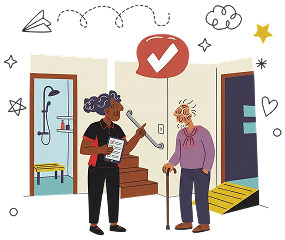
Professional home evaluations identifying modifications and equipment recommendations to improve safety, accessibility and independence.
Assistive Technology Assessment
Recommendations for assistive technology solutions like communication devices, computer access & adaptive equipment to support daily participation.

Comprehensive Therapy
Complete allied health support including ongoing therapy sessions, rehabilitation programs and personalised interventions to address all your therapy needs.