This information is provided for general educational purposes and should not replace an assessment by a qualified health professional.
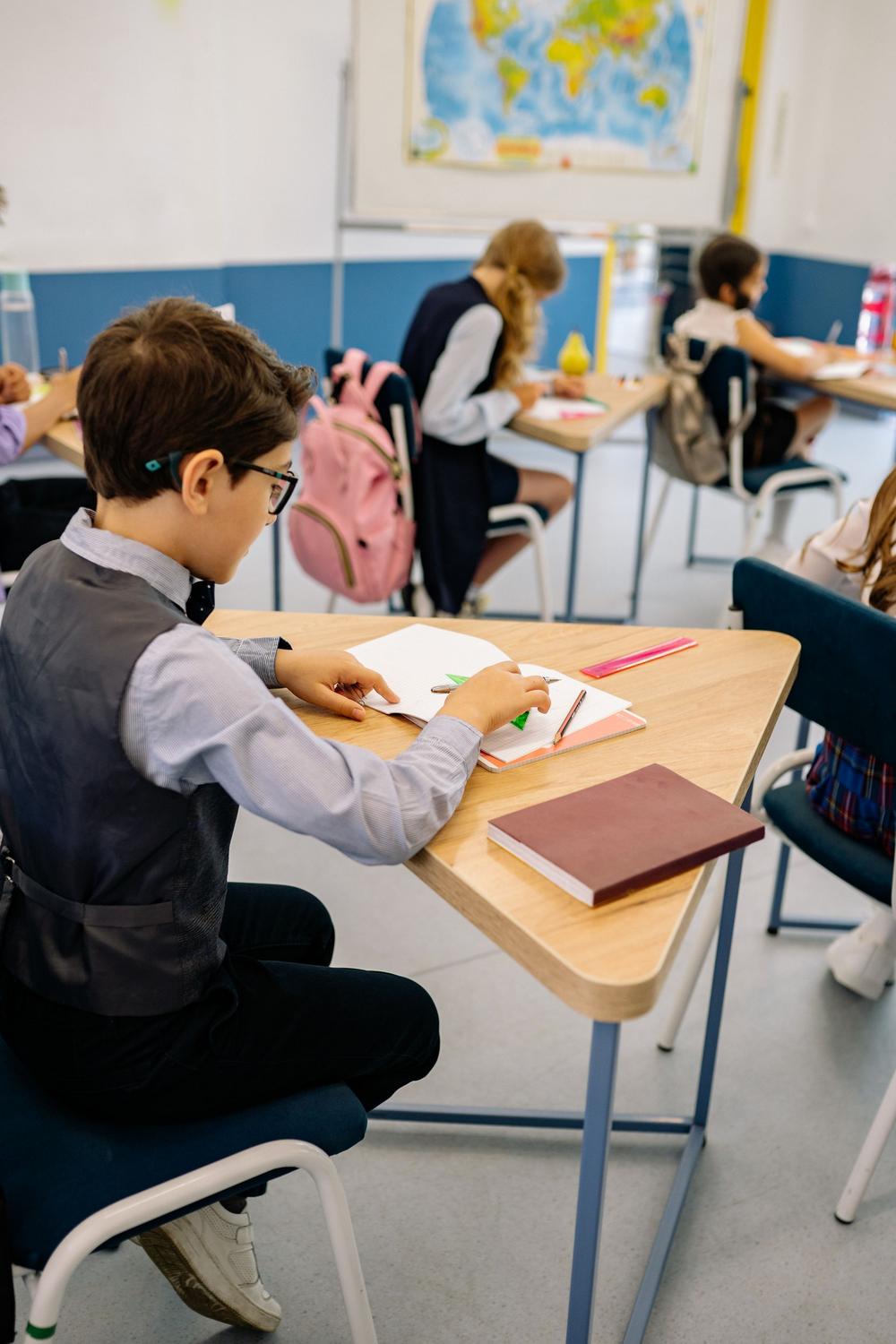
Watching a child slump over their school desk, legs twisted around chair legs, chin resting heavily on their palm – it is a familiar sight in classrooms across Brisbane, the Sunshine Coast, Melbourne, Sydney, and beyond. What many parents and educators do not realise is that this is not simply a matter of laziness or inattention. For many children, these postural patterns are a direct signal that their core muscles are struggling to meet the demands of extended classroom sitting. Understanding the connection between core strength, posture, and classroom learning is one of the most impactful things families and schools can explore in 2026.
Why Does Core Strength Matter for Classroom Sitting?
The core is far more than the abdominal muscles people often picture. It encompasses the muscles surrounding the abdomen, pelvis, and back – a foundational system that allows children to hold themselves upright while seated, without needing external support. When this muscular foundation is strong, children can maintain a stable, aligned posture throughout the school day. When it is underdeveloped, the body compensates in ways that can place strain on the spine, reduce attention, and affect overall participation in learning.
Strengthening core posture for classroom sitting matters because poor trunk stability cascades into a surprising range of difficulties. Core strength directly influences head position, shoulder alignment, elbow and wrist positioning, and even finger function during tasks like handwriting. A child whose core is not adequately supporting their trunk may redirect cognitive energy towards managing their balance rather than focusing on the lesson in front of them.
Research highlights how widespread this concern is. Approximately 3 to 4 out of every 10 children and adolescents experience low back pain at any given time, and around half of all children report back pain at least once during their school years. Girls are consistently reported to experience higher rates of back pain than boys across age groups. These figures are not simply inconvenient – they reflect a genuine public health concern that parents, teachers, and allied health practitioners are increasingly taking seriously.
What Are the Signs of Poor Core Posture in Students?
Recognising the early indicators of poor core strength and inadequate classroom sitting posture is essential for parents and educators. These signs are often misread as behavioural issues rather than functional challenges.
Behavioural and Physical Indicators:
- Frequently changing positions or fidgeting excessively
- Slumping or slouching over the desk
- Propping the head on one or both hands
- Wrapping legs around chair legs or adopting the W-sitting position on the floor
- Leaning heavily on furniture or classmates for support
- Difficulty maintaining attention during seated tasks
- Struggling to get up from and down to the floor
- Poor endurance during physical activities
- Reduced legibility in handwriting or difficulty stabilising paper
Studies conducted in European classrooms found that children sat statically for approximately 85% of class time, with 28% of that time involving a flexed or bent trunk. Dynamic sitting occurred in only 9% of sitting time. Children who adopted flexed trunk postures were found to report significantly more thoraco-lumbar discomfort – a compelling finding for anyone designing classroom environments or supporting children at home.
After as little as 20 minutes of sustained sitting, many individuals naturally begin to adopt a slumped posture. After 30 minutes, physical discomfort measurably increases. These patterns underline why building core strength and encouraging posture awareness are such practical, preventive strategies.
What Does Good Classroom Sitting Posture Actually Look Like?
Ergonomic and occupational therapy research consistently refers to the 90-90-90 rule as a useful benchmark for classroom sitting. This guideline describes the ideal positioning of key joints to distribute load efficiently across the body.
| Body Part | Optimal Position |
|---|---|
| Hips | Bent at 90°, positioned well back in the chair |
| Knees | Bent at 90° |
| Ankles | At 90° with feet flat on the floor or a footrest |
| Elbows | Bent at approximately 90°, resting on desk surface |
| Desk height | Approximately 2–5 cm above elbow level |
| Screen/work distance | 50–70 cm away, at eye level |
| Spine | Maintaining its natural S-curve |
| Shoulders and neck | Relaxed, in a neutral position |
| Feet | Firmly supported – never dangling or crossed |
This framework provides a starting point for evaluating whether a child’s current classroom furniture and habits are supporting or hindering their posture. Importantly, positions to actively avoid include crossing the legs, sitting in a W-position, allowing feet to dangle unsupported, and sustaining any prolonged slumped or kyphotic posture.
Research from Portugal found that uncomfortable school furniture increased the likelihood of back pain in schoolchildren by 4.4 times – a finding that highlights how critical furniture fit is to postural outcomes. Appropriately sized, height-adjustable chairs with lumbar support and non-slip surfaces make a measurable difference.
Which Activities Help Strengthen Core Posture in Children?
Core development in children does not require gym equipment or structured exercise classes. Many of the most effective core-strengthening activities are playful, functional, and easily woven into daily routines at home and school.
Gross Motor Activities
Animal walks – including bear crawls, crab walks, bunny hops, and frog jumps – naturally challenge and develop core stability. Wheelbarrow walking, plank holds, bridge exercises, and the Superman pose (lying on the stomach and lifting both arms and legs) are similarly effective. Climbing playground equipment, swimming, bike riding, jumping, and crawling through obstacle courses all build the foundational trunk strength children need for sustained classroom sitting.
Functional Household Activities
Heavy carrying tasks such as moving loaded laundry baskets or grocery bags (appropriate to the child’s size and capacity) activate core muscles in a real-world context. Pushing and pulling tasks like sweeping or raking are equally beneficial. Playing games on all fours, kneeling at a low table, or sitting on a gym ball while doing homework are practical options that build strength without feeling like exercise.
Incorporating Movement Into Learning
There is growing recognition that movement and learning need not be separated. Practising spelling words while doing jumping jacks, playing catch while reciting times tables, or moving to a metronome beat while reciting lessons are engaging strategies that build core endurance whilst supporting academic retention. Schools and families in Brisbane, the Gold Coast, Sunshine Coast, and across Queensland and Victoria are increasingly exploring these integrated approaches.
How Can Schools and Families Support Better Classroom Sitting Habits?
Building a posture-supportive environment involves both the physical setup and consistent habit-forming strategies.
Classroom Environment Adjustments
Ensuring furniture fits each student is a foundational step. Where standard chairs and desks do not allow the 90-90-90 position, footrests are a practical modification – particularly for younger students or those with smaller frames. Theraband stretched between the front legs of a chair can provide foot support and gentle sensory input. Non-slip surfaces applied to chair seats reduce the tendency for children to slide and slump forward.
Alternative seating options – including wobble cushions, stability discs, and beanbag chairs for designated reading times – may suit individual students, particularly those who fidget or have difficulty remaining still. It is worth noting that current evidence supports these options as individualised tools rather than whole-class interventions.
Movement Breaks
Regular movement breaks every 20 to 25 minutes are widely supported in occupational therapy and ergonomic literature. Even brief two-minute standing and stretching intervals between activities can meaningfully reduce postural fatigue. Encouraging seat position changes every 30 to 45 minutes – and rotating between sitting, standing, and floor-based postures – prevents the muscle fatigue associated with sustained static positioning.
At Home
Families play a central role in reinforcing posture awareness. Placing visual reminders of good sitting posture near homework stations, modelling upright seated habits, and building active outdoor play into daily routines all contribute to long-term postural development. Monitoring screen time and the positions children adopt while using tablets and smartphones is equally important, as these behaviours are consistently identified as risk factors for low back pain in school-aged children.
When Should You Consider Occupational Therapy Support for Classroom Posture?
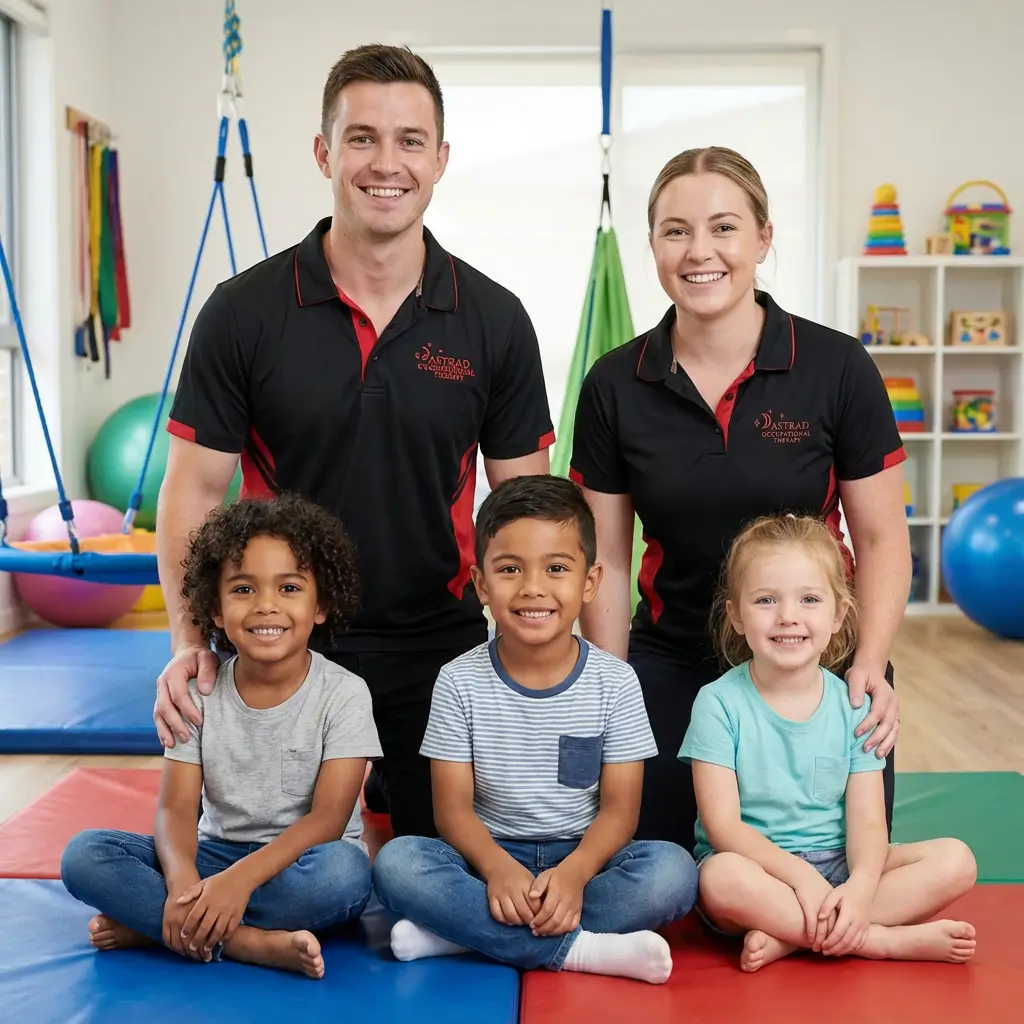
Occupational therapy takes a holistic view of how core strength, posture, and classroom sitting intersect with a child’s ability to participate fully in daily life and learning. An occupational therapist can conduct a thorough assessment of a child’s seated posture, identify contributing factors such as sensory processing differences or fine motor challenges, and collaborate with schools to create consistent strategies across home and classroom environments.
For children accessing the National Disability Insurance Scheme (NDIS), postural assessment and intervention may be included within their funded supports, as core strength and positioning directly influence independence and participation – key NDIS goals. Eligibility for funded supports varies and should be confirmed with the NDIS or the appropriate agency. Mobile occupational therapy services can conduct assessments within the child’s actual home or school environment, providing practical, contextually relevant recommendations.
Some indicators that a child may benefit from a professional occupational therapy assessment include persistent slumping despite reminders, frequently falling out of chairs, significant difficulty sustaining seated attention, or noticeable regression in handwriting quality. These observations warrant a conversation with a health professional rather than assumptions about motivation or effort.
Supporting Children to Sit, Learn, and Thrive
Strengthening core posture for classroom sitting is not about achieving a picture-perfect position at all times. It is about building the foundational physical capacity that allows children to engage comfortably with learning – to hold a pencil steadily, track words across a page, listen attentively, and return home at the end of the school day without back pain or exhaustion. The relationship between core strength, postural habits, and academic participation is well-established, and the good news is that meaningful change is achievable through consistent, practical, and enjoyable strategies implemented across both home and school settings.
When these strategies are grounded in a thorough understanding of each child’s individual needs – and supported by professionals where appropriate – the benefits extend well beyond the classroom.
If you have concerns, please consult a qualified occupational therapist or other relevant professional.
What is the best sitting posture for children in the classroom?
The 90-90-90 rule is widely used as a reference for optimal classroom sitting posture. This means hips, knees, and ankles each positioned at approximately 90 degrees, with feet firmly supported on the floor or a footrest, the spine maintaining its natural curve, and work materials positioned at a comfortable distance (around 50–70 cm from the eyes). This is a general guide, and individual needs may vary.
How does poor core strength affect a child’s learning in school?
When core muscles are not sufficiently developed to support sustained upright sitting, children may struggle to maintain attention, produce legible handwriting, or engage comfortably in seated learning activities. Physical discomfort and postural fatigue can redirect cognitive resources away from academic tasks and towards managing balance and discomfort.
How often should children take movement breaks during classroom sitting?
General ergonomic guidance suggests movement breaks every 20 to 25 minutes and changes in sitting position every 30 to 45 minutes. Even brief two-minute stretching or standing intervals can help reduce postural fatigue and support re-engagement with learning tasks.
Can occupational therapy help children with poor classroom posture?
Occupational therapy can support children experiencing difficulties with classroom sitting posture through assessment, environmental modifications, and strategies to build core strength and body awareness. Occupational therapists often work collaboratively with families and schools, and for children accessing the NDIS, postural support may form part of their funded plan; however, eligibility for funded supports varies and should be confirmed with the appropriate agency.
Are wobble cushions and alternative seating options beneficial for classroom sitting?
Alternative seating tools such as wobble cushions, stability discs, and dynamic chairs may benefit individual students—particularly those who fidget, have sensory processing differences, or find static sitting challenging. However, these tools are generally most effective when selected and monitored on an individual basis, guided by an assessment of each child’s specific needs.