General Information Disclaimer: This article is intended as general information only and does not constitute professional medical, occupational therapy, or other allied health advice. The suggestions presented here are not tailored to any individual’s specific needs or circumstances. Please consult a qualified health practitioner for personalised guidance suited to your or your family member’s situation.
When the World Feels Like Too Much
There are moments in everyday life – for children and adults alike – when the noise, the light, the movement, and the demands of the world simply become too much to process. For individuals with autism spectrum disorder (ASD), sensory processing disorder (SPD), ADHD, anxiety, or dementia, these moments can arrive daily, and without a safe place to decompress, they can quickly escalate into overwhelm, distress, or exhaustion.
Creating a sensory retreat space at home is one of the most meaningful and practical steps a family, carer, or individual can take to support emotional regulation, nervous system recovery, and overall wellbeing. This guide explores what sensory retreat spaces are and how to approach designing one, and encourages readers to seek personalised guidance from a qualified clinician for their individual needs.
What Is a Sensory Retreat Space at Home, and Who Can Benefit?
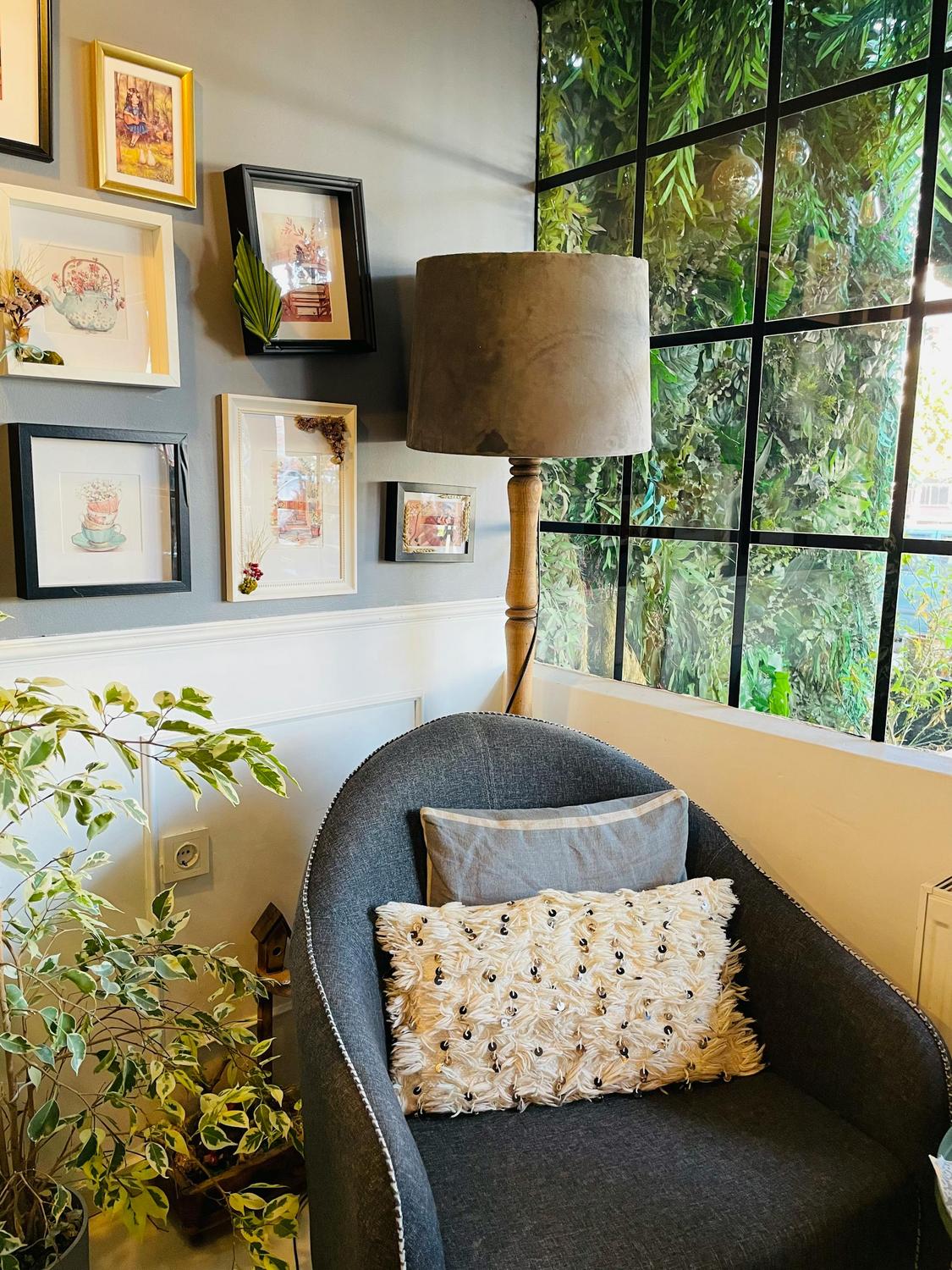
A sensory retreat space – sometimes called a reset room, sensory room, or chill-out zone – is a deliberately designed area within the home that provides controlled sensory input to promote relaxation, emotional regulation, and grounded wellbeing. These spaces work by reducing overwhelming sensory input, introducing calming sensory input, or offering a combination of both, depending on the individual’s unique profile.
Sensory retreat spaces benefit not only those with a diagnosed condition but everyone. Key groups include:
- Children and adults with ASD
- Individuals with SPD
- People with ADHD
- Those managing anxiety, PTSD, or other mental health challenges
- Older adults, particularly those with dementia
- Individuals in mental health or substance use recovery
The benefits range from reduced stress and anxiety to improved focus, better self-regulation, and enhanced cognitive function.
What Are the Eight Sensory Systems That a Retreat Space Should Address?
Effective sensory retreat spaces consider all eight sensory systems:
- Sight: Controlled lighting (e.g., dimmable warm-toned lighting, pastel colour palettes)
- Hearing: Sound management through acoustic panels and nature soundscapes
- Touch: Use of tactile items like weighted blankets or fidget tools
- Smell: Introduction of calming fragrances via scent diffusers
- Taste: Incorporation of familiar foods or oral sensory tools
- Vestibular: Movement elements such as swings or rocking chairs
- Proprioception: Deep pressure and body awareness with tools like weighted lap pads
- Interoception: Creating spaces that support internal bodily and emotional awareness
Understanding individual sensory profiles is key before implementing design choices.
How Do You Design an Effective Sensory Retreat Space at Home?
When designing your space, each element should serve a clear purpose:
Lighting
- Use natural lighting where possible or supplement with warm LED bulbs.
- Consider dimmer switches and blackout curtains to control brightness.
- Opt for soft colour palettes to maintain a calming environment.
Sound
- Manage background noise with acoustic panels, thick rugs, and heavy curtains.
- Employ nature-based soundscapes over constant white noise for a more soothing effect.
Touch and Deep Pressure
- Incorporate weighted blankets, lap pads, and soft compression garments for deep pressure stimulation.
- Use textured furnishings and bean bags to enrich tactile input.
Scent
- Introduce gentle fragrances using diffusers, while remaining mindful of allergies and sensitivities.
Movement
- Support sensory regulation with safe equipment like swings, rocking chairs, or mini trampolines.
Safe Retreat Areas
- Include an enclosed, private area such as a curtained nook or pop-up tent to offer a space for full decompression.
Can You Create a Sensory Retreat Space at Home on a Budget?
Absolutely. Many modifications can be made using affordable household items:
- Lighting: Replace harsh bulbs, or use string or fairy lights.
- Sound: Utilize thick rugs, heavy blankets, and strategically placed furniture.
- Tactile Tools: Create sensory bins or DIY weighted lap pads.
- Movement & More: Use items like resistance bands, yoga mats, and bean bags as cost-effective solutions.
Start with the elements that cause the most distress and adjust gradually.
What Role Does Occupational Therapy Play in Creating a Sensory Retreat Space?
Occupational therapists can offer essential personalised guidance by assessing individual sensory needs. Their professional evaluation can help determine which sensory inputs offer benefit and which may be counterproductive, ensuring that the modifications support meaningful improvements in daily functioning, particularly for those with specific needs such as dementia or neurodevelopmental disorders.
Bringing It All Together: A Space That Grows With the Person
Creating a sensory retreat space is an evolving process. Flexibility, adaptability, and inclusivity are fundamental. Engaging the individual in the design process fosters ownership and increases the space’s effectiveness. Regular assessments ensure that as needs change, the space continues to offer optimal support.
What is the difference between a sensory retreat space and a sensory room?
A sensory retreat space is a designated part of an existing home—like a corner or converted area—designed to help regulate sensory input, whereas a sensory room is usually a purpose-built space with specialized equipment. Both aim to support emotional regulation but vary in design and scale.
Do I need a professional assessment before creating a sensory retreat space at home?
While basic modifications can be implemented using general guidance, seeking advice from a qualified occupational therapist is recommended. An assessment helps tailor the space to the individual’s specific sensory profile and needs, reducing the risk of counterproductive modifications.
Is a sensory retreat space only beneficial for children with autism?
No, sensory retreat spaces benefit a wide range of individuals. They are useful for children and adults with autism, as well as individuals with ADHD, anxiety, PTSD, dementia, and those in mental health recovery. Sensory-friendly design can have universal benefits.
How do I know if a sensory retreat space is working for my family member?
Indicators of an effective sensory retreat space include a reduction in meltdowns or emotional escalations, increased voluntary use of the space, and improved self-regulation post-use. Regular evaluation, ideally with professional guidance, can help measure its effectiveness and inform necessary adjustments.