Gardening has a way of grounding us – literally and figuratively. The smell of freshly turned earth, the quiet satisfaction of watching something you planted begin to grow, the warmth of the Queensland sun on your back in the early morning hours. For many older Australians, tending a garden is far more than a hobby; it is a deeply meaningful part of daily life.
But what happens when age-related changes in strength, balance, or mobility begin to make those familiar tasks feel uncertain or even risky? Across Brisbane, the Sunshine Coast, Gold Coast, Sydney, Melbourne, and regional communities throughout Queensland, New South Wales, Victoria, and Tasmania, older adults are asking exactly this question – and the answer is not to stop gardening. It is to garden more thoughtfully.
This article explores evidence-informed, safe gardening techniques for seniors, drawing on current research, occupational therapy principles, and practical guidance to help older Australians continue doing what they love – safely and with confidence.
Why Is Gardening So Beneficial for Older Australians?
Gardening is not simply a leisure activity – it is a form of meaningful physical and psychological engagement that aligns directly with the Australian Department of Health’s 24-Hour Movement Guidelines for older adults. These guidelines recommend moderate to vigorous physical activity on most days, muscle-strengthening activities on at least two days per week, and functional activities targeting balance and coordination on three or more days per week. Gardening, when performed safely, naturally incorporates all of these.
Physical benefits of regular gardening include:
- Improved hand strength, grip, and fine motor skills
- Enhanced flexibility, range of motion, and cardiovascular fitness
- Increased Vitamin D production from outdoor sun exposure
- Weight-bearing activity that supports bone density
- Gentle movement that may help maintain mobility in people with chronic conditions
Beyond the physical, gardening offers significant mental health and cognitive benefits. Research indicates that gardening can reduce stress, anxiety, and depression while promoting a positive sense of wellbeing and purpose. A six-week horticultural therapy programme demonstrated improvements in balance and fine motor skills of approximately 20% among older adult participants – results that highlight just how powerful purposeful gardening activity can be.
Safe gardening techniques for seniors also support social connection, particularly through community garden programmes, reducing the risk of isolation that many older Australians face as they age.
What Fall Risks Do Seniors Face in the Garden?
Falls are one of the most significant health concerns facing older Australians. One in three to four people aged 65 and over experience at least one fall per year, and in 2022–23, falls led to 238,055 hospitalisations nationally – making them the leading cause of injury admissions in Australia. Every day, approximately 400 older Australians are admitted to hospital due to falls, and falls cost the Australian health system more than $2.8 billion annually.
Gardens, while wonderfully therapeutic, can also present genuine fall hazards. Understanding these risks is the first step in practising safe gardening as a senior.
Common garden-related fall hazards include:
- Uneven, cracked, or slippery pathways
- Trip hazards such as hoses, tools, roots, or garden debris
- Poor lighting, particularly in the early morning or evening
- Slopes, banks, or changes in elevation
- Wet grass or algae-covered surfaces
- Fatigue from prolonged or strenuous activity
- Heat-related dehydration or dizziness in warmer months
Research supports the effectiveness of prevention strategies such as exercise programmes, balance-focused training, and environmental modifications to reduce these risks significantly.
What Are the Safest Gardening Techniques for Seniors?
Implementing safe gardening techniques for seniors begins with attention to body mechanics and thoughtful planning before any seed is planted.
Use Proper Body Mechanics
When lifting or picking items up, always bend at the knees rather than the waist, keep the back straight, and let your leg muscles do the work. Avoid lifting more than you can handle, and be cautious on uneven terrain.
Adopt Smart Kneeling Habits
Instead of kneeling on both knees, try using one knee with the other leg positioned in front for stability. A well-padded garden kneeler with handles can assist in lowering and rising safely.
Plan and Pace Activities
Spread gardening tasks across multiple sessions rather than doing everything at once. Work in blocks of 20–30 minutes and take breaks to avoid fatigue. Alternating between more strenuous tasks like digging and lighter activities like watering can help distribute the physical load.
Protect Against Queensland and Coastal Heat
Garden in the early morning or later in the evening to avoid peak heat. Wear a wide-brimmed hat, apply SPF 30+ sunscreen regularly, and keep hydrated. These practices are especially important as older adults are more susceptible to sunburn and dehydration.
How Can Garden Design Support Safe Gardening for Older Adults?
A thoughtfully designed garden is essential for reducing hazards. Here are some key design elements:
Pathway Safety
Ensure garden pathways are smooth, even, and wide enough (at least 90 centimetres) to accommodate walking aids. Keep pathways free of obstacles like loose hoses and debris, and consider installing solar-powered or motion-sensor lighting.
Raised Garden Beds
Raised beds, built to a comfortable height (60–90 centimetres), can eliminate the need for excessive bending or kneeling. Narrow beds allow gardeners to reach the centre safely, and adding grab rails can offer extra support.
Vertical and Container Gardening
Opt for window boxes, hanging baskets, tiered planters, or container gardens on elevated stands. These methods reduce physical strain while keeping gardening accessible and enjoyable.
Which Adaptive Tools Support Safe Senior Gardening?
Using ergonomically designed tools can make a significant difference:
| Garden Challenge | Recommended Adaptive Tool | Key Feature |
|---|---|---|
| Reduced grip strength | Lightweight ratchet pruners | Reduces squeezing force required |
| Arthritis or joint pain | Ergonomic secateurs with cushioned handles | Maintains a natural wrist position |
| Difficulty bending | Long-handled tools (76+ cm) | Allows standing upright during use |
| Ground-level tasks | Garden kneeler/sitter with handles | Assists with safe lowering and rising |
| Carrying tools | Gardening apron or tool belt | Keeps tools easily accessible |
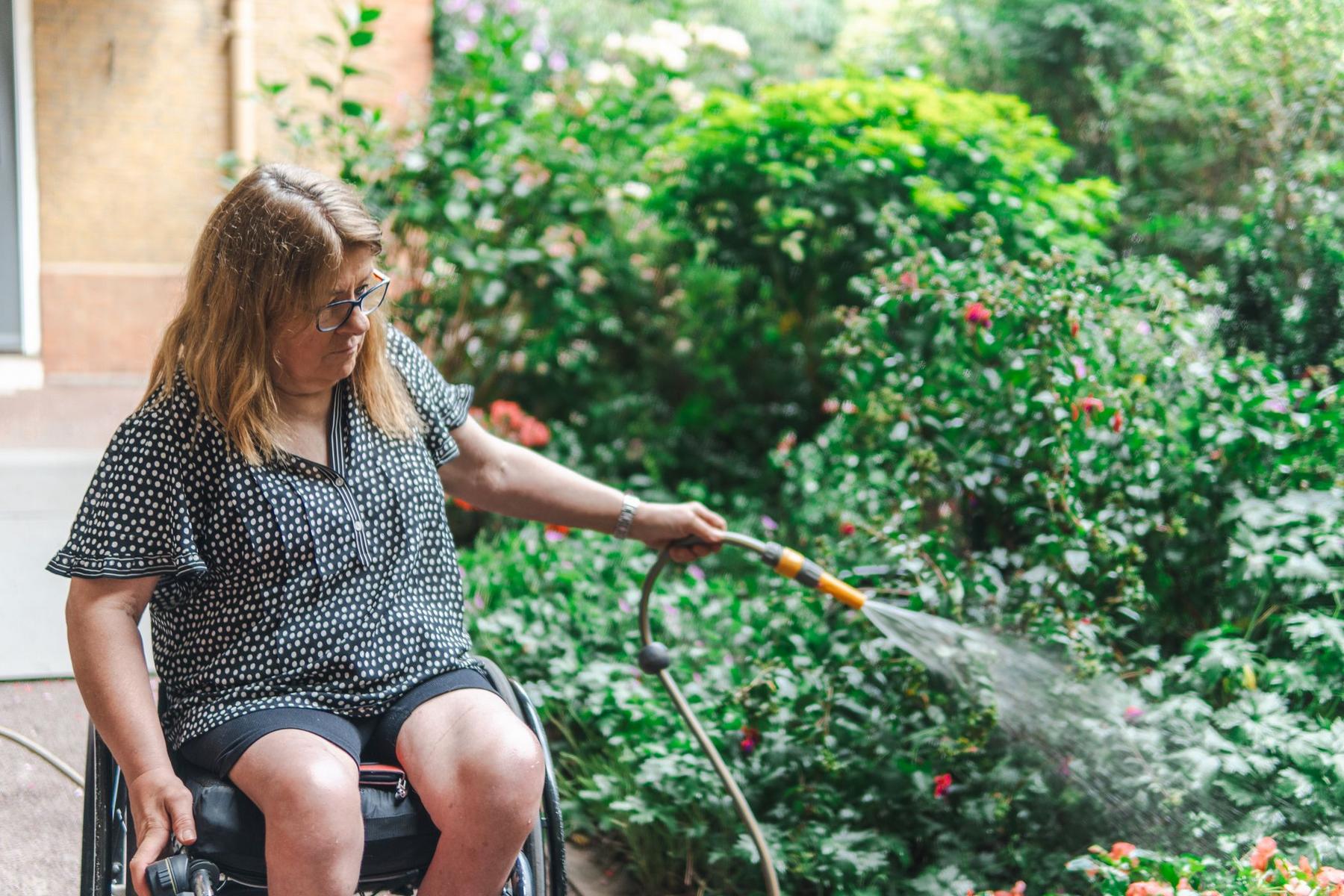
| Watering effort | Lightweight coiled hose (up to 15 m) | Minimizes tangling and the need to carry heavy weight |
| Weak hand strength | Built-up handle attachments | Enlarges handle diameter for a firmer grip |
Using adaptive tools with rubberised, padded handles can ease the strain on joints and muscles. Always keep tools sharp to minimize the force required during use.
How Can Occupational Therapy Help Seniors Garden Safely?
Occupational therapists assess individual abilities and garden environments to recommend personalized strategies for safe gardening. Through home and garden assessments, therapists can identify hazard areas, suggest modifications such as enhanced pathway safety or raised beds, and trial adaptive tools. These services are vital for those accessing support via NDIS, aged care funding, or private sessions, including telehealth consultations.
At Astrad Allied Health, occupational therapy is provided as a mobile service, ensuring that interventions take place directly in the home and garden environments where they are most needed.
Gardening Is for Life – Adapt, Don’t Abandon
Safe gardening for seniors is about adaptation rather than restriction. With thoughtful planning, environmental design adjustments, appropriate tools, sensible pacing, and professional guidance, older Australians can continue enjoying gardening safely and independently. The ultimate goal is to support healthy ageing by keeping individuals active, engaged, and self-sufficient in their own gardens.
What are the most important safe gardening techniques for seniors to practise?
The most impactful techniques include using proper body mechanics (bending at the knees instead of the waist), pacing activities by breaking tasks into shorter sessions, clearing trip hazards from pathways, gardening during cooler parts of the day, staying well-hydrated, and using ergonomic tools designed to reduce joint strain. Additionally, environmental modifications such as raised beds and well-maintained pathways can further reduce risks.
Can occupational therapy help me continue gardening safely as I get older?
Yes. Occupational therapists conduct personalized assessments of your physical capabilities and garden environment to recommend appropriate modifications and adaptive tools. They provide guidance on safe body mechanics, pacing, and heat management, ensuring that you can continue gardening safely and independently.
What type of footwear is safest for senior gardening?
Closed-toe shoes with firm, non-slip soles, and good ankle and arch support are recommended. Avoid sandals or worn-out shoes, as these can increase the risk of slips and falls.
Are raised garden beds worth the investment for older gardeners?
Yes. Raised garden beds elevate the soil to a comfortable working height (typically between 60 and 90 centimetres), reducing the need for bending, kneeling, or stooping. This modification greatly lowers the risk of falls and musculoskeletal strain, helping seniors garden more safely and independently.
Is gardening safe for seniors with arthritis or balance difficulties?
Gardening can be safe and beneficial for those with arthritis or balance challenges when the activity is adapted appropriately. Using lightweight, ergonomic tools, incorporating raised beds, ensuring non-slip surfaces, and scheduling shorter, well-paced sessions can all help. However, it’s advisable to get a personalized assessment from an occupational therapist to tailor strategies to individual needs.