Life rarely announces when it starts to tip out of balance. For many Australians, the slide into occupational imbalance happens gradually – a few extra hours at the desk here, a missed weekend with family there – until one day, the work that once felt purposeful begins to feel overwhelming, and everything else has quietly fallen away. By the time most people seek support, the signs have often been present for weeks or months.
Recognising early warning signs of occupational imbalance is one of the most powerful steps a person can take to protect their long-term health, relationships, and quality of life. This guide draws on current Australian research and occupational therapy principles to help you understand what to look for, why it matters, and where support is available.
What Is Occupational Imbalance and Why Does It Matter?
Occupational balance refers to the healthy distribution of activities across different life domains – work, self-care, leisure, rest, and social participation. According to occupational therapy principles, balance is achieved when a person has the right variety and amount of daily activities that align with their personal values and life circumstances.
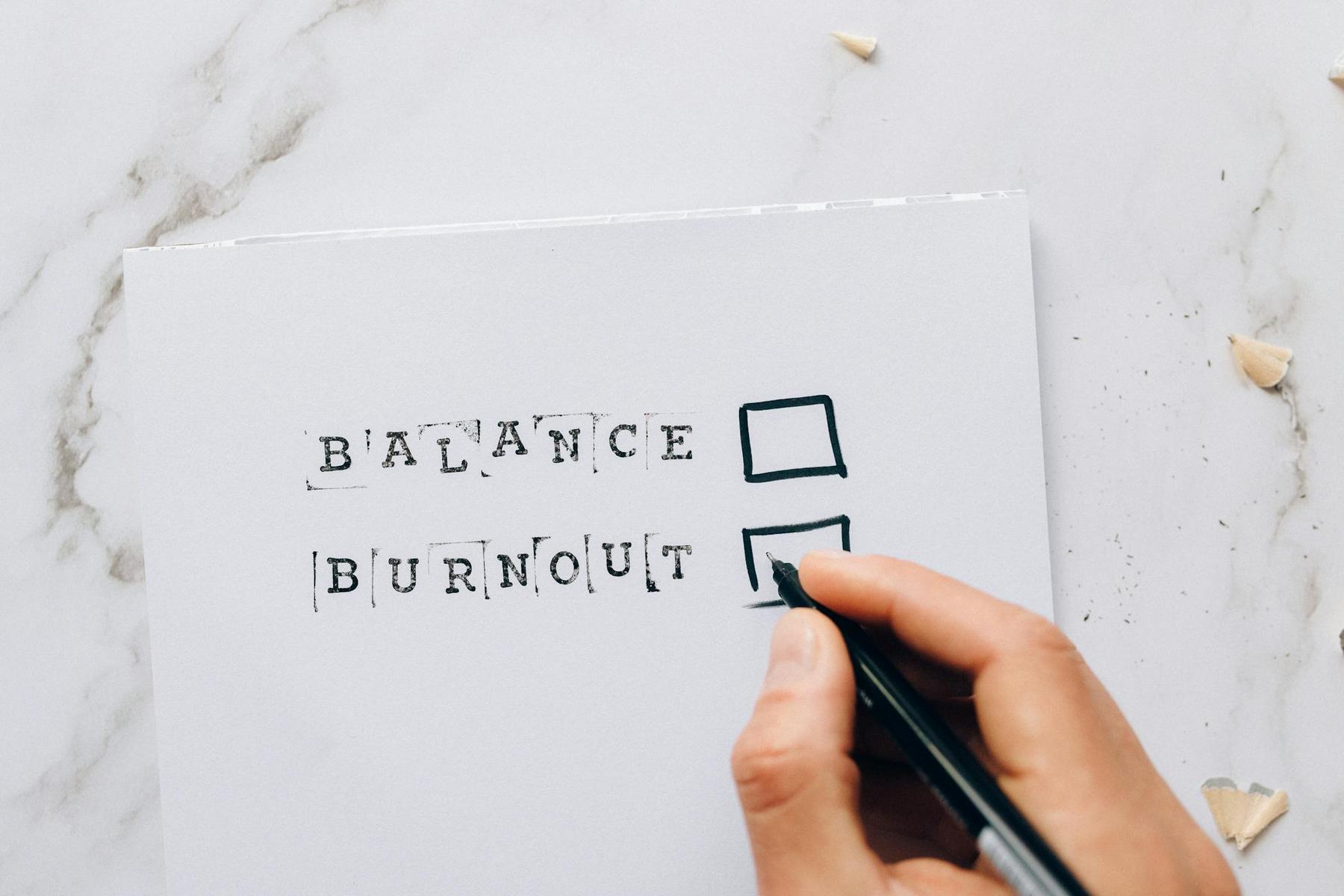
Occupational imbalance occurs when a person is over-engaged or under-engaged in certain areas, leaving insufficient time and energy for the activities that support overall wellbeing. This most commonly emerges when work or obligatory activities dominate daily life to the point where rest, leisure, and meaningful relationships are consistently compromised.
Occupational therapists evaluate balance across five key life domains, which provide a useful framework for self-reflection:
| Occupational Area | Examples | Approximate Ideal Daily Time Allocation |
|---|---|---|
| Self-Care | Showering, dressing, eating | ~7% |
| Productivity (Paid Work) | Employment, primary occupation | ~26% |
| Unpaid Work | Study, housework, childcare, volunteering | ~23% |
| Active Leisure | Exercise, hobbies, socialising | ~9% |
| Passive Leisure | TV, relaxation, social media | ~6% |
| Sleep | Rest and recovery | ~29% |
Note: Individual needs vary based on life circumstances, values, and personal goals. This framework serves as a general reference point, not a prescriptive target.
When one or more of these domains is consistently neglected or overloaded, early warning signs begin to emerge across physical, emotional, behavioural, and social dimensions.
How Common Is Occupational Imbalance Across Australia?
The scale of occupational imbalance in Australia is substantial, and the data paints a sobering picture.
According to the 2025 Corporate Mental Health Alliance Australia (CMHAA) Leading Mentally Healthy Workplaces Survey Report, 46% of Australian employees are experiencing some degree of burnout. Research by Beyond Blue, also conducted in 2025, found that 50% of Australian workers experienced burnout in the preceding 12 months, with workers aged 18 to 29 reporting the highest rates. When compared to the global average of 48%, 61% of Australian workers reporting burnout (Foremind, 2026) highlights that Australia faces a disproportionately high burden.
The downstream costs are equally significant. Workers experiencing mental health conditions linked to occupational imbalance lose a median of 34.2 working weeks per serious claim, compared to 8 weeks for physical injuries (Safe Work Australia, 2024). The economic cost to the Australian economy through absenteeism, presenteeism, and turnover is estimated at $14.2 billion annually (ELMO Software, 2025).
These figures underscore why recognising early warning signs of occupational imbalance – before the situation reaches crisis point – is both a personal health priority and a broader societal concern.
What Are the Early Physical and Psychological Warning Signs of Occupational Imbalance?
The body and mind are often the first to signal that something is out of balance. Many individuals dismiss these early indicators as simply “a busy period,” but they deserve careful attention.
Physical Warning Signs
- Persistent fatigue that does not improve with rest
- Sleep disturbances, including difficulty falling or staying asleep
- Frequent headaches or tension in the neck and shoulders
- Digestive issues such as nausea, indigestion, or gastrointestinal discomfort
- Changes in appetite – either loss of hunger or overeating
- Increased susceptibility to illness, suggesting a suppressed immune response
- Heart palpitations or a sense of chest tightness
- Cognitive difficulties, including “brain fog” or difficulty recalling information
Psychological and Emotional Warning Signs
- Persistent low mood, hopelessness, or feelings of worthlessness
- Heightened anxiety or episodes of panic
- Irritability and disproportionate frustration with minor matters
- Emotional numbness or a sense of detachment from work and relationships
- Cynicism or a marked loss of enthusiasm
- Difficulty concentrating or making decisions that were previously straightforward
- Excessive worry that spills into personal time
Research indicates that nearly three in five employees (60%) report that work-related stress extends to every aspect of their lives (HubStaff Research, 2025), suggesting these psychological indicators are far more widespread than is often acknowledged.
Recognising these early warning signs of occupational imbalance at the physical and emotional level is critical, because they frequently precede more significant and harder-to-reverse consequences.
What Behavioural and Lifestyle Changes Signal Occupational Imbalance?
Beyond how a person feels, occupational imbalance is also expressed through changes in everyday behaviour and lifestyle patterns. These shifts can be particularly telling because they are often observable to others – sometimes before the individual themselves has noticed.
Workplace Behavioural Changes
- Presenteeism – attending work while genuinely unwell and unable to perform at usual capacity. Research suggests 40% of Australian workers engage in presenteeism (ELMO Software, 2025).
- Increased absenteeism – particularly unplanned sick days on Mondays and Fridays (Circles HR, 2026). Burned-out employees are 63% more likely to take a sick day (HubStaff Research, 2025).
- Routinely working beyond contracted hours, including evenings and weekends
- Checking work communications during family time or annual leave
- Feeling guilty about taking lunch breaks, leaving work at a reasonable hour, or taking sick leave when genuinely unwell
- Using work as an escape from personal challenges rather than engaging with them
Leisure and Personal Life Changes
- Withdrawal from hobbies and activities once enjoyed
- Loss of interest in professional development or creative pursuits
- Procrastination on tasks that previously felt manageable
- Increased use of alcohol or other substances to wind down
- A disorganised or neglected personal environment
Relationship Warning Signs
The impact on relationships is one of the most consistently underestimated aspects of occupational imbalance. When work takes over, relationships are frequently the first casualty – with loved ones often recognising the warning signs before the individual does.
- Missing family events or cancelling plans with friends
- Being physically present but mentally absent
- Strained communication with a partner or children
- Withdrawal from social gatherings and community involvement
- 15% of Australian employees report that the demands of their job have negative impacts on familial or social relationships (Allianz Australia, 2025)
Who Is Most at Risk of Occupational Imbalance?
While occupational imbalance can affect anyone, the research points to several groups with notably elevated vulnerability.
Age and Gender
Young workers aged 18 to 29 experience the highest rates of burnout (50%) and psychological distress, with inappropriate workload cited as the primary driver (38–49%) followed by lack of management support (25–32%) (Beyond Blue, 2025). Workers under 40 are 70% more likely than those over 50 to find it increasingly difficult to stay motivated (TELUS Health, 2025).
Women face a disproportionate burden. More than one in five female workers (21.9%) experience psychological distress, compared to one in seven males (14.8%) (Distress in the Workplace, 2024). Women also report a 34% prevalence of chronic mental health conditions, compared to 26% for men (Mental Health of Australia’s Workplaces, 2025).
Industry Sectors
Certain industries carry higher risk profiles. Healthcare and social assistance accounts for 25.8% of serious mental health claims (Safe Work Australia, 2024), while accommodation and food services reports a 40% prevalence of mental ill-health – the highest of all industries (CMHAA, 2025). Community and personal service workers experience a claim rate 2.7 times the national average (Mental Health of Australia’s Workplaces, 2025).
Remote Work Settings
61% of remote workers report finding it harder to “unplug” compared to 53% of on-site workers, with 86% of full-time remote workers experiencing burnout (HubStaff Research, 2025). The blurring of physical and temporal boundaries between work and home life significantly compounds the risk of occupational imbalance for this population.
How Can Occupational Therapy Support Individuals Experiencing Occupational Imbalance?
Occupational therapists are uniquely positioned to support individuals in recognising early warning signs of occupational imbalance and building a pathway toward more sustainable daily living.
Rather than focusing solely on clinical symptoms, occupational therapy takes a holistic view of how a person’s time, roles, and activities interact across all life domains. This broader lens allows for targeted, meaningful intervention.
In the context of NDIS, aged care, and private practice, occupational therapists may offer:
- Functional Capacity Assessments – evaluating a person’s ability to manage essential daily activities and identifying where imbalance is affecting independence and participation
- Occupational Performance Assessments – using standardised tools such as the Canadian Occupational Performance Measure (COPM) to identify priorities and areas of concern
- Home Environment Assessments – reviewing the living environment to support a healthier distribution of occupational roles
- Lifestyle Modification Support – collaborating with individuals to reorganise daily routines, protect time for rest and leisure, and establish sustainable boundaries
- Skill-Building and Goal Setting – developing practical strategies to re-engage with meaningful activities across self-care, productivity, and leisure
Importantly, only 5% of Australian workers with burnout accessed Employee Assistance Programs despite 40% experiencing burnout at the time (ELMO Software, 2025). This significant gap highlights the importance of proactively seeking support rather than waiting for circumstances to worsen.
Occupational Imbalance Is Not Inevitable – But Recognition Must Come First
Occupational imbalance is neither a character flaw nor a sign of weakness. It is a predictable consequence of modern demands – particularly when support systems, workplace conditions, and personal boundaries fail to keep pace with those demands. The good news is that it is also recognisable, addressable, and, with the right support, reversible.
The earliest indicators – the persistent fatigue, the missed social occasions, the inability to switch off – are not trivial inconveniences. They are meaningful signals from a system under strain. Acknowledging them early, rather than normalising them, is the foundation of recovery.
For Australians across Brisbane, North Lakes, Sydney, Melbourne, Gold Coast, the Sunshine Coast, and beyond – whether in person or via telehealth – support is more accessible than many realise.
What is the difference between burnout and occupational imbalance?
Occupational imbalance refers to a sustained mismatch in how a person’s time and energy is distributed across life activities, such as an overemphasis on work at the expense of rest, leisure, and relationships. Burnout is a potential consequence of prolonged occupational imbalance, characterised by emotional exhaustion, cynicism, and a marked reduction in professional efficacy. Recognising early warning signs of occupational imbalance may help prevent progression to full burnout.
Can occupational imbalance affect people who are not in paid employment?
Yes. Occupational imbalance can occur in anyone, regardless of employment status. Carers, students, retirees, and individuals managing disability or chronic illness may all experience imbalance when their daily activities fail to meet their needs for rest, purpose, social connection, or personal care. Occupational therapy assessment considers all life roles, not only workplace participation.
How is occupational balance assessed by an occupational therapist?
Occupational therapists use standardised assessment tools such as the Canadian Occupational Performance Measure (COPM) and the Assessment of Motor and Process Skills (AMPS) to understand how individuals engage in daily activities, identify areas of concern, and collaborate on meaningful goals. Assessments are always tailored to the individual’s specific circumstances, values, and priorities.
Are there telehealth options for occupational therapy support relating to occupational imbalance?
Yes. Telehealth occupational therapy services are available across much of Queensland, Victoria, New South Wales, and Tasmania. Telehealth offers an accessible option for individuals who may face geographic, mobility, or time-related barriers to in-person support.
When should I seek support from an occupational therapist for occupational imbalance?
If you are noticing persistent physical symptoms (such as fatigue or sleep disruption), emotional changes (such as irritability or low mood), or behavioural shifts (such as withdrawal from leisure or difficulty setting boundaries) that are affecting your daily functioning and quality of life, it may be appropriate to seek an occupational therapy assessment. Early engagement generally leads to better outcomes, and you do not need to be at crisis point to access support.