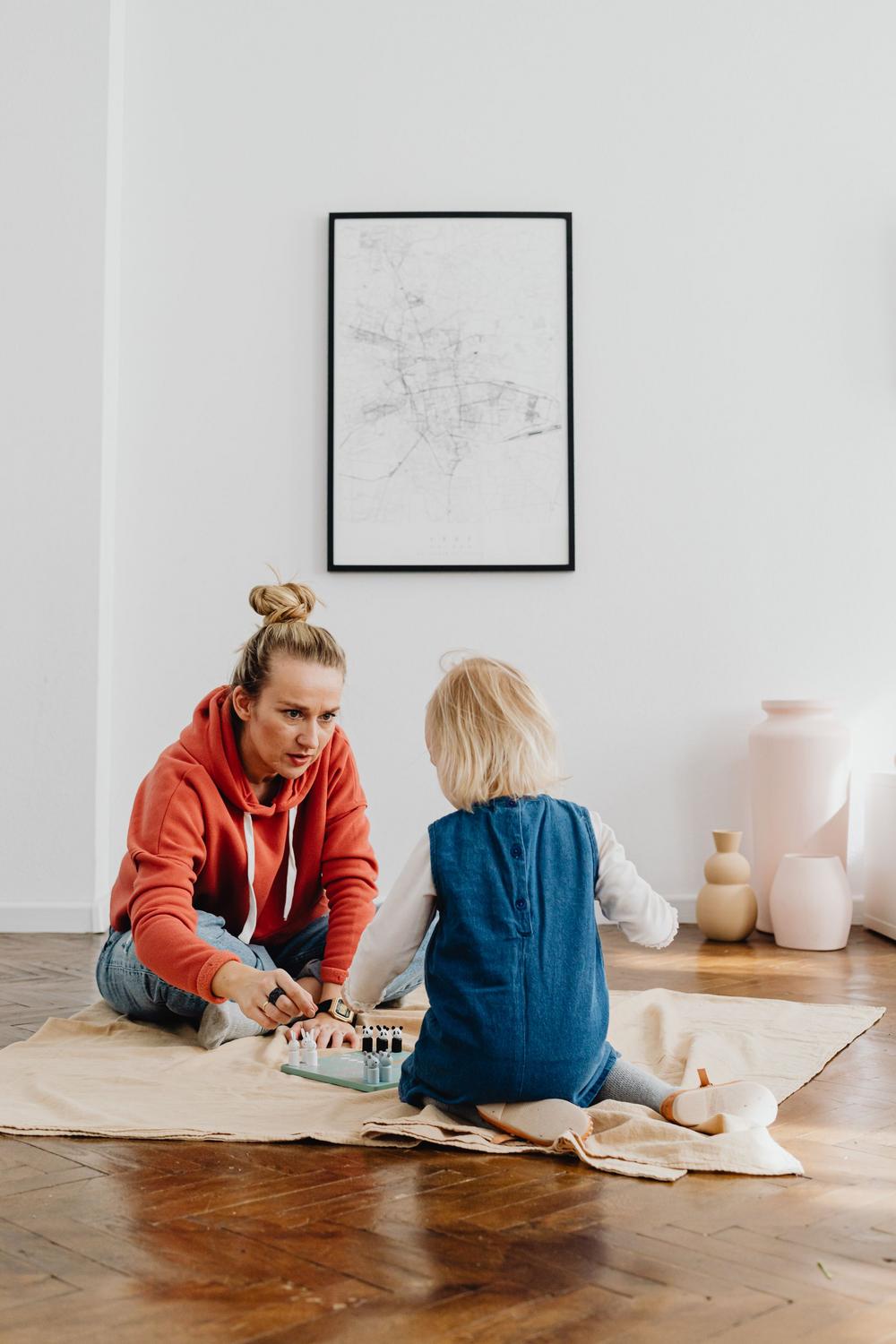
Every parent has watched their child lose themselves in play – building towers only to knock them down, sorting shapes with determined concentration, or negotiating the rules of a made-up game. What looks like simple fun is, in fact, one of the most sophisticated forms of learning a child will ever do. For children experiencing developmental challenges, Play-based occupational therapy takes this natural motivation and transforms it into a structured pathway towards meaningful, lasting skill development.
Whether your child is navigating sensory processing difficulties, developmental delays, autism spectrum disorder (ASD), or attention deficit/hyperactivity disorder (ADHD), play-based occupational therapy offers an evidence-based, child-centred approach to building the skills they need for everyday life.
What Is Play-Based Occupational Therapy and Why Does It Matter?
Play-based occupational therapy is the systematic use of play-oriented, child-directed activities within a therapeutic framework to help children develop skills, prevent or resolve developmental difficulties, and achieve greater independence in daily life. Recognised by the American Occupational Therapy Association (AOTA) as a core context for development, play is considered one of a child’s primary occupations – and it is precisely this understanding that sits at the heart of this approach.
Rather than traditional clinical exercises, occupational therapists working within a play-based framework design engaging, purposeful activities that naturally motivate children to participate. Because children are intrinsically driven to play, they willingly engage with activities that simultaneously challenge and develop their abilities across motor, cognitive, social, emotional, and self-care domains.
Play-based occupational therapy works because it aligns with how children’s brains are designed to learn – through exploration, experimentation, and interaction with the world around them.
What Skills Does Play-Based Occupational Therapy Help Build?
One of the most significant advantages of this approach is its capacity to address multiple developmental areas at once. A single well-designed play activity can simultaneously target fine motor control, problem-solving, emotional regulation, and social communication. Here is how play-based occupational therapy supports skill development across key areas:
Fine and Gross Motor Skills
Fine motor development – the small, precise movements of the hands and fingers – is addressed through activities such as threading beads, manipulating playdough, building with blocks, using child-safe scissors, and completing puzzles. These activities progressively develop hand strength, pincer grasp, and the in-hand manipulation skills children need for writing, dressing, and feeding.
Gross motor skills, which involve larger muscle groups and coordinated body movements, are targeted through obstacle courses, ball games, climbing structures, animal walks, and movement-based games. These activities build balance, coordination, and body awareness – foundations for playground participation, sport, and safe movement in the community.
Motor planning (or praxis) – the ability to conceive, plan, and sequence movements – is also developed through obstacle courses and pretend play scenarios that require children to think carefully about how to move their bodies through space.
Sensory Integration and Processing
Play provides rich opportunities for children to experience and process sensory input. Occupational therapists incorporate:
- Vestibular input (movement and balance) through swinging, sliding, and spinning
- Proprioceptive input (body position and pressure) through climbing, pushing, and pulling activities
- Tactile input (touch sensation) through sand play, water play, and exploration of different textures
Research referenced by the AOTA indicates sensory integration therapy is particularly effective when delivered in one-on-one sessions lasting approximately 40 minutes. Play-based approaches make this kind of structured sensory exposure both tolerable and enjoyable, particularly for children with ASD, ADHD, cerebral palsy, and intellectual disability.
Cognitive and Executive Function
Through puzzles, strategy games, multi-step construction activities, and cause-and-effect exploration, play-based occupational therapy strengthens problem-solving, planning, working memory, attention, and flexible thinking. The American Academy of Pediatrics recognises that play promotes cognitive development, self-regulation, and executive function skills while enhancing brain structure and fostering prosocial behaviour.
Social and Emotional Development
Group and structured play scenarios are powerful environments for developing social skills. Turn-taking games, cooperative building projects, and role-play activities help children practise communication, collaboration, understanding social cues, and managing frustration in a safe and supportive context.
Research examining 12 play-based occupational therapy interventions found that 11 of those 12 interventions resulted in moderate to large improvements in playfulness and social play for learners with ASD – a compelling demonstration of what this approach can achieve.
Language and Communication
Pretend play, narrated activities, and storytelling within play sessions support vocabulary development, listening comprehension, and narrative skills. Research also shows that earlier engagement in pretend play predicts better literacy outcomes, particularly in reading and comprehension – making this a meaningful consideration for school readiness.
Self-Care and Daily Living Skills
Play-based occupational therapy makes learning self-care skills engaging and achievable. Dress-up games develop dressing independence; food preparation play builds the sequencing and motor control needed for feeding; and everyday routines framed as play allow children to practise personal hygiene and self-care in a way that feels natural rather than forced.
What Types of Play Are Used in Occupational Therapy Sessions?
Occupational therapists draw on a variety of play types, each offering distinct developmental benefits. Research consistently demonstrates that combining multiple play formats within sessions produces the strongest outcomes.
| Play Type | Key Benefits | Example Activities |
|---|---|---|
| Pretend / Symbolic Play | Language, cognitive flexibility, executive function, emotional regulation | Role-play, pretend cooking, dramatic storytelling |
| Object Play | Fine and gross motor skills, manual dexterity, cognitive development | Puzzles, toy manipulation, sensory bins |
| Physical / Energetic Play | Gross motor skills, balance, coordination, health and fitness | Obstacle courses, climbing, ball games |
| Construction Play | Spatial reasoning, fine motor control, problem-solving, creativity | Blocks, LEGO, building activities |
| Games with Rules | Turn-taking, social skills, strategic thinking, frustration tolerance | Board games, card games, structured sports |
| Guided Play | Vocabulary, spatial skills, goal-directed learning | Therapist-facilitated activities with child-led choices |
How Effective Is Play-Based Occupational Therapy? What Does the Research Say?
The evidence base for play-based occupational therapy continues to grow. The Education Endowment Foundation’s review of play-based learning found that this approach improves learning outcomes, with positive results identified across language, early literacy, early numeracy, and a range of cognitive outcomes. The research also highlights stronger effects for children identified as having social, emotional, or educational difficulties.
In motor development research involving children with cerebral palsy, play-based therapy interventions documented meaningful improvements in gross motor function, fine motor skills, balance, and functional mobility. Importantly, engagement and therapeutic adherence – a critical factor in any intervention – are significantly improved when sessions are play-based. Children are naturally motivated to participate in activities they enjoy, resulting in more consistent practice, positive associations with therapy, and greater willingness to attempt challenging tasks.
The research is clear: when therapy feels like play, children try harder, persist longer, and achieve more.
What Are the Six Key Principles of Effective Play-Based Occupational Therapy?
Research identifies six core principles that underpin successful play-based occupational therapy:
- Combine Multiple Play TypesUsing free, guided, and structured play within sessions ensures balanced development across all skill domains.
- Use Caregiver-Guided Home PlayEncouraging families to continue play-based activities at home extends the benefits of therapy beyond scheduled sessions.
- Incorporate Toys of Interest Alongside Novel ObjectsCombining familiar, motivating toys with new play objects maintains engagement and introduces fresh learning opportunities.
- Use Visuals and Video ModellingDemonstrating playful behaviours through visual supports helps children understand expectations and learn new skills more effectively.
- Address Underlying MotivationsImproving a child’s intrinsic motivation to play leads to increased playful interactions, creating more opportunities for skill development and practice.
- Take a Goal-Directed ApproachClear, measurable goals aligned with each child’s priorities ensure therapy remains meaningful, and progress can be tracked over time.
How Does Mobile play-based occupational therapy Support Australian Families?
For families across Queensland, Victoria, New South Wales, and Tasmania, access to occupational therapy has traditionally meant travelling to a clinic – a significant barrier for families managing complex needs, mobility challenges, or geographical distance. Mobile play-based occupational therapy removes these barriers by bringing evidence-based intervention directly into the environments where children live, learn, and play.
When an occupational therapist works with a child in their own home or community, assessment and therapy occur in the real-world context where skills are most needed. This approach supports stronger generalisation of skills – children practise and develop abilities in the actual environment where they will use them. It also enables richer assessment, as the occupational therapist can directly observe how the child functions within their physical space, with their own toys, and alongside their family members.
For NDIS participants, aged care recipients, and private clients, mobile delivery ensures that play-based occupational therapy is accessible, practical, and genuinely integrated into daily life – not separated from it.
At Astrad Allied Health, occupational therapy services are delivered directly to clients across Brisbane, North Lakes, the Gold Coast, Sunshine Coast (including Peregian Springs, Noosa, Buderim, and Gympie), Sydney, Melbourne, and surrounding regions. Telehealth services are also available to clients across much of Queensland, Victoria, New South Wales, and Tasmania, ensuring that distance does not become a barrier to quality care.
Play Is Never Just Play
Play-based occupational therapy reframes what is often dismissed as “just play” into one of the most powerful developmental tools available to children and the occupational therapists who support them. By meeting children where they are – in the language of imagination, movement, and discovery – this approach builds the fine motor precision, sensory tolerance, cognitive flexibility, social understanding, and self-care independence that children need to thrive.
For Australian families navigating the NDIS or seeking support outside of it, play-based occupational therapy delivered in familiar, comfortable environments offers both clinical rigour and genuine accessibility. When the right support is delivered in the right context, the outcomes speak for themselves.
What age groups benefit from play-based occupational therapy?
Play-based occupational therapy is most commonly used with infants, toddlers, and school-aged children, as play is the primary occupation of childhood. However, the approach can be adapted across developmental stages. Occupational therapists assess each child individually to determine the most appropriate strategies based on their developmental level, goals, and areas of need.
How is play-based occupational therapy different from regular therapy sessions?
Rather than using drill-based exercises or rote repetition, play-based occupational therapy embeds skill development into engaging, child-directed activities. The child is an active participant in their own therapy, choosing from activities the occupational therapist has purposefully designed to target specific developmental goals. This increases motivation, engagement, and the likelihood that skills will transfer to everyday life.
Is play-based occupational therapy suitable for children with autism spectrum disorder (ASD)?
Yes. Research indicates that play-based occupational therapy interventions result in meaningful improvements in social skills, playfulness, peer interaction, and communication for children with ASD. Occupational therapists tailor activities and approaches to each child’s sensory profile, communication style, and individual goals, ensuring the approach is appropriate and beneficial.
Can play-based occupational therapy be delivered through the NDIS?
Yes. Occupational therapy is a recognised support under the National Disability Insurance Scheme (NDIS). Play-based approaches are consistent with the NDIS’s requirement for evidence-based, goal-oriented, client-centred practice. Families can discuss how NDIS funding may apply to occupational therapy services with their plan manager or support coordinator.
What is the difference between in-clinic and mobile play-based occupational therapy?
In-clinic therapy occurs in a formal clinical setting, while mobile occupational therapy is delivered in the child’s home, school, or community environment. Mobile delivery allows occupational therapists to observe and address challenges in the real-world context where they occur, often leading to stronger skill generalisation and more practical, immediately applicable recommendations for families.