Coming home after orthopaedic surgery can feel overwhelming. The operation is done, but your independence—showering, cooking, dressing, and moving through your own home—may seem out of reach. For many Australians recovering from joint replacements, hip fractures, rotator cuff repairs, or spinal surgery, the road back to everyday life is navigated with support and expertise from occupational therapy. This structured, evidence-informed process bridges the gap between the hospital bed and your living space, workplace, and life at home.
What Does Occupational Therapy After Orthopaedic Surgery Actually Involve?
Occupational therapy is a regulated, client-centred health profession focused on enabling participation in meaningful everyday activities. Unlike physiotherapy, which primarily addresses mobility, range of motion, and pain reduction, occupational therapy after orthopaedic surgery concentrates on your functional independence—how you bathe, dress, prepare meals, transfer safely, return to work, and engage with your community.
Following surgery, an occupational therapist will assess your previous level of function, your home environment, and your cognitive and emotional readiness, while also evaluating your need for adaptive equipment or home modifications. Based on this foundation, a personalised therapy plan is developed that evolves throughout your recovery.
Core areas addressed include:
- Activities of daily living (ADLs): bathing, dressing, grooming, toileting, and meal preparation
- Functional mobility: safe transfers from beds, chairs, toilets, and vehicles
- Adaptive equipment prescription and training
- Home safety and environmental modification
- Pain and oedema management
- Return to work and community reintegration
- Caregiver education and support
What Are the Phases of Occupational Therapy Recovery After Orthopaedic Surgery?
Recovery is a phased process, with occupational therapy structured across distinct stages aligned with tissue healing and functional capacity.
| Phase | Timeframe | Setting | Key OT Goals |
|---|---|---|---|
| Phase 1: Acute/Protection | Weeks 1–3 | Hospital/Acute Care | Protect surgical site, early mobilisation, ADL assessment, discharge planning |
| Phase 2: Early Mobilisation | Weeks 4–6 | Home/Subacute Care | Restore range of motion, scar management, ADL training with adaptive equipment |
| Phase 3: Strengthening & Functional Training | Weeks 6–12 | Home/Outpatient | Rebuild functional strength, fine motor skills, work-related task retraining |
| Phase 4: Advanced Reintegration | Week 12+ | Community/Outpatient | Return to work, driving, sport, and community participation |
Phase 1: Acute Care and Early Protection
In the hospital, occupational therapy begins as early as one to two days post-surgery. The focus is on protecting the surgical repair, minimising swelling, and initiating careful mobilisation. Early mobilisation is clinically important since prolonged immobility may reduce muscle mass and respiratory function while increasing the risk of complications. During this phase, the therapist also assesses your discharge destination and begins caregiver training for a safe transition home.
Phase 2: Early Mobilisation at Home
As you move home or to a subacute setting, therapy shifts towards restoring independence in self-care activities. Therapists may introduce active-assisted movements, light household tasks, scar management, and splinting as needed. Adaptive equipment such as raised toilet seats, shower chairs, and dressing aids often become central to your rehabilitation.
Phase 3: Functional Strengthening
Between six and twelve weeks, sessions focus on progressive strengthening and the simulation of everyday tasks relevant to your lifestyle and work. For hand and upper limb surgeries, objectives may include enhanced range of motion and grip strength, tailored specifically to your individual needs under professional guidance.
Phase 4: Reintegration and Return to Participation
Beyond week twelve, therapy supports advanced strengthening, return-to-work planning, driving rehabilitation, and community reintegration. Ongoing home exercise programmes may continue to yield functional improvements for several months post-surgery.
How Does Occupational Therapy Help With Everyday Activities?
A key benefit of occupational therapy is the restoration of independence in daily living. After procedures like hip or knee replacements, even routine tasks—such as dressing, toileting, or getting out of bed—may require relearning under new movement precautions. For those recovering from upper limb surgeries, therapy centers on restoring fine motor control, hand-eye coordination, and sensory re-education essential for tasks like cooking, writing, and self-care.
Occupational therapy also addresses sleep positioning, medication management, and the psychological aspects of recovery, including anxiety about reinjury and adjustment to temporary limitations.
What Adaptive Equipment and Home Modifications Might You Need?
Preparing your home is key to a safe recovery. An occupational therapist can assess your needs and recommend adaptive equipment and modifications, for example:
For Hip and Lower Limb Surgery:
- Hip kits (e.g., reacher, sock aid, long-handled sponge, long-handled shoehorn)
- Raised toilet seats or bedside commodes
- Shower chairs or tub benches
- Leg lifters
- Grab bars and non-slip mats
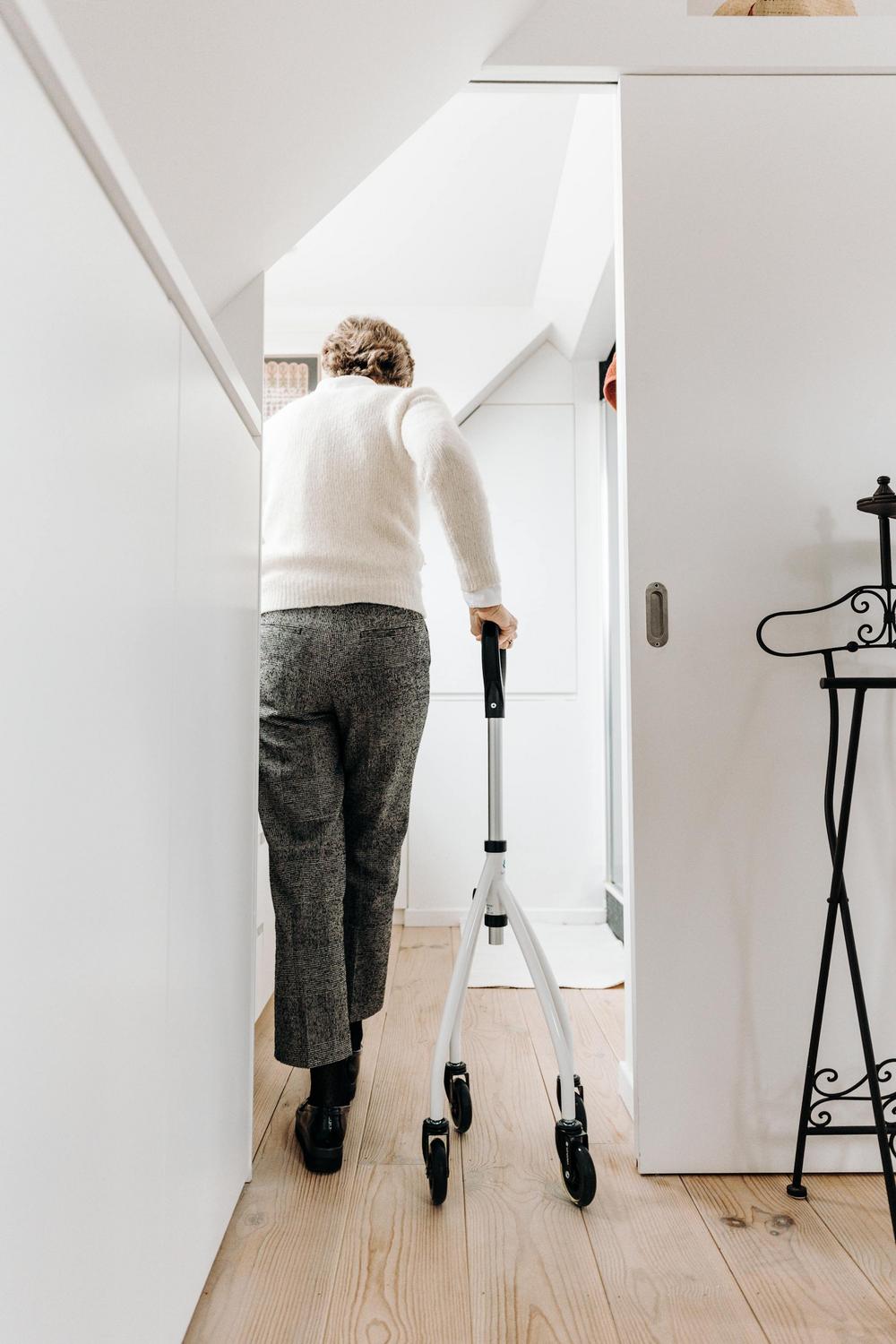
- Mobility aids like walking frames, canes, or crutches
For Upper Limb and Hand Surgery:
- Dressing aids and elastic shoelaces
- Splints and orthoses
- Adaptive kitchen tools and ergonomic aids
- Compression garments for oedema management
Home modifications may include the installation of grab bars, removal of tripping hazards, improvements to lighting, and adjustments to bathrooms or staircases. For NDIS participants, some home modifications may be funded under relevant support categories, with mobile occupational therapy services offering assessments in your own environment.
What Does the Evidence Say About Occupational Therapy Outcomes?
Research shows that occupational therapy can lead to shorter hospital stays and improved functional outcomes after surgeries such as total hip and knee replacements. Studies indicate that higher-intensity OT interventions in home health settings are associated with greater functional gains and reduced hospital readmission rates. Additionally, structured occupational therapy has been linked to psychological benefits, including lower emotional distress and reduced anxiety for both patients and caregivers.
How Can You Access Occupational Therapy After Orthopaedic Surgery?
In Australia, occupational therapy services are accessible through various pathways:
- NDIS participants may receive services under Capacity Building – Improved Daily Living or Core Supports funding categories.
- Aged care recipients can access OT as part of relevant care packages.
- Private clients can self-refer or be referred by their healthcare team, with services available on a fee-for-service basis.
Mobile occupational therapy services, including telehealth options, ensure that support is available across metropolitan, regional, and remote areas in Queensland, New South Wales, Victoria, and Tasmania.
Making the Most of Your Recovery: What Matters at Every Stage
Recovery from orthopaedic surgery is measured in milestones—the first independent shower, returning to the kitchen, getting behind the wheel, and re-engaging in work. Occupational therapy provides a structured, individualised pathway that supports these crucial milestones. Active participation in therapy, adherence to a tailored home exercise programme, and open communication with your therapist are essential for optimising outcomes.
Disclaimer: This article is intended for general informational purposes only and does not constitute medical or clinical advice. It is not a substitute for professional assessment, diagnosis, or treatment by a qualified health practitioner. For personalised advice, please consult a registered occupational therapist or your treating healthcare team.
When should occupational therapy start after orthopaedic surgery?
Occupational therapy typically begins within the first one to two days post-operation in a hospital setting. Early engagement supports safe mobilisation, proper discharge planning, and effective caregiver training.
Is occupational therapy different from physiotherapy after orthopaedic surgery?
Yes. While physiotherapy focuses on restoring mobility, range of motion, and pain relief, occupational therapy addresses functional independence—helping you relearn daily activities such as bathing, dressing, and cooking.
Can I access occupational therapy after orthopaedic surgery through the NDIS?
NDIS participants may access occupational therapy services under Capacity Building – Improved Daily Living or Core Supports – Assistance with Daily Life, depending on their individual plan and goals. It’s best to discuss your options with your support coordinator or therapist.
What is mobile occupational therapy and how does it differ from clinic-based services?
Mobile occupational therapy involves a registered therapist visiting your home or community setting rather than meeting in a clinic. This approach allows for assessments to be conducted in your actual living environment, ensuring recommendations are practical and tailored to your daily life.
How long will I need occupational therapy after orthopaedic surgery?
The duration of therapy varies based on the type of surgery, your previous level of function, and your individual recovery goals. While some patients may undergo formal therapy for several weeks, others—especially those recovering from joint replacements—may continue with home exercise programmes for several months.