A life-changing injury does not arrive with a roadmap. In one moment, the life a person has built – their routines, their work, their independence, their sense of self – can shift dramatically. What follows is not simply a physical recovery. It is a profound reorganisation of daily life, identity, relationships, finances, and future goals.
For individuals and families navigating this reality across Brisbane, North Lakes, the Gold Coast, Sunshine Coast, Sydney, Melbourne, and regional and rural Queensland, Victoria, New South Wales, and Tasmania, the path forward can feel overwhelming. Yet evidence is clear: with the right support, structured planning, and access to coordinated care, meaningful recovery and a fulfilling life are achievable.
This guide explores the key pillars of long-term planning after life-changing injury and how a person-centred, multidisciplinary approach – including occupational therapy – can make a genuine difference.
What Does Long-Term Planning After a Life-Changing Injury Actually Involve?
Long-term planning after a life-changing injury is far more than managing immediate medical needs. It is a holistic, evolving process that addresses physical rehabilitation, psychological wellbeing, financial security, housing, community participation, vocational goals, and family support – simultaneously.
The severity of an injury does not always predict the complexity of what follows. A person with a relatively contained physical injury may face profound psychological and vocational challenges, while another with significant physical limitations may navigate those areas with greater ease. This is precisely why individualised, person-centred planning is the cornerstone of effective long-term care.
A comprehensive long-term plan typically includes:
- Documented short-term and long-term rehabilitation goals
- Identified needs and personal preferences
- Strategies for returning to meaningful activities – work, leisure, education, and family roles
- Arrangements for home modifications and assistive technology
- Financial planning pathways, including NDIS and government support
- Psychological and emotional support strategies
- Clear follow-up arrangements with a designated key contact
The most effective plans are developed with the individual – not for them. Goals should be grounded in what matters most to the person: what they want to do, where they want to go, and who they want to be.
How Does Occupational Therapy Support Long-Term Independence After Injury?
Occupational therapy (OT) plays a central role in long-term planning after life-changing injury. Rather than focusing solely on physical recovery, occupational therapists assess the whole person – their physical abilities, cognitive function, emotional wellbeing, environment, and the activities that give their life meaning.
After an initial comprehensive assessment, an occupational therapist works collaboratively with the individual to design interventions that restore independence in daily life. This may include adaptive equipment prescription and training, environmental modifications, cognitive strategies, fatigue and activity pacing, and support for return to work or community participation.
For people living with spinal cord injury, brain injury, limb loss, or other significant trauma, OT support may also involve:
Physical and Functional Skill Development
Structured exercises targeting range of motion, strength, balance, coordination, and daily task performance are integrated into a graduated, goal-driven programme.
Assistive Technology and Equipment
Prescription of appropriate aids – from shower chairs to communication devices – supports independence where physical capacity has changed.
Cognitive Rehabilitation
Following brain injury, compensatory strategies such as planners, structured routines, memory aids, and environmental modifications help individuals manage daily demands more effectively.
Home Environment Assessment
A thorough home assessment identifies barriers to safety and independence, informing recommendations for modifications that allow a person to live as independently as possible in their own space.
Community and Social Reintegration
Re-engagement with hobbies, social activities, volunteer work, and community spaces is a documented and meaningful rehabilitation goal – not an afterthought.
Mobile occupational therapy services, such as those provided by Astrad Allied Health across Queensland, Victoria, New South Wales, and Tasmania, deliver these supports directly in a person’s home or community setting. This approach removes the burden of travel and allows assessment and intervention to occur in the real-life environment where challenges actually arise.
What Financial and NDIS Support Is Available After a Life-Changing Injury in Australia?
Navigating financial support after a life-changing injury is complex, and while this guide does not constitute financial advice, it is important to understand the general landscape of available support in Australia.
As of January 2026, the National Disability Insurance Scheme (NDIS) supports 766,180 participants, with an average annualised support package of $66,300 per participant. Occupational therapy services are commonly funded under the NDIS, covering assessments, therapy, assistive technology, home modifications, and capacity building.
Beyond the NDIS, Australian government financial support may include:
- Disability Support Pension (DSP): For individuals with a permanent condition likely to persist for two or more years that prevents work
- JobSeeker Payment: Short-term income support for those temporarily unable to work due to injury
- Mobility Allowance: Assistance with transport costs for work, study, or job seeking
- Carer Payments: Support for those providing unpaid care to someone with a disability
- Concession Cards: Reducing costs for health services, utilities, and council rates
Individuals recovering from work-related injuries may also have access to workers’ compensation, while those injured in motor vehicle accidents may be covered by compulsory third-party (CTP) insurance. Superannuation funds sometimes hold income protection or Total and Permanent Disability (TPD) cover that many people are unaware of.
The National Debt Helpline (1800 007 007) offers free financial counselling for those experiencing financial stress during recovery.
How Do Home Modifications Help Rebuild Independence After a Life-Changing Injury?
For many people undertaking long-term planning after a life-changing injury, the home environment is where the greatest daily challenges occur. Home modifications can transform a space from a source of frustration and risk into one that supports safety, independence, and dignity.
The NDIS funds home modifications across three tiers based on complexity and cost:
| Modification Category | Approximate Cost Range | Examples | Assessment Required |
|---|---|---|---|
| Category A (Minor) | Under $10,000 | Grab rails, lever taps, handheld showers, threshold ramps, anti-slip treads | Qualified occupational therapist |
| Category B (Minor – Larger Scope) | $10,000 – $20,000 | Comprehensive kitchen adjustments, bathroom fixture relocation | OT with home modification qualifications |
| Complex Modifications | Over $20,000 | Permanent ramps, full bathroom renovations, doorway widening, lifts | OT plus building professional; two itemised quotes required |
To be funded by the NDIS, modifications must be directly related to a person’s disability, reasonable and necessary, aligned with their NDIS plan goals, and compliant with Australian Building Codes and local council requirements.
An occupational therapist is integral to this process – conducting the home assessment, linking identified needs to functional limitations, preparing the supporting report, and coordinating with builders and the NDIA to ensure modifications are approved and delivered appropriately.
What Does a Successful Return to Work and Community Life Look Like After Injury?
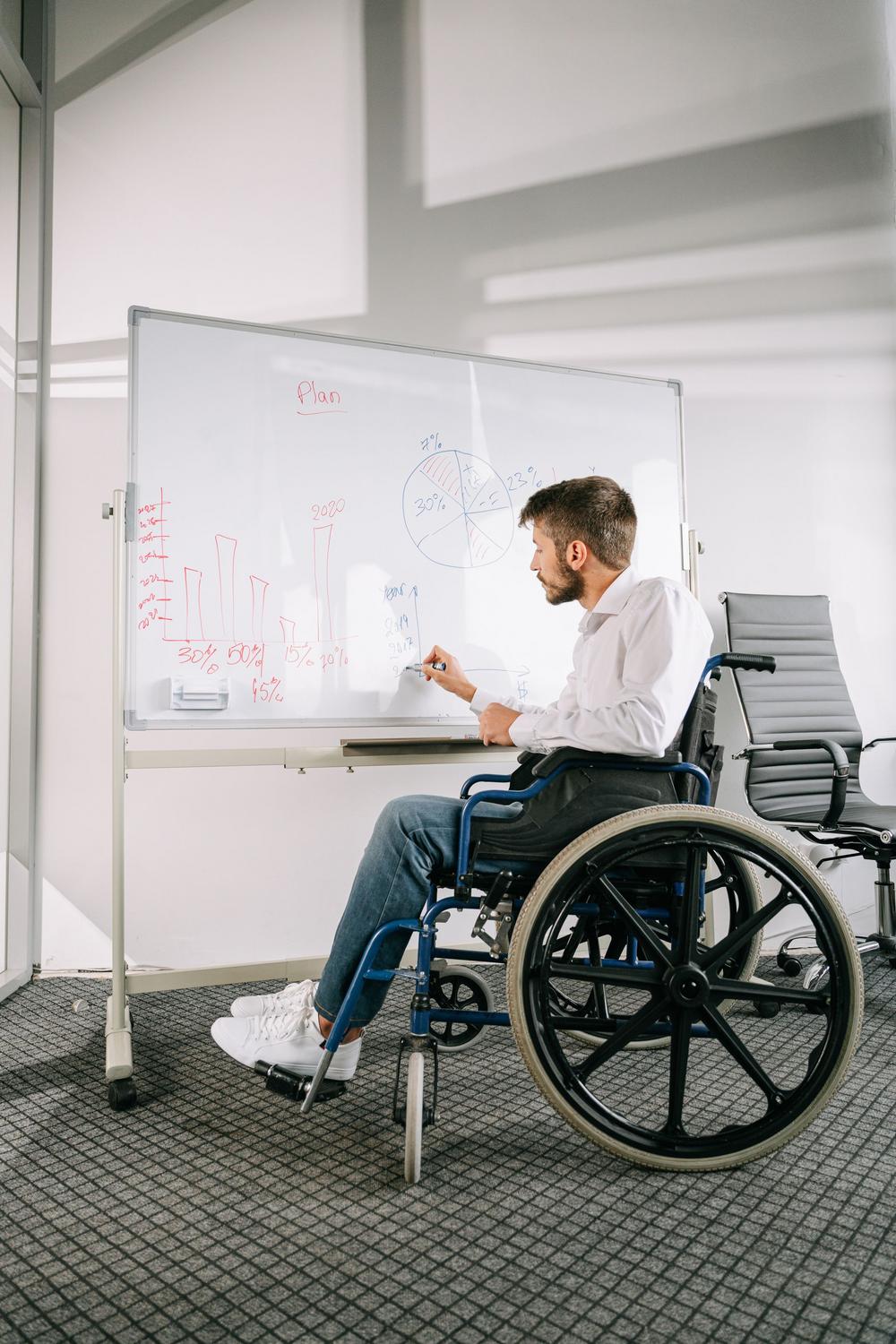
Returning to work and community life is one of the most significant goals in long-term planning after a life-changing injury – and one of the most nuanced. Research shows that staying at work, or returning to meaningful employment in a timely, supported way, improves both recovery outcomes and overall quality of life.
For individuals recovering from traumatic brain injury, for instance, between 30 and 55 per cent return to work within one year – yet only approximately 34 per cent remain in stable employment at the three-year mark. This highlights the importance of not just facilitating return, but sustaining it.
Evidence supports a biopsychosocial approach to return to work – one that addresses physical capacity, psychological readiness, and the social and environmental factors that shape how a person functions in the workplace. Occupational therapists contribute across six identified pillars of return-to-work support:
1. Vocational Life Support
Managing life rhythms – sleep, nutrition, activity levels, and fatigue – that underpin the capacity to work.
2. Interpersonal Skills Development
Rebuilding communication strategies, workplace relationship skills, and social confidence.
3. Work Capability Building
Gradual, graded exposure to work demands, including job analysis, task breakdown, and skill development.
4. Self-Awareness and Insight
Supporting individuals to recognise their current limitations and strengths, and to set realistic, meaningful goals.
5. Compensation Measures
Implementing adaptive strategies, assistive technology, environmental adjustments, and pacing techniques to sustain performance.
6. Goal-Setting and Motivation
Establishing meaningful milestones and reviewing progress regularly to maintain engagement and direction.
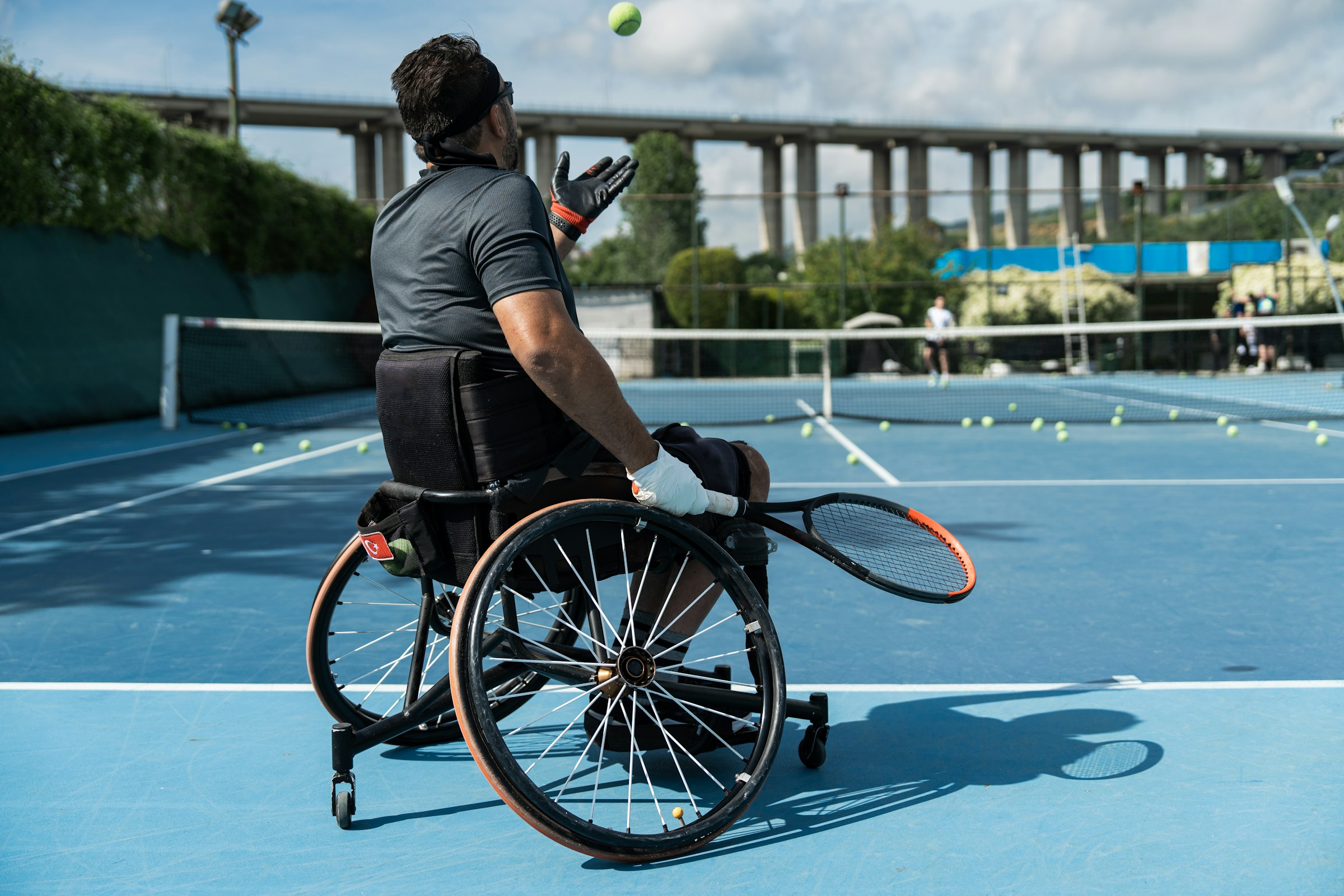
Community reintegration – returning to hobbies, social activities, volunteering, sport, and leisure – carries equal weight in a comprehensive recovery plan. Leisure reintegration is not a luxury; it is a documented contributor to psychological wellbeing and long-term life satisfaction, and an important counterbalance to social isolation.
How Can Psychological Wellbeing Be Incorporated into Long-Term Injury Planning?
No discussion of long-term planning after a life-changing injury is complete without addressing psychological wellbeing. Injury does not only affect the body – it reshapes identity, disrupts roles, strains relationships, and can generate significant emotional distress.
Depression affects approximately 30 per cent of individuals during spinal cord injury rehabilitation. Anxiety, post-traumatic stress responses, and adjustment difficulties are common across many injury types. Importantly, psychological wellbeing at one month post-injury has been identified as a meaningful predictor of recovery outcomes at twelve months.
Psychological support must be integrated with – not separated from – physical rehabilitation. When mental health distress goes unaddressed, functional gains are reduced, recovery is prolonged, and quality of life suffers.
Effective long-term planning incorporates:
- Regular screening for depression, anxiety, and trauma responses
- Access to tailored psychological interventions aligned with the individual’s needs and rehabilitation goals
- Family and carer education on the psychological impacts of injury
- Crisis support and risk assessment where needed
- Peer support connections and community engagement as protective factors
Around 60 per cent of people with spinal cord injury report adapting well and living meaningful, fulfilling lives following their injury. This outcome is not accidental – it reflects the impact of comprehensive, sustained, person-centred support.
Building a Life That Fits: The Ongoing Nature of Long-Term Recovery Planning
Long-term planning after life-changing injury is not a single conversation or a document filed away after discharge. It is an ongoing, adaptive process – one that grows and shifts as the individual’s circumstances, goals, and capacities evolve.
Effective planning acknowledges that recovery is not linear. Goals must be flexible, regularly reviewed, and genuinely responsive to setbacks and progress alike. The most meaningful outcomes emerge when the person at the centre of the plan is also the most active participant in shaping it.
Whether through NDIS-funded occupational therapy, home modification support, return-to-work programmes, community reintegration services, or telehealth consultations delivered to regional and remote areas, the goal remains constant: to support each individual to live with greater independence, purpose, and quality of life.
What is the role of occupational therapy in long-term planning after a life-changing injury?
Occupational therapy supports individuals to regain independence in daily activities, navigate their home and community environments, access assistive technology, and work toward meaningful goals including return to work and social participation. Occupational therapists are involved across the full spectrum of recovery, from initial assessment through to community reintegration.
Can I access NDIS-funded occupational therapy after a life-changing injury in Queensland, New South Wales, Victoria, or Tasmania?
Yes. If you meet NDIS eligibility criteria, occupational therapy services can be funded under your NDIS plan, typically under Core Supports or Capacity Building. Mobile occupational therapy services, such as those provided by Astrad Allied Health, are available across these regions including telehealth for eligible clients.
What home modifications might be recommended after a serious injury, and are they covered by the NDIS?
Common NDIS-funded home modifications include grab rails, ramps, accessible bathroom modifications, doorway widening, and kitchen adaptations. Eligibility depends on whether modifications are directly related to your disability, reasonable and necessary, aligned with your NDIS plan goals, and compliant with building codes. An occupational therapist usually conducts the required assessment and documentation.
How important is psychological support as part of long-term injury planning?
Psychological support is critical for recovery as injury affects not only the body but also identity, relationships, and emotional wellbeing. Integrating mental health support with physical rehabilitation helps to address depression, anxiety, and trauma responses, leading to improved recovery outcomes and overall quality of life.
What should I look for in a long-term rehabilitation plan after injury?
A comprehensive plan should be person-centred and developed collaboratively, including both short-term and long-term goals. It must address physical, psychological, vocational, and social needs, and feature clear contacts for ongoing support and guidance. Regular reviews and adjustments ensure the plan remains responsive to changing circumstances.