The ability to wash, dry, and fold one’s own clothing represents far more than basic household maintenance. For many Australians—particularly those with disabilities, neurodevelopmental conditions, or aged care needs—laundry skills embody independence itself. The simple act of having clean clothes when needed reflects personal autonomy, self-care capability, and the freedom to participate fully in community life. Yet this seemingly straightforward task involves a surprisingly complex sequence of motor, cognitive, and organisational skills that many individuals find challenging to master.
Across Queensland, Victoria, New South Wales, and Tasmania, occupational therapists work with NDIS participants, aged care recipients, and private clients to develop these essential capabilities. The process requires patience, structured teaching approaches, and an understanding that independence may look different for each person—sometimes involving complete autonomy, other times requiring specific supports or modifications that enable participation.
What Are Laundry Skills and Why Do They Matter for Independence?
Laundry skills encompass the complete process of managing clothing cleanliness, from identifying dirty items through to storing clean, folded garments in their proper locations. These capabilities fall under Instrumental Activities of Daily Living (IADLs)—complex tasks that require higher-level cognitive abilities including planning, decision-making, and organisational capacity.
The significance extends beyond practicality. Getting dressed each day requires access to clean clothing, making laundry management fundamental to maintaining personal hygiene and social participation. For individuals working towards independent living in Brisbane, Melbourne, Sydney, or regional areas like the Sunshine Coast, mastering laundry tasks represents a crucial stepping stone.
Under the National Disability Insurance Scheme, laundry skill development forms part of “Development of Daily Living and Life Skills” within Capacity Building supports. This recognition reflects the understanding that these capabilities directly impact quality of life, reducing reliance on others and fostering self-determination. The Aged Care Quality Standards similarly emphasise maintaining functional independence in daily activities as central to dignified care.
Laundry skills involve integration of multiple skill domains: motor coordination for handling fabrics and equipment, cognitive sequencing for following multi-step processes, sensory processing for managing textures and temperatures, and executive functioning for planning and completing tasks. This complexity explains why many individuals require structured support to develop proficiency, regardless of their other capabilities or intelligence.
How Do You Break Down the Laundry Process Into Manageable Steps?
The laundry process involves between 11 and 21 distinct steps, depending on the complexity of the task analysis. Understanding this breakdown helps therapists, carers, and individuals identify specific areas requiring support or modification.
Core Laundry Task Sequence
Preparation Phase:
- Gather dirty laundry from around living spaces
- Sort items by colour and fabric type
- Check pockets and identify stains requiring pre-treatment
- Place sorted items into washing machine
Washing Phase:
- Ensure load size doesn’t exceed machine capacity
- Add appropriate detergent type and quantity
- Select correct wash cycle for fabric types
- Choose appropriate water temperature
- Start the washing machine
- Monitor for completion
- Remove wet items promptly
Drying Phase:
- Identify items suitable for machine drying versus air drying
- Load dryer appropriately
- Select suitable heat setting and duration
- Start dryer and monitor completion
- Remove items promptly to minimise wrinkles
Finishing Phase:
- Fold different garment types using appropriate techniques
- Match and pair socks
- Hang items requiring hangers
- Store all items in designated locations
- Return baskets and supplies to proper places
This comprehensive task breakdown demonstrates why laundry skills for independent living task breakdown proves essential for effective teaching. Breaking the process into discrete, manageable components allows individuals to master one element before progressing, building confidence incrementally.
What Skills Are Required to Complete Laundry Successfully?
Laundry task completion requires simultaneous coordination of multiple skill areas. Understanding these prerequisites helps identify where individuals may need additional support or compensatory strategies.
| Skill Category | Specific Requirements | Impact on Laundry Tasks |
|---|---|---|
| Fine Motor | Pinch grip, hand dexterity, bilateral coordination | Handling buttons, measuring detergent, folding fabrics |
| Gross Motor | Upper body strength, core stability, balance, endurance | Lifting baskets (up to 5-10kg when wet), reaching machines, standing long |
| Cognitive | Working memory, sequencing, attention span, planning | Remembering multi-step processes, following instructions, organising tasks |
| Executive Function | Task initiation, completion, time management, organisation | Starting laundry without prompts, finishing all stages, scheduling appropriately |
| Sensory Processing | Tactile discrimination, visual processing, olfactory tolerance | Managing water temperatures, sorting colours, tolerating detergent scents |
| Problem-Solving | Decision-making, safety awareness, adaptability | Selecting appropriate cycles, responding to issues, making fabric care choices |
Executive functioning emerges as the primary barrier for most individuals developing laundry independence. The need to initiate tasks without external prompting, maintain focus through multiple stages, remember sequences, and complete all steps presents particular challenges for people with autism spectrum disorder, acquired brain injury, ADHD, or intellectual disabilities.
The heavy work component of laundry—carrying baskets, pulling wet clothing, pushing items into machines—provides valuable proprioceptive input that can support sensory regulation. This dual benefit means laundry tasks simultaneously build practical skills whilst offering therapeutic sensory experiences.
How Can Occupational Therapy Support Laundry Skill Development?
Occupational therapists across Brisbane, North Lakes, Sydney, Melbourne, and regional Queensland, Victoria, New South Wales, and Tasmania utilise evidence-based frameworks to assess current capabilities and develop individualised intervention plans.
Assessment Approaches
Activity analysis forms the foundation of occupational therapy assessment. This process examines each component of laundry tasks, identifying specific barriers and supports needed. Assessment considers physical capabilities (strength, range of motion, endurance), cognitive functions (memory, sequencing, problem-solving), sensory processing patterns, and environmental factors.
Several standardised tools provide structure to assessment processes:
- The Lawton Instrumental Activities of Daily Living Scale specifically measures eight domains of function including housekeeping and laundry. Scores range from 0 (dependent) to 8 (independent), providing clear measurement of capability levels.
- The Functional Independence Measure assesses 18 items across motor and cognitive domains, with scoring from 1 (total assistance) to 7 (complete independence). This tool helps quantify support requirements and track progress over time.
- For aged care contexts, the Barthel Index measures independence in 10 activities of daily living, with quarterly administration tracking changes in functional capacity as required under Australian aged care quality standards.
Intervention Strategies
Occupational therapy intervention for laundry skills employs multiple evidence-based strategies:
- Environmental modifications reduce cognitive load and physical barriers. These might include installing laundry pods for simplified detergent dosing, providing folding boards for standardised results, adding step stools for accessibility, implementing colour-coded baskets for sorting, or creating visual labels on machine settings.
- Task segmentation divides laundry across multiple sessions rather than completing everything consecutively. An individual might complete washing on Monday, drying on Tuesday, and folding on Wednesday, preventing overwhelm whilst building sustainable routines.
- Chaining techniques teach complex sequences systematically. Forward chaining has the learner complete the first step independently whilst the therapist completes remaining steps, gradually expanding independence. Backward chaining reverses this approach, with the learner completing final steps first, providing immediate accomplishment whilst building towards full independence.
What Strategies Make Learning Laundry Tasks More Effective?
Research demonstrates specific teaching approaches that enhance skill acquisition and retention for laundry skills for independent living task breakdown.
Visual Supports and Modelling
Visual supports prove particularly effective across diverse populations. These include:
- Step-by-step pictorial instructions near machines
- Social stories explaining the process and expectations
- Video modelling showing proper techniques
- Checklists with tick boxes for completed steps
- Photo sequences mounted at eye level
Studies demonstrate that individuals with developmental disabilities successfully learned 10-step laundry sequences using 2-3 video segments, with some requiring minimal additional prompting. The visual demonstration clarifies both sequencing and proper technique.
Routine Development and Consistency
Establishing consistent laundry routines supports independence through predictability:
- Fixed laundry days and times (e.g., every Wednesday evening)
- Alarm reminders for cycle completion
- Timer use for managing waiting periods
- Consistent procedures reducing decision-making requirements
Simplifying decisions significantly improves success rates. Rather than selecting different temperatures and cycles for various fabrics, many individuals achieve independence by washing all items on cold, gentle cycles—a safe approach for most clothing that eliminates complex decision-making.
Sensory Accommodations
For individuals with sensory processing differences, specific accommodations support participation:
- Fragrance-free or lightly scented detergents
- Gloves for those with tactile sensitivities to water or textures
- Quieter machine cycles when auditory sensitivity presents concerns
- Gradual exposure to sensory aspects of laundry tasks
- Built-in sensory breaks for regulation
The naturally occurring proprioceptive input from laundry’s heavy work components often provides beneficial sensory feedback, though intensity may require modification for some individuals.
Family and Carer Involvement
Successful skill development requires consistent approaches across all supporters. When family members, support workers, and therapists use identical cueing, environmental setups, and teaching methods, learning accelerates and generalises more effectively.
Mobile occupational therapy services delivered in clients’ homes—available throughout Brisbane, the Gold Coast, regional areas like Noosa and Buderim, and through telehealth across Queensland, Victoria, New South Wales, and Tasmania—provide authentic learning environments. Practising in the actual spaces where laundry will occur, using the specific equipment available, creates realistic skill development that translates directly to daily life.
What Are the Common Challenges in Developing Laundry Independence?
Understanding typical obstacles helps therapists, carers, and individuals anticipate and address difficulties proactively.
Cognitive and Executive Function Barriers
Working memory limitations make remembering 11-21 step sequences extremely challenging. Individuals may forget where they are in the process, skip steps unintentionally, or become confused about what comes next.
Task initiation difficulties mean individuals recognise laundry needs doing but cannot begin without external prompts. This challenge often manifests as wearing the last clean outfit before starting laundry, or waiting until others mention the need.
Task completion problems result in wet clothes remaining in washers, dry clothes staying in dryers, or clean clothes sitting unfolded for extended periods. Each incomplete stage undermines the purpose of previous efforts.
Planning and sequencing challenges affect ability to coordinate timing, sort appropriately, or select suitable settings. The decision tree involved in proper laundry management overwhelms some individuals.
Motor and Physical Limitations
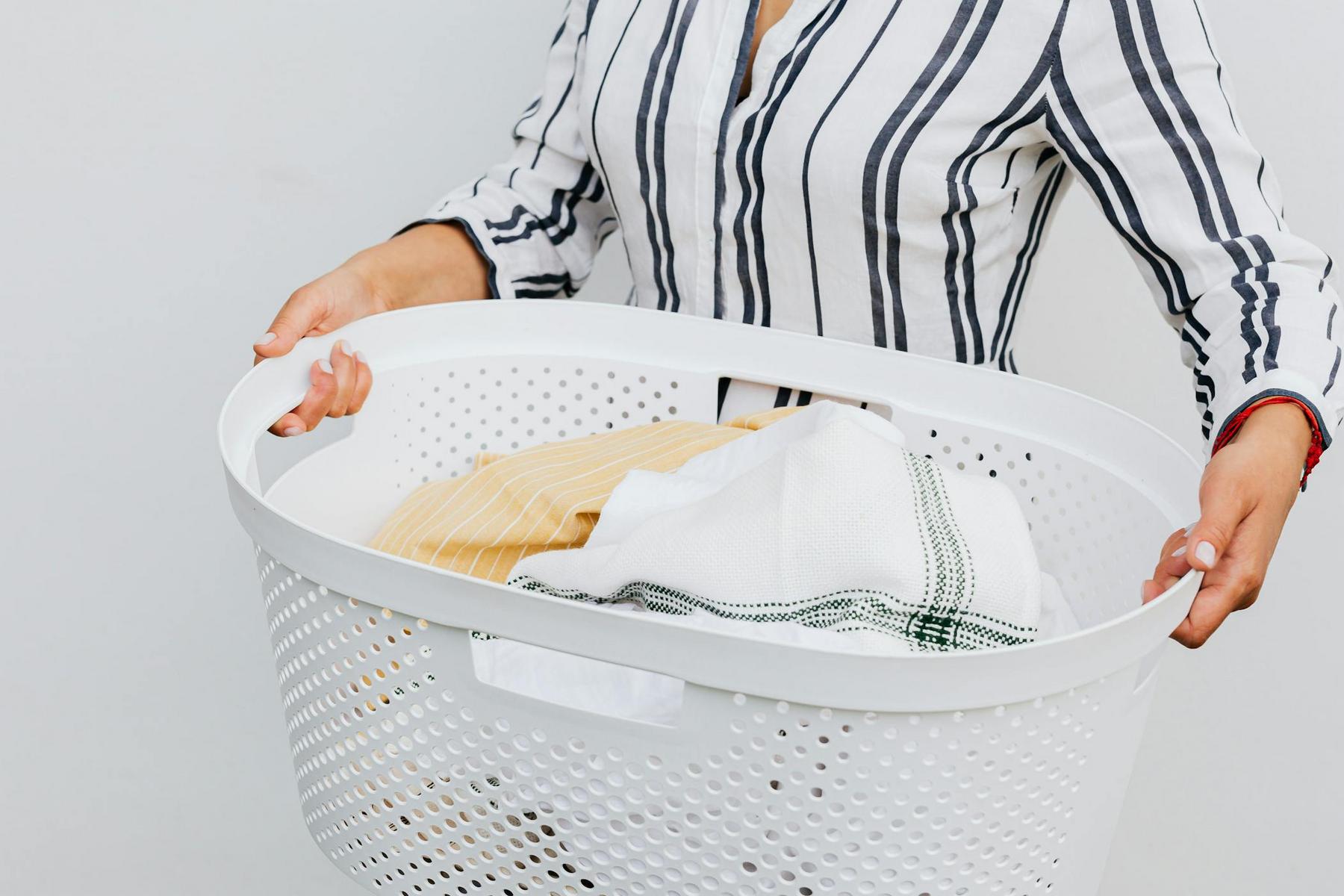
Lifting wet laundry—which can weigh 5-10kg depending on load size—requires upper body strength many individuals lack. Reaching into front-loading washers demands flexibility and balance. Standing throughout the folding process tests endurance.
These physical demands may necessitate equipment modifications (elevated machines, adapted tools) or alternative approaches (smaller, more frequent loads rather than large, infrequent ones).
Sensory Sensitivities
Tactile sensitivities to water temperatures, wet fabric textures, or detergent residues create genuine discomfort. Olfactory sensitivities to detergent or fabric softener fragrances may cause headaches or nausea. Auditory sensitivities to machine sounds generate anxiety or distress.
Accommodating these genuine neurological differences—not attempting to eliminate them through exposure alone—enables participation and reduces distress.
Environmental Access Issues
Laundry facilities in apartment buildings, shared housing, or community laundromats present additional complexity. Navigating to facilities, managing coins or payment cards, interacting with other users, and transporting laundry all add layers of challenge beyond the core task itself.
Building Pathways to Independence Through Structured Support
Developing laundry skills for independent living task breakdown represents a journey rather than a destination. For some individuals, complete independence across all 21 steps becomes achievable through systematic teaching and practice. For others, independence in specific components—perhaps sorting and loading, whilst requiring support for detergent measurement and cycle selection—represents meaningful progress that enhances autonomy and self-determination.
The principles underlying successful skill development apply broadly: breaking complex tasks into manageable components, providing appropriate supports and modifications, teaching systematically using evidence-based approaches, and recognising that independence exists on a spectrum. What matters most is enhanced participation, reduced reliance on others for tasks individuals can manage with appropriate support, and improved quality of life through greater autonomy.
The connection between clean clothing and community participation cannot be overstated. When individuals can reliably access clean, appropriate clothing, they present themselves confidently in social situations, maintain employment or educational participation, and engage fully in their communities. This practical skill thus enables broader life participation.
For NDIS participants working towards independent living goals, aged care recipients maintaining functional capacity, or individuals with disabilities developing life skills, structured occupational therapy support provides the foundation for meaningful progress. Whether delivered in homes across Brisbane’s northern suburbs, throughout Melbourne and Sydney, in regional centres like Gympie or Peregian Springs, or via telehealth across multiple states, individualised assessment and intervention create pathways to greater independence.
Have questions? Need help? Contact Astrad Occupational Therapy today.
How long does it typically take to learn laundry skills independently?
Timeframes vary significantly based on individual factors including cognitive abilities, prior experience, motor skills, and support consistency. Some individuals develop basic independence within weeks through intensive practice, whilst others require months of systematic teaching. Progress depends on the complexity of the task breakdown, environmental factors, and whether underlying skills require concurrent development.
What’s the difference between basic and instrumental activities of daily living?
Basic ADLs involve fundamental self-care tasks such as eating, bathing, and dressing. Instrumental Activities of Daily Living (IADLs) are more complex tasks that require higher-level cognitive skills, including laundry, meal preparation, medication management, money handling, and housekeeping. Laundry is classified as an IADL because it demands planning, organization, sequencing, and problem-solving.
Can children with autism learn laundry skills, and at what age should teaching begin?
Yes, children with autism can learn laundry skills through structured teaching approaches, visual supports, and consistent routines. Teaching often begins with age-appropriate components, such as sorting colours and folding simple items, around ages 8-10, and gradually increases in complexity as their skills develop.
Are laundry skill assessments covered under NDIS funding?
Assessment and training for laundry skills may be covered under NDIS Capacity Building supports, specifically under categories like ‘Development of Daily Living and Life Skills’ or ‘Improved Daily Living’. It is important for participants to discuss specific funding arrangements with their support coordinators or plan managers, as coverage depends on individual plan goals and budgets.
What modifications make laundry more accessible for people with physical disabilities?
Common modifications include elevated or front-loading machines to reduce bending, long-handled tools for reaching inside machines, rolling laundry carts to ease carrying loads, folding boards to standardise the folding process, and simplified detergent systems such as pods or pre-measured packets. Additionally, adaptations like lever-style controls or voice-activated interfaces can further support accessibility.