Your hands are involved in virtually everything you do – from making a morning cup of tea to picking up your children, performing your job, or pursuing the hobbies that bring you joy. When a hand injury disrupts that ability, the impact reaches far beyond physical discomfort. It touches your independence, your confidence, and your everyday quality of life. Understanding the basics of hand therapy for injury rehabilitation is one of the most important steps you can take on the road to recovery.
Disclaimer: The information contained in this article is general in nature and is intended for educational purposes only. It is not a substitute for personalised clinical advice, diagnosis, or treatment from a registered health professional. If you have a hand or upper limb condition, please consult a qualified practitioner for guidance specific to your individual circumstances.
What Is Hand Therapy and How Can It Help After an Injury?
Hand therapy is the therapeutic management of upper limb conditions and injuries. It draws on the combined clinical knowledge of occupational therapists and physiotherapists to address a wide range of conditions affecting the hand, wrist, and forearm.
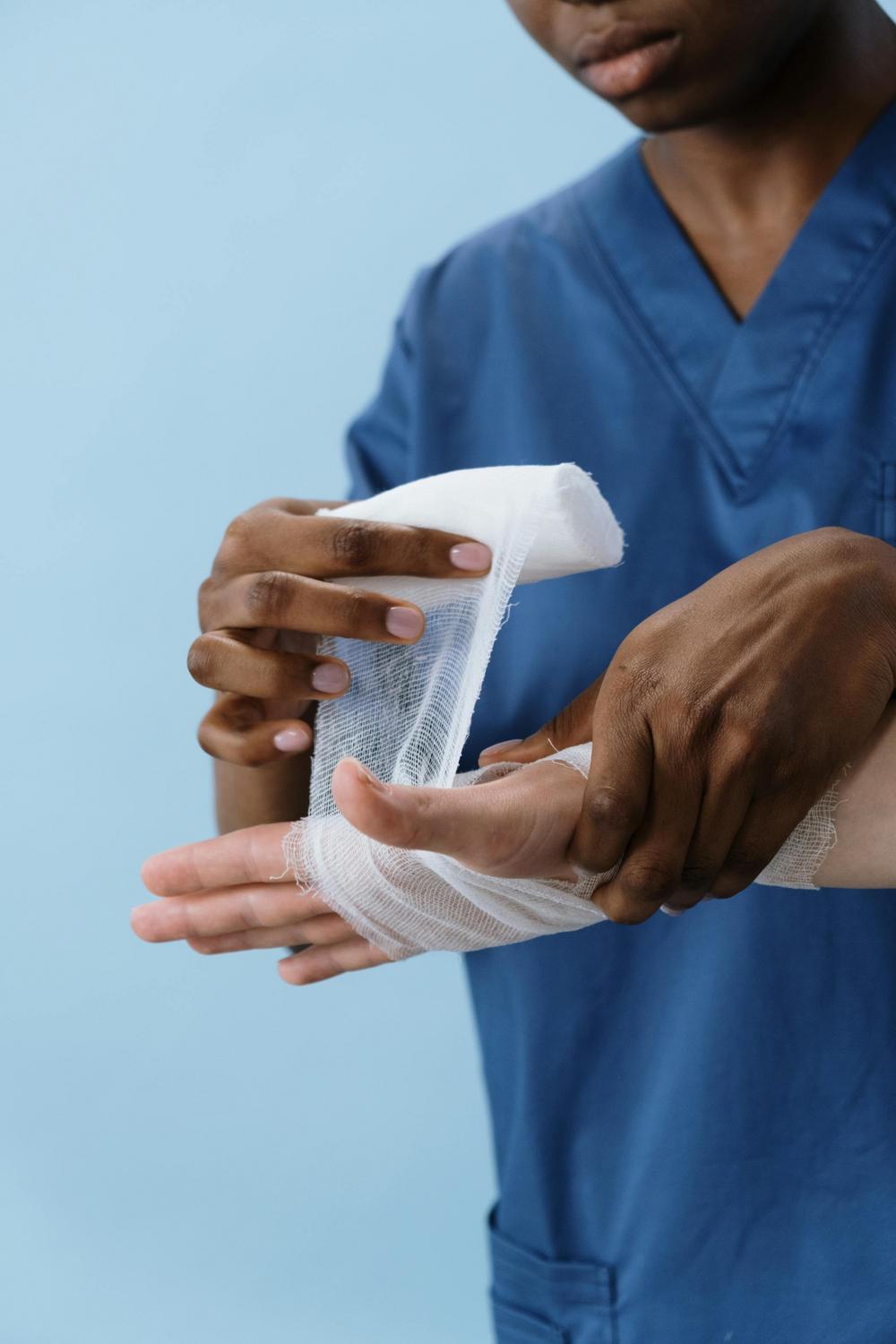
According to the Australian Hand Therapy Association (AHTA), hand therapy encompasses therapeutic modalities such as exercise prescription, splinting, wound management, oedema control, and scar management. Its core aims include:
- Restoration of movement and mobility
- Restoration of functional independence in activities of daily living (ADLs)
- Patient education regarding injury healing, timelines, and prognosis
- Prevention of complications such as contractures, adhesions, and joint stiffness
In Australia, hand and wrist injuries represent a significant proportion of work-related hospitalisations. According to Safe Work Australia, the wrist and hand are among the most common sites of work-related injury, highlighting just how frequently Australians require skilled rehabilitation support.
Early referral to hand therapy is critical. Published evidence and clinical guidelines indicate that the longer the delay between injury or surgery and commencing therapy, the greater the risk of poor long-term outcomes. Hand therapy is time-sensitive, and commencing promptly is associated with more favourable results based on available research.
How Are Hand Injuries Properly Assessed?
A thorough assessment forms the foundation of any effective hand therapy rehabilitation programme. Rather than focusing solely on the injury itself, a skilled occupational therapist or hand therapist conducts a comprehensive evaluation covering multiple domains.
| Assessment Domain | Common Methods Used |
|---|---|
| Pain | Pain Scale Rating (0–10), Visual Analogue Scale (VAS) |
| Range of Motion (ROM) | Goniometry, Total Active Motion (TAM), Kapandji Score |
| Strength | Grip dynamometer, pinch dynamometer, Manual Muscle Testing (MMT) |
| Sensation | Semmes Weinstein Monofilament Test, Two-Point Discrimination Test, Tinel’s Test |
| Oedema (Swelling) | Figure-of-eight circumferential measurement, volumetry, pitting assessment |
| Functional Performance | Quick DASH, Canadian Occupational Performance Measure (COPM), Box and Block Test, 9-Hole Peg Test |
| Specialised Tests | Finkelstein’s Test (De Quervain’s), Phalen’s Test (carpal tunnel), Watson Shift Test |
What makes occupational therapy-led hand assessments particularly valuable is the emphasis on functional impact. Understanding how an injury affects your capacity to work, care for your family, engage in community life, and pursue personal interests is just as important as measuring joint angles and grip strength. The Canadian Occupational Performance Measure (COPM) is widely regarded as one of the most sensitive client-centred tools available, precisely because it centres therapy around what matters most to the individual.
A comprehensive assessment also considers psychosocial factors – motivation, lifestyle, environmental barriers, and support systems – all of which influence recovery and long-term outcomes.
What Are the Core Techniques Used in Hand Therapy for Injury Rehabilitation?
Hand therapy for injury rehabilitation draws on a range of evidence-based techniques, carefully selected and tailored to the individual’s injury type, healing stage, and functional goals.
Oedema (Swelling) Management
Oedema is a natural part of tissue healing; however, persistent swelling beyond two to three weeks can delay recovery and contribute to chronic fibrotic oedema. Management strategies include elevation (raising the hand above heart level from day one post-injury or surgery), compression garments applied from distal to proximal, cryotherapy using ice packs or contrast bathing, retrograde massage, kinesiotaping in a fan pattern to encourage lymphatic drainage, and active exercise to produce a pumping action that facilitates venous return.
Scar Management
Following surgery or significant hand trauma, scar tissue forms through collagen synthesis and reorganisation. Left unmanaged, this can lead to adhesions, contractures, hypersensitivity, and restricted movement. Scar management typically involves firm, circular massage across the healed scar to encourage parallel collagen alignment, pressure garments, silicone products for hypertrophic scarring, and carefully graded splinting or casting to apply a low-load prolonged stretch. Early movement is also key – it allows tendon excursion through scar tissue and reduces the risk of permanent joint contracture.
Splinting
Splinting is one of the most fundamental tools in hand therapy basics for injury rehabilitation. There are several types, each serving a specific clinical purpose:
- Static splints hold a body part in a fixed position for protection or rest
- Serial static splints are regularly remoulded to incrementally increase joint range of motion
- Static progressive splints apply a sustained, non-elastic stretch to shortened tissues
- Dynamic splints use elastic traction to promote gradual tissue lengthening
Splints are used for pain relief in conditions such as osteoarthritis and carpal tunnel syndrome, for post-operative protection, and for deformity prevention and correction. A critically important concept in splinting is the safe position of immobilisation – often called the “intrinsic plus” position – which maintains collateral ligaments on stretch and prevents volar plate contraction, thereby protecting joint integrity during the healing process.
Exercise and Functional Rehabilitation
Exercise is prescribed to increase range of motion, build strength, improve endurance, enhance coordination, and glide nerves and tendons through surrounding tissues. Exercises may be passive, active-assisted, active, or resisted, depending on the stage of healing and the clinical goal.
Tendon gliding exercises – progressing through positions from open hand to full fist to tabletop – are particularly important for preventing adhesions after tendon injuries. Functional rehabilitation takes this a step further by incorporating purposeful, meaningful activities that relate to the individual’s roles, interests, and daily life. Research consistently shows that when therapy is meaningful to the patient, compliance and outcomes are associated with greater improvement, though individual results vary based on the nature and severity of the injury.
What Do Hand Therapy Rehabilitation Protocols Look Like for Common Injuries?
Rehabilitation timelines and approaches vary considerably depending on the nature and severity of the injury. The following provides a general overview based on current clinical practice – this is not medical advice, and individual programmes should always be guided by a treating clinician.
For hand fractures, rehabilitation is typically divided into four phases: a protective phase focused on splinting and gentle active movement; a phase of progressive exercise as healing advances; a strengthening phase; and finally, a graduated return to unrestricted activity. Metacarpal fractures generally require three to four weeks of immobilisation before active exercise begins, with a return to contact sport typically considered at six to eight weeks post-injury.
For flexor tendon repairs, protocols such as the Belfast Regime involve early controlled movement within a protective dorsal splint, with a carefully staged progression from passive to active exercises. Unrestricted activities and return to heavy or contact sport are generally not considered until twelve to fourteen weeks following repair.
For mallet finger (extensor tendon injury to the distal interphalangeal joint), splinting the finger in slight hyperextension continuously for a minimum of six weeks is the cornerstone of management. Clinical guidelines indicate that treatment may be commenced up to three months after the initial injury; individuals are encouraged to seek assessment even if some time has passed since their injury.
How Does Occupational Therapy Support the Hand Therapy Process?
Occupational therapists bring a distinctly holistic perspective to hand therapy for injury rehabilitation. Where some approaches focus primarily on biomechanical recovery, occupational therapy grounds rehabilitation in the individual’s real-world context – their home environment, daily routines, work demands, and personal goals.
A systematic review and meta-analysis examining occupational therapy interventions across twelve studies involving over 1,400 participants found significant improvements in function, occupational performance, satisfaction with daily activities, and pain reduction for people with hand, wrist, and forearm conditions. These findings support the value of occupational therapy-led rehabilitation as an evidence-based approach.
Mobile occupational therapy services may offer a particular advantage for some clients: assessment and therapy delivered in the client’s home or community setting, allowing for real-world functional evaluation and genuinely individualised care. Telehealth occupational therapy services can also extend access to qualified hand therapy support for those in regional, rural, or remote areas, regardless of location.
Can NDIS Participants Access Hand Therapy Services in Queensland, Victoria, New South Wales and Tasmania?
Yes – for eligible participants, occupational therapy services supporting hand injury rehabilitation can be funded through the National Disability Insurance Scheme (NDIS). This generally falls under the Capacity Building – Improved Daily Living support category, which covers therapy sessions, functional assessments, and skill development aimed at improving independence.
To be eligible for NDIS funding, a person must have a permanent disability that significantly affects their daily life, be under 65 years of age when first accessing the scheme, and be an Australian citizen, permanent resident, or holder of a Protected Special Category visa living in an area where the NDIS operates.
NDIS-funded occupational therapy for hand conditions may encompass functional capacity evaluations, assistive technology assessments and prescription, home safety assessments, and rehabilitation programmes focused on independence in daily activities. Funding must meet the NDIS “reasonable and necessary” criteria, meaning supports must be directly related to disability, evidence-based, and aligned with the participant’s plan goals.
For aged care recipients and private clients, hand therapy and occupational therapy services may also be accessed through other funding pathways.
Why Early Action Is the Most Important Step in Hand Rehabilitation
The research underpinning hand therapy basics for injury rehabilitation consistently points to one overriding principle: early intervention is associated with improved outcomes. Delays in seeking assessment and commencing therapy – whether following fracture, tendon injury, burn, or surgery – increase the risk of complications including contractures, adhesions, chronic oedema, and prolonged functional disability.
Hand therapy is not simply a passive process. It is a collaborative partnership between therapist and client, grounded in education, active participation, and meaningful goal-setting. Whether you are recovering from a workplace injury, managing a chronic hand condition, or supporting a loved one’s post-surgical recovery, understanding what hand therapy involves empowers you to engage confidently in the rehabilitation journey.
What is the difference between hand therapy and occupational therapy for hand injuries?
Hand therapy is a clinical area that draws on skills from both occupational therapy and physiotherapy, specifically addressing upper limb conditions and injuries. Occupational therapists who specialise in hand rehabilitation bring an additional focus on restoring a person’s ability to perform meaningful daily activities, work tasks, and community participation. In practice, many occupational therapists provide comprehensive hand therapy services.
How long does hand therapy rehabilitation typically take?
Recovery timelines vary considerably depending on the type and severity of the injury. Minor fractures may require several weeks of therapy, while more complex injuries such as flexor tendon repairs may involve structured rehabilitation for twelve to fourteen weeks or longer. Your treating clinician is best placed to discuss an individualised timeline based on your specific circumstances.
Is telehealth available for hand therapy occupational therapy services in Queensland, Victoria, New South Wales and Tasmania?
Yes – Telehealth occupational therapy consultations are available for clients across most areas of Queensland (QLD), Victoria (VIC), New South Wales (NSW), and Tasmania (TAS). While some hands-on assessments are best conducted in person, a great deal of education, exercise guidance, home programme review, and functional goal-setting can be effectively delivered via Telehealth.
Can I access hand therapy through the NDIS?
Occupational therapy services supporting hand injury rehabilitation may be funded through the NDIS for eligible participants, most commonly under the Capacity Building – Improved Daily Living support category. Eligibility and funding depend on the individual’s NDIS plan, goals, and the nature of their disability. A registered NDIS occupational therapy provider can help clarify what may be accessible within your plan.
What should I expect at my first hand therapy appointment?
Your first appointment will typically involve a comprehensive assessment covering pain, range of motion, strength, sensation, swelling, and the functional impact of your injury on daily life. Your therapist will ask about your work, home environment, daily routines, and personal goals. From this, an individualised rehabilitation plan will be developed in partnership with you, ensuring therapy is meaningful, evidence-based, and focused on what matters most to your recovery.