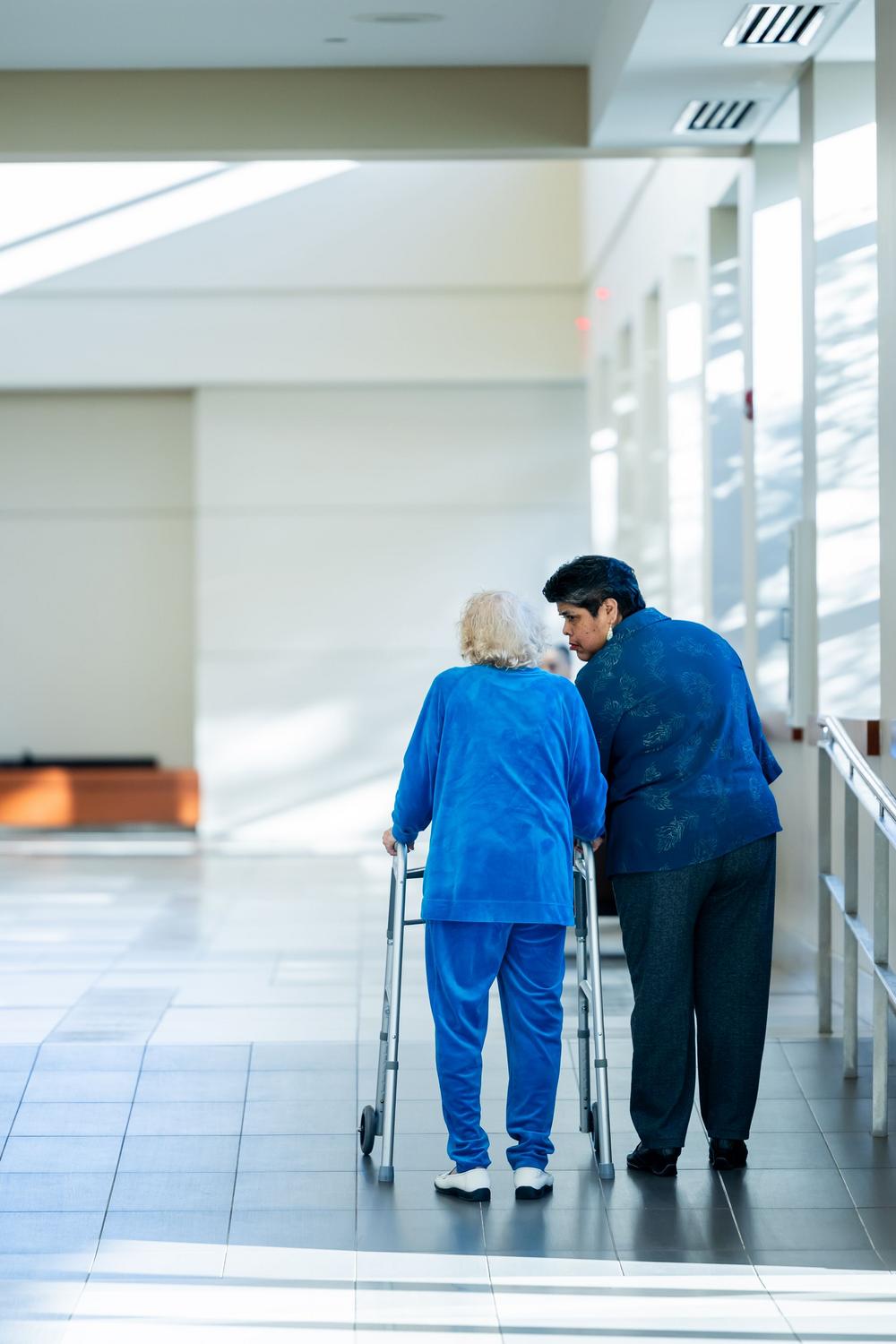
Falls are one of the most significant – and preventable – health challenges facing older Australians today. The impact of a fall can extend far beyond a bruise or a broken bone; for many older adults, a single fall can trigger a cascade of consequences that affect mobility, independence, confidence, and overall quality of life.
In Australia, 1 in 4 people aged 65 and over experience at least one fall per year. In 2023–24, falls accounted for 248,211 hospitalisations – representing 43% of all injury admissions to Australian hospitals. These numbers are sobering, but they also tell us something important: fall prevention is both possible and essential.
Whether you are an older adult living independently, a family member, a carer, or a healthcare professional, understanding effective fall prevention strategies for older adults at home is one of the most valuable steps you can take to protect independence and wellbeing.
Why Are Falls Such a Significant Risk for Older Australians?
Falls are the leading cause of injury-related hospitalisations and deaths in Australia. In 2022–23, 6,698 Australians died from fall-related injuries, representing 43% of all injury deaths nationally. These figures reinforce the urgent need for proactive, evidence-based prevention.
The risk of falling increases with age. Adults aged 65–84 experience falls at a prevalence of 31.6%, while those aged 85 and over reach 46.8%. Females aged 95 and over face the highest hospitalisation rate due to falls, at 15,530 per 100,000 population.
Fractures are the most common injury sustained during fall hospitalisations, accounting for 53% of cases. Head and neck injuries represent 28.7% of cases, hip and lower limb injuries 25.6%, and shoulder and upper limb injuries 22.5%. Hip fractures are among the most serious outcomes – approximately 25% of cases result in death, and around one-third of survivors never fully regain their pre-fall mobility.
The economic burden is equally significant. The estimated cost of falls to Australia’s health system exceeded $5 billion annually as of 2023–24. Beyond the financial toll, the psychosocial impact is profound. After experiencing a fall, 48% of older people report a fear of falling, and 25% report reducing their activity levels – which can ironically increase the risk of future falls through deconditioning.
Understanding the magnitude of this issue reinforces why fall prevention strategies for older adults at home must be a priority for individuals, families, and healthcare providers alike.
What Are the Most Common Risk Factors for Falls at Home?
Falls rarely have a single cause. They are most often the result of an interaction between personal (intrinsic) and environmental (extrinsic) factors. Around half of all falls occur in and around the home – making the domestic environment a critical focus area.
Intrinsic Risk Factors
- Reduced balance and muscle strength – natural changes in the musculoskeletal system with ageing affect stability and reaction time
- Vision impairment – uncorrected refractive errors, cataracts, or difficulty adjusting to light changes affect spatial awareness and depth perception
- History of previous falls – having fallen more than once in the past six months significantly increases the risk of future falls
- Postural (orthostatic) hypotension – a drop in blood pressure upon standing can cause dizziness and unsteadiness
- Chronic health conditions – including diabetes, Parkinson’s disease, stroke, arthritis, and cognitive impairment
- Foot problems – painful or swollen feet, reduced sensation, and ill-fitting footwear affect gait and balance
- Medication effects – polypharmacy (the use of five or more medications) is associated with a 21% higher rate of falls, with specific medication classes carrying notably higher risk
Research indicates that each additional prescription medication added to a daily regimen increases fall risk by 1.21 times. High-risk medication classes include sedatives, antidepressants, benzodiazepines, antihypertensives, antipsychotics, opioids, and anticholinergic medications.
Extrinsic Risk Factors
- Poor lighting – particularly in hallways, stairwells, and bathrooms at night
- Trip hazards – loose rugs, floor mats, electrical cords, and clutter in walkways
- Slippery surfaces – wet or polished floors and bathtubs without non-slip mats
- Inadequate bathroom fittings – lack of grab bars, handrails, and shower seating
- Uneven or worn flooring – torn carpet, turned-up rug corners, and uneven outdoor pathways
- Poorly fitting footwear – walking in socks or loose slippers significantly increases fall risk
How Does Exercise Help Prevent Falls in Older Adults?
Exercise is one of the most powerful and well-evidenced fall prevention strategies for older adults at home and in the community. Research shows that exercise programs can reduce fall rates by approximately 23% overall, with programs involving at least three hours per week and a focus on balance achieving reductions of up to 42%.
Australian national guidelines recommend that older adults aim for 2–3 hours of physical activity per week, with a particular emphasis on balance and strength training.
Balance Training
Balance exercises directly address an older adult’s ability to maintain stability during everyday movement. Effective exercises include standing with feet together and progressing to single-leg stands, heel-to-toe walking, weight shifting, and standing on slightly unstable surfaces under appropriate supervision.
Balance training should be performed at least twice weekly, with progressive challenge to both proprioception and the vestibular system.
Strength and Resistance Training
Lower limb strength is critical for fall prevention. Effective exercises include sit-to-stand movements (chair stands), calf raises, leg raises, hip strengthening exercises, and core stability work with progressive difficulty.
Tai Chi, Pilates, and Group Exercise
Tai chi has been specifically highlighted for its positive impact on balance control and fall prevention. Pilates emphasises controlled movement and core strength, making it beneficial for older adults. Group exercise programs offer additional benefits, including social engagement, motivation, and mental wellbeing.
For the best outcomes, older adults should aim to do balance and strength exercises for at least 2 hours per week for 6 months or more. Professionally designed or supervised programs have consistently demonstrated greater effectiveness than unsupervised exercise alone.
What Home Safety Modifications Can Reduce Fall Risk?
Modifying the home environment is one of the most impactful fall prevention strategies for older adults at home. Professional home safety assessments conducted by occupational therapists can reduce fall risk by up to 46%. Research also shows that home safety modifications delivered by occupational therapists can reduce falls by up to 38% among frailer, high-risk individuals.
| Area of the Home | Common Hazards | Recommended Modifications |
|---|---|---|
| Bathroom | Wet floors, no grab rails, loose mats | Install grab bars, non-slip mats, shower chair, raised toilet seat |
| Hallways & Stairs | Poor lighting, no handrails, clutter | Bright LED lighting, handrails on both sides, clear pathways |
| Bedroom | Low lighting, loose rugs, unreachable items | Night lights, bedside light within reach, remove or secure rugs |
| Kitchen | Items stored too high or too low, spills | Store items at waist-to-shoulder height, clean spills promptly |
| Living Areas | Electrical cords, clutter, low seating | Tape cords to skirting boards, rearrange furniture, use firm seating |
| Outdoors | Uneven surfaces, moss, lack of handrails | Fix pathways, install entry handrails, remove debris |
Lighting Improvements
Installing bright, non-glare LED lights throughout the home, using night lights along pathways to the bathroom, and leaving hallway lights on overnight are among the most straightforward and effective modifications.
Bathroom Safety
The bathroom is one of the highest-risk areas of the home. Grab bars, non-slip mats, shower chairs, and raised toilet seats are all evidence-based modifications that meaningfully reduce fall risk.
Floor and Stair Safety
Securing loose rugs with non-slip backing, fixing uneven carpet, applying contrasting colour tape to step edges, and ensuring handrails are installed on both sides of staircases are important measures. Contrasting colours between floors, walls, and furniture also help improve depth perception.
How Can an Occupational Therapist Support Fall Prevention at Home?
Occupational therapists (OTs) play a central, evidence-based role in fall prevention strategies for older adults at home. A home assessment conducted by an OT uses the Person-Environment-Occupation (PEO) model to evaluate how an individual’s abilities interact with their living environment and daily activities.
A qualified occupational therapist can:
- Conduct a comprehensive home safety assessment, identifying specific hazards relevant to the individual’s home and routine
- Provide personalised recommendations for home modifications based on the client’s unique needs, goals, and physical abilities
- Offer practical education on safe movement strategies for everyday tasks – such as getting in and out of the bath, navigating stairs, and transitioning from sitting to standing
- Provide guidance on appropriate assistive equipment, from grab bars to mobility aids and non-slip products
- Support family members and carers with fall prevention education and practical strategies
- Assist clients in managing fear of falling through gradual activity reintroduction and confidence-building
- Develop ongoing, personalised care plans with regular review to ensure strategies remain relevant and effective
Research highlights that even a single focused home visit by an occupational therapist was effective in reducing falls – with 50% of recommended modifications still in place at 12-month follow-up. This underscores the lasting value of professional guidance in the home environment.
Astrad Allied Health is a mobile occupational therapy service that delivers assessments and support directly to clients in their homes across Brisbane, North Lakes, the Gold Coast, Sunshine Coast (including Peregian Springs, Noosa, Buderim, and Gympie), Sydney, and Melbourne. Telehealth services are available to clients across Queensland, New South Wales, Victoria, and Tasmania, ensuring accessible support regardless of location.
What Else Can Older Adults Do to Reduce Their Risk of Falling?
Comprehensive fall prevention strategies for older adults at home extend well beyond exercise and home modifications. A holistic approach addresses several additional contributing factors.
Vision and Eye Health
Regular eye examinations – at least annually – are an important part of fall prevention. Ensuring glasses prescriptions are current, addressing cataracts, and optimising home lighting to accommodate age-related vision changes can meaningfully reduce fall risk.
Footwear and Foot Health
Choosing footwear that is firm-fitting, flat, and non-slip is important. Walking in socks or poorly fitting slippers significantly increases fall risk. Consulting a podiatrist for painful or swollen feet, reduced sensation, or nail care is a recommended component of a comprehensive approach.
Medication Management
A medication review with a GP or pharmacist can identify medications contributing to dizziness, drowsiness, confusion, or unsteadiness. Deprescribing – reducing or ceasing unnecessary medications – has been demonstrated as an effective fall prevention strategy for older adults.
Nutrition and Hydration
Maintaining a varied, nutritious diet, staying well hydrated, and ensuring adequate protein intake supports muscle maintenance and overall physical function.
Personal Alarm Systems
Carrying a personal alarm or wearing an emergency response device allows older adults to call for help quickly if a fall does occur. Smart watches, wearable emergency buttons, and voice-activated smart home devices are increasingly accessible options.
Addressing Fear of Falling
Fear of falling affects 20–39% of community-dwelling older adults, rising to 40–73% among those who have previously fallen. Left unaddressed, this fear leads to activity restriction, social isolation, deconditioning, and – paradoxically – a greater vulnerability to future falls. Gradual reintroduction of activities, supervised exercise, and psychological support can all help to rebuild confidence and reduce this cycle.
Taking a Personalised Approach to Fall Prevention
The most effective fall prevention strategies for older adults at home are those tailored to the individual – accounting for their health history, living environment, daily routines, goals, and personal circumstances.
Australia’s national guidelines support a stratified approach: community-based exercise and health promotion for those at lower risk; tailored exercise and home safety interventions for those at intermediate risk; and comprehensive multifactorial assessment – involving allied health professionals such as occupational therapists, physiotherapists, podiatrists, and exercise physiologists – for those at higher risk.
Whether the priority is modifying the bathroom, improving strength and balance, reviewing medications, or rebuilding confidence after a previous fall, taking a structured and proactive approach to fall prevention can meaningfully protect independence, participation, and quality of life for years to come.
What are the most effective fall prevention strategies for older adults at home?
Evidence supports a multifactorial approach that combines regular balance and strength exercise (at least 2–3 hours per week), professional occupational therapy home safety assessments, medication review, vision care, appropriate footwear, and strategies to address fear of falling. A comprehensive, personalised plan that addresses both intrinsic and extrinsic risk factors is most effective.
When should I consider a home safety assessment from an occupational therapist?
A home safety assessment is particularly recommended for older adults who have experienced one or more falls in the past year, those with mobility impairments or significant chronic health conditions, individuals recently discharged from hospital, and those who find everyday home tasks increasingly challenging or unsafe.
How does an occupational therapy home assessment help prevent falls?
An occupational therapy home assessment systematically identifies environmental hazards and evaluates how an individual’s abilities interact with their home. The therapist then provides personalised recommendations for modifications, equipment, and safe movement strategies. Research shows this type of assessment can reduce fall risk by up to 46%.
Can fear of falling increase my risk of having future falls?
Yes. Fear of falling is a well-recognised contributor to future fall risk. When fear leads to reduced activity and social withdrawal, physical deconditioning occurs, which in turn increases the risk of falling. Addressing this fear through supported exercise, gradual activity reintroduction, and confidence-building is crucial.
Is fall prevention support available through the NDIS or aged care funding in Australia?
Fall prevention support, including occupational therapy home assessments and personalised recommendations, may be available through the NDIS, the Commonwealth Home Support Programme (CHSP), Home Care Packages, or private funding. A GP, support coordinator, or allied health provider can help determine the most appropriate funding pathway based on individual circumstances.