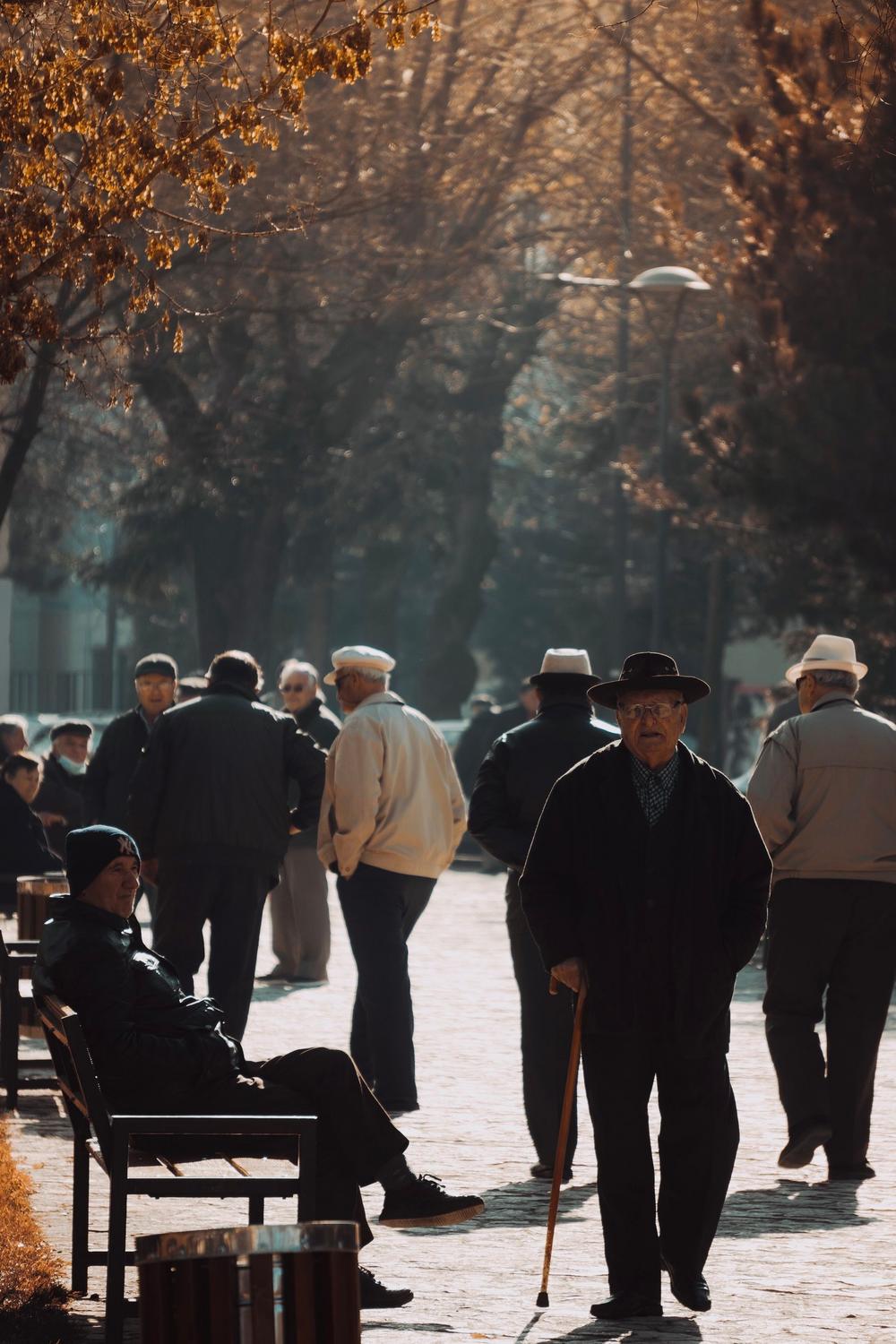
Growing older in Australia today looks very different from previous generations – yet for many older Australians, the experience of ageing remains defined by loneliness, reduced mobility, and a quiet withdrawal from community life. This does not have to be the case. Community programmes supporting active ageing are now backed by compelling evidence, and for families, carers, and older adults across Brisbane, the Sunshine Coast, Sydney, Melbourne, and beyond, understanding what is available – and how to access it – could make a life-changing difference.
What Is Active Ageing and Why Does It Matter for Australian Communities?
Active ageing, as defined by the World Health Organisation (WHO), is the process of optimising opportunities for health, participation, and security in order to enhance quality of life as people grow older. The concept extends well beyond physical fitness – it encompasses social engagement, mental wellbeing, independence, and a sense of purpose.
In practice, community programmes supporting active ageing are structured initiatives designed to address these dimensions holistically. They may include group exercise classes focused on balance and strength, social connection programmes, skill development activities such as digital literacy and gardening, befriending schemes, reminiscence therapy, and referral pathways to allied health professionals.
What makes this framework particularly powerful is its emphasis on prevention. Rather than responding to health crises after they occur, active ageing programmes aim to preserve function, connection, and independence – keeping older adults living well in their homes and communities for longer.
What Does Australia’s Ageing Population Tell Us About the Growing Demand for These Programmes?
Australia is undergoing a significant demographic shift that makes community programmes supporting active ageing not merely desirable, but essential.
As of 2024, approximately 3.8 million Australians – representing 15% of the population – are aged 65 years and over (Australian Bureau of Statistics). More strikingly, the number of Australians aged 75 or over is projected to increase by 49% by 2034–35, representing more than one million additional people entering the most health-intensive phase of ageing.
Tasmania, which has the highest median age of any Australian state at 42 years, faces particular urgency in this regard. Meanwhile, regional areas across Queensland, New South Wales, and Victoria – where people aged 55 and over make up a greater proportion of the population compared to capital cities – face challenges related to service availability and geographic isolation.
The cost of inaction is also measurable. In Australia, the total cost of loneliness has been estimated at approximately $2.7 billion, with older adults aged 55 and over accounting for more than a third of those costs. Loneliness and social isolation are independently associated with a 26% and 29% increased risk of premature death respectively (Medical Journal of Australia, 2024), as well as heightened rates of cardiovascular disease, depression, cognitive decline, and increased healthcare utilisation.
A recent meta-analysis found that 28.5% of older people aged 60 and above experience some degree of loneliness – a figure that rises sharply to 61% among those living in residential care settings. These are not abstract statistics; they represent real people in communities across Brisbane’s northern suburbs, the Sunshine Coast hinterland, inner Sydney, and regional Victoria who stand to benefit from well-designed, accessible programmes.
Which Types of Community Programmes Supporting Active Ageing Have the Strongest Evidence?
Not all programmes deliver equal outcomes. Research consistently identifies certain programme types and design features that produce meaningful improvements in health, wellbeing, and independence.
The table below summarises key intervention categories and their documented outcomes from available research:
| Programme Type | Key Outcomes | Evidence Strength |
|---|---|---|
| Balance and functional exercise | 24% reduction in fall rate; 13% reduction in people experiencing falls | High (randomised controlled trials) |
| Group exercise (3+ hrs/week including balance work) | 42% reduction in fall rate | High |
| Social connectedness programmes | Loneliness reduced from 61% to 23%; 88% reported improved wellbeing | Moderate–High |
| Befriending programmes | 94% of participants felt less lonely and more socially connected | Moderate |
| Horticultural and reminiscence therapy | Greatest decrease in loneliness among leisure interventions | Moderate |
| Digital literacy and internet use programmes | Significant reduction in loneliness; ROI of $2.14 for every $1 spent after 5 years | Moderate |
| Social prescribing and community referral | 21% reduction in inpatient admissions; 20% reduction in emergency presentations | Moderate |
Group-based interventions consistently outperform individual approaches for both social and physical outcomes. Programmes that combine multiple activity types within a single setting – for example, pairing exercise with social interaction and a shared morning tea – generate compounding benefits that no single-focus programme can replicate.
Programme duration also matters. Evidence indicates a minimum of 12 weeks is required to achieve meaningful change, with ongoing, long-term participation producing the greatest effects.
How Do Falls Prevention and Physical Activity Programmes Benefit Older Australians?
Falls remain one of the most significant and preventable health risks for older Australians. The evidence base for community-based falls prevention is now substantial and unambiguous.
Exercise programmes reduce the rate of falls by 23% in community-dwelling older adults – a finding derived from high-certainty evidence across 64 randomised controlled trials. When programmes specifically target balance, gait, and muscle strength for three or more hours per week, that figure rises to a 42% reduction in fall rate.
Community-based exercise programmes aligned with WHO physical activity guidelines – which recommend at least 150 minutes of moderate-intensity aerobic activity per week, alongside muscle-strengthening and balance training – offer accessible, affordable, and socially engaging options for older adults. Whether delivered through local community halls in North Lakes and Buderim, structured classes in inner-city Melbourne, or digital formats for those in regional Queensland and Tasmania, physical activity programmes are a cornerstone of community programmes supporting active ageing.
Beyond the physical benefits, group exercise settings also serve as meaningful social environments. Participants report not only physical improvements but also enhanced confidence, reduced anxiety, and a greater sense of community belonging – all factors that contribute to sustained engagement and continued participation.
What Role Does Occupational Therapy Play in Supporting Active Ageing in the Community?
Occupational therapy is a key allied health discipline within the broader ecosystem of community programmes supporting active ageing. Occupational therapists working in community aged care settings focus on enabling older adults to perform meaningful daily activities safely and independently.
Within community programmes, occupational therapists contribute to:
- Functional and Home Safety Assessment: Comprehensive assessments of how an individual performs daily tasks, identifying risks and barriers within the home environment that may affect independence or increase falls risk.
- Equipment and Home Modification Recommendations: Prescription of assistive devices and recommendations for home modifications – such as grab rails, ramp installations, or shower modifications – that enable safer daily living.
- Falls Prevention Strategies: Individualised strategies addressing balance, mobility, and the home environment, often complementing group-based exercise programmes within the community.
- Cognitive and Daily Living Support: Assessment and practical strategies to support older adults experiencing cognitive changes, helping them remain engaged in daily routines, social activities, and community life.
- Support for NDIS Participants and Aged Care Recipients: For older Australians accessing the National Disability Insurance Scheme (NDIS), Home Care Packages, or the Commonwealth Home Support Programme, occupational therapy services may be funded through these pathways.
The person-centred approach of occupational therapy aligns naturally with the goals of community programmes supporting active ageing, ensuring that interventions are tailored to individual goals, cultural context, and functional capacity rather than applied in a one-size-fits-all manner.
How Can Older Australians in Brisbane, Sydney, Melbourne, and the Sunshine Coast Access Active Ageing Support?
Australians across multiple states and territories now have access to a growing range of funded and community-supported active ageing initiatives, delivered both in person and via telehealth.
Government-Funded Programmes
Federally, the Australian Government’s Positive Ageing Framework supports initiatives including LiveUp (a free online resource for healthy ageing), the Move It Aus – Better Ageing Grant Program, and the Dementia, Ageing and Aged Care Mission.
In New South Wales, the Ageing Well in NSW Action Plan includes the Connecting Seniors Grant Program, targeting isolation and loneliness.
In Victoria, the Victorian Active Ageing Partnership and Age-Friendly Victoria initiative promote community inclusion and access to physical activity programmes.
In Queensland, community health programmes and funded aged care services are available through My Aged Care across regions including Brisbane, the Sunshine Coast, and the Gold Coast.
Accessing Allied Health Services
Allied health services, including occupational therapy, can be accessed through:
- Support at Home Programme – for individuals with complex, ongoing care needs
- Commonwealth Home Support Programme – for those requiring entry-level support
- NDIS – for eligible participants with disability-related support needs
- My Aged Care – the primary gateway for all Commonwealth aged care services
For individuals in regional or remote areas, telehealth delivery of allied health services can significantly reduce access barriers without requiring travel.
The Evidence Is Clear: Community Connection Changes Lives
Community programmes supporting active ageing are not supplementary to healthcare – they are central to it. The evidence consistently demonstrates that when older adults remain physically active, socially connected, and purposefully engaged in their communities, the outcomes are profound: reduced falls, improved mental health, maintained independence, and a measurably better quality of life.
For Australian communities navigating the realities of a rapidly ageing population, investing in well-designed, accessible, and person-centred community programmes is both a public health imperative and a deeply human one. The pathway to active, connected ageing begins with understanding what is available – and taking the first step towards accessing it.
What are community programmes supporting active ageing?
Community programmes supporting active ageing are structured initiatives designed to help older adults maintain and improve their health, independence, social connection, and quality of life. They encompass physical activity classes, social groups, skill development programmes, befriending services, and allied health referral pathways, typically delivered in community settings or via telehealth.
How does occupational therapy support active ageing in Queensland, NSW, and Victoria?
Occupational therapists support active ageing by conducting functional assessments, prescribing assistive equipment, recommending home modifications, and developing individualised strategies that enable older adults to participate safely in daily activities and community life. Services are typically available through NDIS, Home Care Packages, the Commonwealth Home Support Programme, and private arrangements.
Can I access active ageing support through the NDIS or aged care funding?
Yes. Eligible NDIS participants and aged care recipients may access occupational therapy and allied health services through their funding packages. My Aged Care is the primary gateway for Commonwealth-funded aged care services, determining eligibility for the Commonwealth Home Support Programme or Support at Home programme.
Are telehealth options available for older Australians in regional areas?
Yes. Telehealth delivery of occupational therapy and other allied health services is available for many older Australians living in regional and remote areas, reducing access barriers and providing support for functional assessments, home programme guidance, and ongoing care coordination.
What makes a community active ageing programme effective?
Effective programmes typically combine multiple activity types (physical, social, and educational), are delivered over a minimum of 12 weeks, involve trained facilitators and allied health professionals, and are accessible in terms of location and cost. They are also designed in partnership with older adults to ensure they are tailored to individual needs.