Maintaining independence is something most of us quietly take for granted – until the moment it becomes uncertain. Whether it is a gradual decline in balance, a health event that changes everything overnight, or a degenerative condition slowly shifting the goalpost, the question of how to stay safe and engaged in daily life becomes urgent and deeply personal.
For over 5.5 million Australians living with disability – and the millions more managing age-related functional changes – mobility aids can be life-changing tools. Yet choosing the right aid at the right time is far from straightforward. Needs evolve. Conditions progress or improve. Living environments change. What works brilliantly at one stage of life may become inadequate, unsafe, or simply unnecessary at another.
This guide explores the process of choosing appropriate mobility aids as needs change, covering types of aids, professional assessment, reassessment triggers, and how allied health services can support Australians to stay active, safe, and connected.
Why Does Choosing the Right Mobility Aid Matter So Much?
Mobility aids are not simply pieces of equipment – they are enablers of participation, confidence, and dignity. When selected and fitted appropriately, they reduce falls risk, support daily activities, and allow people to remain in their homes and communities for longer. When poorly matched to a person’s needs, however, they can become hazardous.
According to the Australian Bureau of Statistics (2024), 54.2% of Australians aged 65 and over have a disability, and among those living with disability, 54.2% – approximately 3 million people – use aids or equipment because of their condition. Meanwhile, research shows that environmental hazards are estimated to account for 30–50% of all falls among older people, highlighting that the right equipment in the wrong environment still carries risk.
The critical insight here is that choosing appropriate mobility aids as needs change is not a one-time decision. It is an ongoing process that must account for the whole person – their physical capacity, cognitive function, home environment, goals, and psychosocial wellbeing.
What Are the Main Types of Mobility Aids and Who Are They Suited To?
Understanding the broad categories of mobility aids helps individuals, families, and carers think more clearly about what may be appropriate at different stages. Below is a comparison of the most commonly used mobility aids, their general indications, and key considerations.
| Mobility Aid | Best Suited To | Level of Support | Key Considerations |
|---|---|---|---|
| Single-point cane | Mild balance issues, one-sided weakness, minor pain | Minimal | Lightweight, portable; requires good arm strength on one side |
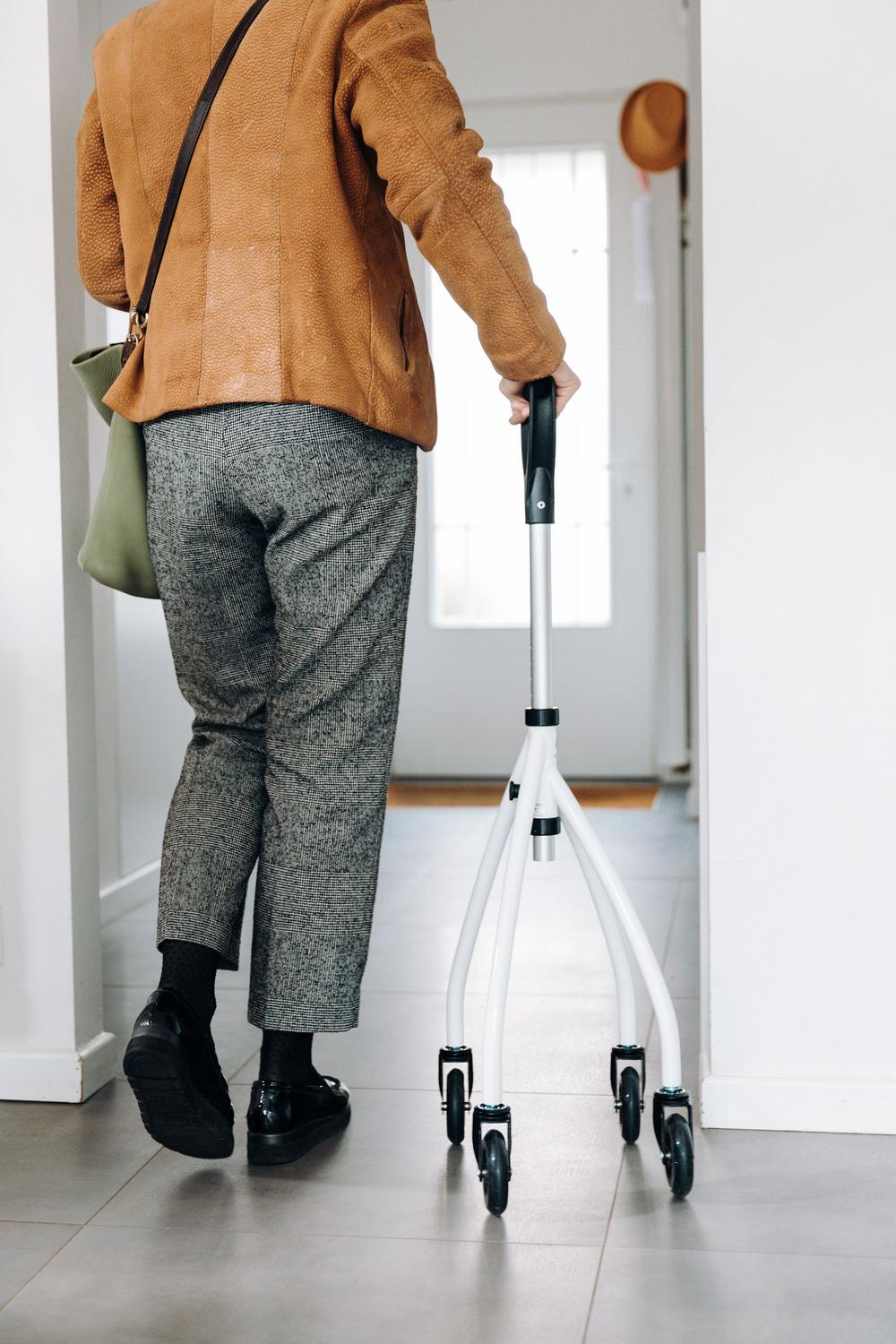
| Quad cane | Greater instability, need for wider base | Low–moderate | More stable than single cane; can slow walking pace |
| Standard walker | Significant bilateral weakness, poor balance | Moderate–high | Maximum stability; requires upper body strength to lift and move |
| Two-wheeled walker | Moderate balance issues; cannot lift standard walker | Moderate | More functional than standard; easier to manoeuvre |
| Four-wheeled rollator | Higher-functioning individuals needing moderate support, seat access | Moderate | Most functional but least stable walker type; includes brakes and seat |
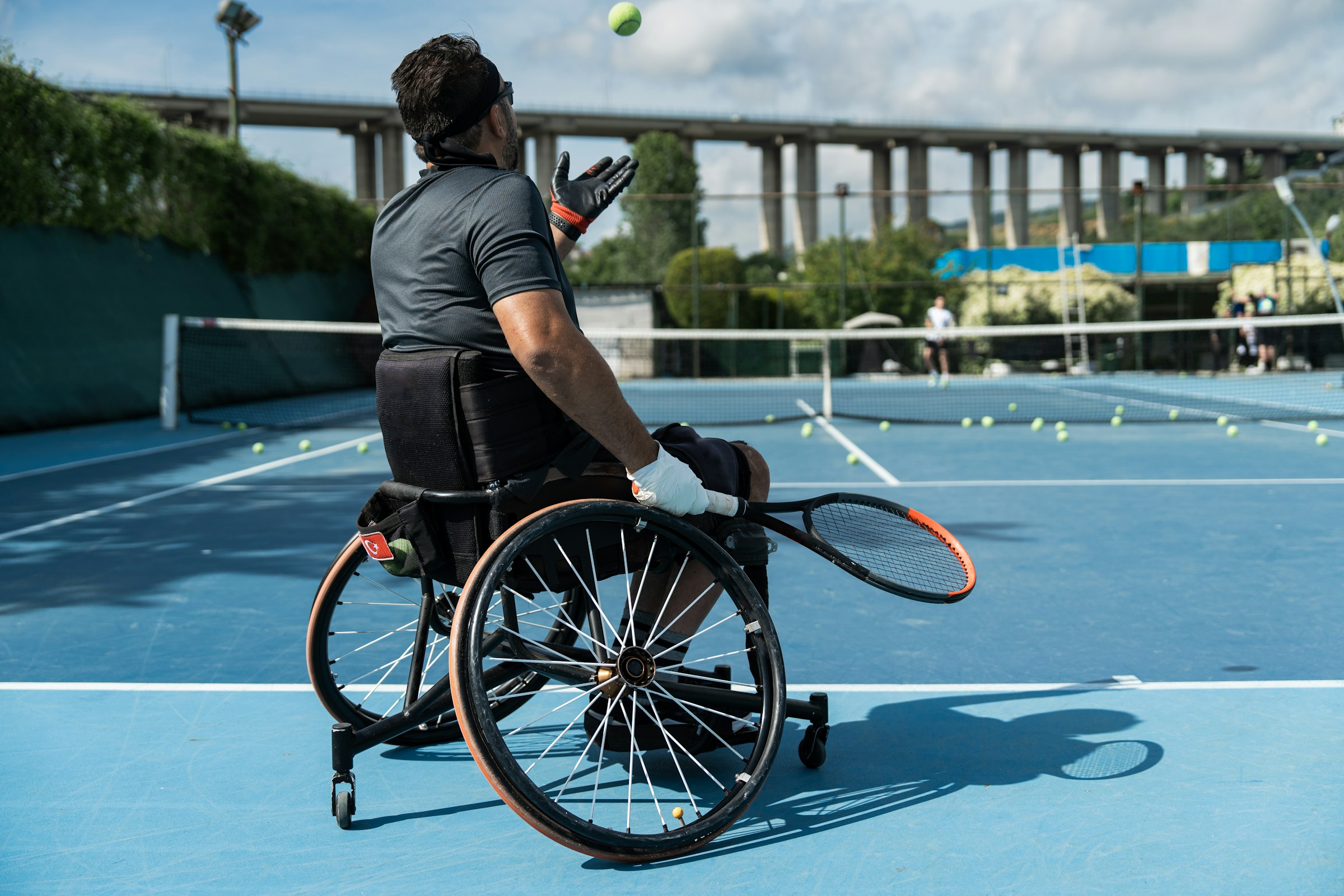
| Manual wheelchair | Cannot walk safely; adequate upper body strength | High | Requires significant arm strength; risk of deconditioning |
| Power wheelchair | Lower and upper body weakness; limited endurance | Full | Requires cognitive capacity to operate; reduces physical demands significantly |
| Mobility scooter | Can walk short distances but not enough for community participation | Seated/community | Good trunk control needed; suited to outdoor or community use |
The appropriate aid depends on far more than physical condition alone. Cognitive capacity, home layout, lifestyle goals, and caregiver availability all play meaningful roles in determining the best match.
How Do Occupational Therapists Assess Your Mobility Needs?
One of the most important steps in choosing appropriate mobility aids as needs change is a comprehensive, individualised assessment. Occupational therapists conduct systematic evaluations across multiple domains to ensure recommendations genuinely reflect a person’s unique circumstances – not simply their diagnosis.
Physical Assessment
Occupational therapists assess gait and balance, upper and lower limb strength, endurance, range of motion, and sensory function including vision. These elements determine which aids a person can safely use and how much support they realistically need.
Cognitive and Functional Assessment
The ability to learn new equipment procedures, remember multi-step processes, and problem-solve in the community is essential for safe use of mobility aids. Standardised tools such as the Berg Balance Scale, the Timed Up and Go (TUG) test, and the Montreal Cognitive Assessment (MoCA) provide objective data to inform recommendations. Functional capacity in activities of daily living (ADLs) and instrumental activities of daily living (IADLs) is also measured using validated tools such as the Barthel Index and the Lawton IADL Scale.
Environmental Assessment
A home assessment is a critical component of mobility aid selection. Occupational therapists systematically evaluate doorway widths (a minimum of 900mm is required for wheelchair access), flooring surfaces, lighting, step heights, bathroom configurations, and hazards such as loose rugs or power cords. The Westmead Home Safety Assessment (WeHSA), a 57-item tool covering 15 domains, is commonly used to identify and address environmental risks.
Psychosocial and Goal-Based Assessment
A person’s motivation, fear of falling, acceptance of the aid, and personal goals are equally important. Research consistently shows that patient-centred care – where individuals are meaningfully involved in decisions and understand the purpose of recommendations – significantly improves whether equipment is actually used and integrated into daily life.
What Triggers a Reassessment of Your Mobility Aid?
Mobility needs are rarely static. Choosing appropriate mobility aids as needs change requires recognising the signals that reassessment is necessary – whether functional capacity is declining, improving, or shifting due to life circumstances.
Common Triggers for Reassessment
Changes in Physical Function
A fall, a near-fall, or a new diagnosis such as Parkinson’s disease, stroke, or worsening arthritis may indicate the current aid is no longer sufficient. Conversely, recovery following surgery or rehabilitation may mean a person no longer requires as much support.
Cognitive Changes
Memory loss or confusion can affect a person’s ability to safely use their current equipment, particularly with complex devices such as power wheelchairs or rollators with braking systems.
Changes in Living Arrangements or Environment
Moving to a new home, transitioning into aged care, or losing a family caregiver changes the context in which equipment is used and may require a complete reassessment.
Medication Changes
New medications – particularly those with sedating or balance-affecting properties – can significantly alter fall risk and functional capacity.
Life Transitions
Returning to work, retirement, or new community goals can change the type of mobility support a person needs – particularly for outdoor or community-based activities.
A particularly important clinical consideration is the paradoxical finding that mild mobility impairment – when a person has some walking ability – is associated with a higher fall risk than full dependence. This suggests that transitional periods, when function is improving or shifting, require careful monitoring and adjusted fall prevention strategies.
How Does Your Environment Affect Mobility Aid Selection?
The environment in which a mobility aid will be used is as important as the aid itself. A rollator that works perfectly in an open-plan living space may be impossible to navigate in a narrow hallway. A scooter suited to outdoor community mobility may be entirely impractical inside the home.
Occupational therapists assess the dynamic relationship between a person’s functional abilities, the activities they need to perform, and the physical spaces where they live and participate. This includes:
- Access at the home entrance: Steps, ramps, and handrails
- Internal layout: Hallway widths, doorway thresholds, and flooring types
- Bathroom safety: Toilet height, shower access, and grab bar placement
- Bedroom configuration: Bed height, lighting, and clear pathways
- Community terrain: Footpath surfaces, kerb cuts, and public transport access
Research by Pighills et al. (2016) found that occupational therapist-led environmental assessment can reduce falls by approximately 38% in high-risk populations. This evidence reinforces that environmental modification is not an optional add-on – it is a core component of safe mobility aid use.
How Can NDIS and Aged Care Funding Support Mobility Aid Access in Australia?
For many Australians, the cost of mobility aids is a significant barrier. Fortunately, several funding pathways exist to support access.
NDIS Funding
The National Disability Insurance Scheme (NDIS) funds assistive technology and mobility aids as “reasonable and necessary” supports, based on a participant’s functional capacity rather than their diagnosis. Participants can request a plan variation or full reassessment at any time when their needs change – including urgent variations for sudden functional decline, such as an immediate need for a wheelchair while a full reassessment is pending.
From mid-2026, new I-CAN assessments are being introduced, conducted by allied health professionals including occupational therapists. These structured interviews measure support needs across 12 domains including mobility, and are designed to reduce the financial burden on participants by eliminating the need to gather extensive medical reports.
Aged Care
For Australians aged 65 and over, My Aged Care (accessible via 1800 200 422) provides a gateway to assessment and home support services. The Commonwealth Home Support Programme (CHSP) can fund home modifications including safety rails, ramps, and hazard reduction to support safe mobility.
Private Services
Occupational therapy assessments are also available privately, offering timely access to personalised guidance on equipment selection, fitting, and training – regardless of funding status.
Making the Most of Mobility: What to Keep in Mind
Choosing appropriate mobility aids as needs change is most effective when approached as a collaborative, ongoing process rather than a single event. A few principles are worth emphasising:
Early intervention is consistently more effective than reactive management. Waiting for a fall to occur before seeking assessment means unnecessary risk has already been taken. Near-falls – moments where a person almost lost balance or caught themselves on furniture – are meaningful warning signs that deserve professional attention.
Equipment should also be viewed as adaptable, not permanent. As functional capacity improves through rehabilitation or declines with a progressive condition, the most appropriate aid will change. Occupational therapists support individuals through these transitions at a safe, personalised pace, ensuring equipment evolves alongside the person.
Finally, proper fitting and training are non-negotiable. Incorrect height adjustment, improper weight distribution, or inadequate braking technique can turn a safety device into a hazard. Professional assessment includes hands-on training and follow-up to ensure equipment is being used correctly and safely.