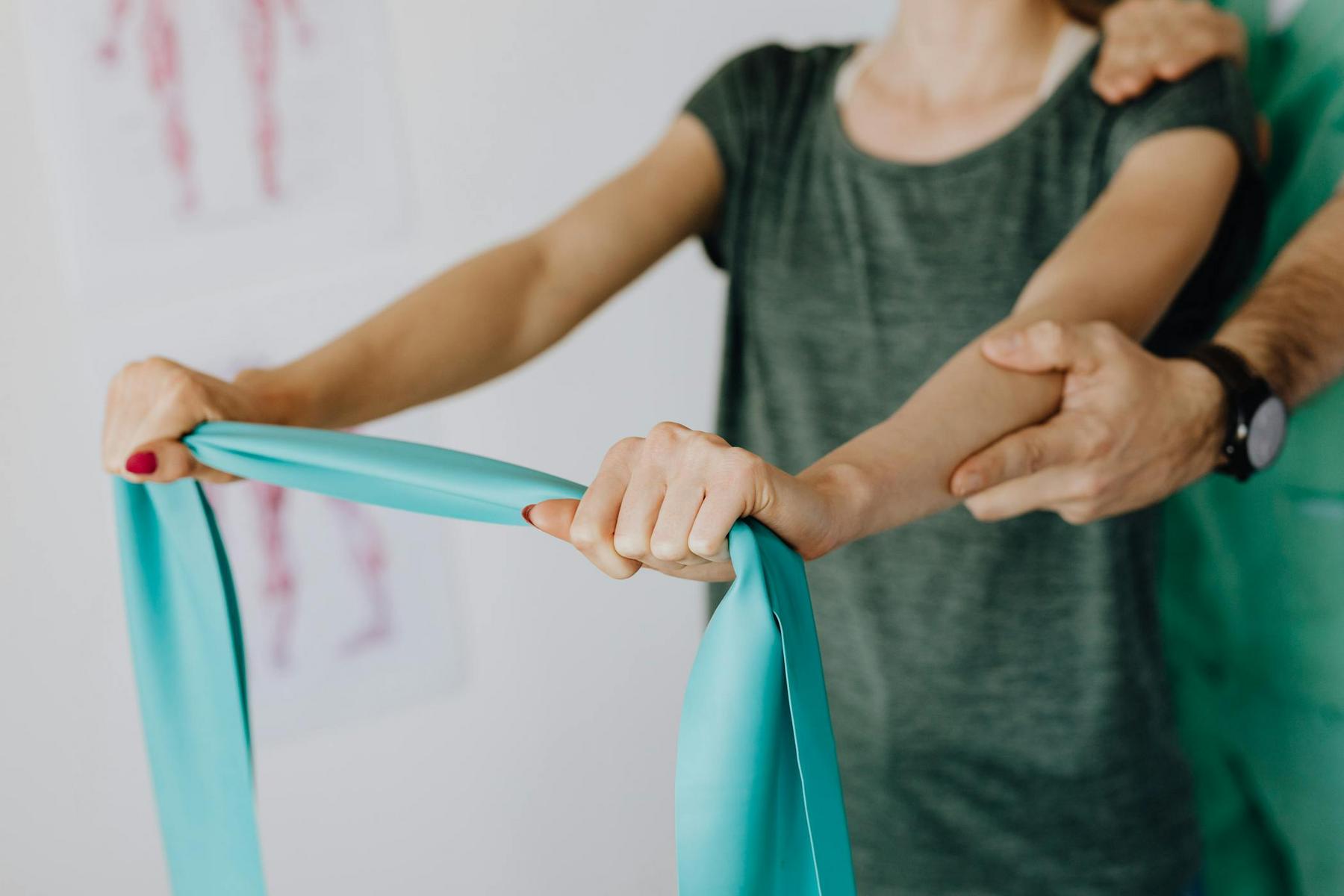
Disclaimer: The information in this article is intended for general educational purposes only and is not a substitute for personalised medical or allied health advice. Please consult a registered occupational therapist or other qualified health professional for advice tailored to your individual circumstances.
Losing the ability to reach for a cup of tea, button a shirt, or simply wave hello – these are the quiet, often invisible challenges faced by thousands of Australians living with upper limb impairment. Whether the cause is stroke, spinal cord injury, a musculoskeletal condition, or post-surgical recovery, the impact on daily life can be profound. The encouraging reality in 2026 is that a growing range of assistive devices for upper limb rehab at home now make it possible to continue meaningful rehabilitation between therapy sessions – and in many cases, right from the comfort of one’s own lounge room.
This guide explores the types of devices available, the evidence supporting home-based rehabilitation, how occupational therapy integrates with device use, and how Australians in Queensland, Victoria, New South Wales, and Tasmania can access support.
What Are Assistive Devices for Upper Limb Rehab at Home?
Assistive devices for upper limb rehab at home are electrical or mechanical tools designed to help individuals recover movement, restore function, and enhance independence in daily activities. They are used following neurological injuries, neuromuscular conditions, or musculoskeletal disorders, and range from straightforward orthoses and slings through to sophisticated robotic rehabilitation systems. Selection depends on an individual’s rehabilitation stage, functional goals, and the nature of their condition.
Home-based rehabilitation has demonstrated comparable, and in some instances superior, outcomes to centre-based care. Research cited by the Stroke Foundation (2022) found that Early Supported Discharge services reduced hospital length of stay by an average of eight days and increased the likelihood of regaining independence in daily activities for stroke survivors.
What Types of Assistive Devices Support Upper Limb Rehab at Home?
Assistive devices for upper limb rehab at home span several categories including:
- Orthotic Devices and Supports (static and dynamic orthoses, mobile arm supports)
- Passive and Gravity-Assisted Devices (shoulder pulleys, shoulder ladders, continuous passive motion devices, grip trainers, and pegboards)
How Does Robotic and Technology-Assisted Rehabilitation Work at Home?
Robotic rehabilitation technology has advanced considerably and now includes:
- Wearable Robotic Devices such as the MyoPro, which utilizes EMG signals for powered support.
- Home-Based Robotic Systems like hCAAR and LINarm designed for independent use.
- Virtual Reality (VR) Systems such as the RAPAEL Smart Glove™ that combine sensor data with interactive gaming.
- Functional Electrical Stimulation (FES) Devices that assist through electrical stimulation to enhance muscle activation.
Comparing Common Upper Limb Assistive Devices for Home Rehabilitation
A comparison table in the guide outlines different device categories, examples, rehabilitation stages, and key benefits ranging from joint protection and pain reduction to enhanced task performance through powered assistance.
Who Can Benefit from Upper Limb Assistive Devices at Home?
The guide highlights that assistive devices can benefit individuals affected by neurological conditions (e.g., stroke, spinal cord injury), neuromuscular conditions (e.g., multiple sclerosis, muscular dystrophy), and musculoskeletal conditions (e.g., post-surgical recovery, hand osteoarthritis).
How Can NDIS Funding Support Access to Upper Limb Assistive Devices?
For eligible Australians, the National Disability Insurance Scheme (NDIS) provides pathways to fund these assistive devices. Support under NDIS is available under Customised Prosthetics and Orthotics, aiding access to advanced technology like the MyoPro.
What Role Does Occupational Therapy Play in Upper Limb Rehab at Home?
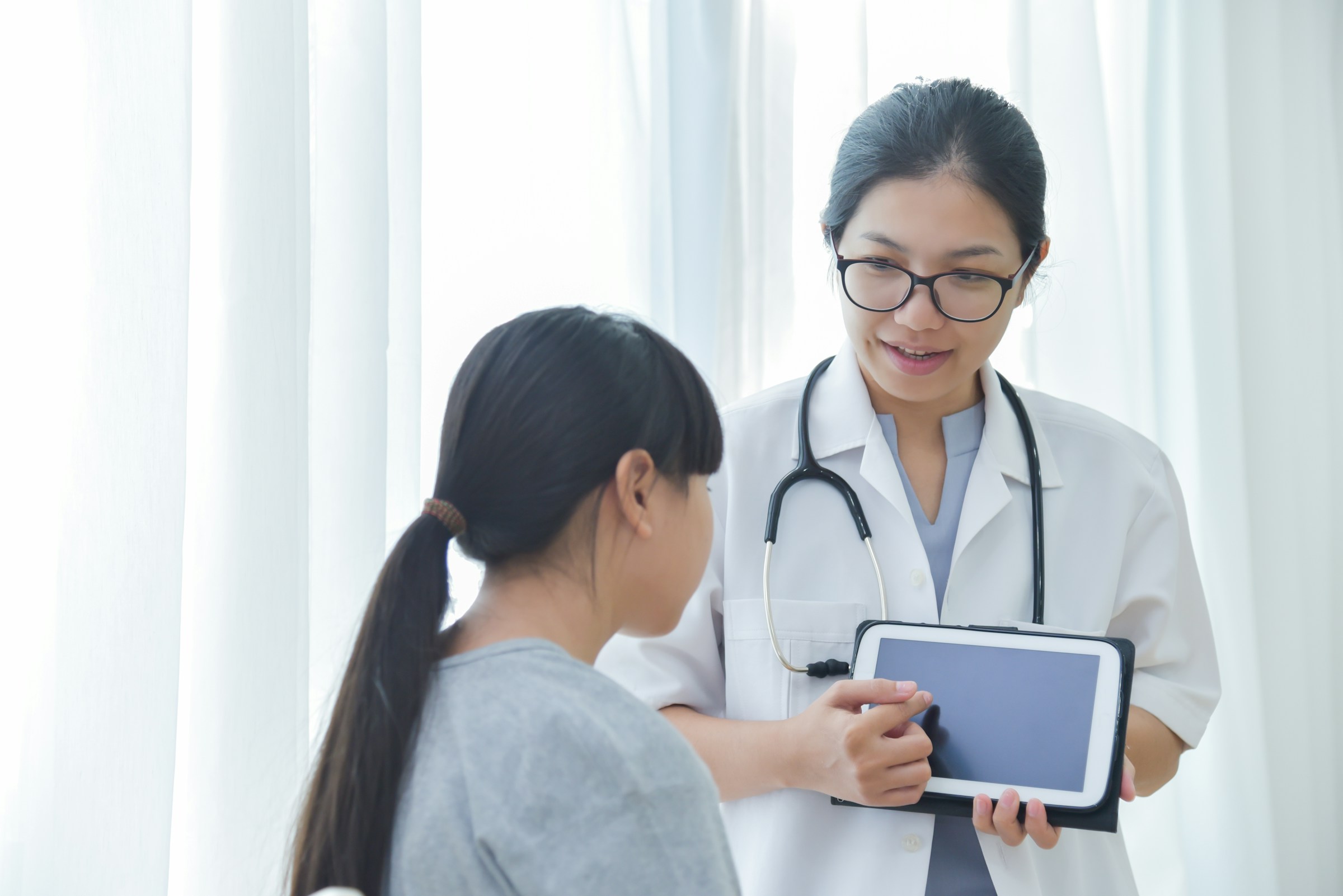
Occupational therapists are essential in assessing, recommending, and training individuals in the use of assistive devices for upper limb rehabilitation. Their role spans from initial device selection to ongoing monitoring of functional progress, ensuring a tailored approach to each client’s needs.
Supporting Recovery with the Right Tools and the Right Team
The field of assistive technology for upper limb rehab is rapidly evolving, with options ranging from traditional orthoses to advanced robotic systems and VR-based therapy tools. Despite the technology, professional guidance remains vital to ensure the right device is used appropriately within a comprehensive rehabilitation plan.
What assistive devices are commonly used for upper limb rehab at home after stroke?
Commonly used devices include static and dynamic orthoses (such as wrist and hand splints), mobile arm supports, functional electrical stimulation devices, wearable robotic orthoses like the MyoPro, and virtual reality systems such as the RAPAEL Smart Glove™. The selection depends on the stage of recovery and individual functional goals.
Can the NDIS fund assistive devices for upper limb rehabilitation in Australia?
Yes. The NDIS funds assistive technology under Support Category 05, specifically within Customised Prosthetics and Orthotics. Advanced wearable devices have been approved for reimbursement, and an occupational therapist can assist with the required assessments and documentation.
Is home-based upper limb rehabilitation as effective as clinic-based therapy?
Research indicates that home-based rehabilitation can produce outcomes comparable to, and in some cases superior to, clinic-based therapy. The integration of assistive technology and regular occupational therapy support enhances the effectiveness of home rehabilitation.
How does an occupational therapist help with selecting assistive devices for upper limb rehab at home?
An occupational therapist conducts a comprehensive assessment of upper limb function, daily activities, and the home environment to recommend appropriate assistive devices. They provide training, educate family members, and monitor progress, ensuring optimal device adoption and effectiveness.
What conditions benefit most from using assistive devices for upper limb rehabilitation at home?
Conditions that benefit include neurological conditions (such as stroke, spinal cord injury, and traumatic brain injury), neuromuscular conditions (like multiple sclerosis and muscular dystrophy), and musculoskeletal conditions (including post-surgical recovery and hand osteoarthritis).