Home and Equipment
Home, house, hospital to home and aged care assessments look at safety where you live. Equipment assessments match aids such as wheelchairs to your body and home.
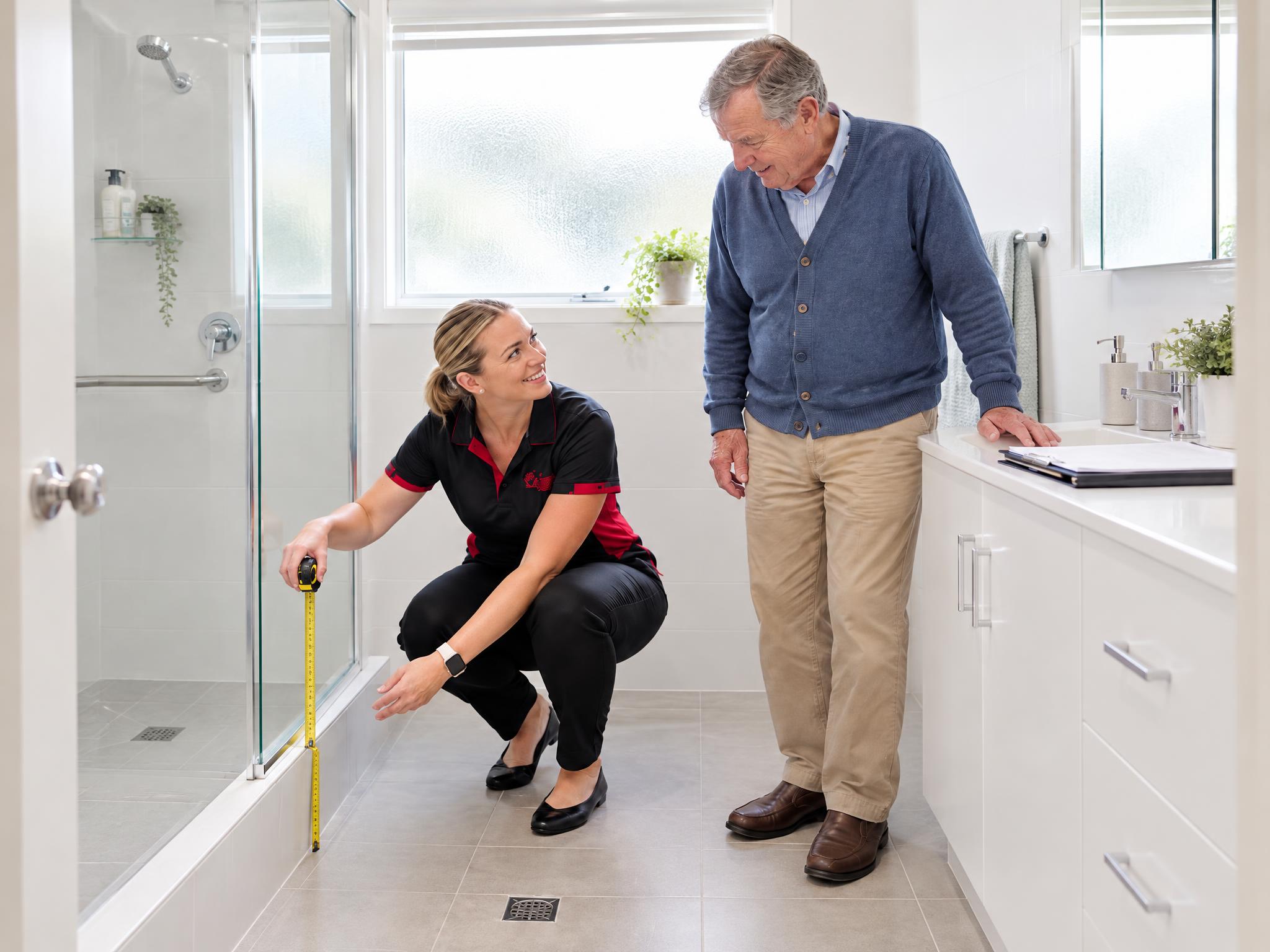

Mobile OT assessments across QLD, NSW, VIC and TAS
An occupational therapy assessment shows how you manage everyday tasks and what support could help. It is usually what a planner or insurer means when they ask for an OT report. Our registered occupational therapists visit you at home and write up what they find.

Assessments and reports
In short, an OT visits you, watches daily tasks and writes a report. The report gives evidence for NDIS, aged care or insurance decisions. It can't promise funding.
Most assessments follow the same 3 steps, whichever report you need.

We start with a phone call about what the report is for and who asked for it. We also ask for any letters, plans or reports you already have.
Your occupational therapist visits your home, school or workplace. They talk with you, watch familiar tasks and may use standard assessment tools.
You receive a written report with findings and recommendations. We can talk you through it and explain what you might do next.
Assessment types
Each assessment answers a different question. These 4 groups can help you find yours.
Home, house, hospital to home and aged care assessments look at safety where you live. Equipment assessments match aids such as wheelchairs to your body and home.
A functional capacity assessment shows what you can do on your own and where you need support. It is often the first report asked for in NDIS planning.
Medico-legal reports are written for law firms and insurers. Driving assessments check your skills at home and on the road. Sensory profiles help families understand a child.
SDA, SIL and ILO assessments give NDIS participants evidence about where and how they live. They look at support needs, living skills and the home itself.
Reviewed by Team Astrad, October 2026.
Most people don’t book an occupational therapy assessment out of curiosity. Someone has asked for one. Knowing who asked, and why, helps us choose the right assessment and write a report that answers their question.
Not sure which assessment the form means? Send it to us. We can read it with you and suggest the closest fit.
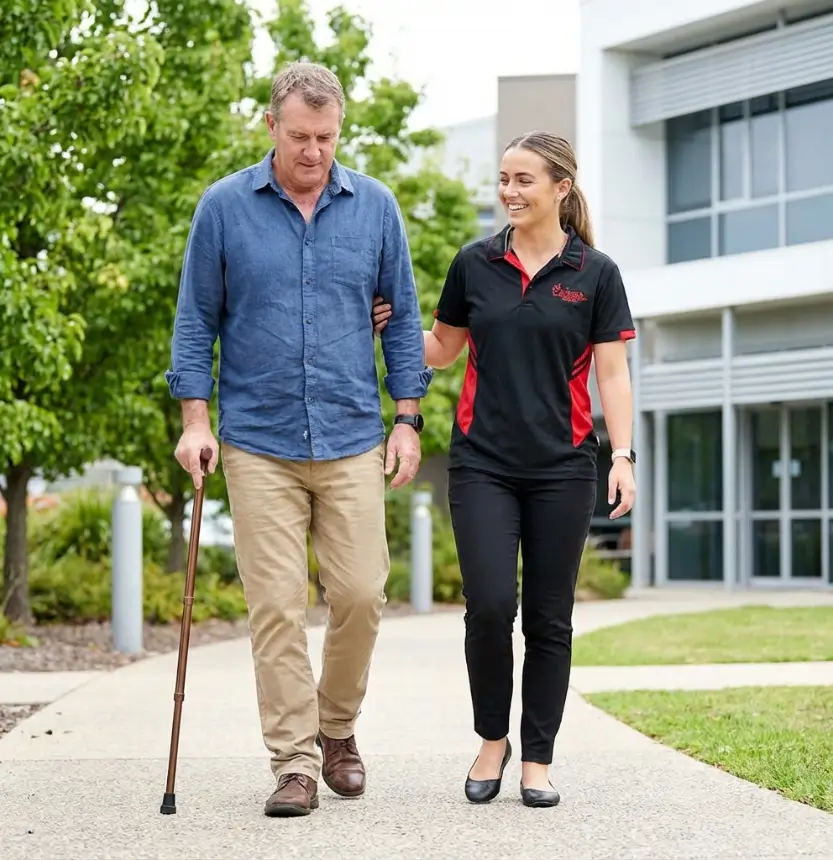
Astrad has no clinic. Your occupational therapist comes to you, usually at home. Some assessments also happen at school, at work or on local roads.
The visit starts with a conversation about your health, your routine and what you want to be able to do. Then your therapist watches you do some familiar tasks. That might be making a cup of tea, getting in and out of the shower, or moving from the bed to a chair. They may also use standard questionnaires or measure parts of the home.
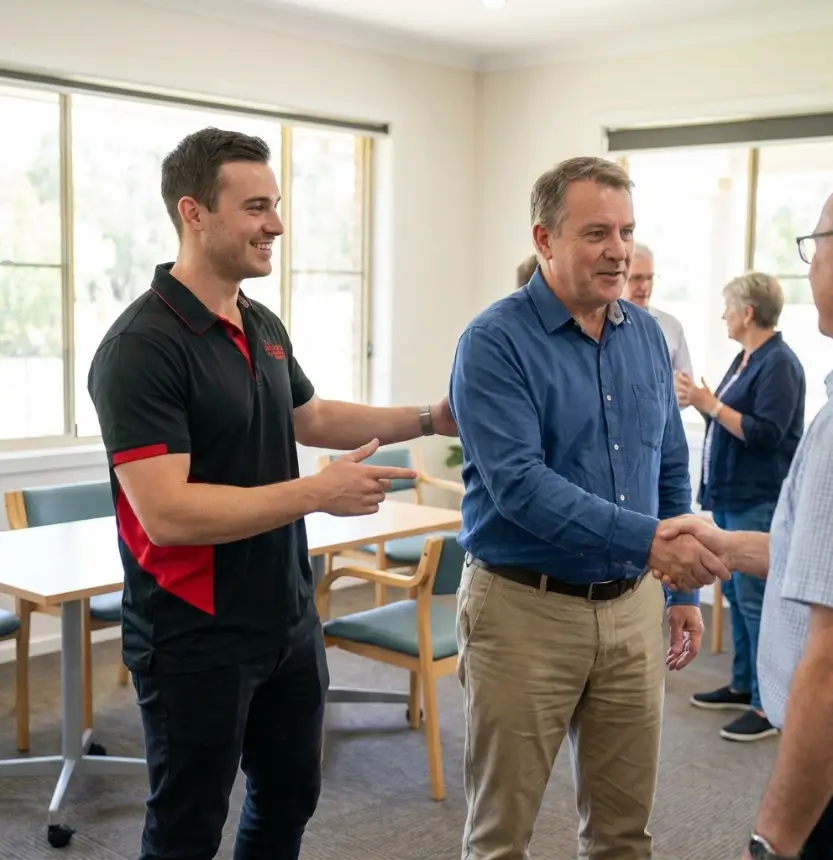
You can have a family member, carer or support worker with you. They often notice things you might leave out.
The written report is the part the planner, insurer or lawyer reads. It explains what you can do now, where you need help and why. It then lists recommendations, such as equipment, home changes, therapy or support.
The NDIS Act 2013 says funded supports must be reasonable and necessary. It also looks at 6 areas of life: communication, social interaction, learning, mobility, self-care and self-management. Our reports describe what the therapist saw in the areas that matter for your request.
We think a good report links every recommendation back to something the therapist saw. Funding bodies look for evidence. They want a clear link between what was observed and what is recommended. For medico-legal work, the report also states the assessor’s qualifications and includes a declaration of independence.
We write reports that anyone can follow. You should be able to read your own report and recognise your life in it.
Astrad offers 13 types of occupational therapy assessment. Each one answers a slightly different question.
| Assessment | Who usually asks | What it looks at |
|---|---|---|
| Functional capacity assessment | NDIS planners, often as the first report | Self-care, home tasks, getting around, and work or study |
| Home assessment | NDIS planners, aged care providers and families | Hazards and barriers in the kitchen, bathroom, entries and paths |
| House assessment | NDIS planners and support coordinators | Accessibility and the changes that could help |
| Hospital to home assessment | Hospital discharge teams | Getting the home ready before discharge after surgery, a fall or an illness |
| Aged care assessment | Aged care providers and families | Personal care, falls risk and safety for older people |
| Assistive technology assessment | NDIS planners and support coordinators | Communication devices, computer access, seating and vehicle access |
| Mobility equipment assessment | NDIS planners and support coordinators | Wheelchairs, walkers, scooters and transfer aids |
| SDA assessment | NDIS planners and support coordinators | Housing needs for Specialist Disability Accommodation |
| SIL assessment | NDIS planners and support coordinators | Daily living skills and support needs for Supported Independent Living |
| ILO assessment | NDIS participants exploring Individualised Living Options | Support needs, living skills and the home itself |
| Medico-legal assessment | Law firms, insurers and claims managers | Workers compensation, CTP, public liability, TPD and personal injury matters |
| Driving assessment | Doctors and licensing authorities | Driving skills at home, then on local roads in a dual-control car with a driving instructor |
| Sensory profile assessment | Parents and teachers | How a child takes in and responds to the world |
For equipment, we arrange trials with suppliers where suitable, before anything is recommended.
Who pays usually depends on who asked for the report. We support self-managed and plan-managed NDIS participants. Your plan manager or support coordinator can confirm which part of your plan the assessment might come from. Aged care clients, insurers, law firms and private clients can also book with us.
Before you call, find the request itself, whether it’s a letter, an email or a form. Then send it to us. The exact wording usually tells us which assessment fits, and it saves you paying for the wrong one.
It is a visit where a registered occupational therapist looks at how you manage daily tasks. They talk with you, watch familiar activities and may use standard tools. You then receive a written report with findings and recommendations.
Referral requirements vary. Many people contact us directly. Some NDIS participants may need the assessment covered in their plan, and insurers or law firms often refer clients themselves. Call us and we can talk through your situation.
A functional capacity assessment typically takes 1 to 3 hours, depending on your needs. Other assessments vary with what is being looked at. We can give you a guide when you book. The report is written after the visit.
No. Occupational therapists assess function, which means how you manage everyday tasks. A diagnosis comes from a doctor or, for some conditions, a psychologist. Your OT can read the reports you already have and build on them.
Have your NDIS plan or the letter asking for the report, if you have one. Letters from doctors and any previous reports help too. A list of the equipment you use now is also useful. If something is missing, your OT can usually still go ahead.
No report can promise that. The report sets out clear evidence about your needs and our recommendations. The NDIA, the aged care assessor or the insurer makes the final decision.
Yes. Many people like having someone with them. A carer or support worker can add detail about daily routines, and they hear the same advice you do.
No. Astrad is a mobile service. Our occupational therapists visit homes, schools and workplaces across Queensland, New South Wales, Victoria and Tasmania. Seeing your own space helps the recommendations fit the way you live.

Tell us who asked for the report and what it is for. We can help you work out which assessment fits, then book a visit at your home.
Supporting Positive Change