Every parent knows the feeling of watching their child navigate a world full of tasks that seem effortless for other children – struggling to button a shirt, avoiding catching a ball, or switching a pencil from hand to hand without settling into a rhythm. These moments can be quietly worrying. What many families may not realise is that difficulties like these may point to an underlying challenge with bilateral coordination – and that one of the most powerful and accessible ways to support this skill is through play.
Encouraging bilateral coordination through play is not just a therapeutic concept. It is an evidence-informed, child-centred approach that meets children where they are most comfortable: at play.
What Is Bilateral Coordination, and Why Does It Matter for Children’s Development?
Bilateral coordination – sometimes referred to as bilateral integration – is the ability to use both sides of the body simultaneously in a coordinated and sequenced way. More than a physical skill, bilateral coordination is a reflection of how effectively both hemispheres of the brain are communicating with each other. This interhemispheric communication is facilitated by the corpus callosum, the bridge connecting the brain’s left and right hemispheres.
When this communication is working well, children can perform smooth, purposeful movements that require both sides of the body to work together – whether that means holding a bowl steady with one hand while stirring with the other, pedalling a bicycle, or catching a ball.
Bilateral coordination underpins a remarkable range of everyday activities, including:
- Self-care tasks: Tying shoelaces, buttoning shirts, and using cutlery
- Fine motor tasks: Handwriting, cutting with scissors, and threading beads
- Gross motor activities: Running, climbing, swimming, and riding a scooter
- Academic skills: Reading (visual tracking across a page), writing, and managing school supplies
Because bilateral coordination touches so many areas of a child’s daily life, difficulties in this area can have a cascading effect across home, school, and social participation.
How Does Bilateral Coordination Develop Across Childhood?
Bilateral coordination follows a predictable developmental sequence. Understanding this progression helps families and practitioners identify when development is unfolding as expected – and when additional support may be beneficial.
The five key types of bilateral coordination that emerge during childhood are outlined below:
- Symmetrical: Both sides perform the same action simultaneously (e.g., clapping, jumping with both feet, crawling) – from approximately 3 months of age.
- Reciprocal: Both sides alternate in coordinated sequence (e.g., walking, running, swimming, riding a bike) – develops after symmetrical coordination.
- Asymmetrical: Each side performs a different but complementary role (e.g., holding paper while writing; pouring while holding a cup) – develops progressively through early childhood.
- Crossing the midline: Moving a limb across the body’s centreline (e.g., reaching across to pick up an object; drawing large circles) – should be established by 3–4 years of age.
- Sequencing movements: Anticipating and planning coordinated movement (e.g., catching a ball; performing multi-step tasks) – refines throughout school-age years.
By early school age (approximately 5–8 years), children are typically expected to demonstrate well-established hand dominance, efficient midline crossing, and the ability to manage complex asymmetrical tasks such as cutting detailed shapes and writing for sustained periods.
What Signs Might Suggest a Child Is Finding Bilateral Coordination Challenging?
Children’s motor development varies, and not every challenge indicates a clinical concern. However, there are observable patterns that may suggest a child would benefit from further assessment and support.
Indicators can include:
- Appearing clumsy or disorganised during everyday movement activities
- Avoiding activities that require both hands to work together
- Shifting their body or turning their trunk to avoid reaching across the body midline
- Establishing a strong hand dominance very early or showing no consistent hand preference by age 5
- Difficulty with self-care tasks such as dressing, fastening buttons, or tying shoelaces
- Struggling with fine motor activities including using scissors, stringing beads, or writing
- Letter reversals and difficulties tracking from left to right during reading and writing
- A cautious or fearful approach to movement
- Challenges with attention, focus, or following sequences during physical activities
Bilateral coordination difficulties are associated with conditions including developmental coordination disorder (dyspraxia), sensory processing differences, and challenges related to vestibular system function. Consulting an occupational therapist for an assessment can be a valuable first step.
How Does Play-Based Activity Support Bilateral Coordination Development?
Play is not simply a pleasant backdrop for therapy—it is one of the most evidence-supported vehicles for motor skill development in children. Research supports the use of play-based approaches for motor skill development, with findings indicating significant improvements in object control and locomotor skills through regular, engaging play.
Play creates the conditions in which motor learning naturally flourishes:
- Purposeful context: Makes movement meaningful and enjoyable, sustaining engagement and motivation.
- Real-time sensory feedback: Provides immediate insights into movement quality, allowing adjustments and refinements.
- Neuroplasticity support: Strengthens neural pathways that underpin interhemispheric communication.
- Accessibility: Often requires no specialised or expensive equipment, making it viable across various settings.
- Parental involvement: Integrating caregivers in play-based activities enhances treatment effects and skill transfer to daily life.
Structured play with specific skill focus tends to yield stronger improvements compared to completely unstructured free play.
What Types of Play Activities Best Encourage Bilateral Coordination?
Activities are often grouped by the type of coordination they target:
Fine Motor and Asymmetrical Coordination Activities
- Threading beads or pasta onto yarn or pipe cleaners.
- Cutting shapes with scissors.
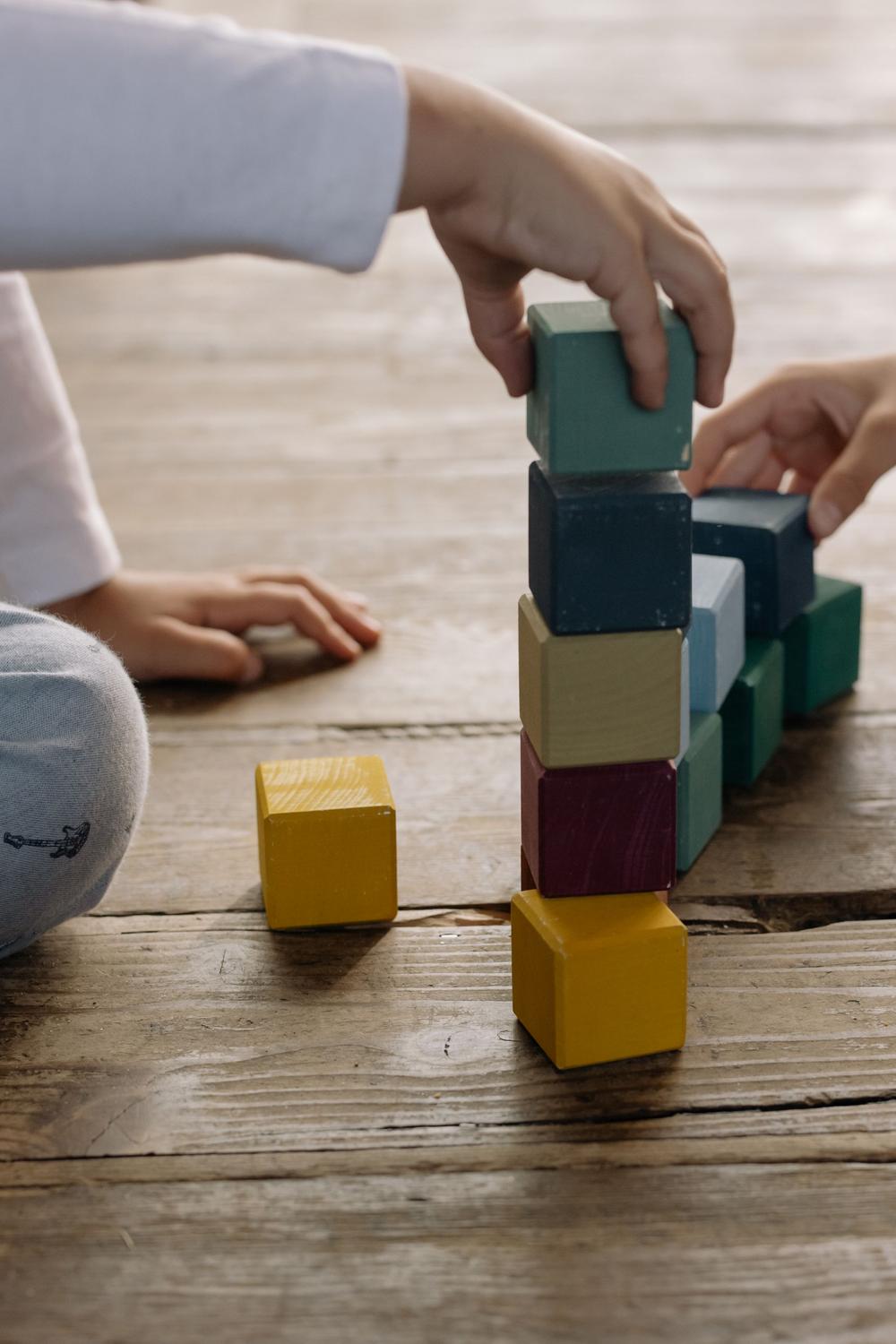
- Playing with pop-beads or interlocking construction toys.
- Cooking activities such as kneading dough or mixing batter.
- Playing musical instruments like drums, piano, or xylophone.
- Arts and crafts such as making cards or using stickers.
- Water play involving filling, pouring, and mixing.
Gross Motor and Reciprocal Coordination Activities
- Tossing and catching a large ball with both hands.
- Clapping games like pat-a-cake.
- Animal walks: bear walks, crab walks, and kangaroo hops.
- Riding a tricycle, scooter, or bicycle.
- Skipping ropes, hopscotch, and sack races.
- Swimming and water-based play.
- Obstacle courses that incorporate crawling, climbing, and balancing.
- Trampoline play with various jumping games.
Midline Crossing Activities
- Simon Says games that require crossing the body’s centreline.
- Playing Twister.
- Drawing large circles on paper without moving the body.
- Completing large jigsaw puzzles on the floor.
- Crunches that bring alternating elbows to knees.
- Finger painting with both hands simultaneously.
How Can Occupational Therapy Support Bilateral Coordination Through Play?
Occupational therapists (OTs) can assess bilateral coordination challenges and work collaboratively with families to develop play-based interventions. An OT might use structured observation and standardised assessments such as the BOT-2, DCDQ, or TGMD-3 to understand a child’s motor profile. Based on this, a tailored intervention plan is created, often including a home programme for ongoing practice.
In Australia, funding schemes like the NDIS may support access to occupational therapy services for eligible children. Families should consult with a registered OT or their funding body to explore available options.
Why Early Support for Bilateral Coordination Makes a Lasting Difference
Bilateral coordination is central to a child’s overall development, affecting everything from academic achievement to social participation. Early, play-based support can build the necessary neurological and physical foundations that empower children to excel in various aspects of life. Strengthening bilateral coordination can also improve working memory, attention, self-efficacy, and emotional regulation, making it an investment in the child’s holistic development.
What is bilateral coordination and why is it important for children?
Bilateral coordination is the ability to use both sides of the body together in a coordinated, purposeful way. It reflects effective communication between the brain’s hemispheres and is foundational for tasks such as writing, dressing, playing sports, and participating in school activities. Difficulties can affect a child’s independence and confidence.
At what age should my child be able to cross the midline?
Crossing the midline is generally expected to be established by 3 to 4 years of age. If your child consistently avoids reaching across their body by shifting or turning their trunk, it may be worth discussing with an occupational therapist.
How can I encourage bilateral coordination through play at home?
There are many play activities that support bilateral coordination, such as threading beads, clapping games, obstacle courses, catching and throwing games, animal walks, and arts and crafts. Activities that require one hand to stabilise while the other manipulates are particularly effective.
Can occupational therapy help my child with bilateral coordination difficulties?
Yes, occupational therapy can provide individualised assessment and play-based interventions tailored to your child’s needs. An OT can evaluate your child’s motor profile and develop a custom programme, which may include both direct therapy sessions and home-based practice activities.
Is occupational therapy for bilateral coordination covered by the NDIS?
For eligible NDIS participants, occupational therapy services addressing bilateral coordination issues may be funded under available supports. Families should consult with their NDIS planner or a registered OT provider to understand how funding applies to their specific situation.