When a child sits down to write their name for the first time, it can feel like a magical milestone. But for many families, that moment comes with quiet worry – gripped pencils, wobbly letters, frustrated tears, or an outright refusal to pick up a crayon. What parents often don’t realise is that handwriting is not simply a skill children learn by copying letters from a board. It is the end product of a complex chain of developmental foundations that begin building from the very first months of life.
Understanding handwriting readiness and fine motor foundations is one of the most important things families and educators can do to support children’s confidence, academic participation, and independence – and knowing when to seek professional support can make all the difference.
What Are the Key Building Blocks of Handwriting Readiness?
Handwriting readiness refers to the foundational skills children need before formal writing can begin effectively. Occupational therapy literature identifies ten interconnected building blocks, each contributing to a child’s capacity to hold a pencil, form letters, and sustain writing over time.
1. Hand and Finger Strength
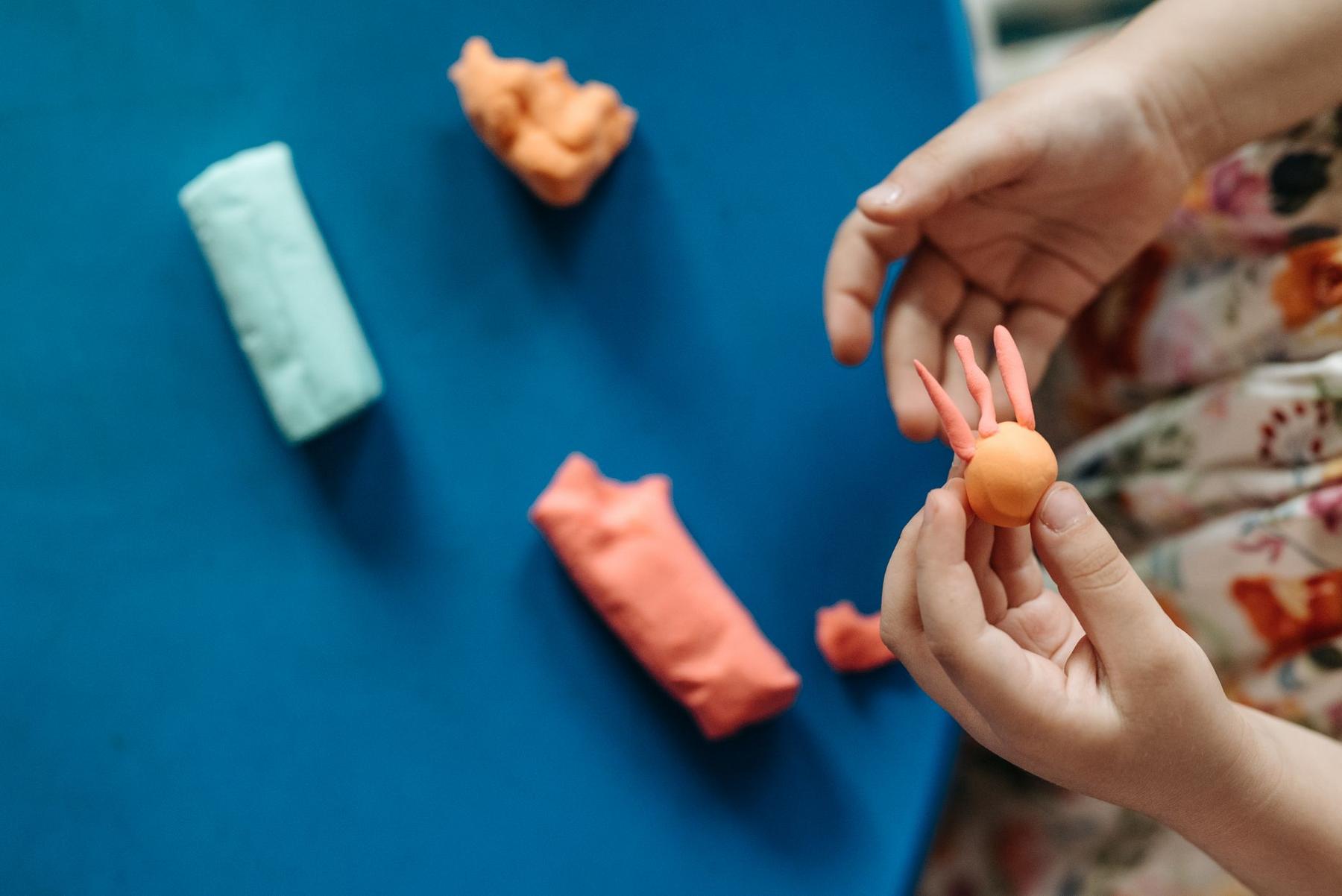
The ability to exert controlled force through the fingers allows the muscle power needed for pencil movement. Activities such as playdough manipulation and squeezing toys help develop this strength progressively through play.
2. Upper Body Strength and Postural Stability
Shoulder stability supports controlled arm and hand movement. Without adequate core strength and postural stability, children may slump at the desk, fatigue quickly, or adopt awkward compensations. Proper positioning – feet flat on the floor, hips and knees at 90 degrees, table at elbow height – forms the physical foundation for writing.
3. Bilateral Integration
This refers to the ability to use both hands together, with one hand leading. During handwriting, the dominant hand moves the pencil while the non-dominant hand steadies the paper. Activities such as cutting with scissors, threading beads, and tearing paper help develop this coordination.
4. Pencil Grasp and Control
Pencil grasp develops through predictable stages – from a palmar supinate grasp around 12–15 months, through to a dynamic tripod grasp between 4.5 and 6 years. A functional pencil grasp is generally expected to be established between 4 and 7 years of age.
5. Hand-Eye Coordination and Visual-Motor Integration
Visual-motor integration (VMI) is the ability to translate what the eyes see into coordinated hand movements. This is essential for letter sizing, spacing, and alignment on a page.
6. Visual Perception
The brain’s ability to interpret and make sense of visual input – including recognising letters, noticing similarities and differences between shapes, and processing printed language – is a cornerstone of handwriting readiness.
7. Crossing the Midline
Children need to cross the imaginary vertical line dividing the body into left and right sides. This supports smooth, flowing writing movements across a full page.
8. Hand Dominance
Consistent use of one hand for tasks allows refined skill development. Hand dominance is generally established by approximately age 5.
9. Hand Division (In-Hand Manipulation)
Skilled handwriting requires isolated use of the thumb, index, and middle fingers, while the ring and little fingers stabilise the hand from within the palm. This sophisticated finger control develops gradually throughout early childhood.
10. Fine Motor Endurance
Children may spend up to 60% of their school day engaged in fine motor tasks, highlighting just how critical endurance and sustained dexterity are for classroom participation.
What Do Fine Motor Development Milestones Look Like at Each Age?
Understanding typical developmental progression helps families and educators identify when a child may need additional support. The table below outlines key fine motor and pre-writing milestones across developmental stages.
| Age | Fine Motor Milestones | Pre-Writing / Handwriting Skills |
|---|---|---|
| 0–12 months | Palmar grasp, reaching, raking, emerging pincer grasp (9–12 months) | N/A |
| 1–2 years | Stacks 2–4 blocks, transfers objects between hands | Random scribbling, fisted crayon grasp |
| 2–3 years | Holds crayon with thumb and fingers, strings 3–4 large beads | Imitates vertical, horizontal lines and circles |
| 3–4 years | Static tripod grasp emerging, cuts roughly with scissors | Copies a circle, imitates a cross; uses non-dominant hand to stabilise |
| 4–5 years | Cuts along a line continuously, handedness well established | Writes name in uppercase, copies letters, draws person with 2–4 parts |
| 5–6 years | Manages most clothing independently, cuts curved lines | Writes first name, copies simple words, colours mostly within lines |
| 6–7 years | Ties shoelaces, uses scissors precisely on complex shapes | Prints all letters with reasonable legibility, letter reversals diminish |
Based on developmental progressions identified in occupational therapy and child development literature.
What Are the Warning Signs of Fine Motor Delays in Children?
Fine motor delays can present in different ways across different environments – at home, in the classroom, and during play. Some indicators that may warrant further assessment include:
- Persistent avoidance of drawing, colouring, or craft activities
- Awkward pencil grasp beyond age-appropriate expectations
- Frequent hand switching during drawing or writing tasks
- Poor endurance during brief writing or colouring activities
- Letter reversals persisting beyond age 7
- Difficulty managing self-care tasks such as buttoning, zipping, or using utensils
- Stiff arm movement or moving the whole arm when writing
- Poor letter spacing, sizing, or alignment
- Complaints of hand pain during writing activities
- Frustration during construction play or puzzles
It is important to note that these observations are general in nature, and a qualified occupational therapist is best placed to conduct a comprehensive assessment to understand a child’s individual profile.
How Does Visual-Motor Integration Affect Handwriting Readiness?
Visual-motor integration is one of the most critical – and often overlooked – components of handwriting readiness and fine motor foundations. VMI is the degree to which visual perception and fine motor skills work together in a coordinated way.
When VMI is well developed, children can look at a letter, understand its form and orientation, and reproduce it accurately with their hand. When VMI is less developed, children may struggle with letter formation, spacing, and alignment – even if their hand strength and grip appear adequate.
The Beery-Buktenica Developmental Test of Visual-Motor Integration (Beery VMI) is one of the most widely used standardised assessment tools in occupational therapy practice. It measures visual-motor integration across a range of ages and provides standardised scores, percentile rankings, and age equivalents to support clinical decision-making.
Research also reveals a sophisticated connection between fine motor development and cognitive function. Fine motor competencies in early childhood have been shown to directly predict performance on executive function tasks later in a child’s academic journey – underlining that handwriting readiness and fine motor foundations extend well beyond the classroom desk.
How Do Occupational Therapists Support Handwriting Readiness and Fine Motor Foundations?
Occupational therapists use a holistic, evidence-informed approach to assess and support fine motor development. Assessment typically involves a comprehensive process including:
- A detailed parent interview covering developmental history, early motor milestones, and current functional concerns
- Formal standardised assessment using tools such as the Miller Function & Participation Scales (M-FUN), the Beery VMI, the Bruininks-Oseretsky Test of Motor Proficiency (BOT-2), or the Peabody Developmental Motor Scales (PDMS-2)
- Observation of how the child approaches challenging tasks, manages frustration, and uses compensatory strategies
- Handwriting sample collection to assess pencil grasp, pressure, letter formation, spacing, and legibility
- Questionnaires completed by parents and teachers to understand functional performance across environments
Following assessment, occupational therapists typically provide a detailed report with standardised scores, percentile ranks, and practical recommendations – along with a tailored home programme to support skill development within everyday routines.
Intervention approaches commonly used to build fine motor foundations include:
- Play-based hand strengthening (playdough, therapy putty, construction toys)
- Bilateral coordination activities (scissors work, threading, tongs and tweezers)
- Visual-motor activities (mazes, sand drawing, block copying, LEGO construction)
- Core and postural stability activities (animal walks, vertical surface drawing, crawling)
- Pre-writing skill development (shape tracing, dot-to-dot, free drawing)
- Environmental modifications such as slant boards, pencil grips, and appropriate seating
Programmes such as Handwriting Without Tears and the Size Matters Handwriting Program are commonly referenced in occupational therapy practice as structured, curriculum-based tools to support formal handwriting instruction.
When Should Families in Queensland, New South Wales, Victoria, and Tasmania Seek Support?
Fine motor assessments can be conducted from as early as 2 years and 6 months of age using tools such as the M-FUN. Most school readiness assessments occur between ages 4 and 6 years, as children approach kindergarten entry. However, persistent difficulties with age-appropriate tasks at any stage warrant professional consideration.
For Australian families accessing NDIS funding, handwriting and fine motor assessment may be funded under the Capacity Building – Improved Daily Living Skills support category. Assessment under this category generally involves a formal assessment appointment and a written report. Families with NDIS plans managed by an agency, plan manager, or self-managed arrangement each have different processes for accessing these services – it is worth discussing your plan type with your provider.
Astrad Allied Health provides mobile occupational therapy services across Brisbane, North Lakes, Gold Coast, Sunshine Coast (including Peregian Springs, Noosa, Buderim, and Gympie), Sydney, and Melbourne – and also delivers telehealth services to clients throughout Queensland, New South Wales, Victoria, and Tasmania. This means families in many locations across Australia can access quality occupational therapy support without needing to travel to a clinic.
Supporting Handwriting Readiness Starts Earlier Than You Think
Handwriting readiness and fine motor foundations are not built at the school desk – they are built in the sandpit, the kitchen, the craft table, and during everyday moments of play and self-care. The earlier these foundations are identified and supported, the greater the opportunity for children to develop the skills, confidence, and endurance they need to participate fully in school and daily life.
When fine motor difficulties are identified and addressed early, children are better positioned to engage with learning, connect with peers, and build lasting confidence in their own abilities. Early support is not about pushing children to write sooner – it is about laying the groundwork so that when formal handwriting instruction begins, children are truly ready.
What age should a child be ready to start handwriting?
Handwriting readiness varies between children. Some may show readiness as early as age 4, while others may not be ready until age 6. A range of foundational skills—such as hand strength, visual-motor integration, pencil grasp, and core stability—should be in place before formal instruction begins. An occupational therapist can assess if a child has developed the necessary prerequisites.
What is the difference between fine motor skills and handwriting readiness?
Fine motor skills refer to the precise movements of the small muscles in the hands, wrists, and fingers, often coordinated with visual input. Handwriting readiness is a broader concept that includes these fine motor skills along with visual perception, postural stability, bilateral coordination, hand dominance, and the ability to integrate visual and motor information.
Can NDIS funding cover a handwriting or fine motor assessment?
In many cases, yes. Handwriting and fine motor assessments may be funded under the NDIS Capacity Building – Improved Daily Living Skills support category, especially when difficulties impact a child’s school participation or daily activities. It’s best to speak directly with your occupational therapist and plan manager about your specific funding situation.
How do I know if my child has a fine motor delay?
Indicators of fine motor delays can include persistent avoidance of drawing or craft activities, difficulty with self-care tasks like buttoning or using utensils, poor endurance during writing or colouring, and ongoing letter reversals beyond age 7. However, these are general signs, and a qualified occupational therapist is best placed to assess a child’s motor development.
What does an occupational therapy fine motor assessment involve?
A comprehensive assessment usually involves a detailed parent interview, standardised testing with age-appropriate tools (such as the Beery VMI or BOT-2), observation of the child during structured tasks, and sometimes a handwriting sample analysis. The process typically takes 2–3 hours and results in a written report outlining findings and tailored recommendations.