
SPA-Certified Speech Pathologists
Apraxia Speech Therapy for Children Across Australia
Astrad Allied Health delivers mobile apraxia speech therapy across Queensland, New South Wales, Victoria and Tasmania. Our SPA-certified speech pathologists provide evidence-based treatment for Childhood Apraxia of Speech (CAS) in your home, school or community setting.
Targeted Apraxia Speech Therapy, Delivered to You
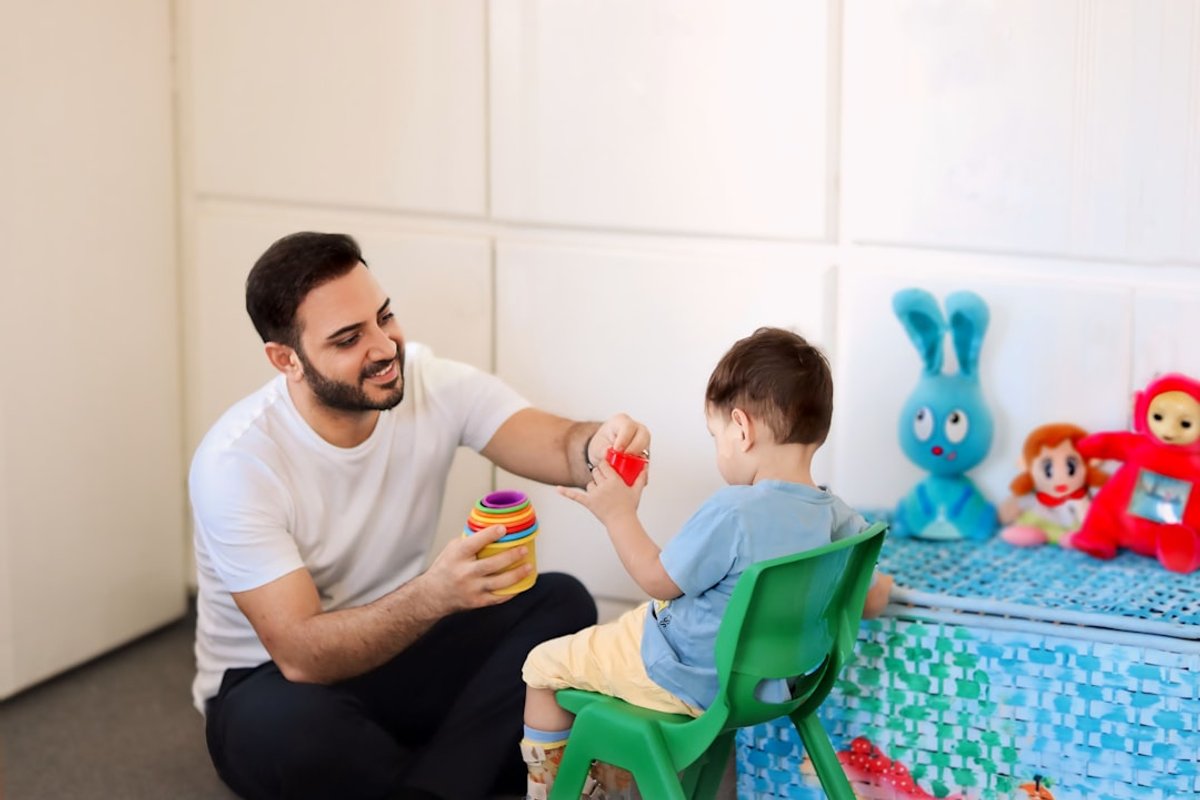
Our team of SPA-certified speech pathologists provides intensive, evidence-based apraxia speech therapy tailored to each child's motor speech planning needs. We deliver therapy in the comfort of your home or community, making consistent treatment accessible for families across four states.
Qualified Speech Pathologists
Intensive Therapy Programs
NDIS, Aged Care & Private Clients
Evidence-Based Approaches

Understanding Childhood Apraxia of Speech
What Is Apraxia of Speech?
Childhood Apraxia of Speech (CAS) is a motor speech disorder where the brain has difficulty planning and coordinating the precise movements needed for clear speech. Unlike other speech difficulties, CAS is not caused by muscle weakness. Instead, it is a motor planning issue: the child knows what they want to say, but their brain struggles to direct the lips, tongue and jaw through the correct sequences of movement. CAS affects approximately 1 to 2 children per 1,000 and is recognised as a significant condition requiring targeted intervention.At Astrad Allied Health, our speech pathologists are experienced in identifying and treating CAS using evidence-based approaches supported by current research. We deliver mobile apraxia speech therapy directly to your home, school or community setting across Queensland, New South Wales, Victoria and Tasmania, removing barriers to the intensive, frequent therapy that children with CAS need to make progress.
About UsOur Services
Astrad Allied Health offers a comprehensive range of services, including:
Mobile Occupational Therapy
Registered occupational therapists providing support for daily living skills, independence and participation in work, school and community activities.
Mobility Equipment Assessment
Assessment and recommendations for mobility equipment and assistive technology to support participation in daily activities across your environment.
Speech Pathology Services
Registered speech pathologists helping with communication, swallowing and language development across Queensland, NSW, Victoria and Tasmania.
Home Assessment & Modifications
Professional home evaluations identifying modifications and equipment recommendations to improve safety, accessibility and independence.
Assistive Technology Assessment
Recommendations for assistive technology solutions like communication devices, computer access & adaptive equipment to support daily participation.

Comprehensive Therapy
Complete allied health support including ongoing therapy sessions, rehabilitation programs and personalised interventions to address all your therapy needs.


About Astrad's Apraxia Speech Therapy Services
Why Choose Astrad Allied Health
Signs and Symptoms of CAS
Children with CAS often show limited babbling as infants, inconsistent speech errors and difficulty imitating sounds. Early identification is important, as children with CAS benefit most from starting therapy as soon as possible.
How CAS Differs from Other Speech Disorders
CAS is a motor planning disorder, distinct from articulation disorders and language delays. The challenge lies in the brain's ability to coordinate precise speech movements, not in the muscles or language comprehension.
Evidence-Based Treatment Approaches
Our speech pathologists use evidence-based methods including DTTC, the Nuffield Dyspraxia Programme, PROMPT therapy and the Kaufman Protocol. Our mobile model supports the intensive, frequent sessions children with CAS need.
NDIS Funding for Apraxia Speech Therapy
CAS is commonly funded through the NDIS. Our team helps families navigate funding options, plan reviews and service agreements, and we also support private clients seeking speech pathology services.
Why Intensive Therapy Matters
Children with CAS make the most progress with frequent, intensive therapy. Our mobile service removes the travel burden, making it easier for families to maintain the session frequency needed for positive outcomes.
The Role of AAC in Apraxia Therapy
Some children with CAS benefit from AAC tools while developing verbal speech. Our speech pathologists conduct AAC assessments to determine whether communication devices or other supports may help your child.
Understanding Childhood Apraxia of Speech (CAS)
Childhood Apraxia of Speech (CAS) is a neurological motor speech disorder that affects a child’s ability to plan and coordinate the movements needed for clear speech. The child understands language and knows what they want to say, but their brain struggles to send the correct signals to the lips, tongue, jaw and palate.
CAS affects approximately 1 to 2 children per 1,000 and is recognised by Speech Pathology Australia as a significant communication disorder. Children with CAS often present with inconsistent speech errors, limited babbling in infancy and difficulty imitating sounds. Their speech can sound effortful, choppy or robotic.
How Apraxia Speech Therapy Works
Effective apraxia speech therapy focuses on helping the brain develop reliable motor plans for speech through intensive, repetitive practice. At Astrad Allied Health, our SPA-certified speech pathologists use evidence-based approaches tailored to each child’s needs, including:
- Dynamic Temporal and Tactile Cueing (DTTC) for guided jaw, lip and tongue movements
- Nuffield Dyspraxia Programme (NDP3) for building speech from individual sounds to connected speech
- PROMPT therapy for tactile-kinaesthetic motor planning support
- Kaufman Speech to Language Protocol for simplified word targets
Our mobile service model brings therapy directly to families across Queensland, New South Wales, Victoria and Tasmania, removing the travel burden that often prevents consistent scheduling.
Signs Your Child May Have Apraxia of Speech
Common indicators of CAS include:
- Limited or absent babbling during infancy
- Inconsistent pronunciation of the same word
- Difficulty combining sounds into syllables and words
- Noticeable effort or groping movements when attempting speech
CAS is a motor planning disorder, distinct from articulation disorders (where specific sounds are consistently mispronounced) and language delays (where a child has difficulty understanding or using words). A clinical assessment by a qualified speech pathologist is essential for accurate diagnosis.
The Importance of Intensive, Frequent Therapy
Research supports frequent therapy for children with CAS, ideally 3 to 5 sessions per week. The brain needs repeated practice to establish the neural pathways responsible for speech motor planning.
Astrad’s mobile therapy model supports this intensity by delivering sessions in your home, school or community setting. Our speech pathologists also provide home practice activities and parent coaching to extend therapy gains into everyday communication.
AAC Support During Apraxia Speech Therapy
Some children with CAS benefit from Augmentative and Alternative Communication (AAC) tools while building their verbal speech skills. AAC provides children with a way to communicate their needs and reduces frustration during the therapy process. Options may include picture communication boards, speech-generating devices or communication apps.
Our speech pathologists conduct AAC assessments and integrate these tools into the child’s overall therapy plan. Research supports the use of AAC alongside apraxia speech therapy, and evidence shows it does not hinder verbal speech development.
NDIS Funding for Apraxia Speech Therapy
CAS is commonly funded through the National Disability Insurance Scheme (NDIS), as it significantly impacts a child’s functional communication. NDIS funding can cover speech pathology sessions, AAC assessments and devices, and therapy resources. Our team supports families through initial access requests, plan reviews and service agreements.
Individual results vary. Assessment findings and therapy outcomes depend on each child’s unique circumstances.
We also support families who access therapy through aged care funding or private arrangements. To learn more about how we can support your child, call our team on (07) 3477 9366 or book an appointment online.
Get in Touch
Speak with Our Team About Apraxia Speech Therapy
Call (07) 3477 9366Mobile Therapy Across 4 States
We deliver apraxia speech therapy in your home, school or community across QLD, NSW, VIC and TAS, removing travel barriers for families.
NDIS and Private Funding Support
Our team helps families access NDIS funding for apraxia speech therapy and supports private clients with transparent service agreements.
Intensive Therapy Programs
We offer flexible scheduling to support the intensive, frequent therapy that children with apraxia of speech need to support progress.
SPA-Certified Speech Pathologists
Our speech pathologists are certified with Speech Pathology Australia and experienced in evidence-based treatment approaches for CAS.

Meet the People Behind Your Care
Our team is passionate about helping you achieve your goals through personalised, evidence-based care.
Meet Our TeamOur Team





Book An Appointment
Our response time is impressive


Start Your Child's Apraxia Speech Therapy Today
Give your child the support they need to develop their communication skills. Our mobile apraxia speech therapy brings targeted support directly to your home, school or community setting.
Frequently Asked Questions About Apraxia Speech Therapy
What is Childhood Apraxia of Speech (CAS)?
Childhood Apraxia of Speech is a motor speech disorder where the brain has difficulty planning and coordinating the movements needed for clear speech. It is not caused by muscle weakness. Instead, CAS is a motor planning issue that affects how the brain directs the lips, tongue and jaw to produce speech sounds. CAS affects approximately 1 to 2 children per 1,000 and requires specialist speech pathology intervention.
How is CAS different from other speech disorders?
CAS is distinct from articulation disorders, where a child consistently mispronounces specific sounds, and from language delays, where a child has difficulty understanding or using words. CAS is a motor planning disorder, meaning the challenge lies in the brain’s ability to coordinate the precise movements needed for speech, not in the muscles themselves or in language comprehension.
What treatment approaches does Astrad use for apraxia speech therapy?
Our SPA-certified speech pathologists use evidence-based approaches including Dynamic Temporal and Tactile Cueing (DTTC), the Nuffield Dyspraxia Programme (NDP3), PROMPT therapy and the Kaufman Speech to Language Protocol. Treatment is tailored to each child’s individual needs and developmental stage.
How often should my child receive apraxia speech therapy?
Research shows that children with CAS make the most progress with intensive, frequent therapy, ideally 3 to 5 sessions per week delivered in blocks of at least 12 sessions. Our mobile service model makes this level of frequency achievable by bringing therapy directly to your home, school or community setting, removing the travel burden for families.
Does the NDIS fund apraxia speech therapy?
Yes, Childhood Apraxia of Speech is commonly funded through the NDIS, as it is recognised as a condition that significantly impacts a child’s functional communication. NDIS funding can cover speech pathology sessions, AAC assessments and devices, and therapy resources. Our team can help you navigate the NDIS process, from initial access requests through to plan reviews.
Will my child need AAC during apraxia speech therapy?
Some children with CAS benefit from Augmentative and Alternative Communication (AAC) tools while they develop verbal speech skills. AAC provides a way for children to communicate while continuing to build spoken language through therapy. Our speech pathologists can conduct AAC assessments to determine whether communication devices, picture boards or sign language may support your child. Research shows that AAC does not hinder the development of verbal speech.