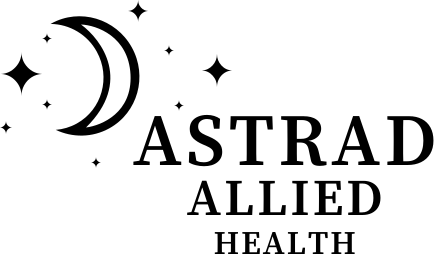
Mealtime Observation
Posture during eating, fatigue levels, coughing or throat clearing, voice quality changes after swallowing, and overall mealtime safety and independence.
Our registered speech pathologists conduct thorough clinical swallowing assessments for children and adults experiencing swallowing difficulties. We deliver mobile, telehealth, and clinic-based services across Australia. NDIS registered provider with flexible funding options available.

What We Evaluate
Our clinical swallowing assessments are comprehensive, examining all phases of the swallowing process to identify where difficulties occur and develop targeted management strategies.
Posture during eating, fatigue levels, coughing or throat clearing, voice quality changes after swallowing, and overall mealtime safety and independence.
Swallow initiation, airway protection, laryngeal elevation, and the efficiency of the swallow to move food and fluid safely past the airway into the oesophagus.
Lip closure, chewing ability, tongue movement, bolus formation, and the ability to safely control food and fluid in the mouth before swallowing.


Astrad Allied Health is an established provider of swallowing assessment services across Australia. Our registered speech pathologists have experience assessing and managing dysphagia across all age groups, from paediatric feeding difficulties to adult neurological swallowing disorders.
Learn About UsWho May Benefit From a Swallowing Assessment
Swallowing assessments can support a wide range of people experiencing difficulty with eating, drinking, or managing saliva safely. If you or someone you care for is experiencing any of these concerns, a clinical assessment may help.
Stroke can damage the nerves and muscles involved in swallowing. Our speech pathologists assess swallowing function after stroke, recommend safe diet textures, and provide rehabilitation strategies to support recovery of swallowing ability.
If you or someone you support has a progressive condition that may affect swallowing over time, proactive assessment can help maintain safe oral intake and quality of life for as long as possible.
NDIS participants with swallowing difficulties can access our assessment services through their plan. We provide detailed reports to support funding applications for mealtime management, modified diets, and ongoing speech pathology intervention.
Conditions such as Parkinson's disease, multiple sclerosis, motor neurone disease, and traumatic brain injury can affect swallowing function. Our assessments identify the specific swallowing changes and provide tailored management strategies.
Older adults in residential aged care or receiving home care may develop swallowing difficulties due to age-related changes, dementia, or other medical conditions. Regular swallowing assessments help maintain safe mealtimes and nutrition.
Children with developmental delays, neurological conditions, or structural differences may experience feeding and swallowing difficulties. Our speech pathologists assess paediatric swallowing and provide family-centred strategies to support safe feeding.
Our clinical swallowing assessment follows a structured, evidence-based approach to identify swallowing difficulties and develop a safe management plan.
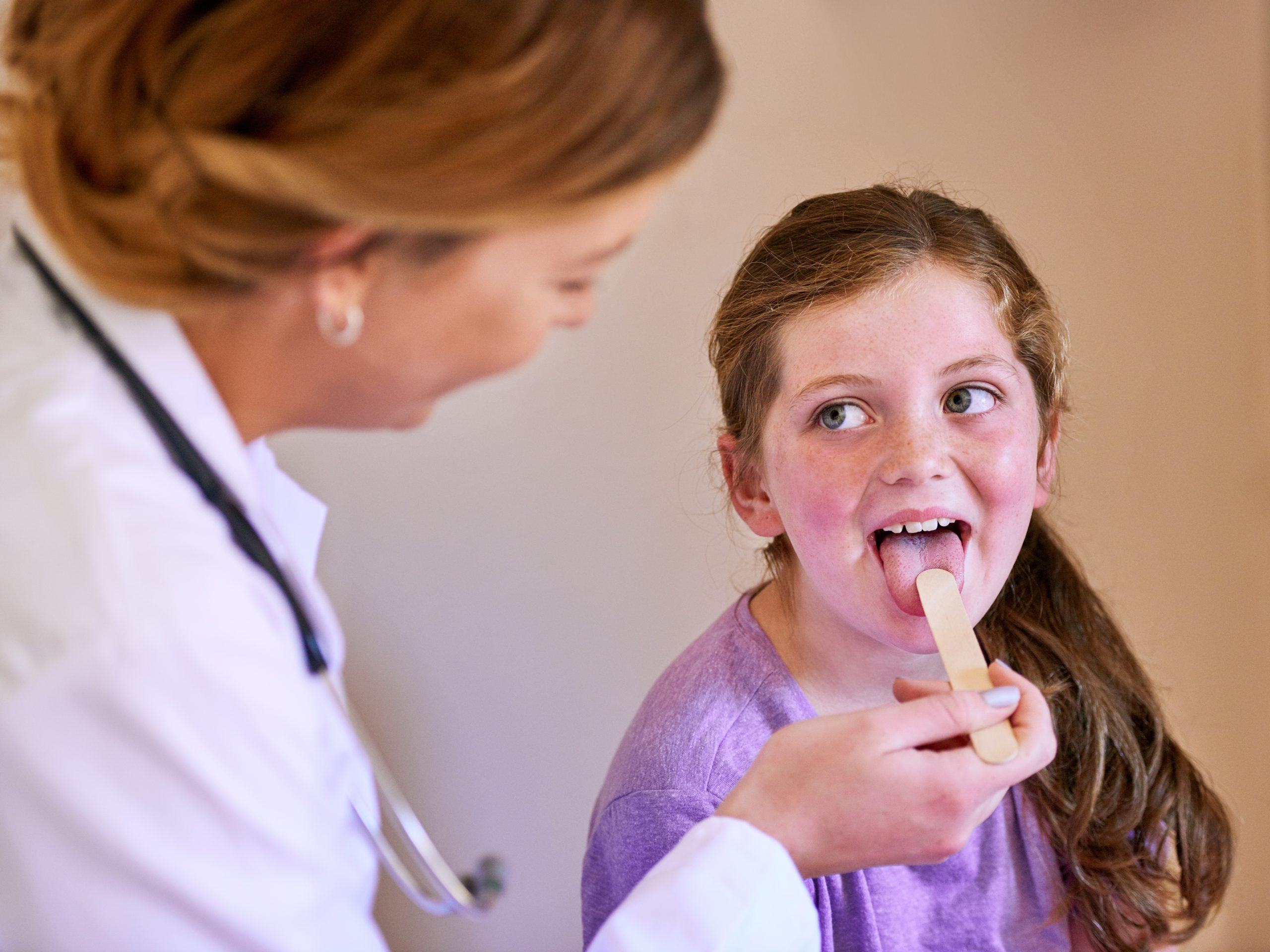
We begin by gathering your medical history, current symptoms, dietary intake, and any concerns about swallowing safety. This helps us understand the nature and duration of your swallowing difficulties and guides the assessment approach.
Our speech pathologist conducts a comprehensive bedside or clinical swallowing assessment, examining oral motor function, swallowing reflexes, and trialling foods and fluids of different textures to evaluate swallowing safety and efficiency.
You receive a detailed report with our clinical findings, diagnosis, recommended diet texture modifications, safe swallowing strategies, and a management plan. Reports are written to meet NDIS, aged care, and medical referral requirements.

Registered Speech Pathologists With Dysphagia Experience
We bring our swallowing assessment service directly to you. Our speech pathologists conduct assessments in your home, residential aged care facility, hospital, or community setting across Australia, removing the need for travel during a vulnerable time.
All our speech pathologists are registered with the Australian Health Practitioner Regulation Agency (AHPRA) and are certified practising members of Speech Pathology Australia. Our team maintains current training in dysphagia assessment and management.
Every swallowing assessment includes a detailed clinical report with findings, texture recommendations using the International Dysphagia Diet Standardisation Initiative (IDDSI) framework, safe swallowing strategies, and management recommendations for your treating team.
We understand the NDIS and aged care funding systems. Our swallowing assessment reports are written to meet funding requirements, whether you are plan-managed, self-managed, or accessing Home Care Packages and Commonwealth Home Support.
We focus on your goals, preferences, and quality of life. Our assessments consider not just swallowing safety, but your mealtime enjoyment, cultural food preferences, and social participation around meals.
Swallowing difficulties require prompt assessment to reduce aspiration risk. Our team works to schedule assessments quickly, with reports provided within a clinically appropriate timeframe to support timely intervention.
A swallowing assessment, also known as a dysphagia assessment, is a clinical evaluation conducted by a registered speech pathologist to identify difficulties with swallowing food, fluids, or saliva safely. Swallowing problems can occur at any age and may result from neurological conditions, stroke, head and neck surgery, developmental delays, or age-related changes. Without proper assessment, swallowing difficulties can lead to aspiration pneumonia, malnutrition, dehydration, and reduced quality of life. Early identification and management are essential for maintaining safe oral intake and overall health.
A swallowing assessment, also known as a dysphagia assessment, is a clinical evaluation conducted by a registered speech pathologist to determine how safely and effectively a person can swallow food, liquids, and saliva. The assessment examines all phases of the swallowing process, identifies any difficulties or aspiration risks, and provides recommendations for safe eating and drinking. Results are used to develop a management plan that may include diet texture modifications, swallowing exercises, positioning strategies, and referrals for further investigation if needed.
Signs that may indicate a swallowing difficulty include coughing or choking during or after eating and drinking, a wet or gurgly voice quality after swallowing, food or liquid coming back up through the nose, difficulty chewing or moving food around the mouth, pain when swallowing, taking a long time to finish meals, unexplained weight loss, or recurrent chest infections. If you or someone you support is experiencing any of these symptoms, a clinical swallowing assessment can help identify the cause and provide strategies to reduce risk and improve safety during mealtimes.
Yes, swallowing assessments are commonly funded through NDIS plans under the Capacity Building Supports category, specifically Improved Daily Living. Funding can cover the initial clinical assessment, follow-up therapy sessions, mealtime management plans, and reports for NDIS plan reviews or other providers. The amount of funding available depends on your individual plan goals and the level of support needed. Our team can help you understand how your NDIS plan applies to swallowing assessment services and ensure we work within your funding allocation.
During a clinical swallowing assessment, your speech pathologist will begin by gathering your medical history, current symptoms, dietary intake, and any concerns. They will then examine the muscles and structures involved in swallowing, including the lips, tongue, jaw, and palate. You will be asked to swallow different food textures and liquid consistencies while the speech pathologist observes for signs of difficulty such as coughing, delayed swallow initiation, or voice changes. The assessment is non-invasive and typically conducted in your home, aged care facility, or community setting through our mobile service.
Yes, many swallowing difficulties can be managed or improved with speech therapy. Depending on the nature and severity of the difficulty, your speech pathologist may recommend swallowing exercises to strengthen the muscles involved, strategies to improve swallow safety such as positioning techniques or swallow manoeuvres, diet texture modifications to reduce aspiration risk, and environmental changes to support safer mealtimes. Therapy is tailored to the individual’s specific swallowing profile, medical history, and personal goals. Regular reassessment ensures the management plan is adjusted as needs change over time.
Swallowing assessments can support a wide range of people, including stroke survivors, older adults in aged care or receiving home care, people living with neurological conditions such as Parkinson’s disease, multiple sclerosis, or motor neurone disease, NDIS participants with swallowing difficulties related to disability, children with developmental delays or feeding difficulties, and people recovering from head and neck surgery or cancer treatment. If there is any concern about swallowing safety, a clinical assessment is the first step toward identifying the issue and developing an appropriate management plan.
Booking a swallowing assessment is straightforward. You can request an appointment through our website or by calling our team directly. No GP referral is required, though we accept referrals from GPs, specialists, aged care facilities, hospitals, support coordinators, and other health professionals. Our registered speech pathologists deliver swallowing assessments through our mobile service across Queensland, New South Wales, Victoria, and Tasmania, coming to your home, aged care facility, or community setting. We work with NDIS participants, aged care providers, and families accessing private funding.
Contact us to discuss how our swallowing assessment services may support safer mealtimes. We offer mobile services across Australia, telehealth consultations, and flexible scheduling to meet your needs.
Book Your AssessmentAstrad Allied Health provides a range of occupational therapy and speech pathology services across Australia.
Registered occupational therapists providing support for daily living skills, independence and participation in work, school and community activities.
Assessment and recommendations for mobility equipment and assistive technology to support participation in daily activities across your environment.
Registered speech pathologists helping with communication, swallowing and language development across Queensland, NSW, Victoria and Tasmania.

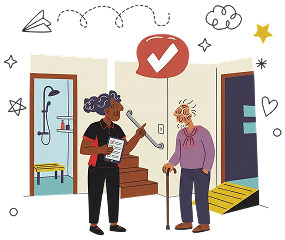
Professional home evaluations identifying modifications and equipment recommendations to improve safety, accessibility and independence.
Recommendations for assistive technology solutions like communication devices, computer access & adaptive equipment to support daily participation.

Complete allied health support including ongoing therapy sessions, rehabilitation programs and personalised interventions to address all your therapy needs.