Financial Management
Budgeting, shopping, bill payment, banking, money handling and financial decision-making are assessed in real-world contexts to determine what level of support you may require for financial independence.
Struggling to determine the right level of support for independent living? Astrad's AHPRA-registered occupational therapists conduct thorough NDIS SIL assessments that evaluate functional capacity, daily living skills and real-world support needs. Every assessment delivers the clinical evidence your NDIS application needs to secure funded Supported Independent Living — giving you the clarity to move forward with confidence.

Key Assessment Areas
A SIL assessment that misses critical domains leaves gaps in your NDIS evidence — and gaps can cost you the funding you need. Our SIL assessments cover every functional domain relevant to supported independent living, using validated clinical tools and real-world observation to build a complete, evidence-based picture of your abilities and support requirements.
Budgeting, shopping, bill payment, banking, money handling and financial decision-making are assessed in real-world contexts to determine what level of support you may require for financial independence.
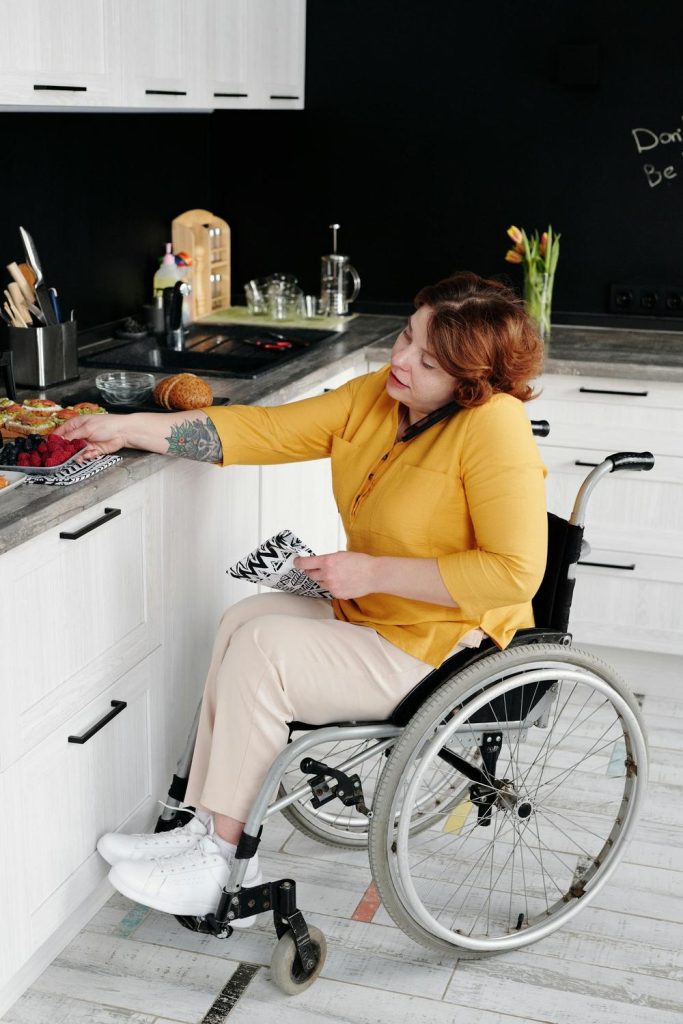
Meal planning, cooking, cleaning, laundry, waste management, basic home maintenance and household organisation skills are evaluated through practical task observation to reflect your true capacity.
Bathing, hygiene, dressing, grooming, toileting, medication adherence and health management routines are assessed for current independence levels, prompting needs and hands-on support requirements.
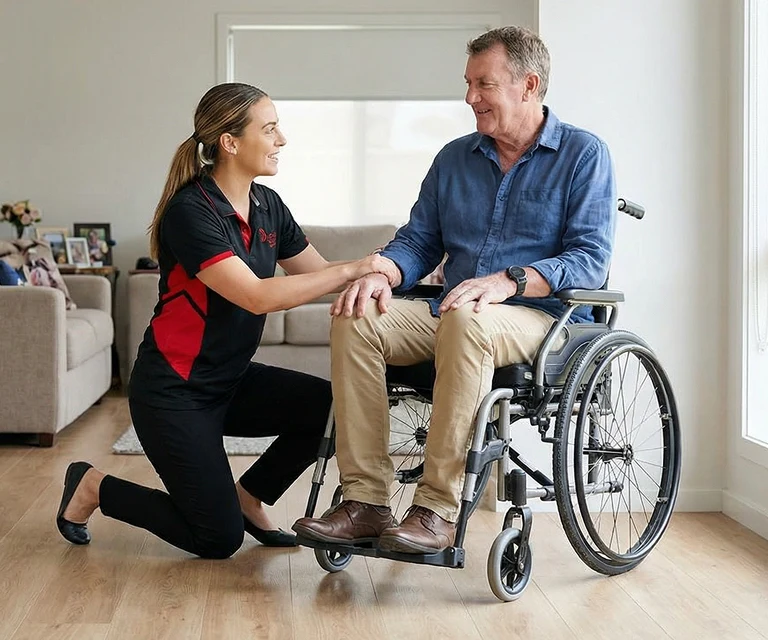
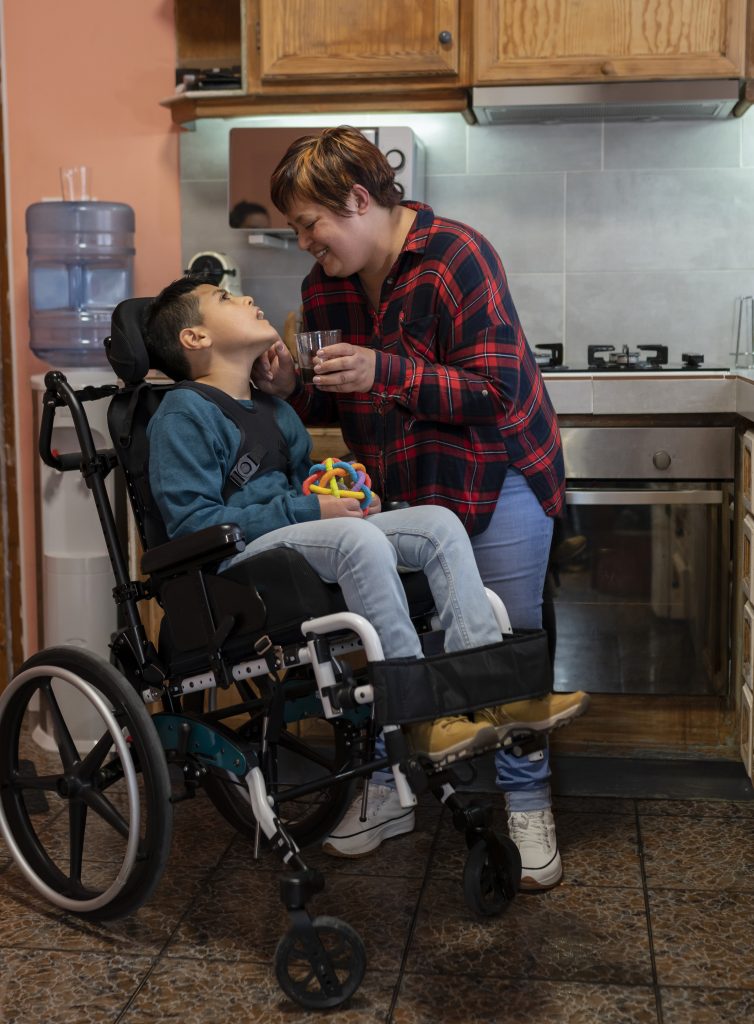
At Astrad, our AHPRA-registered occupational therapists take the time to understand your situation before, during and after your SIL assessment. We know that navigating the NDIS can feel overwhelming, and we are here to make the process as clear and straightforward as possible.
We work with NDIS participants, families and support coordinators across Queensland, New South Wales, Victoria, South Australia and Western Australia. Every SIL assessment we conduct is thorough, practical and written in a way that meets NDIS requirements for Supported Independent Living funding.
Our goal is simple: to give you a report that accurately reflects your needs and gives your planner the evidence required to move your application forward.
Who May Benefit from a SIL Assessment
Choosing the right supported living arrangement is one of the most significant decisions an NDIS participant can make. A SIL assessment provides the clear, objective clinical evidence that informs housing decisions, ensures support plans reflect actual needs, and strengthens NDIS funding applications for Supported Independent Living.
If you or a family member is considering moving into supported independent living, a SIL assessment provides objective evidence of readiness. It identifies current skill levels, support requirements and any skill development that may be beneficial before making the transition — reducing the risk of a mismatch between support level and actual need.
If your NDIS plan includes capacity building for independent living, a SIL assessment establishes a clear baseline of current abilities. From there, we identify skill development opportunities and set measurable goals that demonstrate progress and justify funding continuity at plan review.
For individuals in group home or residential settings seeking greater independence, a SIL assessment evaluates readiness for a supported independent living arrangement. Our report identifies which skills are already in place, which require development and what level of ongoing SIL support is clinically appropriate.
If you already live in supported independent living and your needs have changed — due to improved skills, health changes or life circumstances — a reassessment can ensure your current support level still reflects your functional capacity. Updated evidence is essential for NDIS plan reviews and SIL funding renewals.
NDIS SIL funding applications require strong clinical evidence. A comprehensive SIL assessment report from an AHPRA-registered occupational therapist provides the functional capacity findings, support level recommendations and clinical justification that NDIS planners and the NDIA rely on to approve SIL funding.
Young adults with disability who are ready to move out of the family home can benefit significantly from a SIL assessment. We evaluate independence across all daily living domains, identify where support will be most beneficial and provide the evidence families and NDIS planners need to plan a safe, supported transition.
Navigating the NDIS without the right clinical evidence can delay your supported independent living goals. Our structured, evidence-based SIL assessment process removes the guesswork, builds a clear picture of your functional capacity and delivers a report that meets NDIS requirements — from initial consultation through to final documentation.
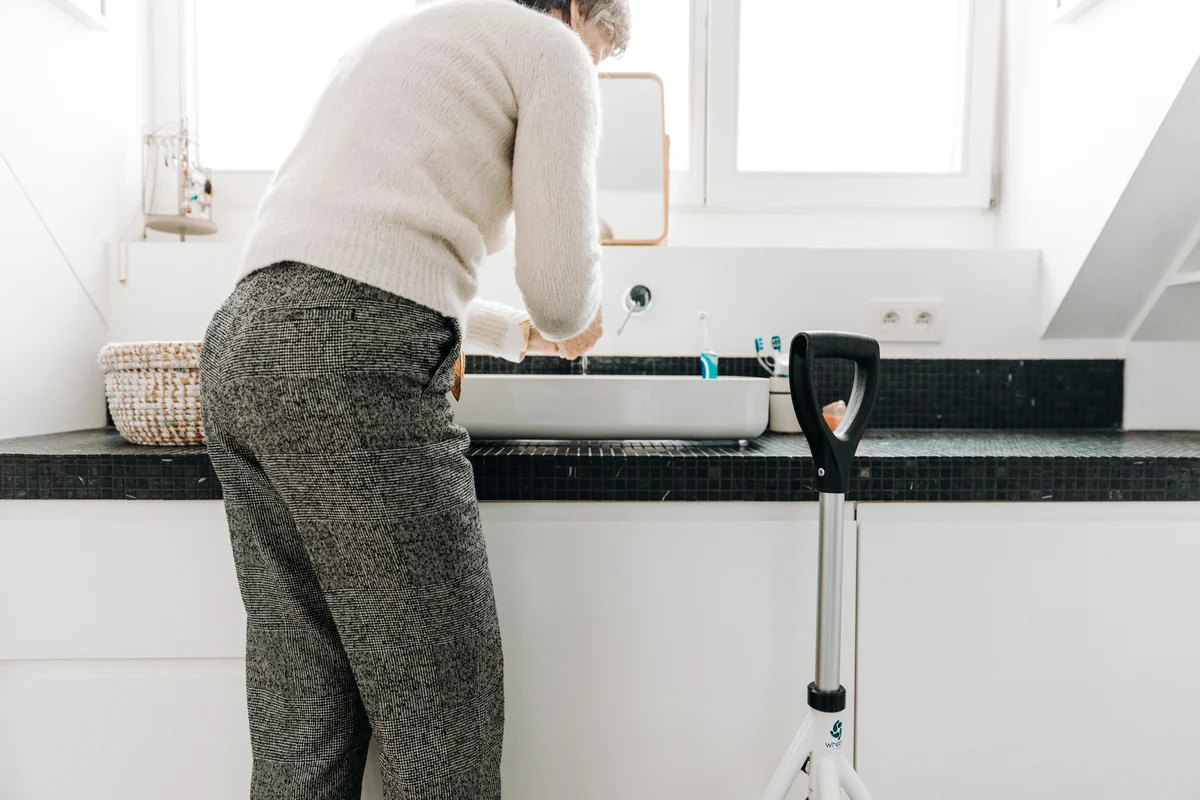
We begin with a detailed conversation about your current living arrangements, goals for supported independent living, existing support networks and any specific concerns or priorities. This consultation allows us to tailor the SIL assessment to your unique circumstances, ensuring no relevant domain is overlooked.
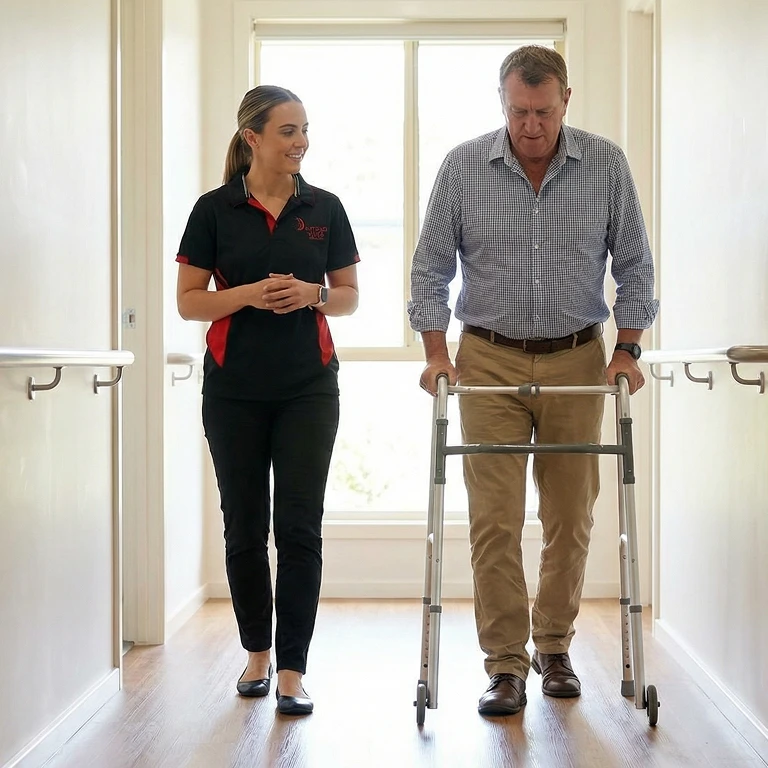
Our occupational therapist conducts a thorough in-person assessment of personal care, domestic tasks, community participation, health management and social engagement. We observe real-world task performance in your environment to evaluate current abilities accurately and identify support needs with precision — not assumption.
You receive a comprehensive, NDIS-formatted report documenting functional capacity findings, recommended support levels and the clinical evidence underpinning all recommendations. Our SIL assessment reports are specifically structured to meet NDIS requirements for Supported Independent Living funding applications and plan reviews.
Six Core Living Domains
Our SIL assessment evaluates showering, dressing, grooming, toileting and medication management to determine your current independence level for personal care tasks. This evidence directly informs whether prompting, supervision or hands-on assistance is appropriate in your supported independent living arrangement — and at what frequency.
We assess meal preparation, cooking safety, cleaning, laundry and shopping skills through practical task observation in real-world contexts. This functional testing captures organisational ability, task sequencing and safety awareness — all essential for determining the appropriate SIL support level for daily household tasks.
Our assessment evaluates your ability to access community services, navigate public transport, manage money and maintain social connections independently. Strong community participation skills can reduce the level of SIL support needed outside the home and demonstrate capacity for active, connected citizenship.
We evaluate risk awareness, emergency response, health condition self-management and decision-making capacity within the context of supported independent living. This domain determines what level of SIL support may be needed to maintain your safety while fully respecting your right to reasonable risk and personal autonomy.
Our assessment examines communication abilities, social interaction, conflict resolution and relationship management skills. These competencies are especially important for SIL arrangements involving shared housing with housemates and regular, ongoing support worker interaction.
Beyond documenting current abilities, our SIL assessment identifies realistic opportunities for skill development and increased independence over time. This capacity building focus ensures your SIL support plan includes clear pathways for growth — not just maintenance of existing function — which strengthens both your NDIS plan and your long-term outcomes.
If you or someone you care for is looking to move into supported independent living, or needs to justify SIL funding through the NDIS, a SIL assessment is the starting point.
A SIL assessment is a comprehensive occupational therapy evaluation that looks at how you manage daily life. An AHPRA-registered occupational therapist spends time with you in your environment, observing how you perform real tasks across personal care, household management, community participation, health management, communication and financial decision-making. These are not tick-box checklists. They are practical, evidence-based observations designed to reflect your actual abilities and where support would genuinely help.
The findings are written into a detailed SIL assessment report that is formatted to meet NDIS requirements. This report gives your planner and the NDIA the clinical evidence they need to determine whether low, standard or high SIL support funding is appropriate for your situation.
Astrad’s occupational therapists conduct mobile SIL assessments across Queensland, New South Wales, Victoria, South Australia and Western Australia. Whether you are applying for SIL funding for the first time or going through a plan review, we are here to make the process straightforward and well-supported.
The assessment visit typically takes 2 to 3 hours depending on the complexity of your needs. Before the visit, we have a brief consultation to understand your goals and current situation so the assessment is tailored to you. After the visit, you can expect to receive your completed SIL assessment report within 5 to 10 business days.
Yes. Our SIL assessment reports are written specifically to meet NDIS evidence requirements for Supported Independent Living funding. Each report includes clear functional capacity findings, recommended support levels and the clinical justification your planner needs to progress your application. Our team also has extensive experience with the NDIS SIL process and can guide you through what to expect.
If your skills have improved, your health has changed or your living situation has shifted, a reassessment can ensure your current SIL support level still reflects your actual needs. Updated clinical evidence is important for NDIS plan reviews and can help ensure your funding continues to match your circumstances.
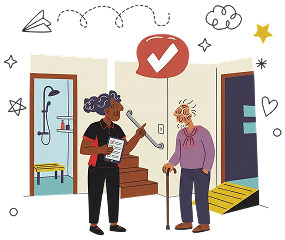
Home assessments are valuable for NDIS participants needing home modifications, older Australians wanting to age safely in place, people returning home after hospital stays or surgery, anyone experiencing falls or mobility difficulties, and families or carers looking to make their home environment safer and more manageable. Whether you need minor adjustments like grab rails or major modifications like bathroom renovations, a professional assessment provides the evidence and recommendations to get started.
Take the first step towards the right supported independent living arrangement. Astrad's AHPRA-registered occupational therapists provide mobile SIL assessments across Queensland, New South Wales, Victoria, South Australia and Western Australia. Contact our team today to discuss your assessment needs, ask any questions or book your SIL assessment at a time that suits you.
Request a SIL AssessmentAstrad Allied Health provides a full range of NDIS occupational therapy assessments to support your independence goals:
Comprehensive SIL assessment reports with evidence-based recommendations specifically designed to support NDIS-funded Supported Independent Living applications and plan reviews.
AHPRA-registered occupational therapists providing mobile assessments, therapy and daily living support for NDIS participants across Australia — in your home, at your convenience.
Thorough evaluations examining functional abilities, support needs and independence levels across home, community and work environments to inform NDIS plan goals and funding decisions.

Support coordination helping NDIS participants navigate services, connect with quality providers and implement their NDIS plans effectively for maximum independence outcomes.
Occupational therapy assessments recommending assistive technology, equipment and aids that may support greater independence in supported living environments and everyday life.

Professional assessments identifying home modifications, accessibility equipment and structural solutions that support safe, independent living for NDIS participants and older Australians.