

Evidence-Based Sensory Processing Occupational Therapy Across Australia
Occupational Therapy for Sensory Processing Disorder
Our AHPRA-registered occupational therapists provide evidence-based sensory processing occupational therapy to support children and adults with sensory processing difficulties across QLD, NSW, VIC and TAS.
Supporting Sensory Regulation and Daily Participation
Living with sensory processing difficulties can be challenging for individuals and families. Our sensory processing occupational therapy services support skill development, regulation strategies and environmental adaptations.

Evidence-Based Practice

Family-Centred Support

Flexible Funding Options

Individualised Care Plans
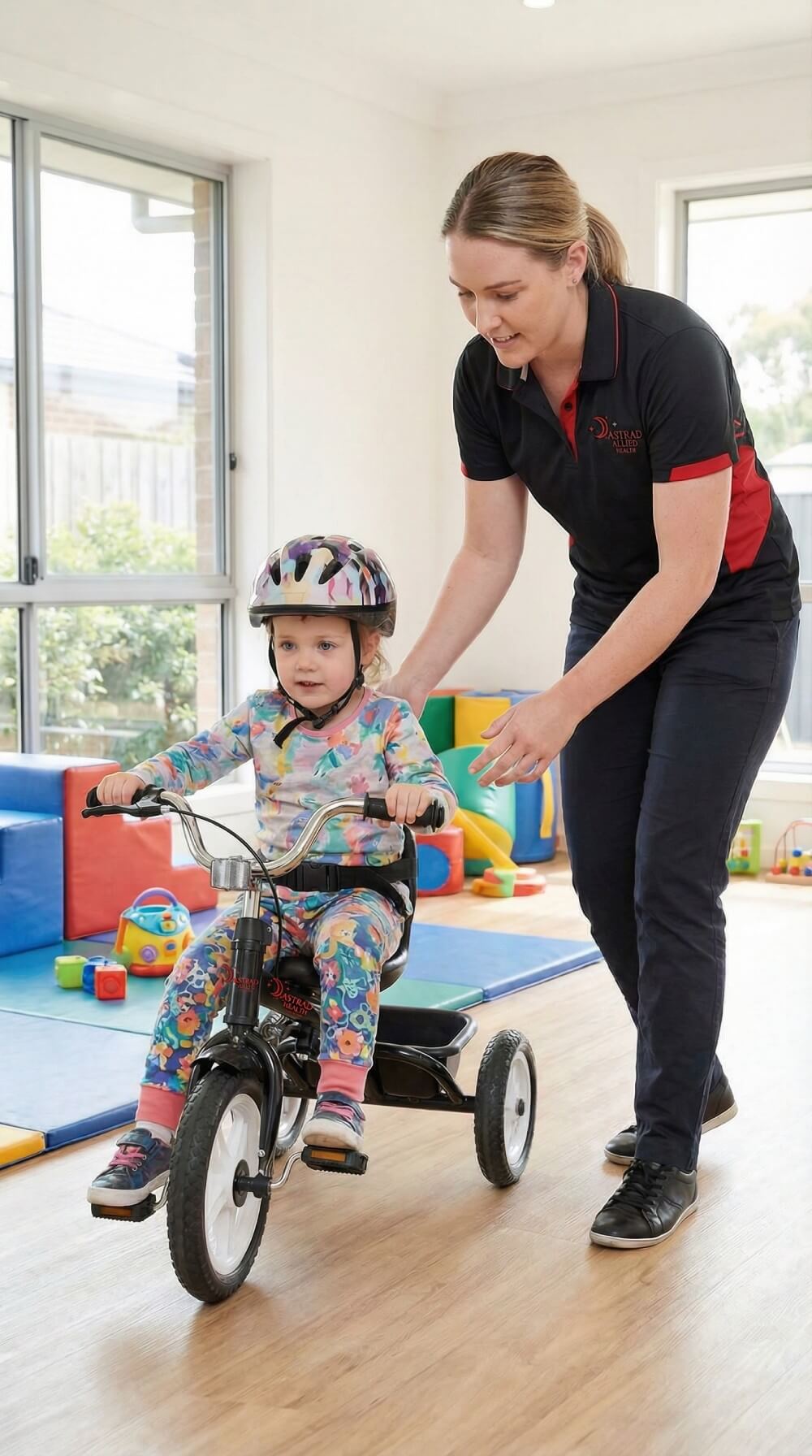
Our Approach to Occupational Therapy for Sensory Processing
Understanding
We take time to understand each person's unique sensory profile, including their sensitivities, preferences and how sensory processing affects their daily life.
Collaboration
We work closely with families, teachers and other health professionals to ensure sensory strategies are consistent and supported across all environments.
Accessibility
Our mobile services bring sensory processing occupational therapy to you, removing barriers to accessing quality support.
Evidence-Based
We use current research and proven sensory integration techniques to guide our therapy, ensuring you receive quality, effective intervention.

Why Choose Astrad for Occupational Therapy for Sensory Processing
Sensory Processing Occupational Therapy Services
Sensory Integration Focus
Our occupational therapists have specific training in sensory integration therapy approaches. We use evidence-based sensory processing occupational therapy techniques to help individuals better process and respond to sensory information.
Mobile Sensory Therapy Services
We bring sensory processing occupational therapy directly to you. Our mobile OTs deliver therapy in your home, school or community, addressing sensory challenges in real-world environments.
Whole-of-Life Approach
We work with children and adults across all life stages. From paediatric sensory processing support to adult SPD therapy, our team provides comprehensive care tailored to each individual's developmental needs.
NDIS Registered Provider
As a registered NDIS provider, we support participants with sensory processing difficulties to access funding for occupational therapy services. We also welcome private clients and can assist with other funding arrangements.
Practical, Measurable Goals
We focus on functional outcomes that matter to you and your family. Whether supporting a child to tolerate haircuts, improving focus in the classroom, or helping an adult manage sensory overwhelm at work.
AHPRA Registered Therapists
All our occupational therapists are registered with the Australian Health Practitioner Regulation Agency (AHPRA). You receive care from qualified professionals committed to evidence-based practice and ongoing professional development.
Understanding Sensory Processing Disorder
Sensory Processing Disorder (SPD) affects how the brain receives and responds to sensory information. Sensory processing occupational therapy uses evidence-based approaches to help individuals regulate their responses to sensory input.

- 1
Comprehensive Sensory Assessment
Our occupational therapists conduct thorough assessments to understand how your child processes sensory information, identifying specific sensory sensitivities and seeking behaviours that affect daily life.
- 2
Personalised Sensory Diet
We develop individualised sensory diets with specific activities and strategies designed to help regulate sensory input throughout the day, supporting focus, calm and participation in daily activities.
- 3
Ongoing Therapy & Support
Regular therapy sessions using sensory integration techniques, along with parent coaching and school collaboration, to support lasting progress in sensory processing and self-regulation.
Signs and Symptoms
Sensory Sensitivities (Hypersensitivity)
Overwhelmed by loud noises, bright lights or certain textures. May avoid certain foods due to texture, refuse certain clothing, become distressed in busy environments or cover ears frequently.
Sensory Seeking (Hyposensitivity)
Craves intense sensory input such as spinning, jumping, crashing into objects. May touch everything, seek out loud noises, have difficulty sitting still or appear to have high pain tolerance.
Motor Coordination Difficulties
Challenges with balance, coordination or body awareness. May appear clumsy, have difficulty with handwriting, struggle with sports or have trouble judging personal space.
Emotional Regulation Challenges
Difficulty managing emotions in response to sensory input. May have frequent meltdowns, become anxious in new environments, or struggle to calm down after sensory overload.
How Occupational Therapy Helps With Sensory Processing
Sensory processing occupational therapy uses specialised assessment tools and evidence-based techniques to identify sensory processing patterns and develop targeted interventions.
Our occupational therapists begin with a comprehensive sensory assessment, which may include standardised questionnaires, clinical observations and parent interviews. We look at how your child responds to different types of sensory input – touch, movement, sounds, visual stimuli, tastes and smells – to build a complete picture of their unique sensory profile. This detailed understanding forms the foundation of an effective sensory processing occupational therapy plan.
Every child experiences the world differently. Some children are overwhelmed by sensory input that others barely notice, while some actively seek intense sensory experiences to feel regulated. Sensory processing occupational therapy recognises these individual differences and works with your child’s nervous system, not against it. We help children understand their own sensory needs and develop strategies to navigate a world that can sometimes feel too loud, too bright or too unpredictable.
Therapy sessions are designed to be engaging and child-led, using play-based activities that provide the right type and intensity of sensory input. Sensory processing occupational therapy may include activities like swinging, climbing, deep pressure input, tactile play and movement games – all carefully graded to help your child’s nervous system learn to process sensory information more effectively.
Beyond direct therapy, our sensory processing occupational therapy approach includes practical support for home and school environments. We work closely with parents, teachers and carers to implement sensory strategies throughout the day – from morning routines to classroom accommodations. This collaborative approach ensures your child receives consistent support across all settings.
Progress in sensory processing occupational therapy often shows in everyday moments: a child who can now tolerate haircuts, join in at birthday parties, or sit comfortably through a family meal. These meaningful changes reflect improved sensory regulation and increased participation in the activities that matter most to your family.
FAQs About OT for Sensory Processing Disorder
What does occupational therapy for sensory processing involve?
Occupational therapy for sensory processing difficulties focuses on helping individuals better regulate and respond to sensory input from their environment. Our registered occupational therapists use evidence-based assessment tools to identify specific sensory challenges, then develop tailored intervention plans that may include sensory diets, environmental modifications, and therapeutic activities designed to support improved sensory regulation in daily life.
What are common signs of sensory processing difficulties in children?
Children with sensory processing difficulties may show a range of behaviours, including being overly sensitive to textures, sounds, or lights, or seeking out intense sensory experiences such as spinning or crashing into objects. Other signs can include difficulty with transitions, challenges in busy environments like classrooms or shopping centres, trouble with fine motor tasks, and strong reactions to certain clothing or food textures. If you notice these patterns, an occupational therapy assessment can help identify whether sensory processing differences are contributing.
Can NDIS funding cover occupational therapy for sensory processing?
Occupational therapy for sensory processing difficulties may be funded through the NDIS under Capacity Building supports, depending on your individual plan and goals. Our team works with NDIS participants across plan-managed, self-managed, and agency-managed arrangements. We can provide information about how our sensory processing services may align with your NDIS plan goals and assist with documentation where needed.
How long does occupational therapy for sensory processing take to show progress?
Progress timelines vary depending on each individual’s unique needs, goals, and the nature of their sensory processing differences. Some families notice changes in daily routines within a few weeks, while others may require a longer-term approach. Your occupational therapist will work with you to set measurable goals and regularly review progress to ensure the intervention plan continues to meet your needs.
Start Your Sensory Processing Therapy Journey
Take the first step towards support for sensory regulation and daily participation. Our experienced sensory processing occupational therapy team provides mobile services across Australia.
Book Your AssessmentOur Allied Health Services
Astrad Allied Health offers a comprehensive range of services to support your health and independence:
Mobile Occupational Therapy
Registered occupational therapists providing support for daily living skills, independence and participation in work, school and community activities.

Mobility Equipment Assessment
Assessment and recommendations for mobility equipment and assistive technology to support participation in daily activities across your environment.

Speech Pathology Services
Registered speech pathologists helping with communication, swallowing and language development across Queensland, NSW, Victoria and Tasmania.

Home Assessment & Modifications
Professional home evaluations identifying modifications and equipment recommendations to improve safety, accessibility and independence.

Assistive Technology Assessment
Recommendations for assistive technology solutions like communication devices, computer access & adaptive equipment to support daily participation.

Comprehensive Therapy
Complete allied health support including ongoing therapy sessions, rehabilitation programs and personalised interventions to address all your therapy needs.