
Aged Care Pathways (Over 65)
For people over 65, Home Care Packages and the Commonwealth Home Support Programme may fund occupational therapy services for Parkinson's disease management.
Parkinson's disease doesn't just affect movement. It reshapes how you dress, cook, walk through your home, and manage daily life. Gradual changes can make familiar tasks feel overwhelming.
Astrad Allied Health provides mobile occupational therapy for Parkinson's disease across QLD, NSW, VIC, and TAS. Our AHPRA-registered OTs come to you, assess how Parkinson's is affecting your daily function, and develop practical strategies to support your independence.

Evidence-Based Parkinson's OT
Parkinson's Australia and NICE guidelines recognise occupational therapy as an important component of Parkinson's disease management. Research supports task-specific training, compensatory strategies, and environmental modification for maintaining daily function. Studies show meaningful improvements in daily activity performance and carer wellbeing for people with Parkinson's who engage in OT.
For people over 65, Home Care Packages and the Commonwealth Home Support Programme may fund occupational therapy services for Parkinson's disease management.
NDIS Assistive Technology funding can support equipment recommendations for Parkinson's-related challenges, from adaptive utensils to complex communication devices.
People with Parkinson's under 65 who meet NDIS access criteria may be eligible for funded OT under the Capacity Building - Daily Activities support category.
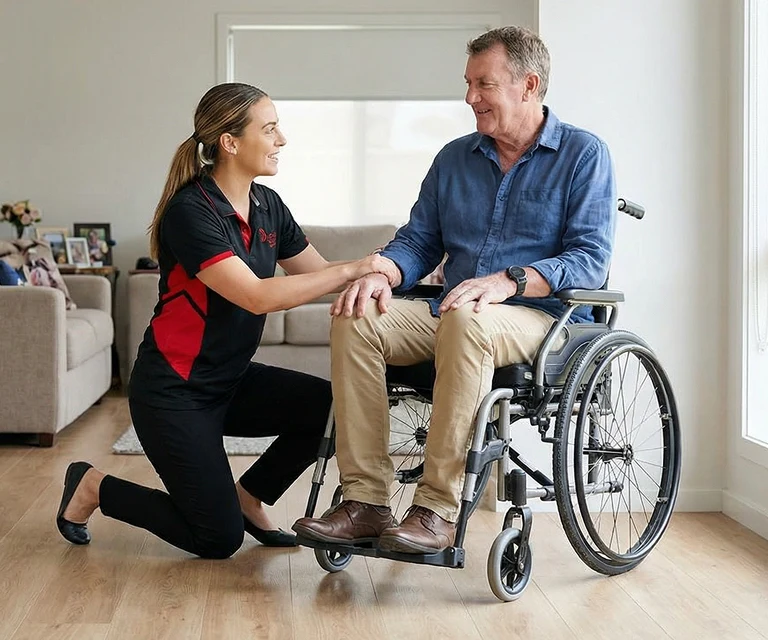

Parkinson's occupational therapy addresses a wide range of challenges across movement, fine motor control, fatigue, and daily independence.
Our approach is practical and home-based. Your OT comes to you, assesses your real environment, and tailors strategies to how you actually live. This means recommendations are directly relevant, whether that involves adapting your kitchen, modifying your morning routine, or introducing equipment that makes daily tasks easier and safer.
Accessing Parkinson's OT Through Funded Programs
Parkinson's OT is available through NDIS (under 65) and aged care pathways (over 65). NDIS can fund OT under Capacity Building - Daily Activities, with assistive technology funded separately. Home Care Packages and CHSP support older Australians. Astrad's team can clarify which pathway applies and provide reports to support funding applications.
NDIS participants with Parkinson's under 65 can access OT under Capacity Building - Daily Activities, including functional assessments and reports to support AT and home modification funding.
Proactive OT for progressive conditions like Parkinson's helps maintain function and independence over time. Contact our team to learn more about our services.
Astrad works with self-managed NDIS participants and private clients with Parkinson's. Contact our team to discuss your situation and the right pathway.
The CHSP is an entry-level program that may fund basic OT services for eligible older Australians living with Parkinson's.
Home Care Package holders can direct package funding toward Astrad's mobile OT services, supporting independence and safe living at home.
If your NDIS plan is plan-managed, Astrad coordinates directly with your plan manager to streamline service agreements and invoicing.
Getting started with Parkinson's occupational therapy at Astrad is straightforward. We handle the process from first contact to ongoing therapy, so you can focus on what matters.
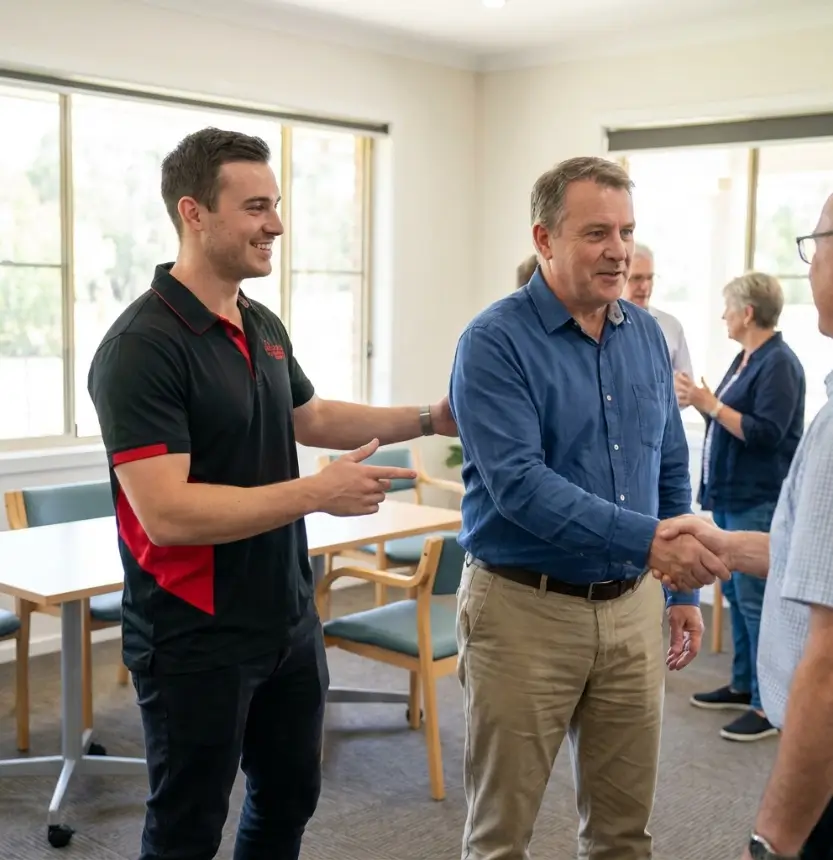
Call, email, or submit an enquiry online. Our team responds within 1-2 business days to discuss your needs and book your first appointment.
Your AHPRA-registered OT visits your home to assess how Parkinson's is affecting daily function, safety, and independence. We discuss your goals and current challenges.
We develop a personalised OT plan and begin regular home sessions. Your plan is reviewed and adjusted as your condition and goals evolve over time.
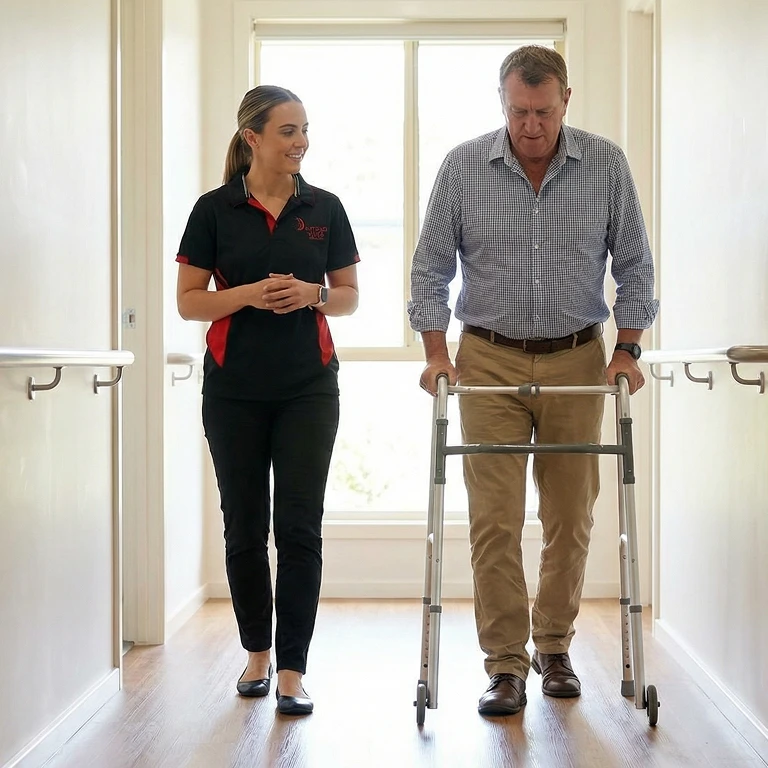
Best outcomes come from starting OT early.
Parkinson's symptoms fluctuate throughout the day as medication peaks and dips. OT develops practical strategies for daily tasks during both high-function and low-function periods, so you have tools for your whole day.
If Parkinson's is affecting communication or swallowing alongside daily function, Astrad provides both occupational therapy and speech pathology. One registered provider, coordinated care.
Our OTs communicate with your neurologist, GP, and physiotherapist to ensure therapy goals align with your broader Parkinson's management plan. Coordinated care produces better outcomes.
Goals at diagnosis look different from goals five years in. We set meaningful targets for where you are now and adjust your plan as your condition and priorities change over time.
Every Astrad assessment includes a detailed written report. This supports NDIS applications, Home Care Package requests, and home modification approvals with the clinical evidence funding bodies require.
Staying connected to hobbies, social activities, and community roles matters for wellbeing. OT identifies and removes the practical barriers that prevent people with Parkinson's from staying engaged.
Parkinson’s disease is progressive, and occupational therapy adapts alongside it. The earlier OT begins, the more it can do. Early intervention allows your therapist to establish a baseline, introduce preventive strategies, and build daily habits that protect function before challenges become severe. Research supports starting Parkinson’s OT within the first year of diagnosis.
As symptoms change, so does the focus of OT. Mid-stage Parkinson’s often brings greater motor fluctuation, fatigue, and changes to daily independence. Your OT introduces adaptive equipment, modifies your environment, and develops strategies for your specific symptom pattern, including how to manage tasks during medication off periods when symptoms are most pronounced.
In later stages, OT supports both the person with Parkinson’s and those who provide care. The focus moves toward preserving dignity, ensuring safe daily care, and maintaining the activities that contribute most to quality of life. Astrad’s mobile model means this support is available at every stage, without the barrier of clinic travel.
Your OT visits your home to observe how you manage daily tasks, including dressing, meal preparation, moving around your home, and anything becoming more difficult. They assess fine motor control, fatigue, home safety, and cognitive function before developing a personalised plan.
How often will I need OT sessions? Session frequency depends on your goals, stage of condition, and funding. Many clients start with weekly or fortnightly sessions during initial goal-setting, then move to monthly reviews as strategies are established. Your OT will recommend a schedule at your first assessment.
Yes. Our home assessment reports are specifically written to meet NDIS requirements for home modification funding. The report includes clinical justification for each recommendation, explaining why the modification is reasonable and necessary for your circumstances. Our team has extensive experience with NDIS processes and can guide you through the steps involved in requesting home modification funding through your plan.
Home assessments are valuable for NDIS participants needing home modifications, older Australians wanting to age safely in place, people returning home after hospital stays or surgery, anyone experiencing falls or mobility difficulties, and families or carers looking to make their home environment safer and more manageable. Whether you need minor adjustments like grab rails or major modifications like bathroom renovations, a professional assessment provides the evidence and recommendations to get started.
Parkinson's disease brings real challenges. With the right OT support, you can maintain independence, safety, and participation in the things that matter. Astrad's registered OTs come to you across QLD, NSW, VIC, and TAS. Book your assessment today.
Book an AssessmentAstrad Allied Health offers a comprehensive range of mobile services across QLD, NSW, VIC and TAS to support your health, independence, and quality of life.
Assistive devices and equipment assessed and prescribed to support independence at home and in the community.
Home safety assessments and modification recommendations to reduce falls and support daily living.

Detailed assessments for NDIS, insurance, legal, and workplace purposes.

AHPRA-registered OTs visiting your home across QLD, NSW, VIC and TAS.

Speech pathologists delivering communication, voice, and swallowing therapy in your home.

Coordinated OT and speech pathology addressing your full range of daily living goals.