Applying for supported independent living without the right evidence is one of the most common reasons NDIS funding requests stall. The NDIA requires detailed clinical documentation before approving SIL funding, and generic functional reports rarely provide the depth needed. A dedicated SIL assessment bridges that gap with targeted, evidence-based findings.
A SIL assessment is a specialised occupational therapy evaluation that examines your functional capacity across every domain relevant to independent living. Unlike broad assessments, it focuses specifically on the skills, support needs and independence potential that inform housing and funding decisions under the NDIS. Our AHPRA-registered occupational therapists combine standardised assessment tools with real-world observation to produce reliable findings the NDIA recognises.
The assessment covers personal care independence, domestic living skills, community participation, health and safety management, communication abilities and goal-setting potential. Each domain is documented with specific findings that support your application for the most appropriate level of SIL support. Many participants also benefit from pairing their SIL assessment with a functional capacity assessment to build a more comprehensive evidence base.
Why SIL Assessments Matter for NDIS Funding
Without strong clinical evidence, NDIS SIL funding applications face significant hurdles. Incomplete documentation can lead to delays, requests for further information, or rejection. The cost of getting it wrong is measured in months of waiting and uncertainty about your living arrangements.
A professional SIL assessment report from an AHPRA-registered occupational therapist provides the evidence the NDIA needs to make informed decisions. Our reports clearly articulate functional capacity findings, recommended support levels and the clinical rationale behind each recommendation. We understand what the NDIA looks for in these reports and structure our documentation accordingly.
The detail we provide aims to reduce the likelihood of appeals or requests for additional information. Every recommendation includes clinical justification and functional impact evidence. This thorough approach can strengthen your application and support better outcomes at your NDIS plan review. Many participants also benefit from our broader NDIS assessment services to address multiple areas of their plan simultaneously.
What Sets Astrad’s SIL Assessments Apart
Too many SIL assessments follow a tick-box approach that captures data without context. The result is reports that technically meet minimum requirements but fail to tell your story. When the NDIA reads a generic report, they have less evidence to justify the support level you actually need.
Our approach is different. We spend time understanding your unique circumstances, personal goals and support preferences. Whether you are transitioning from the family home, moving from residential care or seeking to adjust your current arrangements, each assessment is tailored to your situation. We also consider environmental factors, community access opportunities and the personal goals that matter most to you.
This holistic perspective ensures recommendations support not just basic function but quality of life, choice and control. Our occupational therapists delivering mobile occupational therapy across Australia bring extensive NDIS experience and understand how to document findings in a way that resonates with NDIA planners and support coordinators.
The Six Functional Domains We Assess
Personal care independence covers bathing, grooming, dressing, toileting, medication management and health routines. We assess your current independence level for each task and determine whether prompting, supervision or hands-on assistance may be needed. This detailed breakdown helps establish the appropriate support ratio for your SIL arrangement.
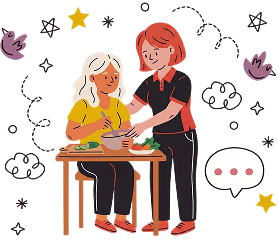
Domestic living skills assessment examines meal preparation, cooking safety, cleaning, laundry, household organisation and shopping abilities. Rather than asking whether you can cook, we observe you planning and preparing a meal. This practical approach reveals organisational skills, safety awareness and task completion abilities that self-report alone cannot capture.
Community participation evaluates your ability to access local amenities, use public transport, manage money and maintain social connections. Health and safety management examines risk awareness, emergency response and decision-making abilities. Communication and social skills covers verbal and non-verbal communication, conflict resolution and relationship management. Finally, goal setting and skill development identifies realistic opportunities for growth within your SIL support plan.
How the SIL Assessment Process Works
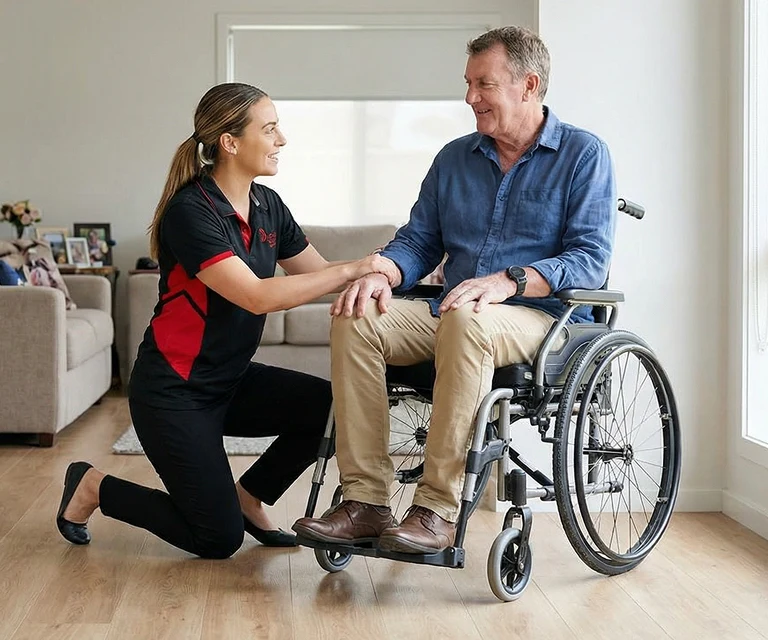
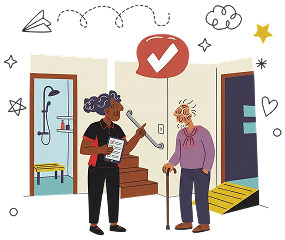
Our SIL assessment typically takes 2 to 4 hours, depending on individual circumstances. We conduct assessments in your current living environment wherever possible, providing the most accurate picture of functional capacity in a real-world context rather than a clinical setting.
For participants still living with family, we may recommend assessment in a more independent setting. Family members naturally step in to help, which can mask true capabilities. Assessing in a neutral environment gives a clearer picture of what you can manage independently. The assessment combines standardised evaluation tools with functional observation and structured interview to demonstrate abilities in action.
Following the assessment, our occupational therapist prepares a comprehensive written report, typically delivered within 7 to 10 business days. The report includes detailed findings, a functional capacity summary, support level recommendations and evidence supporting NDIS funding decisions. Participants often combine SIL assessments with home modification assessments to ensure their living environment supports their independence goals.
Understanding SIL Support Levels
SIL support levels range from low to high intensity based on the frequency and type of assistance required. Low support typically involves overnight or rostered support, with participants managing most daily tasks independently. Medium support includes rostered assistance during waking hours with some independent time. High support involves 24/7 active assistance across most functional domains.
Getting the support level wrong has real consequences. Too little support puts safety and wellbeing at risk. Too much support restricts independence and costs more than necessary. Our SIL assessment report clearly recommends the support level that aligns with your functional capacity and safety needs, backed by detailed clinical rationale.
This evidence-based justification helps the NDIA understand exactly why a particular support level suits your circumstances. It can strengthen your funding application and reduce the risk of appeals or funding inadequacies. For participants who may also need assistive technology, we can coordinate with our assistive technology assessment service to ensure comprehensive coverage.
Capacity Building Within Supported Independent Living
A key component of our SIL assessment is identifying opportunities for skill development and increased independence. The NDIS recognises that supported independent living should include capacity building where possible, not just maintenance of current function. Our assessment documents where growth is realistic and what strategies can support it.
We assess your learning style, motivation and potential to develop new skills across all functional domains. Recommendations might include cooking skills development, money management training, community access programs or social skills building. Each recommendation is grounded in clinical observation and linked to measurable goals.
Many participants work with our comprehensive therapy team on ongoing capacity building following their initial assessment. Regular reassessment allows us to track progress, adjust support strategies and provide updated evidence for NDIS plan reviews. This structured approach can help ensure your SIL support plan evolves as your skills grow.
When to Request a SIL Assessment Review
Circumstances change, and your support needs may increase or decrease over time. A reassessment may be appropriate if you have experienced significant health changes, developed new skills that could reduce support requirements, or if your current support level no longer matches your abilities.
Changes in personal goals, living situation or life stage may also warrant reassessment. NDIS plan reviews are an ideal time to request an updated SIL assessment, particularly if your circumstances have shifted since your last evaluation. Fresh evidence helps plan managers and support coordinators understand whether support levels should change.
Our occupational therapists conduct reassessments and provide updated reports that reflect your current situation. This ensures your SIL support arrangements remain appropriate, responsive and aligned with where you are today. A thorough home assessment may also be recommended alongside a reassessment to evaluate whether your physical environment continues to support your independence goals.
Book a SIL Assessment With Astrad Allied Health
Astrad Allied Health provides comprehensive SIL assessment services across Queensland, New South Wales, Victoria, South Australia and Western Australia. Our AHPRA-registered occupational therapists bring extensive NDIS experience and understand the complexities of supported independent living funding.
We deliver detailed, evidence-based reports that meet NDIS requirements and can support your independence goals. Our mobile service means we come to you, conducting assessments in your current or planned living environment for the most accurate functional capacity evaluation. Every report is designed to provide the clinical depth the NDIA needs to make informed funding decisions.
Contact our team to discuss your SIL assessment needs, ask questions about the process, or request an assessment. Whether you are applying for SIL funding for the first time, reviewing current arrangements or planning a transition to greater independence, our occupational therapists are here to provide the evidence and recommendations you need.