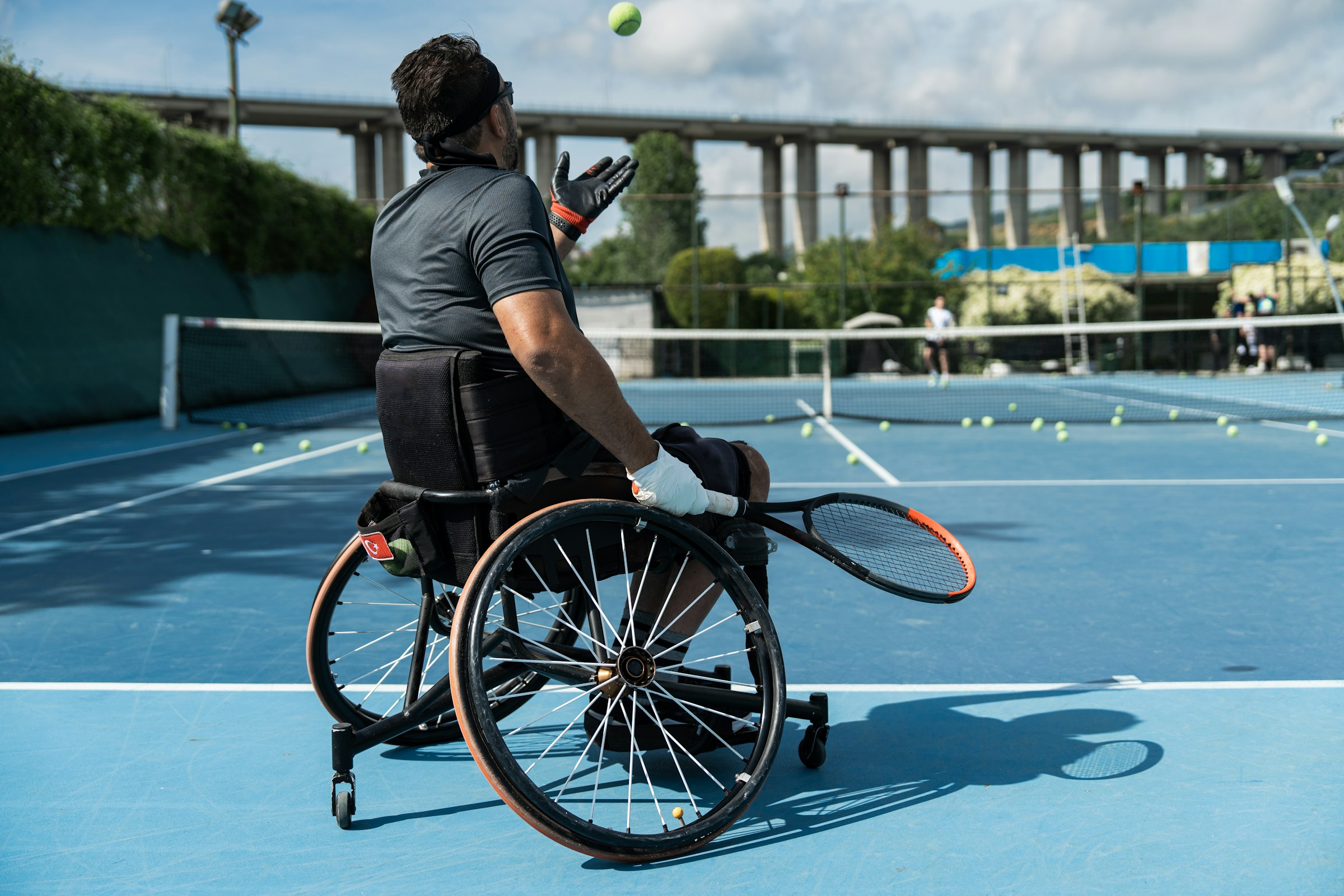

Maintaining independence in daily life represents one of the most fundamental aspects of human dignity and wellbeing. For individuals living with disability, recovering from injury, managing chronic conditions, or navigating the natural process of ageing, the ability to perform everyday tasks without constant assistance directly impacts quality of life, self-esteem, and mental health. Yet the path to maintaining this independence isn’t always straightforward. Tasks that once seemed automatic can become overwhelming when cognitive, physical, or sensory abilities change. This is where the strategic use of checklists to maintain independent living tasks becomes transformative—providing structure, reducing anxiety, and empowering individuals to take control of their daily lives with confidence and autonomy.
What Are Independent Living Tasks and Why Do They Matter?
Independent living tasks fall into two distinct categories, each requiring different levels of cognitive and physical capability. Understanding these categories helps clarify where support may be needed and how checklists can be most effectively applied.
Activities of Daily Living (ADLs) represent the fundamental personal care tasks essential for maintaining basic independence. Established by Sidney Katz in 1950, ADLs measure functional abilities and serve as critical indicators of quality of life. The six basic ADLs include bathing (cleaning the entire body), dressing (putting on clothing and managing fasteners), toileting (using the toilet and cleaning up afterward), transferring (moving in and out of bed or chairs), continence (controlling bladder and bowel functions), and feeding (transferring food from plate to mouth independently).
Instrumental Activities of Daily Living (IADLs) involve more complex tasks requiring higher-level cognitive and organisational skills. These activities are necessary for independent living in the community but extend beyond basic self-care. According to the American Occupational Therapy Association, the twelve IADLs include managing finances and budgeting, maintaining the household, managing health and medications, preparing meals, communicating with others, shopping for essentials, using transportation, home establishment and maintenance, caring for clothing and personal items, using communication devices, making safety and emergency decisions, and engaging in social and community participation.
When individuals struggle with ADLs or IADLs, they experience diminished quality of life, increased dependence on others and mobility devices, and heightened risk of harm without proper care. The ability to perform these tasks independently doesn’t just affect practical daily functioning—it fundamentally shapes self-perception, social engagement, and overall wellbeing.
How Do Checklists Support Daily Living and Independence?
Using checklists to maintain independent living tasks provides a structured, evidence-based approach to managing the complexities of daily life. Well-designed checklists serve multiple functions that address both practical and psychological barriers to independence.
The Core Benefits of Checklist Implementation
Breaking Complex Tasks Into Manageable Steps
Checklists transform overwhelming activities into smaller, sequential steps that are easier to understand and complete. This breakdown reduces cognitive load and makes tasks less anxiety-inducing. Rather than facing the daunting prospect of “prepare dinner,” an individual encounters a clear sequence: gather ingredients, wash vegetables, turn on stove, cook proteins, assemble meal. Each completed step provides a sense of progress and accomplishment.
Providing Structure and Predictability
Structured routines with visual or written checklists provide clarity about what needs to be done and in what order. This predictability reduces anxiety and confusion, particularly for individuals with cognitive impairments, autism spectrum disorders, attention-deficit/hyperactivity disorder, or dementia. Knowing exactly what comes next eliminates the mental burden of constantly making decisions about task sequencing.
Supporting Memory and Recall
Checklists act as external memory aids, reducing reliance on working memory. This proves invaluable for individuals experiencing age-related memory decline, cognitive impairment from disability, or conditions affecting executive function. Rather than trying to remember every step of medication management or household cleaning, the checklist serves as a reliable reference that never forgets.
Promoting Genuine Autonomy
By providing clear guidance on task completion, checklists enable individuals to perform activities with minimal supervision or prompting. This promotes a sense of control and self-determination that is central to human dignity. The ability to say “I can do this myself” fundamentally differs from accepting help for every task, even when the underlying support structure (the checklist) remains present.
Building Confidence Through Achievement
Successfully completing tasks tracked on a checklist creates a tangible sense of accomplishment. Even small successes—ticking off “brush teeth” or “take morning medication”—can be incredibly motivating and contribute to improved self-confidence and mental wellbeing. Visual evidence of completed tasks combats the negative self-perception that often accompanies needing support.
Documented Benefits of Daily Living Skills Checklists
Research on independent living skills for adults with disabilities has identified five key benefits from consistent checklist use:
- Increased self-confidence and self-esteem through tracking progress and celebrating completed tasks
- Reduced stress and anxiety via structure and clarity about daily expectations
- Improved independence and autonomy through clear task guidance requiring less reliance on others
- Enhanced overall wellbeing and quality of life from the sense of control and accomplishment
- Improved communication with support systems by facilitating clear understanding between individuals, families, and professional support providers
What Types of Checklists Are Most Effective for Independent Living?
Different individuals benefit from different checklist formats depending on their cognitive abilities, learning preferences, sensory capabilities, and specific challenges. The most effective approach involves personalising checklist design to match individual needs.
Visual Schedules and Picture-Based Checklists
Visual schedules are pictorial representations of tasks or events that occur throughout a day, week, or for specific activities. They serve as a roadmap, guiding individuals through routines with clarity and predictability. These schedules can range from simple stick figures depicting morning routines to sophisticated digital applications with interactive elements.
Visual schedules prove particularly effective because they tap into the brain’s natural affinity for visual processing, making information more accessible and easier to remember. For individuals who struggle with verbal instructions but respond well to visual cues, these schedules bridge the gap between expectation and understanding.
Picture-based schedules use clear, simple images such as photographs or cartoon-style drawings, perfect for people who prefer visual learning or have reading difficulties. Text-based schedules use words and written descriptions, suitable for those who can read and prefer written instructions. Object-based schedules use physical items to represent activities, particularly effective for individuals with visual impairments or those benefiting from tactile learning. Digital and app-based schedules offer interactivity, customisation, and portability, often engaging for technology-savvy individuals.
For individuals with dementia, visual schedules using clear pictures or symbols of daily activities have proven particularly effective. Large calendars with pictures or symbols help with recognition, whilst periodic reminders from caregivers gently prepare residents for upcoming activities. Visual cues and reminders improve memory engagement, reduce confusion, and promote more predictable participation.
Standardised Assessment-Based Checklists
Occupational therapists commonly use standardised assessment tools that function as comprehensive checklists for evaluating and monitoring independent living capabilities. The table below compares key assessment tools used in Australian occupational therapy practice:
| Assessment Tool | Focus Areas | Scoring Method | Best Used For |
|---|---|---|---|
| Katz ADL Scale | 6 basic ADLs (bathing, dressing, toileting, transferring, continence, feeding) | 0-6 points (1 per independent task) | Quick baseline assessment of basic self-care abilities |
| Barthel Index | 10 basic ADLs including mobility and grooming | 0-20 scale (maximum independence to maximum disability) | Tracking progress over time in rehabilitation settings |
| Lawton IADL Scale | 8 IADLs (telephone, shopping, meals, housekeeping, laundry, transport, medications, finances) | 0-8 scale assessing complex task performance | Planning community living and intervention strategies |
| PASS (Performance Assessment of Self-care Skills) | 26 tasks across 163 subtasks in 4 functional areas | Criterion-referenced subtask rating | Identifying specific points of task breakdown for targeted intervention |
| COPM (Canadian Occupational Performance Measure) | Client-identified performance concerns and satisfaction | 1-10 scales for performance and satisfaction | Client-centred goal setting and measuring subjective improvements |
| RUG-ADL (Australian) | 4 ADLs (bed mobility, toileting, transfer, eating) | 4-18 total score (4 categories scored 1-5) | Determining support needs in aged care settings |
Home Safety and Aging in Place Checklists
The American Occupational Therapy Association provides comprehensive “Safe at Home” checklists designed to help older adults assess their homes for safety and accessibility. These checklists address multiple areas including entryways, bathrooms, kitchens, stairs, bedrooms, and general safety considerations.
Critical areas covered in home safety checklists include bathroom modifications (grab bars, non-slip surfaces, raised toilets, handheld shower heads), stair and entryway safety (handrails on both sides, contrasting strips on stair edges, adequate lighting, step-free entries), kitchen adaptations (lever-style faucets, adjustable appliances, slide-out drawers, task lighting), and fall prevention measures (removing loose rugs, maintaining clear pathways, securing cords, using short-pile carpet).
These environmental checklists complement personal task checklists by creating safer spaces that support independent task completion with reduced injury risk.
How Can Occupational Therapists Help With Checklist Development?
Occupational therapists bring specialised knowledge to the development and implementation of checklists for maintaining independent living tasks. Their training in activity analysis, environmental modification, and person-centred care positions them uniquely to create effective checklist systems.
The Occupational Therapy Assessment Process
Occupational therapists use a top-down approach that identifies occupations that are challenging and important to the client, then assesses related performance skills, client factors, environments, and performance patterns. This client-centred approach ensures that assessments and interventions remain meaningful and aligned with individual goals.
In Australia, WorkSafe Victoria specifies that occupational therapists conducting Activities of Daily Living Assessments must conduct comprehensive functional assessments, directly observe functional capacity in performing household tasks, identify strategies to maximise independence, consider reasonable contributions of other household members, contact treating medical practitioners and therapy teams, discuss recovery and service plans with relevant parties, and provide clear clinical justification for all recommendations.
Personalised Checklist Design
Occupational therapists excel at creating personalised checklists that account for individual cognitive abilities, physical capabilities, sensory preferences, environmental contexts, and personal goals. They understand that a checklist for a young adult recovering from stroke differs significantly from one designed for an elderly individual living alone or a person with intellectual disability learning to manage their own household.
The development process typically involves:
- Comprehensive assessment using standardised tools to establish baseline functioning
- Collaborative goal-setting with the client to identify priorities and desired outcomes
- Task analysis breaking down complex activities into manageable component steps
- Format selection choosing visual, text-based, or hybrid checklist formats based on client preferences and abilities
- Trial and refinement testing the checklist in real-world situations and adjusting based on feedback
- Support system integration ensuring family members, support workers, and other providers understand and can support checklist use
Cognitive Strategies for Enhanced Effectiveness
For individuals with cognitive impairment affecting their ability to manage daily living tasks, occupational therapists recommend evidence-based strategies to enhance checklist effectiveness:
Repetition and written reminders help reinforce learning and support recall of important information. Structured sessions with reduced pace help individuals with attention difficulties by avoiding information overload. Healthy behaviours and routines including social and leisure activities and stress reduction strategies like mindfulness support cognitive function. Step-by-step problem-solving breaks goals into smaller, manageable tasks for individuals with planning and organisational difficulties. Self-monitoring and cue cards provide external support for individuals with impulse control challenges.
What NDIS Support Is Available for Independent Living Skills Development?
The National Disability Insurance Scheme explicitly recognises and funds support for independent living skills development, including the implementation and use of checklists to maintain independent living tasks.
NDIS Funding Categories and Eligibility
NDIS support for daily living skills falls under “Capacity Building Supports,” with participants accessing funded programmes designed to improve their ability to live independently and interact confidently in their community. Funding for daily living skills may appear under line items such as Development of Daily Living and Life Skills, Training for independence in travel and transport, Support with managing money and making decisions, Social and community participation supports, and Occupational therapy or behavioural therapy to enhance life skill outcomes.
Common NDIS-Funded Life Skills Development Areas
NDIS participants can access support for developing skills in cooking and kitchen safety (planning and preparing meals, managing kitchen appliances safely, food safety practices), using public transport (learning routes, understanding timetables, managing payments), personal safety (home safety practices, emergency response, community safety awareness), communication and conflict resolution, daily routines and time management (establishing consistent routines, managing time effectively), meal planning and nutrition, household management (cleaning, laundry, basic home maintenance), financial management and budgeting, medication management, and shopping and errands.
Supported Independent Living (SIL)
Supported Independent Living represents a significant type of NDIS support specifically designed for individuals with higher support needs who require assistance with daily tasks around the home. SIL helps individuals live as independently as possible whilst building skills in a shared or individual living arrangement.
SIL funding includes help or supervision with tasks like personal care, meal preparation, household chores, and managing appointments. Critically, the goal extends beyond mere supervision to foster the development of life skills necessary for sustained independence. Checklists form a fundamental component of SIL support, providing structure and promoting skill development whilst reducing reliance on direct prompting.
How Can Technology Enhance Checklist Use for Daily Living Tasks?
Modern assistive technology offers expanded possibilities for implementing and managing checklists to maintain independent living tasks, particularly for individuals with sensory impairments or those who engage well with digital platforms.
Low-Tech Solutions Remain Essential
For individuals with vision impairment, low-tech solutions remain essential and are often the first choice for routine activities of daily living. Tactile labels including bump dots, textured stickers, or braille labels work effectively on appliances, medications, laundry settings, and clothing. Colour contrast and lighting improvements including bold colour markings, high-contrast cutting boards, and improved task and ambient lighting support visual task completion. Organisation systems with pre-sorted clothing, labelled storage, and consistent item placement reduce cognitive load. Auditory cues including talking clocks, kitchen timers, and audio-marked measuring cups provide non-visual task support.
Digital and AI-Powered Solutions
High-tech options, particularly those powered by artificial intelligence and smart devices, expand possibilities for daily living support. Voice assistants like Amazon Echo and Google Home provide reminders, smart lighting control, and appliance operation through voice commands. AI reading devices such as OrCam MyEye and Microsoft Seeing AI read text aloud and identify objects, supporting task completion for individuals with vision impairment. Navigation aids including WeWalk Smart Cane and Wayband assist with mobility for safe community participation.
Technology-Based Checklist Applications
Various applications and digital tools specifically support independent living through sophisticated checklist functionality. Task management applications provide reminders, to-do lists, and scheduling capabilities that sync across devices. Medication management applications track dosing schedules with customisable reminders and provide records for healthcare providers. Finance and budgeting applications offer digital tools for money management with visual spending trackers. Shopping list applications allow voice-input grocery lists that can be shared with support workers or family members. Voice-activated systems enable hands-free control for setting reminders and managing task schedules, particularly valuable for individuals with mobility limitations.
Balancing Technology With Individual Needs
Whilst technology offers powerful enhancements to checklist use, the most effective approach matches the technological complexity to individual comfort levels and capabilities. Occupational therapists assess cognitive abilities, sensory preferences, existing technology familiarity, fine motor skills for device operation, and willingness to learn new systems when recommending technology-enhanced checklists.
For some individuals, a simple paper checklist with large print and clear checkboxes proves most effective. Others thrive with sophisticated digital systems that provide auditory reminders, visual cues, and progress tracking. The key lies in person-centred assessment and selection rather than assuming more technology automatically equals better outcomes.
Creating Sustainable Checklist Systems for Long-Term Independence
The ultimate value of using checklists to maintain independent living tasks emerges not from their initial creation but from their sustained use over time. Several factors contribute to creating sustainable checklist systems that genuinely support long-term independence.
Personalisation Remains Crucial
Checklists must be tailored to individual needs, abilities, circumstances, and preferences. Generic checklists downloaded from the internet rarely provide the specific guidance needed for meaningful task completion. Effective personalisation considers the individual’s cognitive processing style, sensory preferences, cultural background, living environment, support network, and personal goals.
Regular Review and Adjustment
Checklists should be considered “living documents” that evolve with the individual’s needs and progress. Regular reviews—monthly for rapidly changing situations, quarterly for stable circumstances, and annually for all individuals—help identify needed adjustments. As skills improve, checklists can be simplified to promote greater independence. Conversely, when new challenges emerge, checklists can be expanded to provide additional support.
Integration With Support Systems
Effective checklists integrate seamlessly with existing support systems rather than creating additional burden. Family members, support workers, and healthcare providers should understand the checklist system, know how to reinforce its use without creating dependence, recognise when adjustments may be needed, and celebrate achievements marked on the checklist.
Building Intrinsic Motivation
Whilst external structure initially drives checklist use, long-term sustainability requires developing intrinsic motivation. This emerges through experiencing genuine benefits (reduced stress, increased accomplishment, greater autonomy), receiving positive feedback from others, developing pride in independent task completion, and internalising the checklist’s structure into natural routines.
Early Implementation Yields Better Outcomes
Implementing checklists and associated modifications early in the ageing process or after diagnosis of disability helps prevent crises and maintains independence longer. Early intervention allows gradual skill-building, reduces anxiety about future challenges, establishes helpful routines before they become critical, and prevents the loss of confidence that accompanies sudden inability to manage previously routine tasks.
Moving Forward With Confidence
Using checklists to maintain independent living tasks represents more than simply ticking boxes on a piece of paper. These tools embody a philosophy of empowerment, recognising that with appropriate structure and support, individuals can maintain dignity, autonomy, and control over their daily lives despite facing cognitive, physical, or sensory challenges.
Whether you’re an NDIS participant seeking to develop greater independence, a family member supporting a loved one’s autonomy, or a professional provider implementing best-practice strategies, well-designed checklists offer a pathway to meaningful improvement in daily functioning and quality of life. The evidence consistently demonstrates that when personalised to individual needs, regularly reviewed and adjusted, and integrated with appropriate support services and assistive technology, checklists significantly enhance an individual’s capacity to live independently.
As we progress through 2026 and beyond, the integration of traditional occupational therapy wisdom with emerging assistive technologies will continue expanding possibilities for independence. Yet the fundamental principle remains constant: providing structure that promotes autonomy rather than creating dependence. Checklists to maintain independent living tasks achieve this balance, offering support that empowers rather than constrains, that builds confidence rather than highlighting limitations, and that celebrates each completed task as evidence of capability and resilience.
How do I know if checklists would help me or my family member maintain independence?
Checklists benefit individuals who experience difficulty remembering task sequences, feel overwhelmed by complex activities, or need structure to reduce anxiety. An occupational therapist can conduct a comprehensive assessment to determine whether checklists, and which format, would be most beneficial.
Can the NDIS fund occupational therapy assessments and checklist development for independent living skills?
Yes, the NDIS funds occupational therapy services under Capacity Building Supports. This funding covers comprehensive assessments, personalised checklist development, training in checklist use, ongoing reviews, and recommendations for assistive technology.
What’s the difference between visual schedules and written checklists for daily tasks?
Visual schedules use pictures or symbols to represent tasks, making them ideal for those with reading difficulties or cognitive impairments, while written checklists rely on text and are suited for individuals comfortable with reading and processing written information. Many benefit from a hybrid approach that combines both elements.
How often should checklists for independent living tasks be reviewed and updated?
Review frequency depends on individual circumstances. For those in changing situations, monthly reviews are recommended, while individuals with stable routines might review quarterly or annually. Adjustments should be made based on changes in skills, living situations, or feedback from support systems.
Can using checklists actually increase independence, or do they just replace one form of dependence with another?
When properly designed and implemented, checklists increase independence by providing structure that individuals control. They serve as temporary scaffolds to help build task completion skills, eventually enabling users to perform activities with reduced reliance on external prompts.