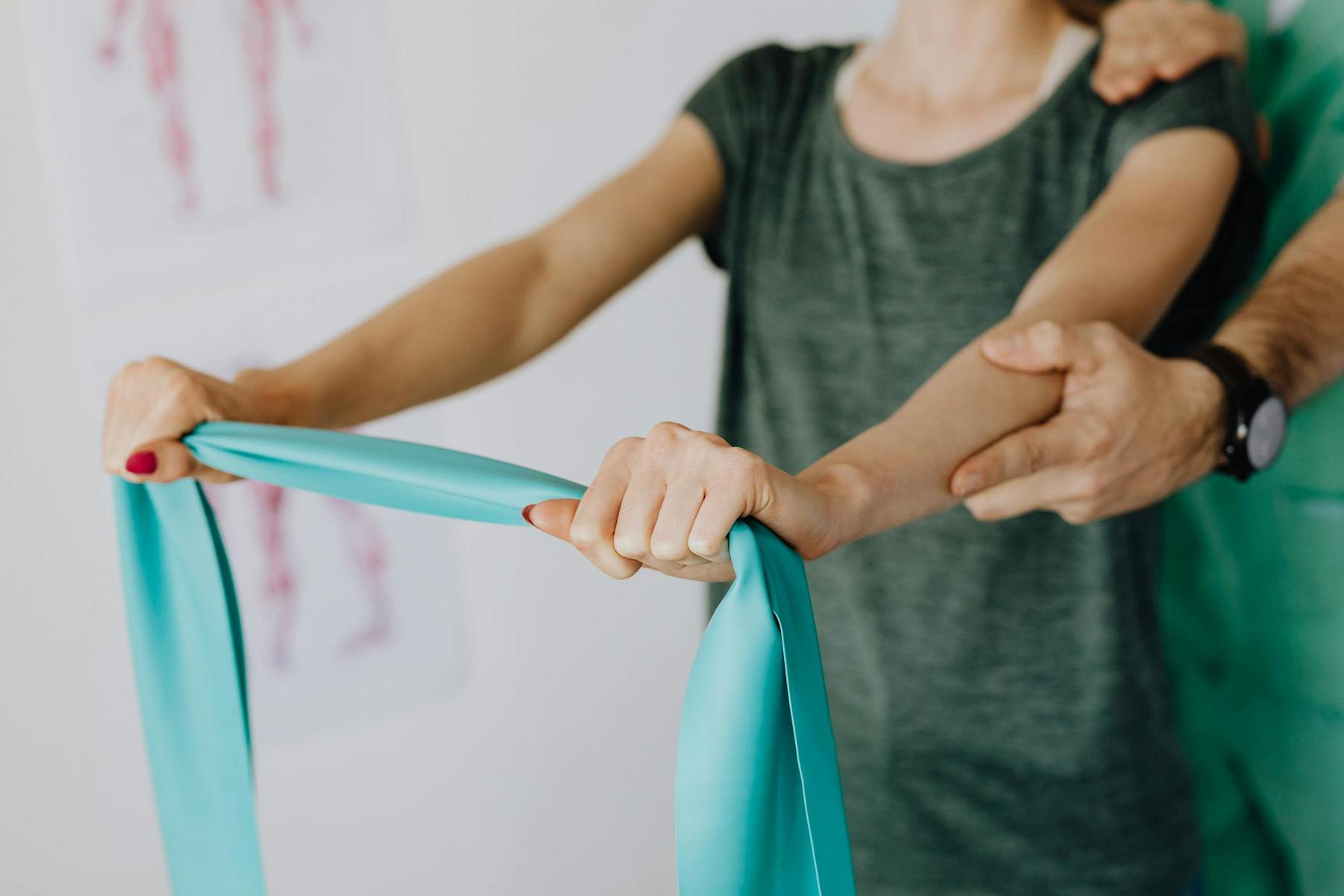
Upper-limb impairment affects many stroke survivors, altering their ability to carry out everyday activities and participate in community life. For individuals and families navigating recovery across Queensland, New South Wales, Victoria, and Tasmania, understanding the role of comprehensive assessment can support informed rehabilitation planning. Beyond physical challenges, emotional and practical difficulties—such as dressing, meal preparation, or other daily tasks—highlight the potential value of occupational therapy involvement.
Evidence-informed assessment approaches blend standardised measurement instruments, clinical observation, and personalised evaluation to establish current function, monitor change, and help guide intervention strategies. A broad range of tools is available to assess motor control, performance of everyday tasks, bilateral function, sensory processing, and environmental factors, each offering unique insights into recovery potential and ongoing needs.
Common Upper-Limb Assessment Tools
Choice of tools often depends on the stage of recovery, individual goals, and setting. Examples of widely used instruments include:
• Fugl-Meyer Assessment – Upper Extremity (FMA-UE)
– Covers shoulder, arm, wrist and hand movement sequences
– Maximum score 66; high reliability across stroke populations
– Sensitive to changes in motor control over time
• Action Research Arm Test (ARAT)
– Nineteen tasks across grasp, grip, pinch and gross movements
– Maximum score 57; hierarchical task arrangement allows streamlined administration
– Demonstrates strong reliability and responsiveness in diverse recovery stages
• Chedoke Arm and Hand Activity Inventory (CAHAI)
– Focuses on bilateral functional tasks identified as meaningful by survivors
– Uses a seven-point scale; several versions available to suit different contexts
– Emphasises real-world relevance and shows robust psychometric properties
Additional measures—such as fine dexterity tests, time-based performance scales, and patient-reported outcomes—can complement these primary instruments, offering a richer picture of functional abilities and participation.
Timing of Assessments
Assessment is generally undertaken at multiple stages, tailored to individual health status, recovery phase, and care context:
• Early stage
– As soon as the person is medically stable, initial evaluation often focuses on safety, basic motor function, and establishing baseline measures.
• Intermediate stage
– During the period of active recovery, more comprehensive assessments can help track progress, inform adjustments to therapy intensity, and address emerging goals.
• Later stage
– In the months following stroke, periodic reassessment supports long-term planning, detection of new needs or plateaus, and strategies for sustained participation and quality of life.
The specific frequency and timing of reassessment may vary according to clinical judgment, service availability, and individual preference.
Occupational Therapy’s Holistic Approach
Occupational therapy practitioners typically adopt a multidimensional evaluation framework, considering:
• Body structures and functions (motor, sensory, cognitive domains)
• Activity performance (self-care, instrumental tasks)
• Participation and environmental factors (home, community, social supports)
Key components often include:
– Task observation in naturalistic settings
– Analysis of daily living activities (bathing, dressing, cooking, etc.)
– Sensory assessments (touch, proprioception, stereognosis)
– Environmental appraisal (accessibility, safety, supports)
This holistic lens supports goal-directed planning that reflects what matters most to each individual.
Technological Innovations in Assessment
Modern assessment may be enhanced by technology, delivering more objective data and engaging formats:
• Smart devices with sensors can track movement patterns and force distribution.
• Virtual reality and gaming platforms may offer standardised, motivating environments for measuring performance.
• Predictive analytics and machine learning hold promise for integrating multiple data sources to inform prognosis and personalised planning.
Such tools are increasingly tested alongside traditional instruments to ensure validity and meaningful clinical application.
Australian Context: Guidelines and Service Models
In Australia, stroke management guidelines encourage use of validated tools and systematic reassessment along the care continuum. The National Disability Insurance Scheme (NDIS) has expanded opportunities for community-based and participant-directed services, including mobile and telehealth options. These models aim to enhance accessibility and functional relevance, though specific approaches can differ by region and service provider.
What tools are most commonly used for upper-limb assessment after stroke?
Widely adopted instruments include the Fugl-Meyer Assessment (motor impairment), Action Research Arm Test (functional performance) and Chedoke Arm and Hand Activity Inventory (bilateral tasks), often supplemented by dexterity tests and patient-reported measures.
How soon after stroke can assessments begin?
Evaluations typically start once the individual is medically stable, with early screening to guide immediate care and baseline measurement.
Can assessments be conducted at home?
Yes. Many standardised assessments can be adapted for home environments, offering insights into real-world performance and removing some access barriers.
What is the occupational therapy role in these assessments?
Occupational therapy practitioners integrate task analysis, environmental review, sensory evaluation, and patient-centred goal setting to link impairments with daily performance and participation outcomes.
How often should upper-limb function be reassessed?
Reassessment frequency is personalised but generally involves multiple evaluations during active recovery and periodic reviews thereafter, driven by changes in function, goals, or care plans.