When mobility challenges arise—whether from ageing, injury, or disability—the home that once felt safe and comfortable can suddenly present unexpected barriers. A simple step at the doorway becomes an insurmountable obstacle. The bathroom that once provided privacy now poses significant safety risks. These everyday challenges face millions of Australians, with close to 500,000 households containing adults aged 65 and over with disability reporting a need for home adaptations. Understanding the distinction between temporary and permanent solutions can mean the difference between maintaining independence and facing unnecessary reliance on others.
What Are Temporary Home Adaptations and When Should They Be Used?
Temporary home adaptations are short-term modifications designed for easy installation and removal once they’re no longer needed. These solutions address immediate recovery needs or short-term mobility challenges without making lasting structural changes to the property.
Common temporary adaptations include portable ramps providing wheelchair access to entrances, shower chairs and grab bars for bathroom safety, adjustable bed rails preventing falls, raised toilet seats, handheld showerheads, and bath boards with transfer benches. These modifications typically cost between $100 and $5,000, making them accessible options for many households.
When Temporary Adaptations Make Sense
Temporary home adaptations work particularly well for post-surgical rehabilitation, recovery from acute illness, or temporary mobility restrictions expected to resolve within weeks to months. They also suit renters facing lease restrictions on permanent modifications, or situations where the duration of need remains uncertain.
The installation process for temporary solutions often takes just one day, with minimal effort required and no ongoing structural commitments. This makes them ideal for testing equipment suitability before committing to permanent changes, or managing short-term post-hospitalisation needs.
However, temporary adaptations have limitations. They’re less durable than permanent solutions, offer limited customisation options, and aren’t suitable for long-term or progressive conditions. The equipment may appear institutional rather than integrated into the home’s design, and repeated replacement costs can accumulate over time.
What Defines Permanent Home Adaptations and Their Long-Term Benefits?
Permanent home adaptations involve long-term structural and non-structural changes designed to improve home accessibility and safety for chronic conditions or ageing in place. These modifications create lasting accessibility solutions that can serve individuals for years or decades.
Comprehensive Permanent Modification Options
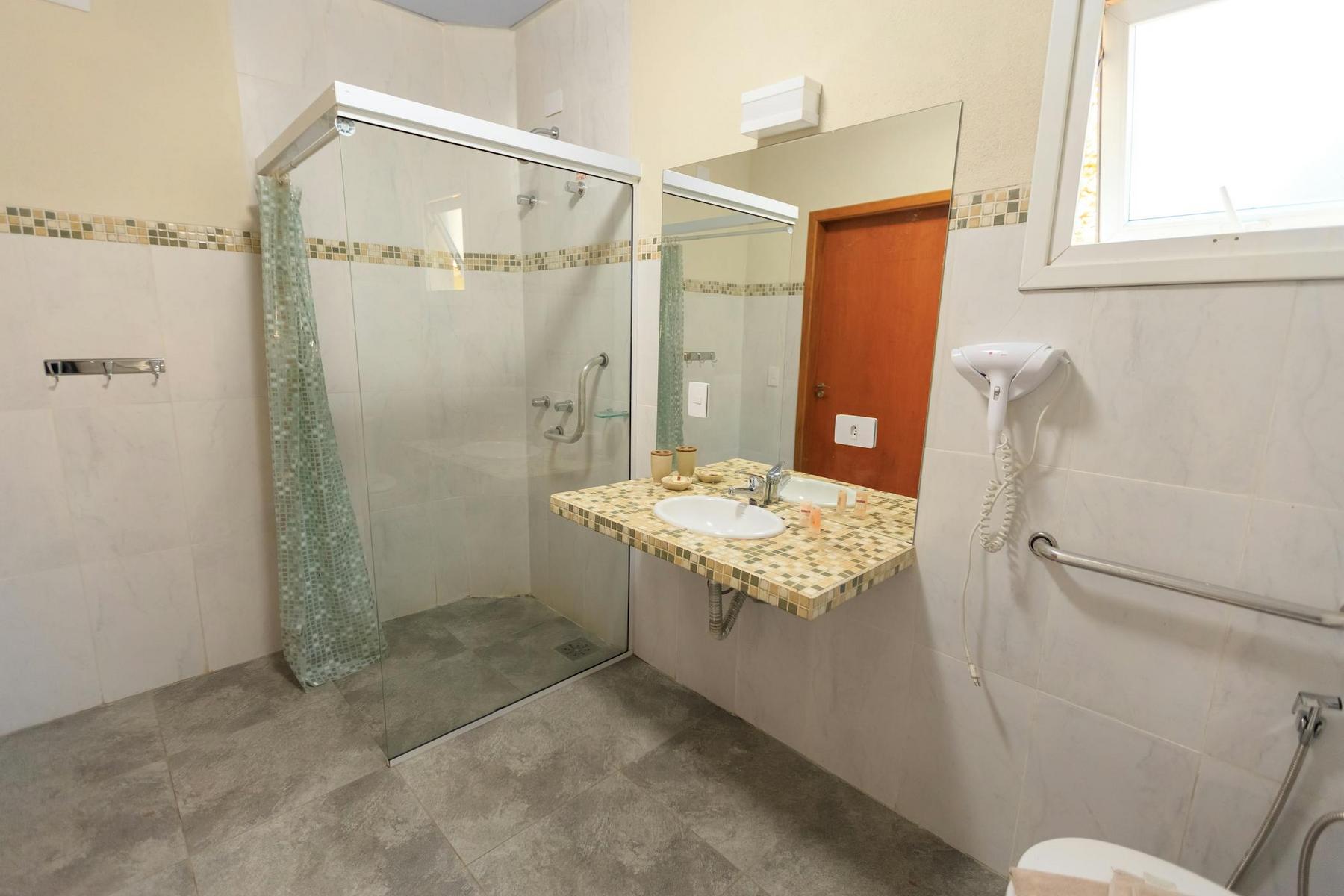
Permanent adaptations range from widening doorways and hallways for wheelchair access to installing stairlifts or elevators. Bathroom remodels may include walk-in showers, built-in grab bars, and raised toilets. Kitchen modifications often involve lowering countertops, whilst non-slip flooring replacements, threshold removal and levelling, and lever-style door handles improve accessibility throughout the home.
More complex permanent modifications include automatic sliding doors, motion-sensor lighting systems, ceiling hoist installation for transfers, master bedroom relocation to entry level, and smart home automation systems. These solutions typically require professional installation and may need building permits and certifications.
Investment Considerations
Whilst permanent home adaptations require higher upfront investment—ranging from $3,000 to $82,000 or more depending on scope—they provide long-term value. Research shows that incorporating accessibility features into new builds costs as little as 1% of total building costs, compared to approximately $20,000 for retrofitting an existing home. This demonstrates the significant cost advantage of planning accessibility from the design phase.
Permanent modifications increase property value and market appeal whilst ensuring long-term independence. Professional installation ensures compliance with Australian Standards and building codes, and integrated design maintains the home’s aesthetic appeal. Studies demonstrate that these modifications reduce ongoing care needs, with weekly care hours reduced by 42% post-modification.
How Do I Decide Between Temporary and Permanent Home Adaptations?
Choosing between temporary vs permanent home adaptations depends on several interconnected factors that require careful consideration.
Duration and Progression of Need
The expected timeframe of mobility limitations serves as the primary decision factor. Temporary solutions suit recovery periods expected within weeks to months, whilst permanent adaptations address long-term or lifelong conditions, progressive diseases, and ageing-related decline.
Research from the English Longitudinal Study of Ageing demonstrates that housing adaptations prove most effective when implemented early for preventive purposes. For individuals planning to remain in their homes for five years or more with anticipated ongoing needs, permanent modifications typically provide better value and outcomes.
Budget and Financial Planning
Temporary adaptations offer lower upfront costs with minimal installation expenses, making them suitable for limited budgets or testing solutions before permanent commitment. However, the National Disability Insurance Scheme (NDIS) and the Support at Home programme provide funding pathways for permanent modifications that can make them financially viable.
Under the NDIS framework, home modifications are categorised into three levels: Category A (under $10,000), Category B ($10,000-$20,000), and Category C (over $20,000). The Support at Home programme, introduced in November 2025, offers tiered funding from $500 to $15,000 or more with evidence, specifically for assistive technology and home modifications.
Property Ownership Status
Home ownership significantly influences adaptation choices. Renters face lease restrictions that often limit permanent modifications, though some landlords may approve changes in long-term tenancies. Temporary solutions provide flexibility for rental situations, leased properties requiring restoration upon departure, or short-term housing arrangements.
Property owners possess complete control over modifications and can appreciate the investment through increased property value. Since October 2023, the Livable Housing Design Standard requires new residential housing to include step-free access, slightly wider internal doors and corridors, and reinforced bathroom walls for future handrail installation—demonstrating policy support for permanent accessibility features.
Current and Future Accessibility Requirements
Occupational therapy assessment identifies both current capabilities and anticipated future needs. Research shows 65% of studies confirm the effectiveness of home modifications in fall prevention and functional independence, with bathroom modifications, grab bars, and stair railings proving most impactful.
For individuals with progressive conditions, planning for future needs alongside current requirements ensures modifications remain suitable as capabilities change. This person-centred approach balances safety with independence and dignity whilst addressing practical functionality.
What Does the Evidence Tell Us About Home Adaptation Effectiveness?
Research demonstrates substantial benefits from both temporary and permanent home adaptations across multiple outcome measures.
Measured Quality of Life Improvements
A 2022 study involving 15 adapted homes found reductions in perceived difficulty performing activities of daily living of 93.4% in bathrooms and 100% in kitchens. Quality of life improved by 9.8%, whilst fear of falling reduced by 12.5%. Notably, 100% of participants reported satisfaction with their modifications, with 72% indicating they were very satisfied.
Participants consistently reported measurable benefits including improved safety, enhanced independence, positive feelings, increased comfort, and maintained dignity and autonomy. The modifications enabled continued performance of daily activities independently whilst reducing reliance on caregivers.
Cost-Effectiveness Evidence
A 2017 systematic review by the Centre for Ageing Better found strong evidence that minor home adaptations represent cost-effective interventions for preventing falls and injuries. The analysis revealed a positive return of £0.62 per £1 invested, with a payback period under eight months. Importantly, delays in installation reduce effectiveness, underscoring the importance of timely implementation.
These modifications demonstrate value through reduced emergency department visits and hospitalisations, decreased caregiver burden, reduction of informal care by 46%, and reduction of formal care by 16%. For the 78-81% of Australians aged 55 and over who wish to age in place, home adaptations provide cost-effectiveness compared to residential care facilities.
Fall Prevention Impact
Falls represent a leading cause of injury-related death in older Australians, with nearly one in three people aged 65 and over experiencing at least one fall annually. Environmental hazards serve as primary causes of fall-related injuries, making home modifications a crucial preventive intervention.
Systematic reviews confirm effectiveness in fall prevention, with bathroom modifications, grab bars, and stair railings showing particular impact. Beyond preventing injuries, modifications address the secondary disability created by fear of falling, which often limits activity and further compromises independence.
How Does Occupational Therapy Assessment Guide Adaptation Decisions?
Occupational therapists play essential roles in identifying, planning, and implementing appropriate home adaptations across Australia.
Comprehensive Assessment Process
Occupational therapy assessment involves evaluating the home environment, identifying environmental barriers, assessing individual capabilities and limitations, and determining whether temporary or permanent solutions best meet identified needs. This person-centred approach involves participants in planning processes, considers preferences and goals, and addresses both current and anticipated future requirements. For NDIS participants, all Category A minor modifications require occupational therapy assessment. Category B modifications (up to $20,000) require an accredited occupational therapy advisor, whilst complex modifications exceeding $20,000 require occupational therapists with recognised certification and demonstrated understanding of NDIS scope and purposes.
Service Coordination and Planning
Beyond assessment, occupational therapists coordinate with builders, architects, and multi-disciplinary teams to ensure modifications meet individual needs whilst complying with Australian Standards. They provide education and training on equipment use, conduct follow-up assessments, monitor modification effectiveness, and adjust solutions as needs evolve. This collaborative approach ensures professional installation meets building codes and standards, integrates modifications aesthetically with existing home design, and balances safety requirements with maintaining independence and dignity.
Accessing Professional Support
Occupational therapy services operate across Queensland, Victoria, New South Wales, and Tasmania, providing mobile assessments that evaluate individuals in their actual home environments. This direct observation identifies barriers that might not emerge during clinical assessments, ensuring recommendations address real-world challenges. Geographic variations in service availability exist, with metropolitan areas generally offering more immediate access than regional locations. However, telehealth options increasingly supplement in-person assessments, particularly for follow-up consultations and equipment education.
What Barriers Might I Encounter When Implementing Home Adaptations?
Understanding potential obstacles helps individuals plan effectively and navigate challenges that commonly arise during the adaptation process.
Financial and Administrative Challenges
Cost remains the primary barrier for home modifications, particularly for low-income older adults. Complex application procedures for government funding, lengthy bureaucratic processes, and extended assessment timeframes can delay implementation. Insurance typically doesn’t cover modifications, leaving individuals to source funding through NDIS, Support at Home, or private resources. Permit and building code compliance requirements add complexity to permanent modifications. For adaptations exceeding $20,000, detailed specifications and two building quotes become necessary, potentially extending timelines. Project managers may oversee modifications over $30,000, adding coordination requirements.
Property and Tenure Considerations
Rental properties present particular challenges, with landlords often restricting modifications or requiring restoration to original condition upon lease termination. Body corporate restrictions in strata schemes can limit adaptation options in apartments and units. Uncertainty about tenancy length makes permanent modifications less appealing for renters, even when landlord approval exists.
Professional and Information Gaps
Limited numbers of builders trained in accessible design can restrict options and extend project timelines. Geographic variations in service availability affect both assessment access and implementation support. Fragmented service provider landscapes make it difficult to navigate available options, whilst lack of centralised information sources leaves individuals struggling to identify appropriate pathways.
Psychological Considerations
Denial or difficulty accepting ageing-related decline can delay necessary modifications until crisis points arise. Resistance to “medicalising” the home environment, concern about losing home character, and psychological barriers to acknowledging disability all influence decision-making. The timing challenge—not wanting to adapt “too early” but lacking energy when needs become acute—frequently results in delayed implementation that reduces effectiveness.
Comparing Key Features: Temporary vs Permanent Home Adaptations
| Feature | Temporary Adaptations | Permanent Adaptations |
|---|---|---|
| Installation Time | Often 1 day | Days to weeks depending on scope |
| Typical Cost Range | $100-$5,000 | $3,000-$82,000+ |
| Duration of Use | Weeks to months | Years to decades |
| Best For | Post-surgical recovery, short-term mobility issues | Chronic conditions, ageing in place, progressive disabilities |
| Structural Changes | Minimal to none | May involve significant structural modifications |
| Removal | Easy to remove when no longer needed | Permanent changes to property |
| Property Tenure | Ideal for renters | Best for home owners |
| Customisation | Limited options | Extensive customisation possible |
| Installation Requirements | Minimal, often DIY | Professional installation, may require permits |
| NDIS Funding | Generally Category A (under $10,000) | Categories B and C ($10,000-$82,000+) |
| Property Value Impact | No impact | Increases accessibility and market appeal |
| Aesthetic Integration | May appear institutional | Can be fully integrated into home design |
| Building Approvals | Generally not required | May require permits and certifications |
| Assessment Requirements | Occupational therapy recommended | Occupational therapy assessment mandatory for government funding |
Moving Forward With Confidence: Making Your Home Adaptation Decision
The distinction between temporary vs permanent home adaptations fundamentally shapes how individuals maintain independence, safety, and quality of life within their homes. Evidence consistently demonstrates that appropriate modifications deliver measurable benefits: a 93.4% reduction in perceived difficulty with bathroom activities, a 42% reduction in weekly care hours, and substantial improvements in quality of life and psychological well-being.
For Australians navigating mobility challenges—whether from ageing, disability, or recovery—the choice between temporary and permanent solutions depends on individual circumstances. Recovery timelines, housing tenure, budget considerations, and the progressive nature of conditions all influence which approach proves most appropriate. With 4.4 million Australians living with disability and growing numbers of older Australians seeking to age in place, home adaptations represent essential tools for maintaining independence.
Government funding through the NDIS and Support at Home programme increasingly recognises home modifications as core components of enabling people to remain living independently in their communities. The introduction of Livable Housing Design Standards in new builds demonstrates policy recognition that accessibility benefits everyone—from parents with prams to older Australians to people with disabilities.
Professional occupational therapy assessment remains central to identifying appropriate solutions, accessing government funding, and ensuring modifications truly meet individual needs. This person-centred approach balances safety with independence, considers current and future requirements, and coordinates the multi-disciplinary teams necessary for successful implementation.
For those facing home accessibility challenges, early assessment and timely implementation prove most effective. Delays reduce the benefits that modifications provide, whilst early intervention maintains the energy and resources necessary for successful adaptation. Whether temporary solutions address short-term recovery needs or permanent modifications create long-term accessibility, the right adaptations transform houses back into homes where independence thrives.
How much does the NDIS fund for home modifications in 2026?
The NDIS categorises home modifications into three levels in 2026. Category A covers simple adaptations under $10,000, such as grab rails and shower chairs. Category B includes minor modifications between $10,000 and $20,000, requiring professional assessment. Category C encompasses complex modifications exceeding $20,000, which require building approvals, certification, and assessment by approved occupational therapists. Modifications under $1,500 typically don’t require quotes, whilst those over $30,000 may require project manager oversight. Funding depends on individual NDIS plans and demonstrated need through occupational therapy assessment.
Can I install temporary home adaptations if I’m renting in Queensland or Victoria?
Temporary home adaptations work well for rental properties across Queensland, Victoria, and other Australian states because they require minimal or no structural changes and can be removed when you leave. Portable ramps, shower chairs, raised toilet seats, and grab bars installed with adhesive mounts rather than screws typically don’t require landlord approval. However, any modifications requiring drilling, structural changes, or permanent fixtures should be discussed with your landlord before installation.
How long does occupational therapy assessment take for home modifications?
Occupational therapy assessment duration varies based on complexity. Initial home assessments typically take 1-2 hours, involving evaluation of the home environment, functional capabilities, and identification of barriers. For simple modifications under $10,000, assessment and recommendations may be completed in one visit. More complex modifications requiring Category B or C NDIS funding involve additional documentation, liaison with builders, and potentially multiple visits. From initial assessment to receiving recommendations, allow 1-3 weeks, though urgent situations may be prioritised. Government funding applications add additional processing time beyond the assessment itself.
What’s the difference between Support at Home funding and NDIS home modifications?
Support at Home, introduced in November 2025, provides funding for older Australians accessing aged care services through the Assistive Technology and Home Modifications (AT-HM) Scheme. It offers tiered funding: Low Tier (up to $500), Medium Tier (up to $2,000), and High Tier (up to $15,000 or more with evidence) over 12-24 month periods. The NDIS funds home modifications for people with disability under 65, using Categories A, B, and C with different assessment requirements. Whilst both programmes fund similar modifications, eligibility criteria, assessment processes, and funding limits differ based on age and disability status.
Do permanent home modifications increase my property value in Brisbane and Melbourne?
Permanent home modifications generally increase property value and market appeal in Brisbane, Melbourne, and other Australian markets, particularly as the population ages. Accessibility features attract buyers planning to age in place, families with members who have disabilities, and investors recognising future demand. Well-executed modifications that integrate aesthetically—lever handles, wider doorways, walk-in showers, step-free entries—appeal broadly beyond disability-specific markets. The Livable Housing Design Standard, mandatory since October 2023 for new builds, reflects growing recognition that accessibility features benefit all home buyers. Professional installation ensuring compliance with Australian Standards maximises property value impact.