For many Australians living with disability, the simple act of turning on a light, adjusting the temperature, or answering the door can present significant challenges. These everyday tasks that others take for granted can require physical assistance, reduce independence, and impact quality of life. The good news? Smart home technology is transforming what’s possible, and the National Disability Insurance Scheme (NDIS) recognises that these devices can be more than convenient luxuries—they can be essential tools for independent living.
As we move through 2025, the landscape of smart home devices funded by NDIS continues to evolve, offering participants in Queensland, New South Wales, Victoria, and Tasmania unprecedented opportunities to enhance their autonomy. Understanding what’s available, how funding works, and which devices align with your disability-related needs can feel overwhelming. This comprehensive guide breaks down everything you need to know about accessing smart home technology through the NDIS.
What Smart Home Devices Can the NDIS Fund?
The NDIS can fund a diverse range of smart home devices when they meet the critical “reasonable and necessary” criteria. This means the technology must directly address disability-related barriers and support your plan goals, rather than serving as general lifestyle upgrades.
Voice-activated control systems form the foundation of many smart home setups funded by NDIS. Devices like Amazon Alexa, Google Home, and Apple HomeKit enable hands-free control of entire home environments. For individuals with mobility impairments, dexterity challenges, or cognitive disabilities, these systems eliminate the need for physical switches and controls that may be difficult or impossible to operate.
Smart lighting systems rank among the most commonly funded smart home devices. Motion-activated lights, voice-controlled bulbs (such as Philips Hue or LIFX), and programmable lighting schedules address multiple disability-related needs. For someone with visual impairments, voice activation removes the need to locate switches. For individuals with fine motor skill limitations from conditions like Parkinson’s disease or cerebral palsy, eliminating the need for precise switch manipulation can be transformative.
Electronic door systems provide another significant category of funded devices. Smart locks with fingerprint recognition, PIN code entry, smartphone control, or voice commands enable independent entry and exit without physical key manipulation. Video doorbells with two-way audio allow individuals to screen visitors without approaching the door—particularly valuable for wheelchair users or those with limited mobility.
Climate control systems, including smart thermostats, may receive funding when medical evidence demonstrates that the participant’s disability affects temperature regulation ability. Whilst standard heating and cooling are typically considered everyday household expenses, documented health risks from conditions like spinal cord injuries or certain neurological conditions can justify funding for automated temperature management.
Window and blind automation addresses accessibility needs for individuals unable to manually reach or pull cords. Motorised blinds and curtains with voice or app control provide independence whilst improving safety by eliminating cord entanglement risks.
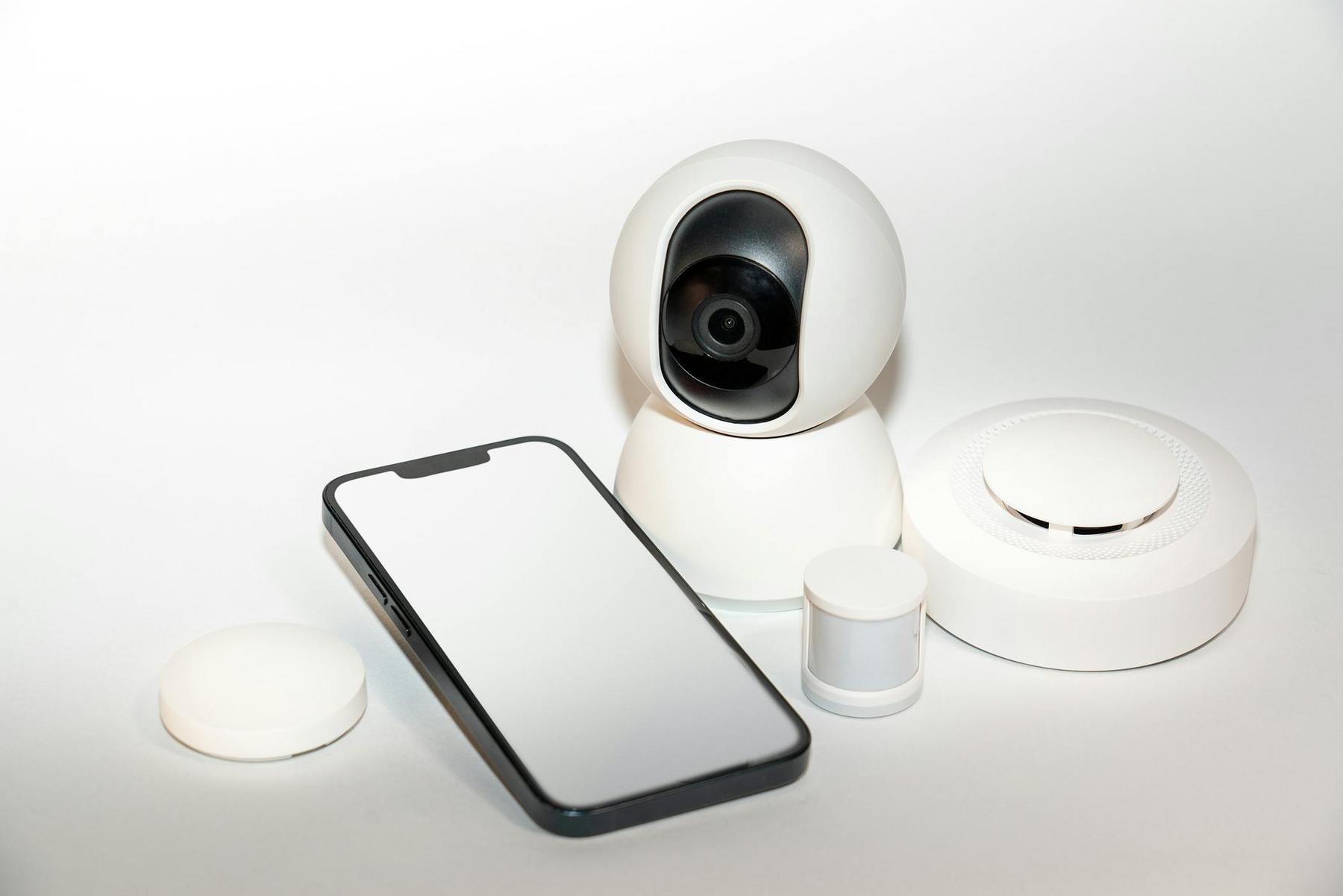
Smart security and monitoring systems receive funding when they directly support disability-related needs rather than general home security. The distinction is important: the NDIS will not fund cameras for crime prevention, but will fund devices that provide accessibility functions, such as visual alerts for deaf individuals or monitoring systems for wandering concerns related to dementia.
Communication devices have seen expanded funding criteria following October 2024 legislative changes. Tablets under $600, smartwatches for communication, and AI-powered augmentative and alternative communication (AAC) devices can now be claimed as replacement supports when they serve as the most appropriate solution for communication or accessibility goals.
Health and wellness monitoring devices, including smartwatches with fall detection, GPS tracking devices, and medication reminder systems, receive funding when they enable proactive health management and independent living with safety monitoring.
How Does NDIS Funding Work for Smart Home Technology?
Understanding the NDIS funding framework helps participants navigate the approval process more effectively. The scheme divides assistive technology funding into three cost-based categories, each with different requirements and processes.
Low-cost assistive technology includes items under $1,500. These devices are typically easy to set up and available from everyday suppliers. Basic tablets, smart speakers, simple automation devices, and entry-level smart home components fall into this category. Low-cost items can be funded from your NDIS Core budget or Consumables funding, and the approval process is generally streamlined without requiring extensive quotes.
Mid-cost assistive technology spans items between $1,500 and $15,000. These more specialised devices may require modifications or training and are funded from your Capital budget for assistive technology. Sophisticated home automation systems, specialised communication devices, and integrated smart home solutions typically fall here. An occupational therapist assessment becomes essential at this level, and formal quotes are required for approval.
High-cost assistive technology covers items exceeding $15,000. Complex systems like ceiling hoists integrated with smart controls, comprehensive home automation ecosystems, or custom-made solutions require individual assessment, specialised knowledge for setup, and formal quotes from multiple providers before funding inclusion in your NDIS plan.
| Cost Category | Price Range | Funding Source | Assessment Required | Quote Requirements |
|---|---|---|---|---|
| Low-Cost AT | Under $1,500 | Core or Consumables | Beneficial but not always mandatory | Generally not required |
| Mid-Cost AT | $1,500 – $15,000 | Capital Supports | OT assessment essential | One or more detailed quotes |
| High-Cost AT | Over $15,000 | Capital Supports | Complex assessment required | Two itemised quotes from different providers |
Your plan management type significantly affects how you access smart home devices funded by NDIS. Plan-managed participants work with a Plan Management Provider who handles payments and reimbursement claims, offering greater administrative support. Self-managed participants have direct control over provider selection but must manage invoices and claims personally. NDIA-managed participants must use registered NDIS providers, with all transactions processed through the NDIS portal.
Which Smart Home Devices Are Most Commonly Funded by NDIS?
Certain smart home devices funded by NDIS have proven particularly effective and receive approval more readily due to their clear disability-related benefits.
Integrated voice control hubs connecting multiple smart devices provide comprehensive home automation. These systems excel at supporting participants with severe mobility limitations, enabling control of lights, locks, thermostats, and appliances through simple voice commands. The Homeable system, specifically designed for accessibility, has gained popularity among NDIS participants and occupational therapists for its user-friendly disability-focused interface.
Automated door operators for both swing and sliding doors remain consistently funded. Beyond electronic locks, complete door automation enables wheelchair users and individuals with limited upper body strength to enter and exit independently. When paired with video intercoms featuring facial recognition, these systems provide comprehensive access control without physical barriers.
Smart kitchen appliances supporting meal preparation receive funding when they directly address disability-related barriers to independent living. Voice-controlled cooking devices, automated cabinet systems, and height-adjustable motorised benchtops enable participants to prepare meals safely and independently, reducing reliance on support workers for basic daily tasks.
Wearable technology has expanded significantly, with smartwatches combining multiple functions—fall detection, health monitoring, GPS tracking, and emergency alerts—in a single device. These represent excellent value for money, meeting the NDIS criterion of cost-effectiveness whilst addressing multiple support needs simultaneously.
Environmental sensors and automation provide subtle but significant support for participants with cognitive disabilities. Systems that automatically turn off appliances, close blinds at sunset, or adjust lighting based on time of day establish consistency and safety without requiring conscious decision-making.
The increasing availability of disability-specific smart home products has improved funding approval rates. Manufacturers are recognising the NDIS market and designing products specifically addressing documented disability needs, making the “reasonable and necessary” justification more straightforward.
What’s the Process for Getting Smart Home Devices Approved Through NDIS?
Successfully navigating the approval process for smart home devices funded by NDIS requires understanding the steps and preparing appropriate documentation.
Initial assessment forms the foundation of any application. Discussing your smart home technology needs with your Local Area Coordinator, Support Coordinator, or occupational therapist helps identify which devices align with your plan goals. An occupational therapist will assess your home environment and functional limitations, providing a written report that links your specific needs to your disability and NDIS plan goals.
This professional assessment cannot be overstated in importance—it provides the credibility and evidence base that the NDIA requires. The occupational therapist’s report should detail your specific disability-related barriers, explain how smart technology will reduce these barriers, consider alternative solutions and why they’re inadequate, and clearly connect recommendations to your approved NDIS goals.
Documentation and quote gathering follows assessment. For low-cost items under $1,500, you typically won’t need formal quotes unless you’re in remote or very remote areas. Mid-cost devices between $1,500 and $15,000 require one or more detailed quotes from suppliers. High-cost or complex systems over $15,000 need two itemised quotes from different providers. Supporting documentation should include medical reports, the occupational therapist’s assessment, evidence of current functional limitations, and documentation showing how devices align with your plan goals.
Submission to the NDIA involves applying for a plan review or variation. Include the occupational therapist’s report with specific recommendations, quotes with product specifications, evidence clearly demonstrating the disability connection, and goal alignment documentation. For items under $1,500 using the flexibility provisions, you can email [email protected] with the subject line ‘Low cost AT flexibility evidence’.
Following approval, funding appears in the relevant Capital or Core Supports category of your plan. How you proceed depends on your plan management type, but in all cases, proper installation by qualified professionals and post-implementation assessment by your occupational therapist ensures the devices function as intended and achieve the desired outcomes.
Participants in Brisbane, North Lakes, Sydney, Melbourne, Gold Coast, and throughout the Sunshine Coast can access local occupational therapy professionals who understand regional availability and can recommend appropriate providers. Those in more remote areas of Queensland, New South Wales, Victoria, or Tasmania can often arrange telehealth consultations for initial assessments, with in-person visits scheduled for complex installations.
What Won’t the NDIS Fund When It Comes to Smart Home Technology?
Understanding what the NDIS excludes helps manage expectations and prevents application delays or rejections.
Entertainment devices represent the most common misunderstanding. Gaming consoles, smart TVs, streaming subscriptions, and similar devices won’t receive funding even if you use them daily. The NDIS position is clear: entertainment technology constitutes a standard living expense that all Australians pay for from personal funds, regardless of disability status.
Standard communication tools including mobile phones, smartphones without specific disability-related modifications, standard tablets (unless meeting specific disability communication criteria), mobile plans, and internet costs fall outside NDIS funding. The October 2024 changes expanded tablet funding in specific circumstances, but general personal devices remain excluded.
General home security systems installed primarily for crime prevention won’t receive approval. Security cameras, alarm systems, and monitoring equipment need clear disability-related justification beyond general safety concerns. However, the same equipment may receive funding when providing accessibility functions—for example, visual alert systems for deaf participants or monitoring systems addressing wandering behaviours.
Everyday household items and upgrades represent another exclusion category. Air conditioning and heating systems, unless temperature regulation disability is documented with medical evidence, remain personal expenses. New appliances for convenience rather than disability-related necessity, aesthetic improvements, and comfort upgrades without functional benefit all fall outside NDIS funding scope.
Duplicate devices cannot receive funding if you already own an equivalent functioning device. The NDIS won’t fund a second tablet if you already have one that meets your communication needs, even if the newer model offers incremental improvements.
Internet bills and data costs remain explicitly excluded, even when internet access enables you to use NDIS-funded smart home devices or access disability supports. This policy reflects the view that internet connectivity has become a standard household expense for all Australians regardless of disability status.
Installation by unqualified contractors, modifications not compliant with building codes, and modifications to rental properties without written landlord consent also cannot receive funding, as these represent safety and legal compliance issues beyond NDIS scope.
How Can Occupational Therapy Support Your Smart Home Device Journey?
Occupational therapists provide essential expertise throughout the process of obtaining smart home devices funded by NDIS. Their role extends far beyond simple assessment, encompassing advocacy, implementation support, and outcome measurement.
Comprehensive home assessments conducted by occupational therapists identify specific functional barriers in your current environment. Rather than suggesting technology first, skilled occupational therapists evaluate how you complete daily tasks, where barriers exist, what support you currently require, and which interventions—inclusive of smart home technology—might reduce those barriers most effectively.
This thorough approach ensures recommendations focus on your actual needs rather than the latest technology trends. The occupational therapist considers your cognitive capacity to learn new technology, physical ability to use different control methods, environmental factors like internet connectivity and power access, and integration with existing supports and routines.
Documentation and advocacy represent critical occupational therapy contributions to successful funding applications. The written assessment linking your disability to technology needs, presented in language the NDIA understands and values, significantly increases approval likelihood. Occupational therapists familiar with NDIS processes understand what evidence the NDIA requires and how to present your needs most effectively.
Following approval and installation, post-implementation assessment ensures devices function as intended. Your occupational therapist can identify any adjustments needed, provide training on optimal device use, document outcomes achieved, and support future plan reviews by demonstrating how smart home technology has reduced support needs or increased independence.
Training and education from occupational therapists helps you maximise the benefit of funded devices. Smart home technology can seem intimidating, particularly for participants who haven’t grown up with digital devices. Patient, person-centred training ensures you can actually use what’s been funded, preventing the common problem of expensive equipment sitting unused because the participant lacks confidence in operating it.
Taking the Next Step Towards Smart Home Independence
Smart home devices funded by NDIS offer genuine opportunities to enhance independence, safety, and quality of life for participants throughout Australia. The landscape continues evolving, with new devices, expanded funding criteria, and growing recognition of technology’s role in supporting disability-related needs.
Success in accessing this technology hinges on understanding the funding framework, clearly demonstrating disability-related need, and working with knowledgeable professionals who can navigate the NDIS process effectively. The distinction between general lifestyle upgrades and genuine assistive technology remains central to all funding decisions—your application must clearly demonstrate how proposed devices address specific functional barriers caused by your disability.
For participants in Brisbane, North Lakes, Sydney, Melbourne, and throughout Queensland and beyond, local occupational therapy professionals provide the essential link between your disability-related needs and available smart home solutions. Whether you’re considering a simple voice-controlled lighting system or a comprehensive home automation setup, professional assessment and recommendation significantly increase funding approval likelihood whilst ensuring the selected technology genuinely meets your needs.
The investment in thorough assessment and proper documentation pays dividends through successful funding applications, appropriate device selection, and meaningful outcomes. Smart home technology is not a universal solution, but for many NDIS participants, it represents a pathway to reduced support needs, enhanced safety, and genuine independence in daily living.
Can I get a smartphone or tablet funded through my NDIS plan?
The NDIS may fund tablets and smartphones in specific circumstances following October 2024 legislative changes. Tablets under $600 can generally receive approval when they serve as the most appropriate solution for communication or accessibility goals, provided you don’t already own an equivalent functioning device. Devices must replace another support in your plan or directly help achieve communication goals. Standard smartphones used primarily for everyday communication typically remain excluded unless modified for disability-specific needs.
How long does it take to get smart home devices approved by the NDIS?
Approval timeframes vary based on device cost, complexity, and your plan management type. Low-cost assistive technology under $1,500 may be accessible within days with streamlined processes. Mid-cost devices (between $1,500 and $15,000) typically require an occupational therapist assessment and detailed quotes, taking several weeks to a few months. High-cost or complex systems over $15,000 generally require more extensive review and can take 2-3 months or longer.
Will the NDIS fund smart home devices in rental properties?
The NDIS can fund smart home devices in rental properties, but specific considerations apply. Portable devices that do not require permanent modifications, such as smart speakers or plug-in automation systems, typically present no issues. For devices requiring installation—like motorised blinds or integrated locks—written landlord permission is needed, and plans to restore the property may be required at the end of the lease.
Can I use my NDIS funding for internet costs to operate smart home devices?
No, the NDIS explicitly does not fund internet bills, data costs, or any ongoing connectivity expenses. Although internet access is necessary to operate many smart home devices, these costs are considered standard household expenses and are not covered under NDIS funding.
What happens if my funded smart home device breaks or becomes obsolete?
If a funded device breaks within its expected lifespan, the NDIS will typically cover repairs or replacement. However, if you wish to upgrade a device that is still functional, funding usually isn’t available. It is important to document device failures and discuss expected lifespans during the planning stage so that future plan reviews can address the need for a replacement when the device no longer meets your requirements.