Finding yourself struggling with everyday tasks that once felt effortless can be isolating and frustrating. Perhaps you’re noticing mobility challenges making it harder to navigate your home, or cognitive changes affecting your ability to manage daily routines independently. You’re not alone—research suggests that more than 1 billion people globally need assistive technology (AT), and in Australia, these devices are important to the health and wellbeing of one in ten Australians. Yet here’s the challenge: studies suggest that between 15% and 78% of assistive devices are abandoned or underused, often because they weren’t properly matched to the person’s actual needs, lifestyle, or goals. The difference between useful technology and equipment that remains unused often comes down to one crucial factor: the selection process.
What Is Assistive Technology and Why Does Professional Assessment Matter?
Assistive technology encompasses any device, system, or product that enables you to perform tasks you would otherwise find difficult or impossible, or that increases the ease and safety with which you can complete activities. This broad definition includes simple solutions like grab bars and walking sticks, as well as sophisticated equipment such as powered wheelchairs, speech-generating devices, and smart home environmental control systems.
The scope of AT extends across multiple aspects of daily life:
- Mobility and movement within homes and communities
- Communication for those with speech or language difficulties
- Daily living activities including eating, dressing, bathing, and cooking
- Environmental control through smart home systems and automation
- Computer and information access via adaptive technology
- Sensory compensation for vision or hearing limitations
- Home modifications to enhance accessibility and safety
When considering selecting the right AT for your lifestyle and goals, the distinction between self-selection and professional assessment becomes important. Research suggests that professionally assessed assistive technology may achieve higher long-term usage rates compared to self-selected equipment. This isn’t simply about recommending the “best” device—it’s about understanding the complex interaction between you as an individual, your environment, and the specific activities you want to accomplish.
Occupational therapists bring a structured approach to AT provision, following a comprehensive four-step process: user assessment and goal identification, AT options exploration, product selection and trial, and training with follow-up support. This methodology aims to ensure that technology choices align with your functional capacity, cognitive abilities, living environment, and personal aspirations.
How Do Occupational Therapists Assess Your Needs for Assistive Technology?
The assessment process for selecting the right AT for your lifestyle and goals extends far beyond simply identifying what you can’t do. Occupational therapists conduct multi-dimensional evaluations that examine the complete picture of your daily life, challenges, and aspirations.
Comprehensive Evaluation Components
Personal Goal Identification: Assessment begins with extensive conversation about your daily routines, specific functional challenges, and personal goals. Whether you want to maintain independence in cooking, continue participating in community activities, or manage your home environment safely, these goals form the foundation of device selection. The occupational therapist explores not just what you’re struggling with now, but what activities matter most to you and how assistive technology could support meaningful participation in life.
Physical Assessment: This evaluation examines strength, range of motion, coordination, endurance, and how you currently interact with your environment and existing equipment. Importantly, occupational therapists observe compensatory strategies you’ve already developed—these adaptations provide valuable insight into appropriate device features and design requirements.
Cognitive Evaluation: Understanding your cognitive abilities proves important since many assistive devices require learning new operating procedures. The assessment considers your capacity to learn multi-step processes, remember instructions, problem-solve when issues arise, and adapt to new technology. This aims to ensure recommended devices match your learning style and cognitive capacity rather than creating additional frustration.
Environmental Analysis: Your occupational therapist will examine your home, considering factors such as:
- Available space and current accessibility features
- Power sources and infrastructure requirements
- Presence of supportive family members or caregivers
- Architectural barriers or facilitating features
- Accessibility needs for community participation
This environmental context can influence which devices will integrate successfully into your daily life versus which might create additional challenges despite theoretical benefits.
The Trial Process
Whenever possible, occupational therapists arrange for you to trial potential devices in real-world environments before making final decisions. During trials, you’ll test equipment in your actual home, workplace, or community settings—not just in a clinic. This hands-on experience reveals practical considerations that specifications alone cannot capture: Is the device truly comfortable over extended use? Does it fit through your doorways? Can you operate it intuitively, or does it require constant conscious effort? These trials typically compare multiple options, allowing you to experience differences in functionality, ease of use, and compatibility with your lifestyle directly.
What Types of Assistive Technology Are Available, and Which Suits Your Situation?
Understanding the landscape of assistive technology options helps you participate meaningfully in selection discussions with your occupational therapist. The range extends from simple, affordable tools to sophisticated, customisable systems.
AT Classification by Complexity and Funding
In Australia, both the NDIS and the Aged Care Support at Home Programme classify assistive technology by complexity, which also corresponds to funding levels:
| Classification Level | Cost Range | Characteristics | Examples | Assessment Requirements |
|---|---|---|---|---|
| Basic/Low (Level 1) | Under $500 | Simple, low-tech; safe to operate independently; minimal setup | Walking sticks, non-slip bathmats, adaptive cutlery, basic shower chairs, button hooks | Self-managed or informal assessment |
| Standard (Level 2) | $500–$1,500 | Low-tech with some setup needs; may need professional input for optimal use | Transfer benches, standard wheelchairs, handrails, basic hoists | Professional recommendation helpful |
| Specialised (Level 3) | $1,500–$15,000 | Requires customisation or modifications; technical expertise needed | Stair lifts, pressure-relieving mattresses, custom communication devices, electronic Braille displays | Formal occupational therapy assessment required |
| Complex (Level 4) | Over $15,000 | Custom-made or highly complex; significant ongoing support needed | Complex wheelchairs with specialised seating, vehicle modifications, advanced communication systems | Comprehensive assessment, trial, and detailed evidence |
Technology Categories by Function
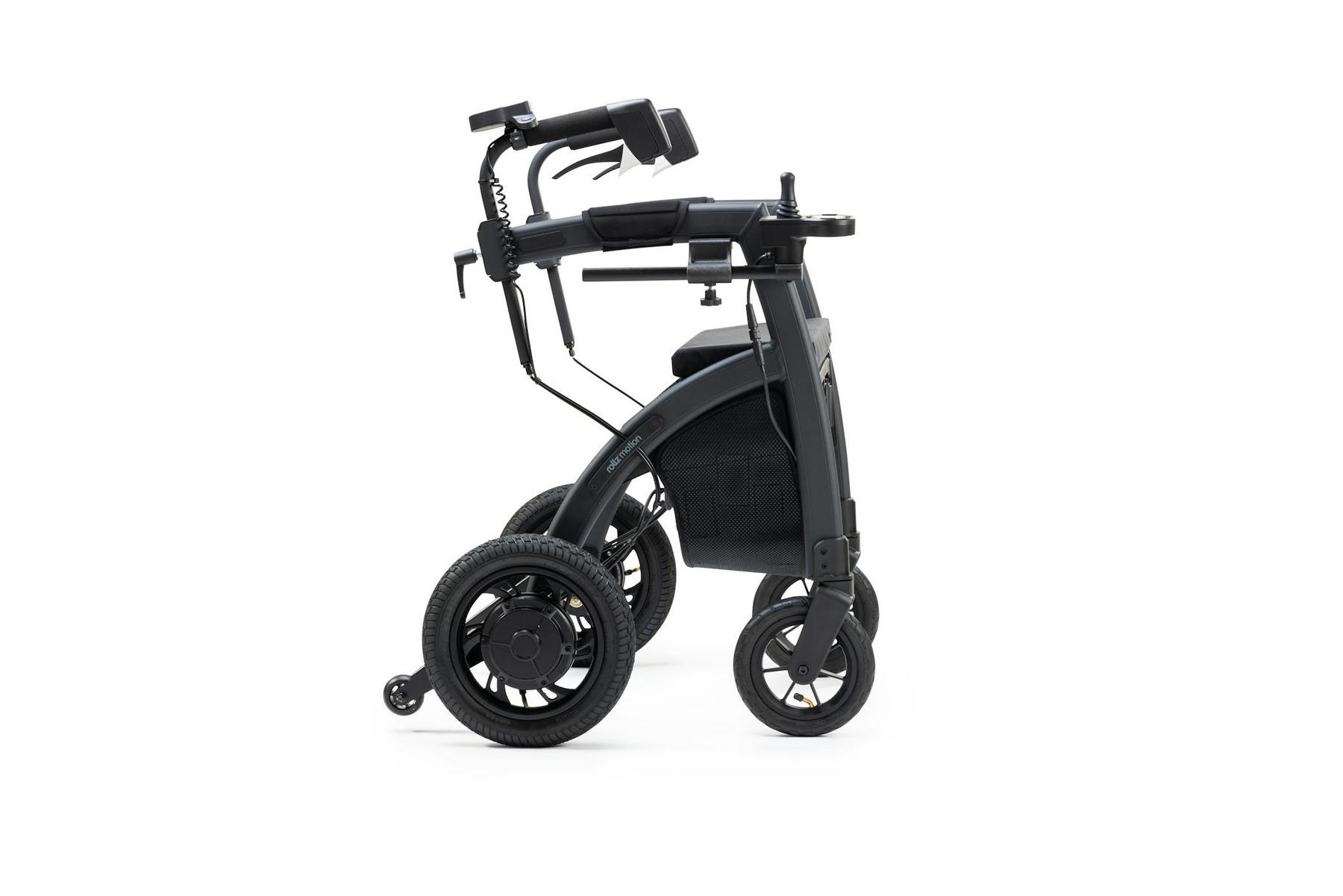
Mobility and Movement Solutions: These range from simple canes supporting stability to powered wheelchairs with programmable controls, obstacle detection, and elevation capabilities. For someone managing early mobility changes, a well-fitted walking frame with a seat might provide the support needed to continue community activities safely. Someone with significant mobility limitations might benefit from a customised powered wheelchair that enables independent navigation of both indoor and outdoor environments.
Communication Technology: Serves individuals experiencing speech or language difficulties due to stroke, progressive neurological conditions, or developmental disabilities. Options span simple communication boards to complex speech-generating devices with voice output, internet connectivity, and environmental control integration. The right choice depends on cognitive abilities, physical capacity for device operation, and communication goals.
Daily Living and Self-Care Equipment: Includes adaptive equipment supporting eating, dressing, bathing, toileting, and cooking activities. A button hook costing under $20 might support dressing independence for someone with arthritis, whilst someone with more significant limitations might need a sophisticated bathroom modification including a ceiling hoist, accessible shower, and adapted fixtures.
Environmental Control Systems: Smart home technology enables independent management of lighting, temperature, appliances, and security systems. Voice-activated assistants like Amazon Alexa or Google Home can be particularly useful for people with mobility limitations or vision impairment, allowing hands-free control of the home environment.
Cognitive Support Technology: Electronic organisers, medication reminder systems, GPS tracking devices, and fall detection systems can support memory, planning, and safety for individuals with cognitive changes. These devices may be particularly useful for people experiencing dementia, acquired brain injury, or age-related cognitive changes.
Why Do Some People Abandon Assistive Devices, and How Can This Be Prevented?
Despite the potential of assistive technology to support daily life, device abandonment represents a significant challenge. Understanding why people stop using assistive devices illuminates what makes selection successful.
Research indicates abandonment rates ranging from 15% to 78% depending on device type, with most discontinuation occurring within the first year or after five years of use. Research suggests that when individuals stop using mobility aids, the risk of serious falls may increase—highlighting real health considerations of poor device matching.
Primary Reasons for Device Abandonment
Lack of User Involvement in Selection: Research suggests that lack of consideration of user opinion during the selection process is a significant predictor of device abandonment. When devices are prescribed without genuine collaboration, they often fail to align with the person’s lifestyle, preferences, or actual needs. This underscores why selecting the right AT for your lifestyle and goals should be a partnership between you and your occupational therapist, not a top-down prescription.
Poor Device Performance or Inadequate Fit: Devices that are uncomfortable, poorly fitted, or that simply don’t deliver the expected functional benefit are more likely to be discontinued. Professional fitting and follow-up adjustment can help prevent these issues.
Changes in User Needs Over Time: As conditions progress, improve, or as life circumstances change, devices that once served well may become inappropriate. Regular reassessment can help ensure assistive technology evolves alongside your needs.
Psychological and Social Factors: Concerns about device visibility, stigma, previous disappointment with technology, or negative views from family members can all contribute to non-use. Addressing these psychosocial dimensions during assessment and selection may help increase likelihood of sustained use.
Ensuring Long-Term Success
Success in selecting the right AT for your lifestyle and goals can be supported by several key elements:
Comprehensive Initial Assessment: Professional occupational therapy assessment considering physical, cognitive, environmental, and psychosocial factors can help reduce abandonment risk.
Realistic Device Trials: Testing equipment in your actual home and community environments reveals practical issues before final selection, helping prevent costly mismatches.
Thorough Training: Comprehensive instruction covering not just basic operation but also troubleshooting, maintenance, and integration into daily routines can help build confidence and competence.
Ongoing Follow-Up: Regular reviews with your occupational therapist allow for adjustments, modifications, and updates as your needs or circumstances change. This might include servicing equipment, adjusting positioning, providing refresher training, or identifying when different technology would better serve your current situation.
Support Network Engagement: Including family members, caregivers, or support workers in training and decision-making may increase the likelihood that people in your support network will encourage and facilitate device use rather than creating barriers.
How Can You Ensure Assistive Technology Aligns With Your Specific Goals and Lifestyle?
The most successful assistive technology implementations explicitly connect specific personal goals with device features and functionality. This goal-directed approach aims to ensure technology serves your actual priorities rather than pursuing independence or function in the abstract.
Lifestyle Compatibility Assessment
When an occupational therapist assesses your needs, they can consider how proposed assistive technology integrates with your existing lifestyle patterns and future aspirations. Assessments may be conducted in your home, by telehealth, or through clinic-based services depending on your circumstances.
Daily Routine Integration: Does the device fit naturally into your established routines, or does it require significant lifestyle modification? Technology demanding substantial routine changes may face higher abandonment risk. For example, a shower chair that’s easy to position and doesn’t require extensive setup may be more likely to be used consistently than a complex system requiring multiple steps to prepare.
Aesthetic and Personal Preferences: Whilst function remains important, appearance and design can matter to many people. Occupational therapists recognise that visible assistive devices affect self-perception and social comfort. When multiple devices offer similar functionality, your preferences regarding appearance, size, colour, or visibility can legitimately influence selection.
Social and Community Participation: If maintaining community engagement matters to you—whether that’s shopping, attending events, or visiting family—your assistive technology should facilitate rather than hinder these activities. This might mean selecting a mobility scooter that’s transportable in your vehicle, or choosing communication technology that functions well in noisy public environments.
Future Planning: For progressive conditions or as part of ageing, selecting the right AT for your lifestyle and goals may include anticipating potential future needs. When possible, choosing equipment that can be modified, upgraded, or adapted as circumstances change can provide better long-term value and reduce the need for complete equipment replacement.
Goal-Specific Technology Matching
Consider how occupational therapists approach different goal scenarios:
Goal: Maintain independence in meal preparation at home
- Assessment reveals challenges with standing tolerance, reaching overhead cupboards, gripping utensils, and reading recipe text
- AT options might include: perching stool for supported standing, lazy Susan turntables for cabinet access, lightweight extended-reach utensils, handheld adaptive tools, talking scales, and tablet with recipe apps featuring adjustable text size
- Environmental modifications could involve lowering frequently used items, improving task lighting, and adjusting counter height
- Training addresses safe use of adaptive equipment and integration into cooking routines
Goal: Continue employment in office environment
- Assessment identifies mobility fatigue, difficulty with standard keyboard/mouse, challenges with prolonged sitting
- AT options could include: height-adjustable desk for sit-stand capability, ergonomic seating with postural support, alternative keyboard and trackball, voice recognition software, document holder, and task lighting
- Workplace modifications might involve accessible parking allocation, modification of workstation layout, and adjustment of work schedule for fatigue management
- Implementation includes workplace consultation, equipment setup, and training on optimal use
What Does the Implementation Process Look Like, and What Support Can You Expect?
Understanding what happens after device selection helps set realistic expectations and prepares you for successful assistive technology integration.
Professional Fitting and Customisation
Many assistive devices require professional fitting to function optimally. For wheelchairs, this means proper seat height, back support positioning, footrest adjustment, and accessory configuration tailored to your body dimensions and functional needs. For home modifications, grab bars must be positioned at heights that suit your specific reach and transfer patterns. Ramps require correct slope calculations based on your mobility device and your capability to navigate inclines safely.
This customisation process distinguishes professionally prescribed AT from off-the-shelf purchases. Whilst a standard shower chair from a retail store might cost less initially, a professionally selected and positioned shower bench that properly supports your specific transfer technique and bathroom layout can provide improved safety and usability.
Comprehensive Training
Your occupational therapist will provide detailed instruction covering:
- Operation fundamentals: Step-by-step guidance on device use
- Safety protocols: Techniques helping prevent injury to yourself or damage to equipment
- Maintenance requirements: Regular care procedures and schedules
- Troubleshooting: Problem-solving for common issues
- Optimisation strategies: Discovering advanced features and techniques for enhanced effectiveness
- Integration approaches: Methods for incorporating technology into daily routines
Training sessions might occur in clinic settings initially, but ideally include practice in your actual home environment where you’ll be using the equipment. This real-world training identifies practical challenges and allows your occupational therapist to problem-solve with you in context.
Follow-Up and Adjustment
The relationship with your occupational therapist doesn’t end when equipment arrives. Regular follow-up can help ensure continued appropriateness and address emerging issues:
- Initial follow-up (typically 2-4 weeks after device provision): Confirms successful integration, addresses initial challenges, and provides refresher training if needed
- Periodic reviews (usually every 6-12 months): Reassess continued suitability, identify changing needs, and determine whether modifications or different equipment would better serve current goals
- As-needed support: Access to professional guidance when technical issues arise, circumstances change, or questions develop about optimal device use
This ongoing support structure can help improve long-term outcomes and reduce device abandonment risk.
Coordination With Funding Providers
For NDIS participants or those accessing aged care support, your occupational therapist can assist with:
- Preparing assessment reports that document functional limitations and equipment justification
- Obtaining quotes from appropriate suppliers
- Navigating approval processes
- Coordinating equipment delivery and setup
- Providing required documentation for funding compliance
This support removes administrative burden and helps ensure proper procedures are followed for funding approval.
Moving Forward With Confidence in Your Assistive Technology Choices
Selecting the right AT for your lifestyle and goals represents far more than choosing equipment from a catalogue. It’s a collaborative process requiring professional assessment, personalised matching, practical trialing, comprehensive training, and ongoing support. The importance of an individualised, goal-directed approach is highlighted by research into assistive technology outcomes.
When you engage qualified occupational therapy services for assistive technology assessment, you access specialised knowledge about the complex interaction between your abilities, environmental factors, technology features, and personal goals. This professional guidance can help improve the likelihood that recommended devices will serve you well over the long term, supporting your safety, independence, and participation in activities that matter to you.
Whether you’re navigating mobility changes, managing daily living challenges, seeking communication support, or addressing any functional limitation, professional occupational therapy assessment provides a foundation for assistive technology decision-making. A comprehensive approach encompassing assessment, proper fitting, thorough training, and ongoing follow-up represents a meaningful investment in your outcomes.
How long does a professional assistive technology assessment take?
Initial assistive technology assessments typically require 60-90 minutes, though complex situations involving multiple devices or extensive home modifications may require additional time. The assessment includes discussion of your goals and challenges, physical and cognitive evaluation, environmental analysis, and preliminary recommendations. Follow-up sessions for device trials, final selection, fitting, and training extend the total timeframe but can help ensure appropriate technology choices and successful implementation.
Can I try assistive devices before committing to purchase?
Yes, and this trial process forms an important component of professional AT provision. Occupational therapists can arrange equipment trials through suppliers, loan schemes, or demonstration programmes, allowing you to test devices in your actual home and community environments before final selection. Trialing multiple options enables direct comparison and reveals practical considerations that specifications alone cannot capture. For NDIS participants and aged care recipients, trials may be funded through your plan, and the National Assistive Technology Loans scheme pilot programme is expanding access to trial equipment.
What happens if my needs change after I receive assistive technology?
Regular reviews with your occupational therapist can help ensure assistive technology continues meeting your evolving needs. For progressive conditions, equipment may require modifications, adjustments, or upgrades over time. Some devices allow for customisation or feature additions as needs change. When current equipment no longer serves your goals effectively, reassessment can identify more appropriate options. NDIS and aged care funding can support equipment replacement when functional changes justify the need, and longer funding periods (up to 48 months) may be allocated for progressive conditions.
Does assistive technology need to be expensive to be effective?
Not necessarily. Whilst complex powered wheelchairs or sophisticated communication systems represent significant investments, many useful assistive technologies are simple and affordable. A $15 reacher might support independence in retrieving dropped items, whilst properly positioned grab bars costing under $200 could help prevent falls and support safe bathroom transfers. Professional occupational therapy assessment can identify the most appropriate solutions for your specific situation—sometimes simple, inexpensive devices are effective, whilst other situations may benefit from more sophisticated technology.
How do I know if I should pursue assistive technology assessment versus purchasing equipment directly?
Consider professional occupational therapy assessment when you’re experiencing functional challenges that impact safety, independence, or participation in valued activities. Professional assessment can be particularly valuable when choosing between multiple device options, when equipment involves significant cost, when proper fitting affects safety and function (such as mobility devices or bathroom equipment), or when you’re unsure what solutions might address your challenges. Research suggests that professionally assessed assistive technology may achieve higher long-term usage rates compared to self-selected equipment, making assessment a worthwhile consideration for successful outcomes.