Disclaimer: This article provides general information only and is not a substitute for professional medical, clinical, or occupational therapy advice. For specific situations involving chemical exposure, health conditions, or individual circumstances, please consult qualified healthcare professionals or the Poisons Information Centre.
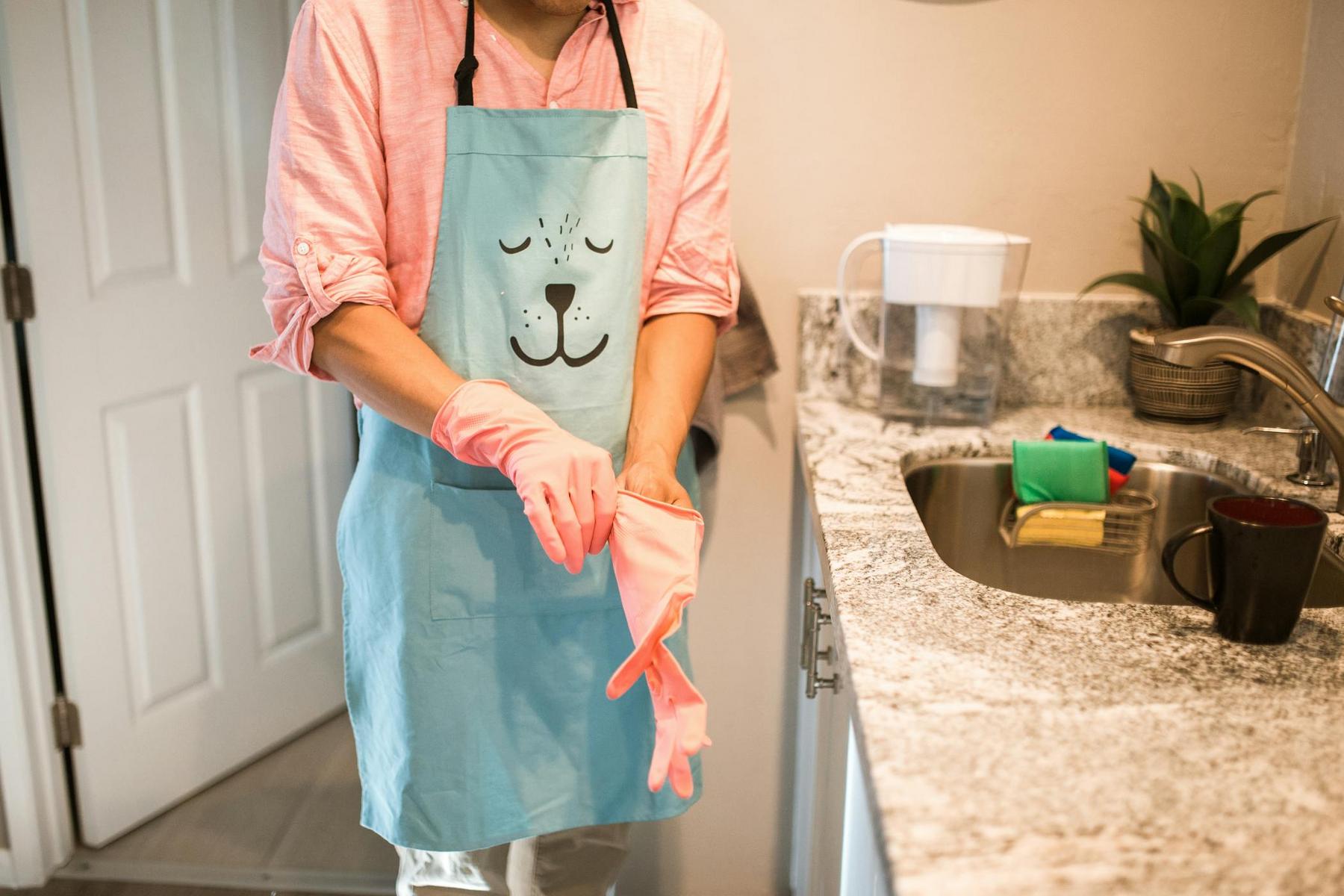
Every day, Australian households use an average of 15-20 different chemical products—from bleach and oven cleaners to laundry detergents and disinfectants. Whilst these products are essential for maintaining clean, hygienic living spaces, they also represent one of the most significant and overlooked hazards in homes across Brisbane, Sydney, Melbourne, and regional areas throughout Queensland, Victoria, New South Wales, and Tasmania. In 2020 alone, the Victorian Poisons Information Centre received 40,918 calls about chemical exposures—112 calls every single day—with 19,349 of these involving children under 15 years. For people with disability, aged care recipients, and families with young children, understanding the safe use of household chemicals becomes not just important, but essential.
Occupational therapists conduct home assessments that may identify chemical safety concerns, particularly when working with NDIS participants, elderly clients, and families navigating daily living challenges. The intersection of functional abilities, environmental hazards, and everyday routines creates unique risks that warrant professional assessment and tailored safety strategies.
Why Are Household Chemicals Such a Significant Health Concern in Australia?
The statistics surrounding household chemical exposures in Australia paint a concerning picture. In 2015, Australian Poisons Information Centres received 204,906 total calls, with 164,363 representing actual poisoning exposures. Household cleaning substances alone accounted for 10.2% of all poisoning exposures—approximately 18,542 incidents—making them the most common substance category after paracetamol-containing analgesics.
What makes these figures particularly alarming is the vulnerability of certain populations. Children aged 0-4 years bear 54% of the global disease burden from environmental chemical exposure according to the World Health Organisation. In Australia, toddlers aged 1-4 years experience 4,779 exposure cases per 100,000 population—one of the highest age-specific rates recorded.
The routes of exposure follow predictable patterns, with ingestion representing the most common pathway, particularly for young children (81% of all exposures). Ocular and dermal exposures follow as secondary routes, typically occurring during cleaning activities in adults. Whilst inhalation exposure is less common overall, it carries significant risk for certain products including bleach, drain cleaners, oven cleaners, and pesticides.
The reality is that household chemicals pose genuine risks to everyday independence and wellbeing, particularly for people who may have cognitive impairments, mobility limitations, sensory impairments, or reduced capacity to respond to hazardous situations.
During the first half of 2025, 6,142 poisoning cases were reported across Australia, with 514 directly linked to household items. Bleach alone accounted for 148 cases, general cleaners for 123 cases, and air fresheners for 54 cases. Of these household-related poisonings, 243 involved children under five years—a demographic that cannot read warning labels, assess risk independently, or implement emergency procedures.
Which Household Chemicals Present the Greatest Risk?
Not all household chemicals carry equal risk. Environmental assessment should prioritise identification of high-risk products commonly found in Australian homes.
Corrosive and highly toxic products include bleach (sodium hypochlorite), drain cleaners, and oven cleaners. These products often contain sodium hydroxide or potassium hydroxide with pH levels exceeding 12, causing potential for severe injuries. Bleach presents an additional hazard: when mixed with certain other products, it may produce toxic gases.
Concentrated disinfectants containing high-strength cationic detergents such as benzalkonium chloride carry potential risks. The COVID-19 pandemic saw increased use of these products across Australian homes, with a corresponding increase in exposure incidents reported to poison information services.
Laundry detergent capsules and pods represent a modern hazard that particularly affects young children. Their appearance and accessibility to toddlers create potential risks. Data from the NSW Poisons Information Centre (2014-2015) identified all-purpose/hard surface cleaners (1,373 calls), bleach (1,129 calls), and hand dishwashing detergent (1,030 calls) as the most frequently reported exposure substances.
Hand sanitisers containing alcohol became ubiquitous during the pandemic, with accessibility to young children creating risk considerations. Frequent placement at child height and attractive scents contributed to increased exposure incidents.
Swimming pool chemicals and pool acids—particularly relevant for Queensland and coastal properties across the Gold Coast, Sunshine Coast, and Sydney regions—are associated with exposure incidents. Pool chlorine and pool acid products require careful storage and handling.
How Can Home Assessments Identify Chemical Safety Concerns?
Professional home assessment provides a systematic approach to evaluating chemical safety through comprehensive functional and environmental examination. Safe management of household chemicals requires intact cognition, adequate vision, physical capability, and environmental supports that may be compromised in people with disability, elderly individuals, or those recovering from illness or injury.
Environmental assessment forms the foundation of safety evaluation. This room-by-room hazard identification process examines where chemicals are stored, how accessible they are to vulnerable household members, and whether storage containers are properly labelled and sealed. Assessment includes evaluation of ventilation in areas where chemicals are used or stored, temperature and light exposure affecting chemical stability, and identification of incompatible chemicals stored together.
Floor-level assessment is particularly important when evaluating homes with toddlers, as young children explore environments from ground level where chemicals are often inadvertently stored under sinks, in bottom cupboards, or in accessible bathrooms.
Functional assessment evaluates the individual’s capacity to manage household chemicals. This includes the person’s ability to read and understand product labels, cognitive capacity to follow safety instructions, physical ability to handle containers safely, and vision and hearing abilities affecting hazard recognition. Memory and executive function capacity relate to the ability to maintain safe practices, whilst assessment of fine motor skills indicates ability to manage containers and protective equipment.
For NDIS participants across Queensland, Victoria, New South Wales, and Tasmania, functional assessment must also consider the presence and information level of support workers, the person’s role under Work Health and Safety legislation if they employ workers, and their understanding of relevant responsibilities.
Safety assessment follows a systematic approach adapted from relevant safety frameworks:
- Identify potential hazards (chemical properties, storage conditions, accessibility).
- Assess likelihood of exposure and potential concerns for each household member.
- Determine current control measures already in place.
- Identify gaps in existing controls.
- Recommend hazard reduction strategies.
- Implement agreed modifications collaboratively with household members.
- Monitor and review effectiveness at intervals appropriate to the situation.
Professional home safety assessments demonstrate effectiveness in reducing risks. Properly implemented assessments have shown substantial benefit in risk reduction when recommendations are implemented and monitored appropriately. This methodology translates directly to chemical safety assessment, as it requires comprehensive environmental examination, functional evaluation, and implementation of evidence-based modifications.
What Storage and Handling Practices Support Chemical Safety?
Storage represents the most critical control measure for preventing unintentional chemical exposure. According to Accord Australasia, supervision, safe use, and safe storage are the most effective preventive strategies, particularly for young children and vulnerable populations.
Core storage principles include keeping all chemicals in locked cabinets or secure storage areas positioned out of reach and sight of children and vulnerable individuals. This typically means storage above 1.5 metres in height, away from common areas such as kitchens, bathrooms, and playspaces. Dedicated utility rooms, garages, or sheds should be locked when not in use. Temperature control matters—chemicals require cool, dry, well-ventilated spaces away from direct sunlight and heat sources including water heaters, stoves, and fireplaces.
Container integrity cannot be compromised. All chemicals must remain in original, labelled containers. Transferring chemicals to food or drink containers represents a major risk factor for accidental ingestion, particularly with elderly individuals or people with cognitive impairment who may mistake the contents. Regular inspection should confirm that containers are not damaged, cracked, or leaking, that lids are tightly closed, and that labels remain legible.
For homes in Brisbane’s North Lakes, Sydney’s metropolitan areas, Melbourne suburbs, or regional centres throughout the Sunshine Coast (Peregian Springs, Noosa, Buderim, Gympie), storage assessment should account for Queensland’s tropical climate and temperature fluctuations that can affect chemical stability.
Separation of incompatible chemicals prevents dangerous reactions. Products should be stored according to safety principles, with hazardous products kept isolated from one another. Consult product labels and Safety Data Sheets for specific storage guidance.
General safe practices during use include working in well-ventilated areas, following product label instructions, and returning products to secure storage after use. Product labels should always be consulted for specific guidance about appropriate use.
How Should Different Populations Approach Chemical Safety Differently?
Young children require the most stringent protections. Their developmental stage involves gaining independent mobility whilst using their mouth as the primary exploratory tool. They imitate adult behaviour, attempt to access any visible product, and cannot read warning labels, assess risk, or follow safety instructions. Prevention demands constant supervision combined with locked storage, child-resistant closures (though these are not childproof), and complete removal of chemicals from sight. Items stored in handbags—a common exposure source for infants and toddlers—require particular vigilance.
Elderly individuals face different safety considerations. Physiological changes may affect skin integrity and absorption, reduced mobility may limit the ability to respond, multiple co-existing medical conditions may interact with chemical exposure, and medication metabolism may be altered. Sensory changes such as poor eyesight, hearing loss, and reduced sense of smell may prevent noticing spills or recognising hazardous situations.
Cognitive changes, whether from dementia or other conditions, may reduce the ability to remember safety instructions or follow procedures. Safety strategies include clear labelling at eye level, simplified product selection (fewer different products reduces confusion), secure storage, and assessment of the person’s capability to follow instructions independently.
People with intellectual or cognitive disability may be attracted to colourful products, unable to read warning labels, and unaware of consequences of mixing chemicals. Visual or pictorial labelling systems, colour-coded storage, simplified product selection, and appropriate supervision become important. Support workers benefit from information about specific hazards relevant to individual clients, documented in care plans and reviewed regularly.
People with physical disability or mobility impairment cannot quickly move away from spills or accidents. They may have difficulty accessing help. Assessment must evaluate mobility and escape routes, ensure adequate ventilation accessible to the person’s position, and establish clear communication systems.
People with sensory impairments—vision or hearing loss—cannot rely on standard warning systems. Alternative labelling systems for vision impairment, audio alerts for emergencies, and clear communication protocols with support workers become important adaptations.
For NDIS participants employing support workers across Queensland, Victoria, New South Wales, or Tasmania, Work Health and Safety obligations apply. As Persons Conducting a Business or Undertaking (PCBUs), participants or their nominees hold responsibility for ensuring their home workplace remains safe for workers. This includes proper chemical storage, accessible Safety Data Sheets, and documented safety information in care plans.
What Should Happen If Chemical Exposure Occurs?
Despite prevention efforts, exposures may occur. For any suspected chemical exposure, the Poisons Information Centre should be contacted immediately.
Contact the Poisons Information Centre on 13 11 26 (available 24 hours, 7 days throughout Australia) for any suspected chemical exposure. This service provides professional guidance appropriate to the specific situation. Have the product container or a photo of the label available when calling. The centre will request information about the substance, symptoms observed, and the person’s age and weight.
Call 000 immediately if the person is experiencing signs of serious distress including loss of consciousness, collapse, severe pain, persistent vomiting, seizures, or difficulty breathing.
Do not attempt home treatment of chemical exposures. Contact the Poisons Information Centre for guidance specific to the situation. Do not induce vomiting or attempt other emergency procedures without professional guidance.
For spills, remove anyone in immediate danger first. Ensure adequate ventilation and do not attempt to clean up large or hazardous spills. Contact emergency services (000) if the spill is extensive or involves high-risk products, and evacuate the area. Documentation of any exposure incident is essential for NDIS participants and aged care recipients, as it forms part of ongoing risk assessment and care plan review.
Moving Toward Safer Chemical Practices in Australian Homes
The safe use of household chemicals represents a fundamental component of home safety assessment, particularly when working with vulnerable populations across Brisbane, Sydney, Melbourne, and regional areas throughout Queensland, Victoria, New South Wales, and Tasmania. With over 40,000 poison exposure calls annually in Victoria alone, and household cleaning substances accounting for 10.2% of all Australian poisoning exposures, the scope of this issue warrants professional attention.
Professional home assessments can identify chemical hazards, evaluate individual functional capacities affecting safe chemical management, and recommend tailored safety strategies that balance independence with protection. Proper assessment and implementation of safety modifications have demonstrated effectiveness in reducing risks when recommendations are followed and monitored appropriately.
For NDIS participants, the intersection of Work Health and Safety obligations, individual functional limitations, and environmental hazards creates complex considerations requiring professional assessment. Support workers benefit from information specific to each client’s vulnerabilities, whilst participants and their families benefit from education tailored to their needs.
Aged care recipients face particular safety considerations from physiological changes, medication interactions, cognitive changes, and reduced capacity to respond to emergencies. Assessment of the person’s capacity to manage chemicals independently, simplification of product selection, and secure storage become important safety measures.
The fundamental principle remains consistent across all populations: systematic risk assessment, environmental modification, appropriate information, and adequate supervision substantially support safer management of household chemical exposures. Whilst household chemicals serve necessary purposes in maintaining clean, hygienic environments, their presence requires proper storage and informed handling.
Professional home assessment provides a framework for identifying risks, understanding individual concerns, and recommending evidence-based strategies that support safety whilst preserving independence. Documentation of assessments, information provided, and recommendations made ensures continuity of care.
What are the most dangerous household chemicals I should prioritise securing in my home?
Bleach, drain cleaners, oven cleaners, concentrated disinfectants, and laundry detergent capsules present the highest risks due to their properties and potential for serious consequences. These products should be stored in locked cabinets above 1.5 metres height, away from all other products. Swimming pool chemicals and pool acids also require isolated storage. For homes with young children or people with cognitive impairment, consider whether each high-risk product is truly necessary or if safer alternatives could achieve the same cleaning outcomes.
How might a home assessment help identify chemical safety concerns?
A professional home assessment evaluates an individual’s capacity to understand safety warnings, handle containers properly, and recognize hazards. It involves environmental checks for secure storage, proper labelling, and ventilation, as well as assessing functional abilities and the need for support. The outcome can include recommendations for storage modifications, alternative labelling, and improved safety protocols tailored to the individual’s needs.
What should I do if someone is exposed to a household chemical?
Immediately contact the Poisons Information Centre on 13 11 26 for guidance. Have the product container or a photo of the label ready, and if the individual shows signs of serious distress such as loss of consciousness, severe pain, or difficulty breathing, call 000. Do not attempt to treat the exposure at home without professional advice.
Are natural or ‘green’ cleaning products always safer than conventional chemicals?
Not necessarily. While natural alternatives like white vinegar, baking soda, or castile soap may have lower toxicity, the term ‘natural’ does not guarantee safety. Some natural products, such as eucalyptus oil, still require careful storage and handling. It’s important to consider specific safety information and proper usage rather than relying solely on marketing claims.
What are NDIS participants’ responsibilities regarding household chemicals if they employ support workers?
Under Work Health and Safety legislation, NDIS participants who employ support workers are considered Persons Conducting a Business or Undertaking (PCBUs). They must ensure their home workplace is safe by properly storing hazardous substances, providing accessible Safety Data Sheets, and incorporating safety information into care plans. Regular reviews and tailored safety strategies are essential to maintain a safe environment.
Where can I learn more?
For more detailed information about chemical exposures and safety practices, contact the Poisons Information Centre on 13 11 26 or consult with qualified healthcare professionals, including occupational therapists, who can provide advice tailored to your specific circumstances.