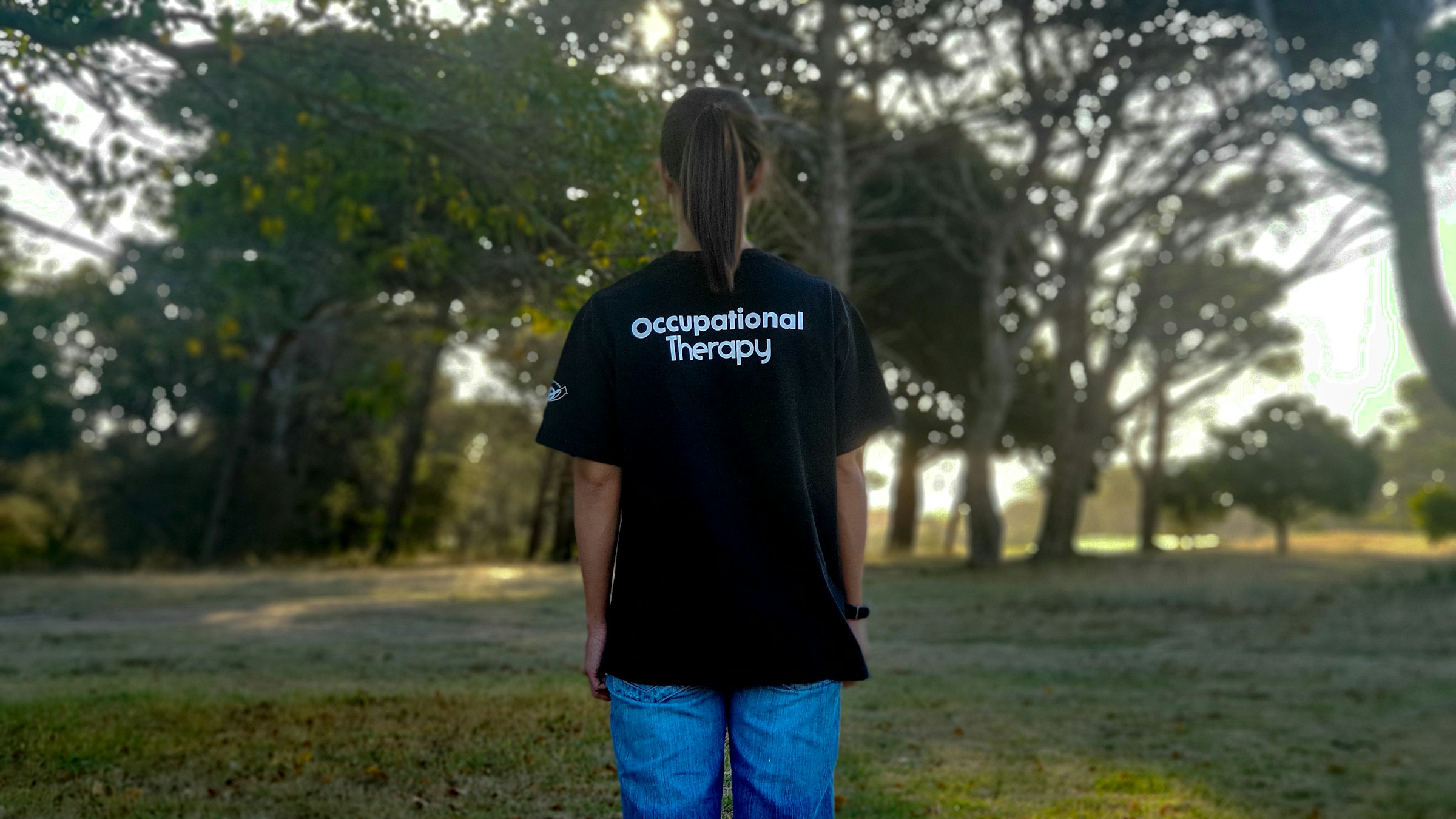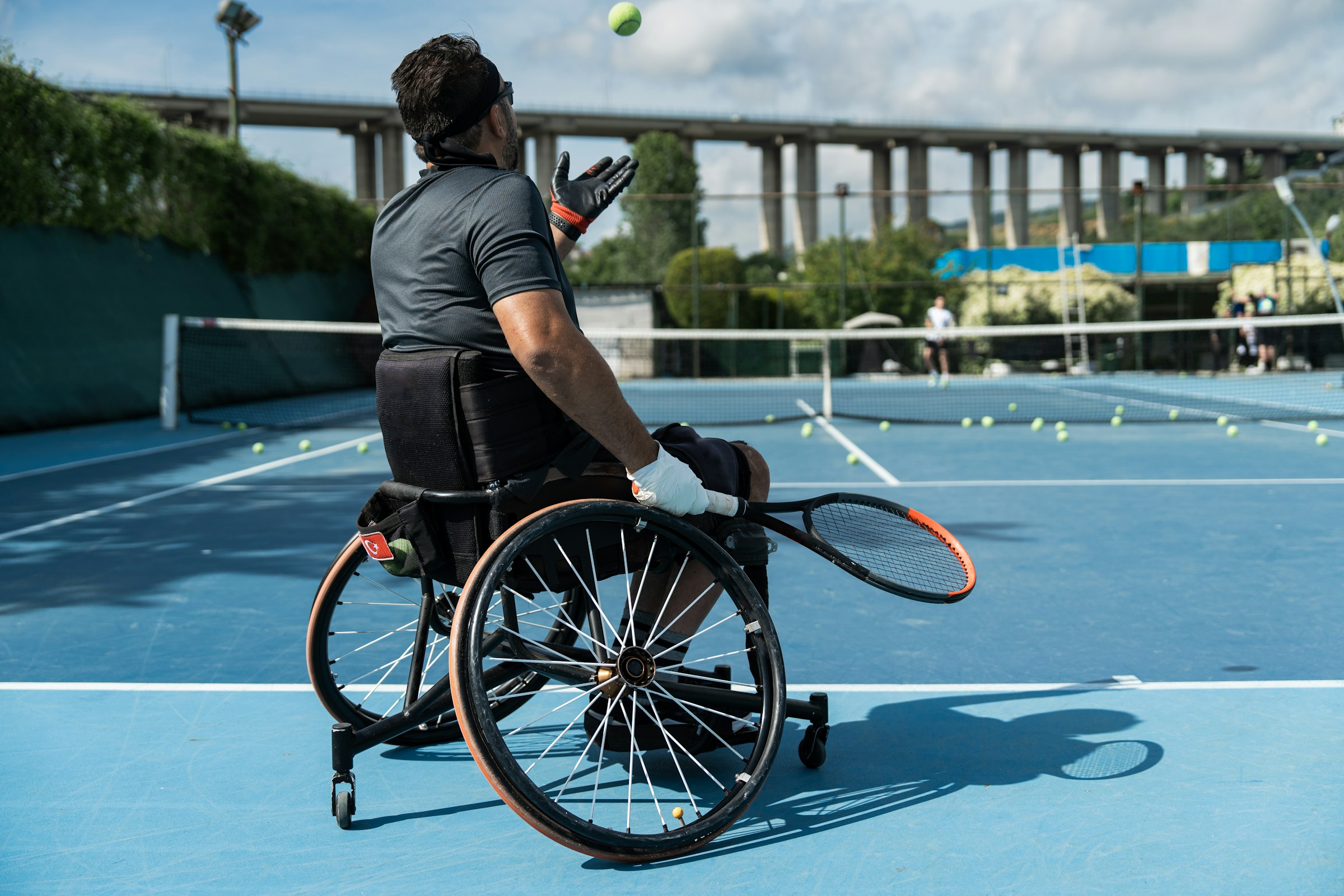

Mental health challenges can quietly reshape every corner of a person’s life – how they wake up in the morning, manage their day, connect with others, and find meaning in the things they once loved. For many Australians living with anxiety, depression, schizophrenia, or psychosocial disability, the path forward is not always clear. Yet, one profession sits at the intersection of everyday life and genuine recovery: occupational therapy.
What Exactly Is Occupational Therapy, and Why Does It Matter for Mental Health?
Occupational therapy is a registered health profession that focuses on helping people participate in the activities – or “occupations” – that are meaningful and necessary to them. These are not just work-related tasks. They include self-care, household management, social connection, recreation, and community participation.
In the context of mental health, occupational therapy takes a distinctly holistic approach. Rather than focusing solely on diagnosing or managing symptoms, occupational therapists work with individuals to understand how a mental health condition affects daily life and then provide targeted support to rebuild function, confidence, and independence.
Australia’s National Framework for Recovery-Oriented Mental Health Services defines recovery as “being able to create and live a meaningful and contributing life in a community of choice with or without the presence of mental health issues.” This definition aligns powerfully with occupational therapy’s core philosophy – that participation in meaningful activity is central to wellbeing and recovery.
As of March 2023, there were 29,473 occupational therapists registered with the Australian Health Professions Regulation Agency (AHPRA), representing a significant 171% increase from 2013. Of these, approximately 11.9% have mental health as their principal scope of practice.
How Does Occupational Therapy Support Mental Health Recovery in Day-to-Day Life?
At its core, occupational therapy supports mental health recovery by helping individuals re-engage with the activities and routines that give life structure, purpose, and satisfaction. Research consistently shows that it is not just participation in activities that matters – it is the satisfaction and meaning derived from them that drives recovery outcomes.
Occupational therapists may work across several key intervention areas:
- Skill Training and Daily Living Support: Developing or regaining practical skills for everyday tasks such as meal preparation, personal hygiene, and managing finances.
- Cognitive Rehabilitation: Addressing memory impairments and reduced executive function through structured exercises and real-life activities.
- Psychosocial and Psychoeducational Interventions: Supporting the development of interpersonal skills, building confidence, and empowering clients with coping strategies.
- Creative and Meaningful Activity: Utilizing art, music, or crafts to enhance self-worth and a sense of purpose.
- Routine Building and Time Management: Establishing structured daily routines to provide stability and predictability.
- Exercise and Physical Activity Integration: Incorporating physical activity to support emotional regulation and overall wellbeing.
What Mental Health Conditions Can Occupational Therapy Address?
Occupational therapy addresses a broad spectrum of conditions including depression, anxiety, schizophrenia, psychosocial disability, panic disorder, and severe mental illness. It complements medical treatment by focusing on the functional and occupational dimensions of recovery, thereby helping improve daily living, social participation, and overall wellbeing.
What Does the Research Say About the Effectiveness of Occupational Therapy in Mental Health Recovery?
Research shows that occupational therapy interventions can reduce symptoms of depression and anxiety, improve cognitive and social functioning, and decrease rehospitalisation rates. Studies, including a landmark five-year follow-up study and systematic reviews, have demonstrated meaningful improvements in various domains such as:
- Participation and social functioning
- Cognitive functioning including executive function and memory
- Overall wellbeing and occupational balance
These findings underline that occupational therapy goes beyond symptom management to drive sustainable, real-world improvements in quality of life.
How Is Occupational Therapy for Mental Health Delivered Across Regions?
Occupational therapy services for mental health recovery are accessible through various delivery models:
- Community and Home-Based Services: Mobile occupational therapy brings support directly to clients in their homes, ideal for those facing barriers to clinic-based care.
- Telehealth Occupational Therapy: Video-based sessions make it easier to access therapy from regional or rural areas, ensuring continuity of care.
- NDIS-Funded Services: For participants with psychosocial disabilities, tailored assessments and capacity-building interventions are provided under the NDIS framework.
- Aged Care and Private Services: Services are available through aged care funding and private arrangements, catering to individuals across different life stages.
What Does a Recovery-Oriented Approach Look Like in Occupational Therapy Practice?
Recovery-oriented practice in occupational therapy involves:
- Person-first, holistic thinking: Viewing the entire person, not just the diagnosis.
- Collaborative goal-setting: Centering care planning around the individual’s personal aspirations.
- Emphasis on hope and possibility: Maintaining an optimistic outlook on recovery potential.
- Empowerment and self-determination: Supporting informed decision-making for recovery.
- Social inclusion: Removing barriers to community participation and advocating for equitable access.
Australian occupational therapists are uniquely positioned to embed these principles into their practice, ensuring that each client’s recovery journey is both meaningful and comprehensive.
Taking the Next Step Towards Mental Health Recovery
Mental health recovery is an ongoing journey marked by setbacks and breakthroughs. Occupational therapy meets individuals where they are, helping to rebuild lives that are meaningful, connected, and self-determined. Whether accessed through mobile services, Telehealth, or in-person sessions, the evidence consistently shows that occupational therapy enhances wellbeing, functional capacity, and quality of life.
For anyone seeking support across regions such as Brisbane, North Lakes, Sydney, Melbourne, or regional communities, occupational therapy offers a grounded, person-centred approach to mental health recovery.
Have questions? Need help? Contact Astrad Occupational Therapy today.