The simple act of making a cup of tea. Buttoning a shirt. Answering the door. These everyday tasks often go unnoticed until they become challenging. For millions of Australians living with disability, chronic conditions, or the natural effects of ageing, maintaining independence in daily activities can feel like an uphill battle. Yet, solutions exist that are transforming how people across Brisbane, Sydney, Melbourne, and regional areas live their lives – solutions that don’t require complex medical interventions or institutional care.
Everyday assistive technology encompasses the tools, devices, and systems that enable people to perform daily tasks they would otherwise find difficult or impossible. From adaptive kitchen utensils to smart home systems, these technologies are quietly revolutionising independence for over 2.5 billion people globally, with demand projected to reach 3.5 billion by 2050. In Australia, approximately 80% of National Disability Insurance Scheme (NDIS) participants already have assistive technology funding within their plans, reflecting the growing recognition of these supports as essential rather than optional.
The conversation around assistive technology has evolved significantly. What once centred on institutional solutions now focuses on person-centred approaches that support people to remain in their homes and communities. As Australia’s aged care and disability sectors undergo substantial reforms in 2026, understanding the breadth of everyday assistive technology that supports independence has never been more relevant.
What Types of Everyday Assistive Technology Are Available to Support Independence?
The World Health Organisation defines assistive technology as any device or system that allows individuals to perform tasks they would otherwise be unable to do, or increases the ease and safety with which tasks can be performed. This definition captures an expansive range of solutions, from remarkably simple to technologically sophisticated.
Mobility and Movement Solutions
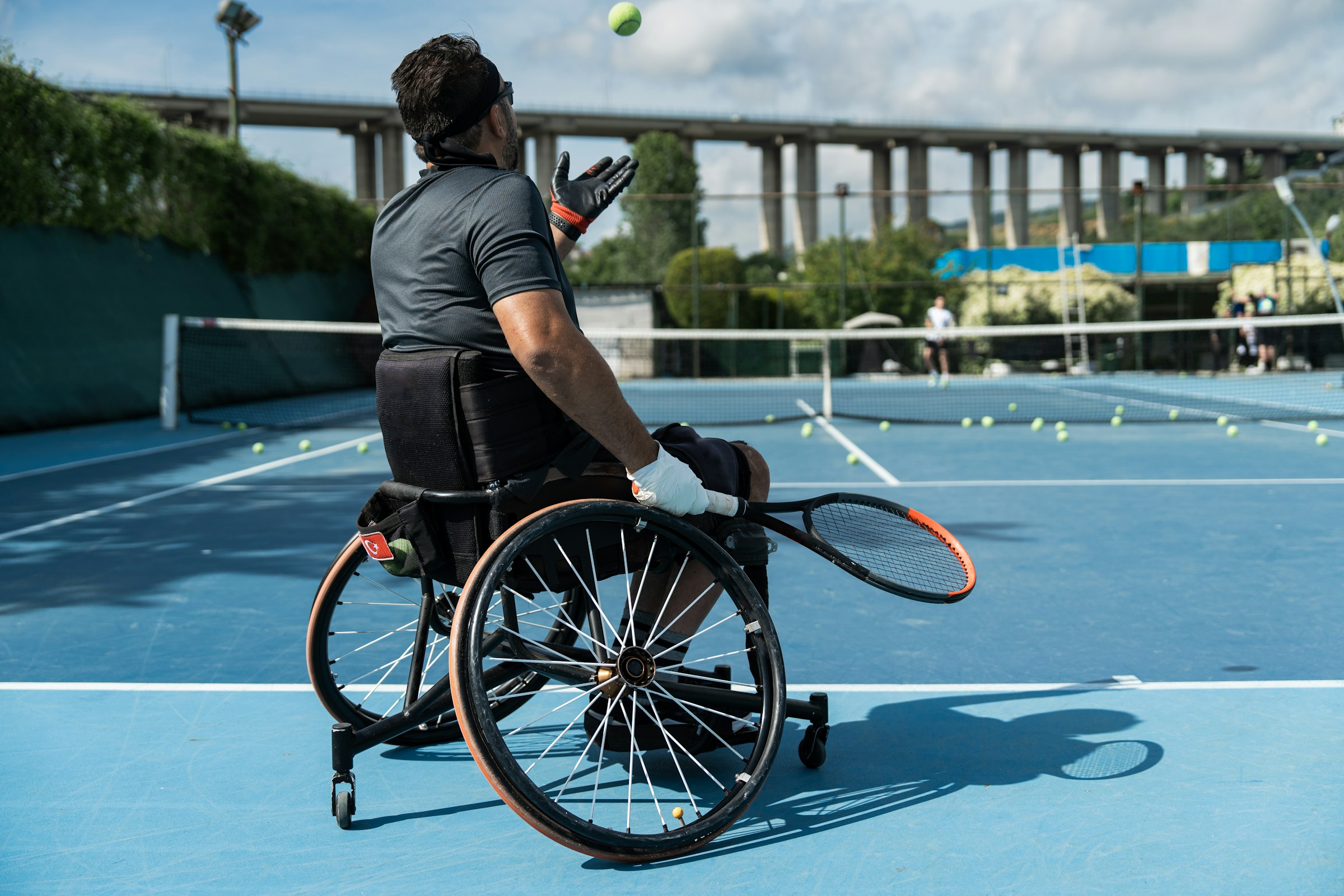
Mobility aids form perhaps the most recognisable category of everyday assistive technology that supports independence. Wheelchairs – both manual and powered – serve 80 million people globally who require them, though only 5-35% currently have access depending on their country. Within Australia, these devices enable countless individuals to navigate their homes, workplaces, and communities independently.
Walking frames, canes, crutches, and mobility scooters provide varying levels of support based on individual needs. Research demonstrates that users of mobility devices report improved ambulation and increased feelings of security. The impact extends beyond physical movement; independent wheelchair users consistently report fewer depressive symptoms and higher levels of social participation compared to those dependent on others for mobility.
Daily Living Supports
The category of daily living aids encompasses solutions for personal care and household tasks. These include dressing aids such as button hooks, sock aids, and elastic shoelaces that eliminate the need for complex hand movements. Bathing supports like shower chairs, bath boards, and strategically placed grab bars transform potentially hazardous bathroom activities into safe, manageable routines.
Adaptive eating utensils with specialized grips, plate guards that prevent food from sliding off plates, and non-slip bowls enable independent dining. Long-handled grooming tools, modified kitchen equipment, and medication organisers all contribute to the mosaic of supports that make daily life more manageable.
Communication and Sensory Technology
For the 1.5 billion people worldwide experiencing hearing loss, hearing aids and cochlear implants provide critical connection to the world around them. Yet hearing aid production currently meets less than 10% of global demand. Screen readers and magnification software support those with visual impairments, whilst speech-generating devices and augmentative communication systems give voice to individuals with speech difficulties.
Smart Home and Cognitive Support Technologies
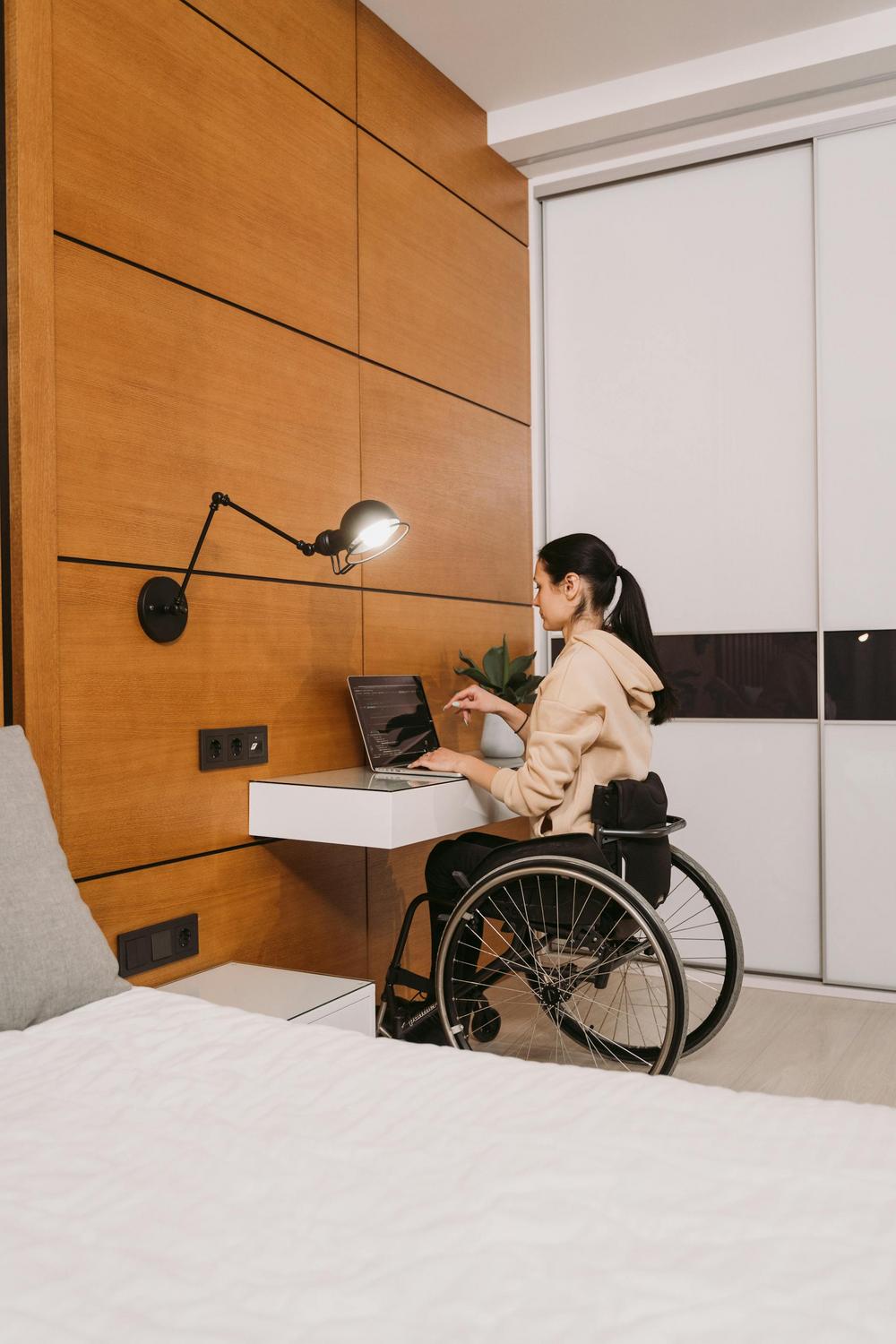
The integration of smart home technology represents one of the most significant developments in everyday assistive technology that supports independence. Voice-activated assistants, environmental control systems, and automated routines enable individuals with mobility limitations or cognitive challenges to control their environment through simple commands.
Digital reminder systems, calendar applications, and GPS tracking devices provide crucial cognitive support for those experiencing memory difficulties or dementia. Motion-activated lighting reduces fall risk, whilst video doorbells and smart locks enhance security and accessibility.
How Does Assistive Technology Classification Work Within the NDIS?
Understanding the NDIS classification system proves essential for Australian residents seeking to access everyday assistive technology that supports independence. The scheme organises assistive technology into four complexity levels, each with distinct funding pathways and assessment requirements.
Level 1 – Basic Assistive Technology includes items under $1,500 that require minimal setup or training. Grab bars, walking sticks, modified cutlery, and shower stools fall within this category. These items can be purchased flexibly from Core Supports consumables budgets, making them readily accessible.
Level 2 – Standard Assistive Technology encompasses simple to moderately complex devices requiring some assessment or fitting, such as standard wheelchairs and basic bathroom modifications.
Level 3 – Specialised Assistive Technology ($1,500-$15,000) includes moderately complex, potentially customised solutions like powered wheelchairs and custom seating systems. These require written evidence from qualified allied health professionals.
Level 4 – Complex Assistive Technology (over $15,000) represents highly complex, customised solutions demanding detailed professional assessment. Advanced communication devices, complex prosthetics, and sophisticated environmental control systems require comprehensive documentation and specialist input.
The upcoming aged care reforms introduce the Assistive Technology and Home Modifications (AT-HM) scheme from July 2025, offering funding tiers of $500 (low), $2,000 (medium), and $15,000 (high), with 12-month access periods and wrap-around support services.
| Classification Level | Cost Range | Examples | Assessment Required |
|---|---|---|---|
| Level 1 – Basic | Under $1,500 | Grab bars, walking sticks, shower stools, modified cutlery | Minimal |
| Level 2 – Standard | Varies | Standard wheelchairs, basic bathroom modifications | Basic professional input |
| Level 3 – Specialised | $1,500-$15,000 | Powered wheelchairs, custom seating, prosthetics | Written evidence from qualified assessor |
| Level 4 – Complex | Over $15,000 | Advanced communication devices, complex prosthetics, sophisticated ECS | Comprehensive professional assessment |
What Benefits Does Everyday Assistive Technology Provide for Independence and Quality of Life?
The evidence supporting everyday assistive technology that supports independence extends well beyond anecdotal observations. Research consistently demonstrates that users of assistive technology experience measurably greater reductions in functional difficulty compared to those relying solely on personal care assistance.
Enhanced Autonomy and Self-Determination
Perhaps the most profound benefit lies in restored autonomy. Assistive technology enables individuals to perform activities of daily living according to their own schedules and preferences, reducing dependence on caregivers and family members. This autonomy extends to fundamental decisions about how, when, and where tasks are performed – choices that profoundly impact dignity and self-worth.
Users of assistive technology report delays in functional decline and experience slower rates of deterioration than those without appropriate supports. This trajectory allows individuals to maintain independence longer, participate more fully in work and community life, and preserve the sense of mastery over their daily routines.
Improved Safety and Risk Reduction
Safety represents another critical dimension of independence. Mobility aids and environmental modifications significantly reduce fall risk – a leading cause of injury and loss of independence amongst older Australians. Personal alarm systems and fall detection devices provide emergency assistance when needed, whilst grab rails and adapted bathroom equipment prevent accidents before they occur.
The preventive nature of assistive technology extends to secondary health complications. Appropriate wheelchair seating prevents pressure injuries, whilst therapeutic footwear for people with diabetes reduces foot ulcers and subsequent amputations. These preventive benefits reduce healthcare utilisation whilst supporting sustained independence.
Psychological and Social Wellbeing
The psychological benefits of everyday assistive technology that supports independence prove equally significant. Increased self-esteem, reduced feelings of helplessness, and decreased depression and anxiety frequently accompany appropriate technology use. The ability to engage in meaningful activities – whether work, hobbies, or social connection – directly correlates with improved mental health outcomes.
Social participation becomes possible when assistive technology removes barriers. Communication devices enable conversation and connection. Mobility supports facilitate community engagement. The cumulative effect supports inclusion rather than isolation, connection rather than withdrawal.
Benefits for Caregivers and Healthcare Systems
The ripple effects extend beyond individual users. Caregivers experience reduced physical and emotional burden when appropriate assistive technology is in place. Rather than providing constant physical assistance, they can focus on companionship and quality time. This shift improves caregiver wellbeing whilst strengthening relationships.
Healthcare systems benefit through reduced hospital admissions, delayed institutionalisation, and decreased secondary complications requiring extensive treatment. The cost-effectiveness of assistive technology becomes apparent when compared to ongoing personal care costs or institutional placement.
How Are Assistive Technology Assessments Conducted by Occupational therapists?
The assessment process for everyday assistive technology that supports independence requires comprehensive evaluation by qualified allied health professionals. Occupational therapists, physiotherapists, and speech pathologists each contribute specialised knowledge, with occupational therapists frequently taking the lead role in assessments for daily living supports and home modifications.
The Assessment Framework
Effective assistive technology assessment follows a structured yet person-centred approach. The process begins with problem identification – understanding specific functional limitations, environmental barriers, and individual goals. This phase requires careful listening and observation, as the challenges an individual experiences may differ from what standardised assessments suggest.
Health care needs assessment establishes functional diagnosis and prognosis, informing realistic expectations about what assistive technology can achieve. Care planning involves collaborative goal-setting, ensuring recommended solutions align with what matters most to the individual.
Product selection involves trialling options when possible. The fit between person, technology, and environment determines success far more than the sophistication of any particular device. Simple solutions often prove more effective than complex ones when they match individual needs and preferences.
Environmental and Personal Considerations
Comprehensive assessment extends beyond the individual to their physical and social environment. A home visit for complex equipment allows therapists to identify environmental barriers, measure spaces accurately, and consider how recommended technology will function in the actual living environment.
Personal factors including age, health conditions, cognitive abilities, manual dexterity, and vision influence technology selection. Personal resources – family support, financial capacity, technological literacy – shape feasible solutions. Cultural values and personal preferences matter; technology that doesn’t align with individual values rarely achieves consistent use.
Training and Follow-Up
Assessment doesn’t end with equipment delivery. Training users and caregivers in safe, effective operation proves essential for success. Regular follow-up ensures technology continues meeting needs as circumstances change. Adjustments, repairs, and eventual replacement form part of the ongoing support cycle.
Where Can Australians Access Everyday Assistive Technology and Funding Support?
Navigating the landscape of everyday assistive technology that supports independence requires understanding multiple funding pathways and service systems operating across Queensland, New South Wales, Victoria, and Tasmania.
NDIS Pathways
For NDIS participants, assistive technology funding flows through individualised plans, with approximately 80% of participants receiving some allocation. Lower-cost items (Level 1) can be purchased directly from Core Supports budgets, providing flexibility and immediate access. Mid to high-cost items require quotations from suppliers and, for specialised and complex technology, reports from qualified allied health professionals.
Support coordination assists participants in identifying appropriate technology, locating suppliers, trialling equipment, and managing the procurement process. This support proves particularly valuable when navigating complex assessments and multiple quotes.
Aged Care Support Options
The Commonwealth Home Support Programme provides up to $500 per person annually for aids and equipment for eligible older Australians. The forthcoming Assistive Technology and Home Modifications scheme within the Support at Home program offers more substantial funding – $500, $2,000, or $15,000 depending on assessed need – with wrap-around services including assessment, trial, delivery, installation, and follow-up support.
These aged care pathways aim to support Australians to remain living independently at home longer, delaying or preventing the need for residential care.
Private Purchase and Other Options
Private purchase remains an option for those without scheme funding or requiring items not covered by existing supports. Some private health insurance policies cover specific equipment. Department of Veterans’ Affairs provisions support eligible veterans. State-based equipment loan schemes offer short-term access to mobility and daily living aids.
Allied health professionals familiar with the local landscape across Brisbane, North Lakes, the Gold Coast, Sunshine Coast areas including Peregian Springs, Noosa, Buderim, and Gympie, as well as Sydney and Melbourne, can guide individuals through available options and funding pathways appropriate to their circumstances.
Making Independence Possible Through Thoughtful Technology Integration
The evolution of everyday assistive technology that supports independence reflects broader social shifts in how disability, ageing, and care are understood. Moving beyond institutional models towards community-based, person-centred approaches aligns with emerging evidence demonstrating the profound impact of appropriate assistive technology on independence, wellbeing, and quality of life.
The diversity of available solutions – from simple grab bars to sophisticated smart home systems – ensures options exist for virtually every need and circumstance. Success depends not on selecting the most advanced or expensive technology, but rather on identifying solutions that genuinely fit individual needs, preferences, and environments.
As Australia’s disability and aged care sectors continue evolving through 2026, access to appropriate assistive technology will remain central to supporting independence across the lifespan. The challenge lies not in technological limitation but in ensuring equitable access, qualified assessment, appropriate training, and ongoing support for all who could benefit.
For individuals exploring options, families supporting loved ones, or anyone curious about how everyday assistive technology that supports independence might enhance daily life, professional assessment provides the foundation for informed decisions. Qualified occupational therapists bring expertise in matching person, environment, and technology to support meaningful participation in valued activities – the essence of independent living.
Disclaimer: This information is of a general nature only and is not intended to constitute professional advice. It is not a substitute for professional assessment by a qualified healthcare provider. Individual circumstances vary, and what is appropriate for one person may not be suitable for another. For personalised advice regarding your specific needs and circumstances, consult a qualified occupational therapist or other appropriate healthcare professional.
Consult a qualified occupational therapist for more information on everyday assistive technology that supports independence.
What is the difference between low-tech and high-tech assistive technology for supporting independence?
Low-tech assistive technology includes simple devices like grab bars, walking frames, button hooks, and modified utensils that require minimal training and no power source. High-tech options encompass powered wheelchairs, speech-generating devices, smart home systems, and wearable health monitors that require electricity, programming, or technological literacy. The key is matching the technology complexity to individual needs and capabilities.
How long does the assistive technology assessment process typically take?
The timeline for an assistive technology assessment varies depending on the complexity of the technology and individual circumstances. Basic assessments for items like shower chairs or walking aids might be completed in a single session, while specialised equipment such as custom wheelchairs or advanced communication devices may require multiple sessions including trials, measurements, and consultations. For high-cost items under the NDIS, the approval process can take several weeks to months.
Can assistive technology be trialled before purchasing?
Yes, trialling assistive technology is considered best practice, especially for mid to high-cost items. Many suppliers and allied health services offer equipment libraries or trial periods to ensure the device meets the user’s functional needs and preferences before a final purchase is made.
What happens if my needs change and current assistive technology no longer works effectively?
Regular review is a key part of assistive technology provision. As health conditions or living situations change, equipment may require adjustments, repairs, or replacement. NDIS participants can request plan reviews to update or change their technology, and aged care recipients often have annual assessments to ensure their supports remain appropriate.
Is assistive technology covered for people living in regional and remote areas of Queensland, New South Wales, Victoria, and Tasmania?
Yes, funding and support for assistive technology extend to regional and remote areas. Both the NDIS and aged care systems provide coverage outside metropolitan regions, with additional support via telehealth assessments and mobile allied health services to ensure accessibility.